An early F6F-3 in blue-gray over light gull-gray (1943)
The Grumman F6F Hellcat is an American carrier-based fighter aircraft of World War II. Designed to replace the earlier F4F Wildcat and to counter the Japanese Mitsubishi A6M Zero, it was the United States Navy’s dominant fighter in the second half of the Pacific War, outdueling the faster Vought F4U Corsair, which had problems with carrier landings.
Powered by a 2,000 hp (1,500 kW) Pratt & Whitney R-2800 Double Wasp, the same powerplant used for both the Corsair and the United States Army Air Forces (USAAF) Republic P-47 Thunderbolt fighters, the F6F was an entirely new design, but it still resembled the Wildcat in many ways. Some military observers tagged the Hellcat as the “Wildcat’s big brother”.
The F6F made its combat debut in September 1943, and was best known for its role as a rugged, well-designed carrier fighter, which was able to outperform the A6M Zero and help secure air superiority over the Pacific theater. A total of 12,275 were built in just over two years.
Hellcats were credited with destroying a total of 5,223 enemy aircraft while in service with the U.S. Navy, U.S. Marine Corps, and Royal Navy Fleet Air Arm. This was more than any other Allied naval aircraft. Postwar, the Hellcat was phased out of front-line service in the US, but radar-equipped F6F-5N remained in service as late as 1954 as a night fighter.
Design and development
XF6F
Grumman had been working on a successor to the F4F Wildcat since 1938 and the contract for the prototype XF6F-1 was signed on 30 June 1941. The aircraft was originally designed to use the Wright R-2600 Twin Cyclone two-row, 14-cylinder radial engine of 1,700 hp (1,300 kW) (the same engine used with |Grumman’s then-new torpedo bomber under development), driving a three-bladed Curtiss Electric propeller. Instead of the Wildcat’s narrow-track, hand-cranked main landing gear retracting into the fuselage that it had inherited, little changed in design from the 1930s Grumman FF-1 fighter biplane, the Hellcat had wide-set, hydraulically actuated landing gear struts that rotated through 90° while retracting backwards into the wings, but with full wheel doors fitted to the struts that covered the entire strut and the upper half of the main wheel when retracted, and twisted with the main gear struts through 90º during retraction.The wing was mounted lower on the fuselage and was able to be hydraulically or manually folded, with each panel outboard of the undercarriage bay folding backwards from pivoting on a specially oriented, Grumman-patented “Sto-Wing” diagonal axis pivoting system much like the earlier F4F, with a folded stowage position parallel to the fuselage with the leading edges pointing diagonally down.

Unpainted XF6F-1 prior to its first flight (1942)
Throughout early 1942, Leroy Grumman, along with his chief designers Jake Swirbul and Bill Schwendler, worked closely with the U.S. Navy’s Bureau of Aeronautics (BuAer) and experienced F4F pilots, to develop the new fighter in such a way that it could counter the Zero’s strengths and help gain air command in the Pacific Theater of Operations. On 22nd April 1942, Lieutenant Commander Butch O’Hare toured the Grumman Aircraft company and spoke with Grumman engineers, analyzing the performance of the F4F Wildcat against the Mitsubishi A6M Zero in aerial combat. BuAer’s Lt Cdr A. M. Jackson directed Grumman’s designers to mount the cockpit higher in the fuselage. In addition, the forward fuselage sloped down slightly to the engine cowling, giving the Hellcat’s pilot good visibility.
Change of powerplant
Based on combat accounts of encounters between the F4F Wildcat and A6M Zero, on 26th April 1942, BuAer directed Grumman to install the more-powerful, 18-cylinder Pratt & Whitney R-2800 Double Wasp radial engine – which was already in use with Chance Vought’s Corsair since 1940 – in the second XF6F-1 prototype. Grumman complied by redesigning and strengthening the F6F airframe to incorporate the 2,000 hp (1,500 kW) R-2800-10, driving a three-bladed Hamilton Standard propeller. With this combination, Grumman estimated the XF6F-3s performance would increase by 25% over that of the XF6F-1. The Cyclone-powered XF6F-1 (02981) first flew on 26 June 1942, followed by the first Double Wasp-equipped aircraft, the XF6F-3 (02982), which first flew on 30th July 1942. The first production F6F-3, powered by an R-2800-10, flew on 3rd October 1942, with the type reaching operational readiness with VF-9 on USS Essex in February 1943.
Further development
The F6F series was designed to take damage and get the pilot safely back to base. A bullet-resistant windshield and a total of 212 lb (96 kg) of cockpit armor was fitted, along with armor around the oil tank and oil cooler. A 250 US gal (950 l) self-sealing fuel tank was fitted in the fuselage. Standard armament on the F6F-3 consisted of six .50 in (12.7 mm) M2/AN Browning air-cooled machine guns with 400 rounds per gun. A center-section hardpoint under the fuselage could carry a single 150 US gal (570 l) disposable drop tank, while later aircraft had single bomb racks installed under each wing, inboard of the undercarriage bays; with these and the center-section hard point late model F6F-3s could carry a total bomb load in excess of 2,000 lb (910 kg). Six 5 in (127 mm) high-velocity aircraft rockets (HVARs) could be carried – three under each wing on “zero-length” launchers.
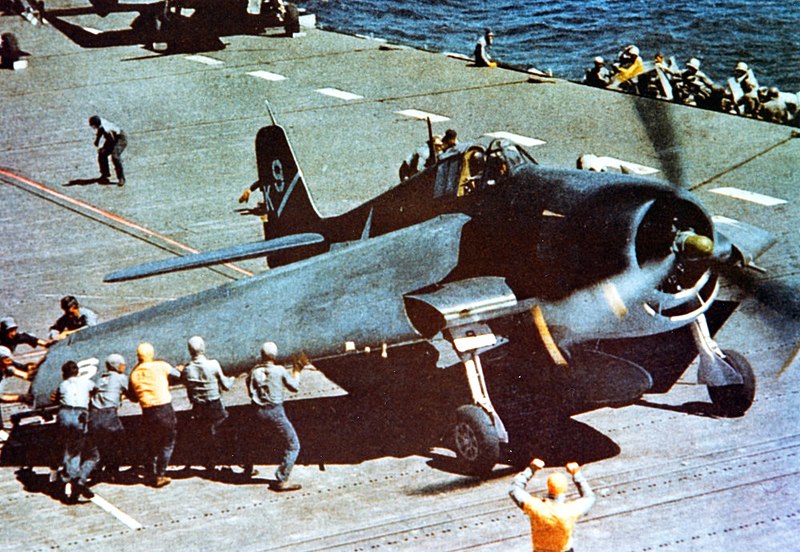
F6F-3 aboard USS Yorktown has its “Sto-Wing” folding wings deployed for takeoff (c. 1943/44)
Two night fighter subvariants of the F6F-3 were developed; the 18 F6F-3E’s were converted from standard-3s and featured the AN/APS-4 10 GHz frequency radar in a pod mounted on a rack beneath the right wing, with a small radar scope fitted in the middle of the main instrument panel and radar operating controls installed on the port side of the cockpit. The later F6F-3N, first flown in July 1943, was fitted with the AN/APS-6 radar in the fuselage, with the antenna dish in a bulbous fairing mounted on the leading-edge of the outer right wing as a development of the AN/APS-4; about 200 F6F-3Ns were built. Hellcat night fighters claimed their first victories in November 1943. A total of 4,402 F6F-3s was built through until April 1944, when production was changed to the F6F-5.
The F6F-5 featured several improvements, including a more powerful R-2800-10W engine employing a water-injection system and housed in a slightly more streamlined engine cowling, spring-loaded control tabs on the ailerons, and an improved, clear-view windscreen, with a flat armored-glass front panel replacing the F6F-3’s curved plexiglass panel and internal armor glass screen. In addition, the rear fuselage and tail units were strengthened, and apart from some early production aircraft, the majority of the F6F-5’s built were painted in an overall gloss sea-blue finish. After the first few F6F-5s were built, the small windows behind the main canopy were deleted. The F6F-5N night-fighter variant was fitted with an AN/APS-6 radar in a fairing on the outer-starboard wing. A few standard F6F-5s were also fitted with camera equipment for reconnaissance duties as the F6F-5P. While all F6F-5s were capable of carrying an armament mix of one 20-mm (.79-in) M2 cannon in each of the inboard gun bays (220 rounds per gun), along with two pairs of .50-in (12.7-mm) machine guns (each with 400 rounds per gun), this configuration was only used on later F6F-5N night fighters. The F6F-5 was the most common F6F variant, with 7,870 being built.

Two U.S. Navy Grumman F6F-3 Hellcats in tricolor camouflage, sea blue, intermediate blue, and insignia white 1943
Other prototypes in the F6F series included the XF6F-4 (02981, a conversion of the XF6F-1 powered by an R-2800-27 and armed with four 20-mm M2 cannon) which first flew on 3rd October 1942 as the prototype for the projected F6F-4. This version never entered production and 02981 was converted to an F6F-3 production aircraft. Another experimental prototype was the XF6F-2 (66244), an F6F-3 converted to use a Wright R-2600-15, fitted with a Birman-manufactured mixed-flow turbocharger, which was later replaced by a Pratt & Whitney R-2800-21, also fitted with a Birman turbocharger. The turbochargers proved to be unreliable on both engines, while performance improvements were marginal. As with the XF6F-4, 66244 was soon converted back to a standard F6F-3. Two XF6F-6s (70188 and 70913) were converted from F6F-5s and used the 18-cylinder 2,100 hp (1,566 kW) Pratt and Whitney R-2800-18W two-stage supercharged radial engine with water injection and driving a Hamilton-Standard four-bladed propeller. The XF6F-6s were the fastest version of the Hellcat series with a top speed of 417 mph (671 km/h), but the war ended before this variant could be mass-produced.
The last Hellcat rolled out in November 1945, the total production being 12,275, of which 11,000 had been built in just two years. This high production rate was credited to the sound original design, which required little modification once production was under way.
Operational history
U.S. Navy and Marines
The U.S. Navy much preferred the more docile flight qualities of the F6F compared with the Vought F4U Corsair, despite the superior speed of the Corsair. This preference was especially noted during carrier landings, a critical success requirement for the Navy, in which the Corsair was fundamentally flawed in comparison. The Corsair was thus released by the Navy to the Marine Corps, which without the need to worry about carrier landings, used the Corsair to immense effect in land-based sorties. The Hellcat remained the standard USN carrier-borne fighter until the F4U series was finally cleared for U.S. carrier operations in late 1944 (the carrier landing issues had by now been tackled largely due to use of Corsair by the Royal Navy Fleet Air Arm which started in 1943). In addition to its good flight qualities, the Hellcat was easy to maintain and had an airframe tough enough to withstand the rigors of routine carrier operations. Like the Wildcat, the Hellcat was designed for ease of manufacture and ability to withstand significant damage.
The Hellcat first saw action against the Japanese on 1st September 1943, when fighters off USS Independence shot down a Kawanishi H8K “Emily” flying boat. Soon after, on 23rd and 24th November, Hellcats engaged Japanese aircraft over Tarawa, shooting down a claimed 30 Mitsubishi Zeros for the loss of one F6F. Over Rabaul, New Britain, on 11th November 1943, Hellcats and F4U Corsairs were engaged in day-long fights with many Japanese aircraft including A6M Zeros, claiming nearly 50 aircraft.
When trials were flown against a captured A6M5 model Zero, they showed that the Hellcat was faster at all altitudes. The F6F out-climbed the Zero marginally above 14,000 ft (4,300 m) and rolled faster at speeds above 235 mph (378 km/h). The Japanese fighter could out-turn its American opponent with ease at low speed and enjoyed a slightly better rate of climb below 14,000 ft (4,300 m). The trials report concluded:
Do not dogfight with a Zero 52. Do not try to follow a loop or half-roll with a pull-through. When attacking, use your superior power and high speed performance to engage at the most favorable moment. To evade a Zero 52 on your tail, roll and dive away into a high speed turn.

Grumman F6F Hellcat of VF-8 aboard USS Bunker Hill (CV-17), in 1944
Hellcats were the major U.S. Navy fighter type involved in the Battle of the Philippine Sea, where so many Japanese aircraft were shot down that Navy aircrews nicknamed the battle the “Great Marianas Turkey Shoot”. The F6F accounted for 75% of all aerial victories recorded by the U.S. Navy in the Pacific. Radar-equipped Hellcat night fighter squadrons appeared in early 1944.
A formidable opponent for the Hellcat was the Kawanishi N1K, but it was produced too late and in insufficient numbers to affect the outcome of the war.
Sortie, kill, and loss figures
U.S. Navy and Marine F6F pilots flew 66,530 combat sorties and claimed 5,163 kills (56% of all U.S. Navy/Marine air victories of the war) at a recorded cost of 270 Hellcats in aerial combat (an overall kill-to-loss ratio of 19:1 based on claimed kills). Claimed victories were often highly exaggerated during the war. Even so, the aircraft performed well against the best Japanese opponents with a claimed 13:1 kill ratio against the A6M Zero, 9.5:1 against the Nakajima Ki-84, and 3.7:1 against the Mitsubishi J2M during the last year of the war. The F6F became the prime ace-maker aircraft in the American inventory, with 305 Hellcat aces. The U.S. successes were not just attributed to superior aircraft – from 1942 onwards, they faced increasingly inexperienced Japanese aviators and had the advantage of increasing numerical superiority. In the ground-attack role, Hellcats dropped 6,503 tons (5,899 tonnes) of bombs.
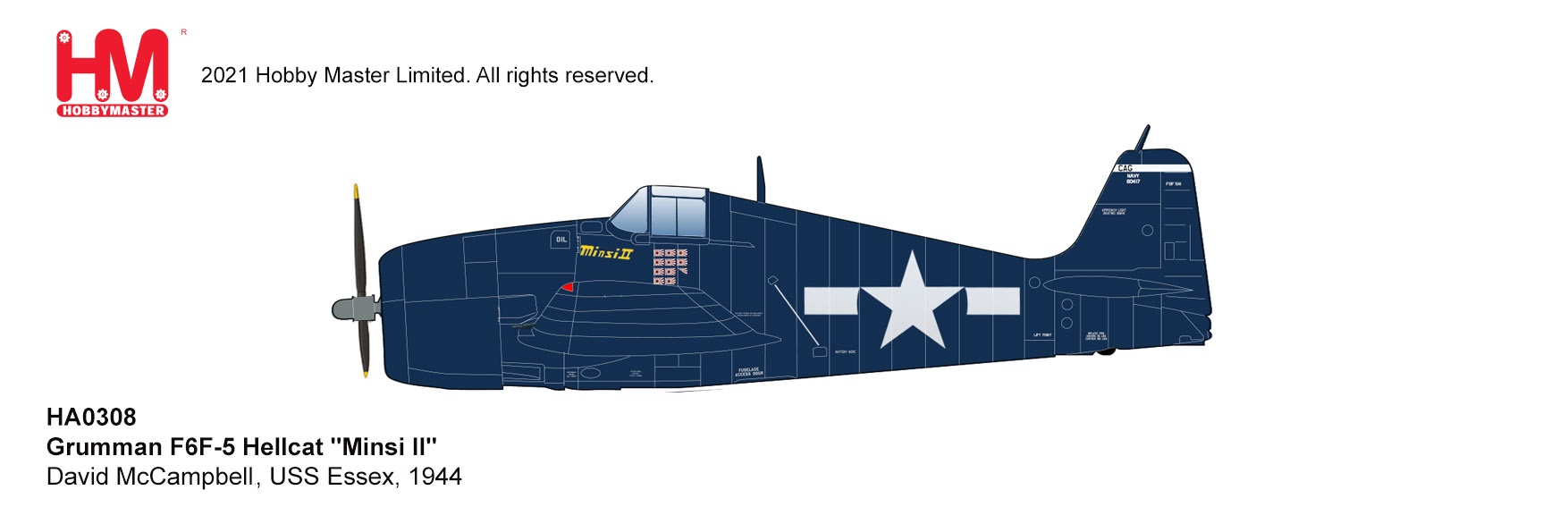
The U.S. Navy’s all-time leading ace, Captain David McCampbell, scored all his 34 victories in the Hellcat. He once described the F6F as “… an outstanding fighter plane. It performed well, was easy to fly, and was a stable gun platform, but what I really remember most was that it was rugged and easy to maintain.”

F6F-5N night fighter with AN/APS-6 radar and 2 20mm M2 cannon (c. 1944/45)
During the course of World War II, 2,462 F6F Hellcats were lost to all causes – 270 in aerial combat, 553 to antiaircraft ground and shipboard fire, and 341 due to operational causes. Of the total figure, 1,298 were destroyed in training and ferry operations, normally outside of the combat zones.
Hamilton McWhorter III was a United States Navy aviator and a flying ace of World War II, credited with shooting down twelve Japanese aircraft. He was the first United States Navy aviator to become an ace while flying the Grumman F6F Hellcat and the first Navy carrier pilot to achieve double ace status.
British use

A section of Fleet Air Arm Hellcat F Mk.Is of 1840 Squadron in June 1944
The British Fleet Air Arm (FAA) received 1,263 F6Fs under the Lend-Lease Act; initially it was known as the Grumman Gannet Mark I. The name Hellcat replaced it in early 1943 for the sake of simplicity, the Royal Navy at that time adopting the use of the existing American naval names for all the U.S.-made aircraft supplied to it, with the F6F-3 being designated Hellcat F Mk.I, the F6F-5, the Hellcat F Mk.II and the F6F-5N, the Hellcat NF Mk.II. They saw action off Norway, in the Mediterranean, and in the Far East. Several were fitted with photographic reconnaissance equipment similar to the F6F-5P, receiving the designation Hellcat FR Mk.II. The Pacific War being primarily a naval war, the FAA Hellcats primarily faced land-based aircraft in the European and Mediterranean theaters, and as a consequence experienced far fewer opportunities for air-to-air combat than their USN/Marines counterparts, nevertheless, they claimed a total of 52 enemy aircraft kills during 18 aerial combats from May 1944 to July 1945. 1844 Naval Air Squadron, on board HMS Indomitable of the British Pacific Fleet was the highest scoring unit, with 32.5 kills.
FAA Hellcats, as with other Lend-Lease aircraft, were rapidly replaced by British aircraft after the end of the war, with only two of the 12 squadrons equipped with the Hellcat at VJ-Day still retaining Hellcats by the end of 1945. These two squadrons were disbanded in 1946.

Chino Warbirds’ F6F-3 painted as a Fleet Air Arm Hellcat Mk. I (2007)
Postwar use
After the war, the Hellcat was succeeded by the F8F Bearcat, which was smaller, more powerful (powered by uprated Double Wasp radials) and more maneuverable, but entered service too late to see combat in World War II.
The Hellcat was used for second-line USN duties, including training and Naval Reserve squadrons, and a handful were converted to target drones. In late 1952, Guided Missile Unit 90 used F6F-5K drones, each carrying a 2,000 lb (910 kg) bomb, to attack bridges in Korea. Flying from USS Boxer, the Hellcat drones were radio controlled from an escorting AD Skyraider.

An F6F-5 flown by Air Group Commander (CAG), Cdr. Louis H. Bauer of Carrier Air Group 3 (CVG-3), leads a formation of CVG-3 aircraft (a Helldiver, Avenger and Bearcat) in 1946.
The French Navy (Aéronavale) was equipped with F6F-5 Hellcats and used them in combat in Indochina. These were painted in Gloss Sea Blue, similar to post-World War II US Navy aircraft until about 1955, but had a modified French roundel with an image of an anchor. The French Air Force also used the Hellcat in Indochina from 1950 to 1952. The plane equipped four squadrons (including the Normandie-Niemen squadron of WWII fame) before these units transitionned to the F8F Bearcat.
The Uruguayan Navy also used them until the early 1960s.
The F6F-5 subtype also gained fame as the first aircraft used by the U.S. Navy’s Blue Angels official flight demonstration team at its formation in 1946.
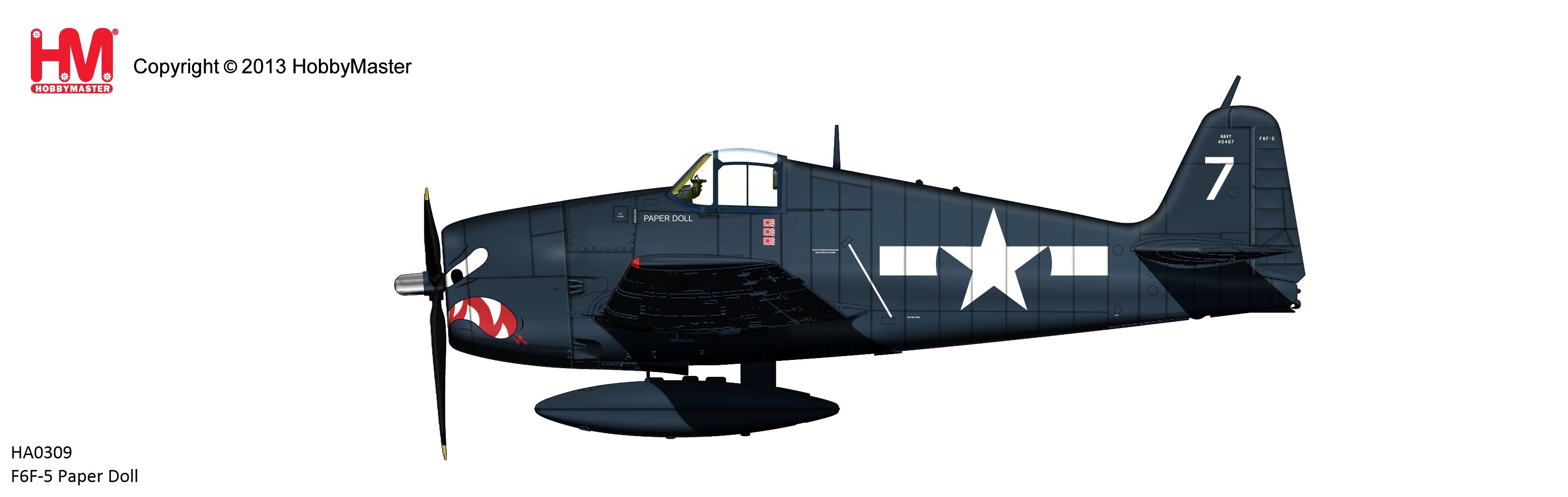
Hobbymaster 1/32nd scale Hellcat Announcements.
Check out the latest Hobbymaster Grumman F6F-5 Hellcat models which are now available to pre-order at Flying Tigers today.
Don’t forget NO DEPOSIT necessary with Flying Tigers and if you order with your debit or credit card your payment is not taken until your model is available to dispatch.
Flying Tigers will also consolidate your orders to save on postage costs across all brands !

Folding Wings

Engine detail under cowling
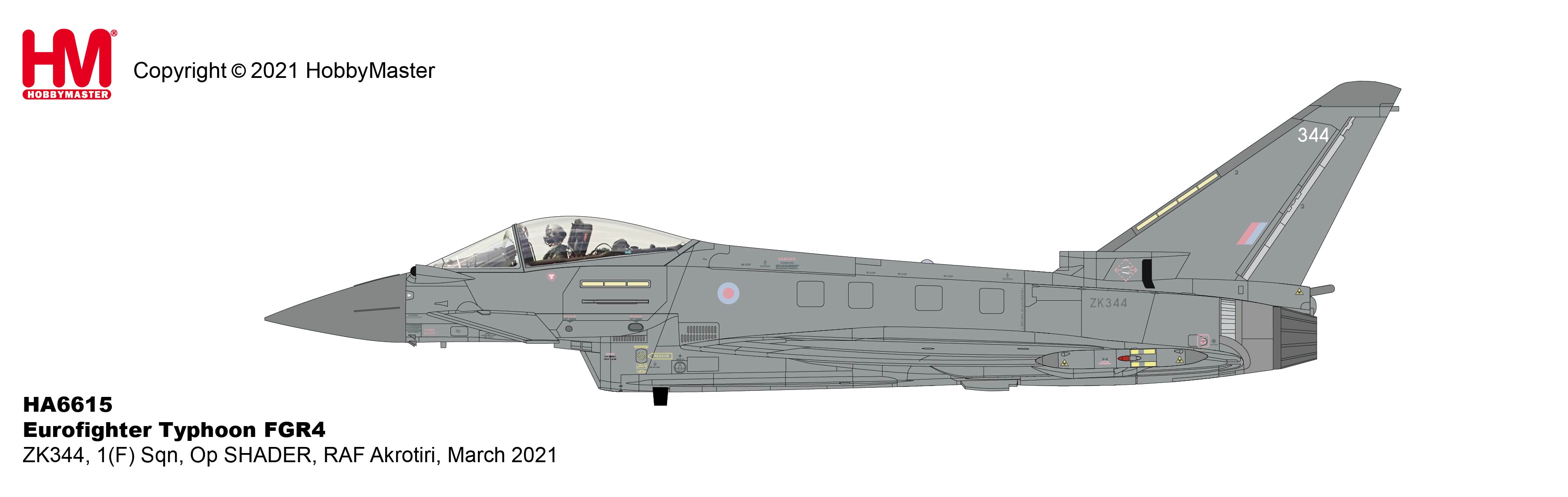
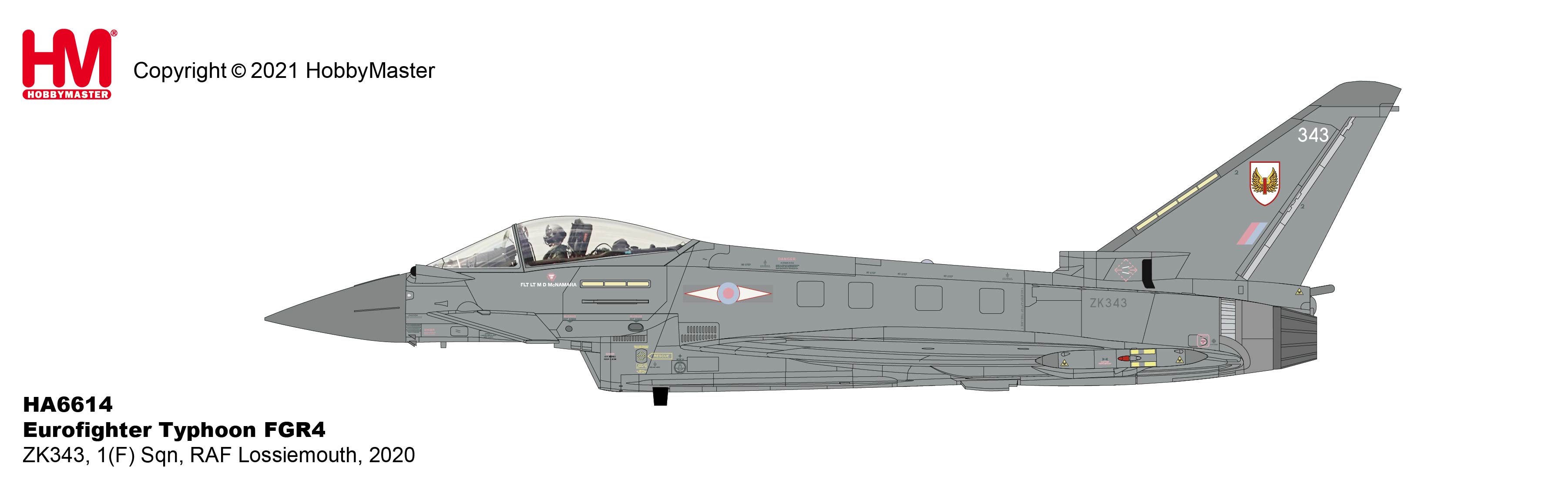
Hobbymaster New Model Announcements.
Check out the latest Hobbymaster models which are now available to pre-order at Flying Tigers today.
Don’t forget NO DEPOSIT necessary with Flying Tigers and if you order with your debit or credit card your payment is not taken until your model is available to dispatch.
Flying Tigers will also consolidate your orders to save on postage costs across all brands !
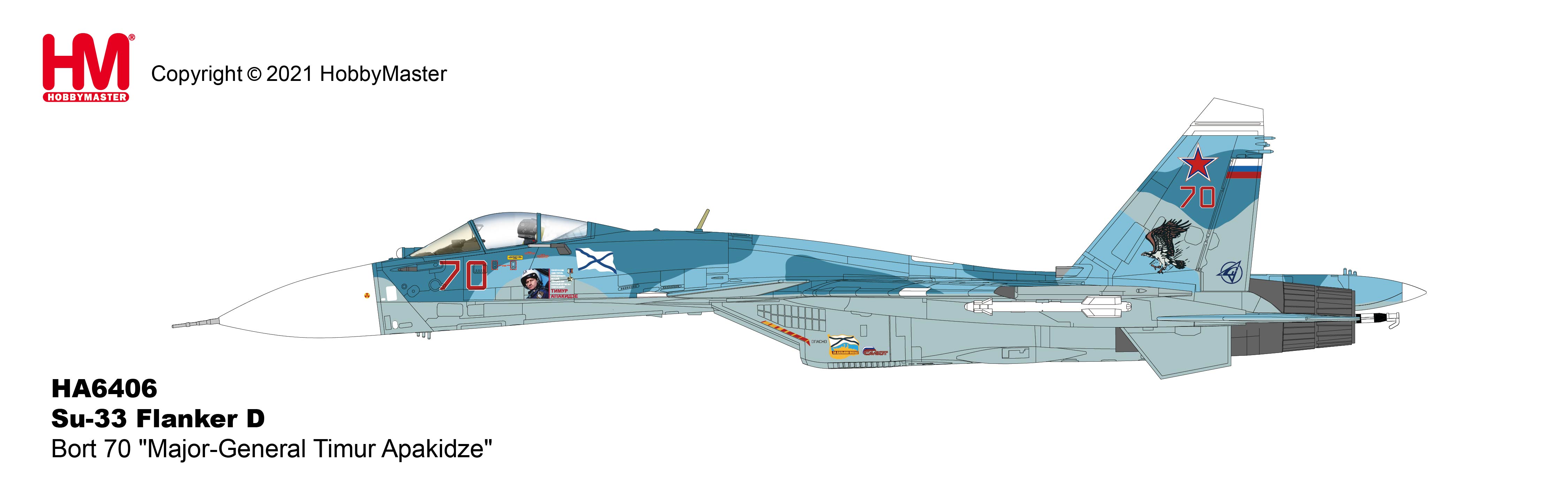
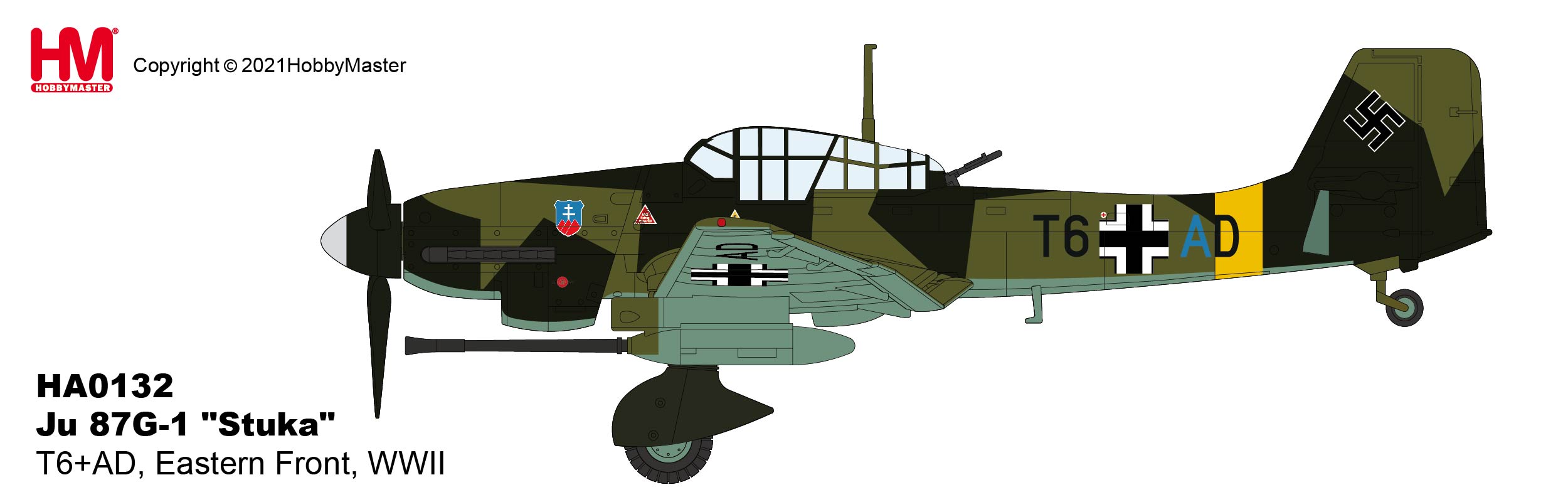
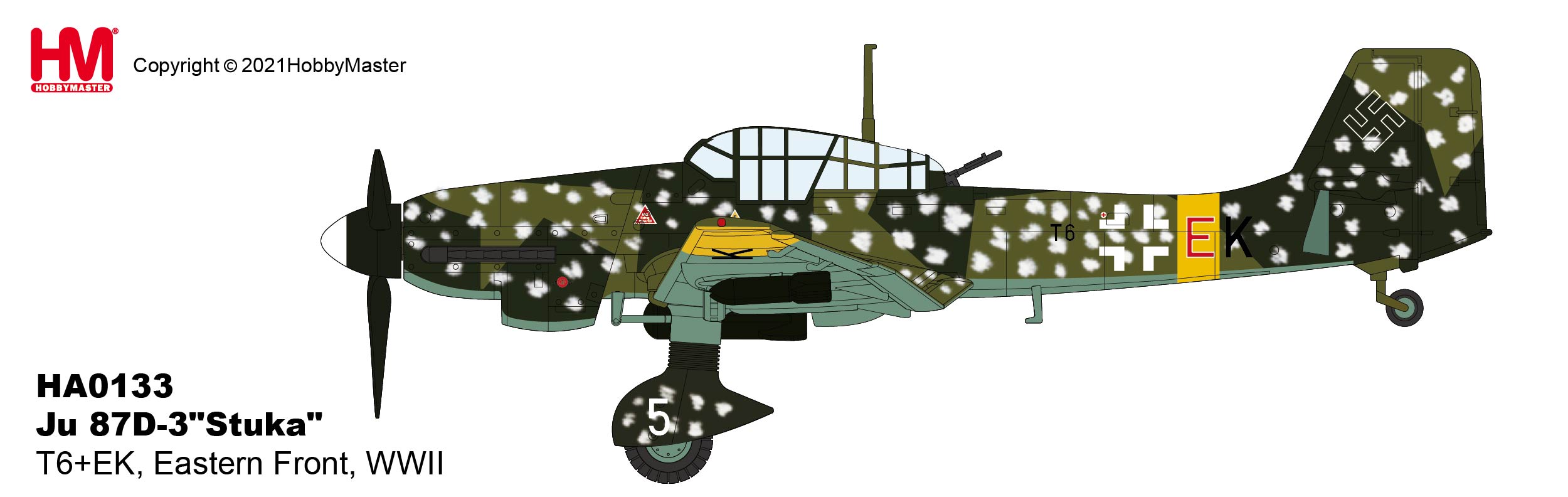
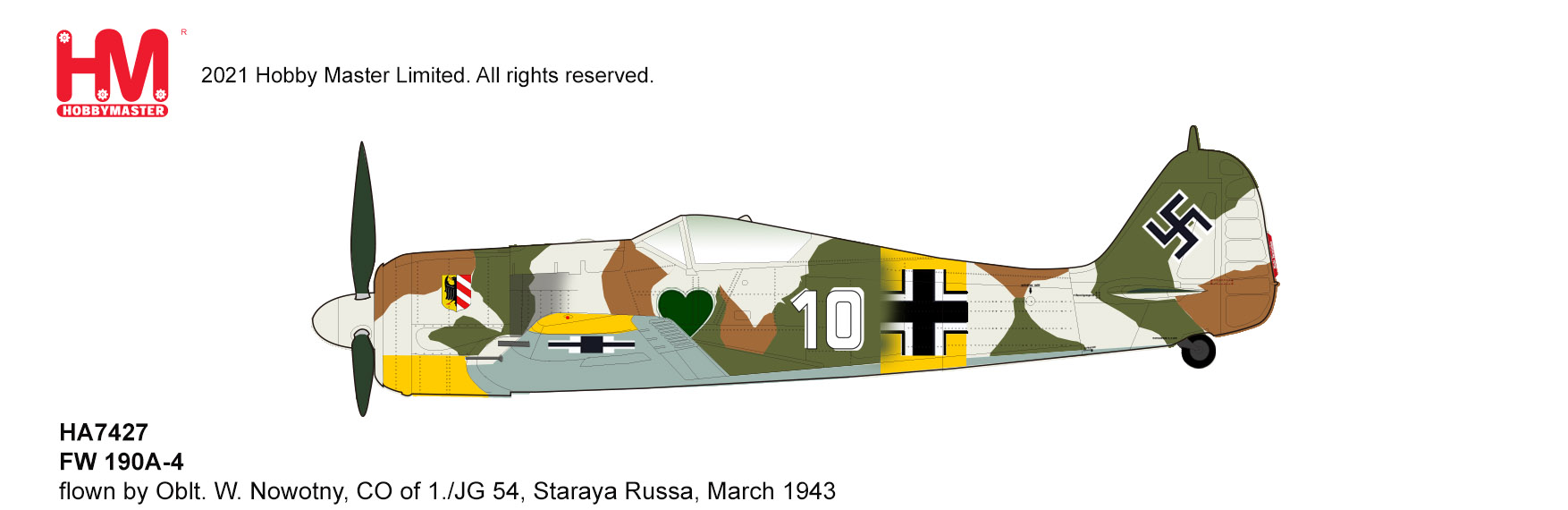
Please click on the images / links below to go to the model of your choice, or CLICK HERE to see them all.
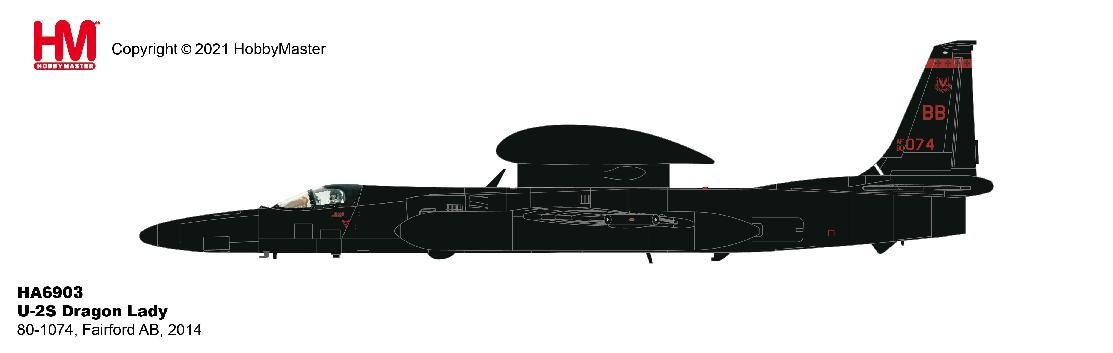
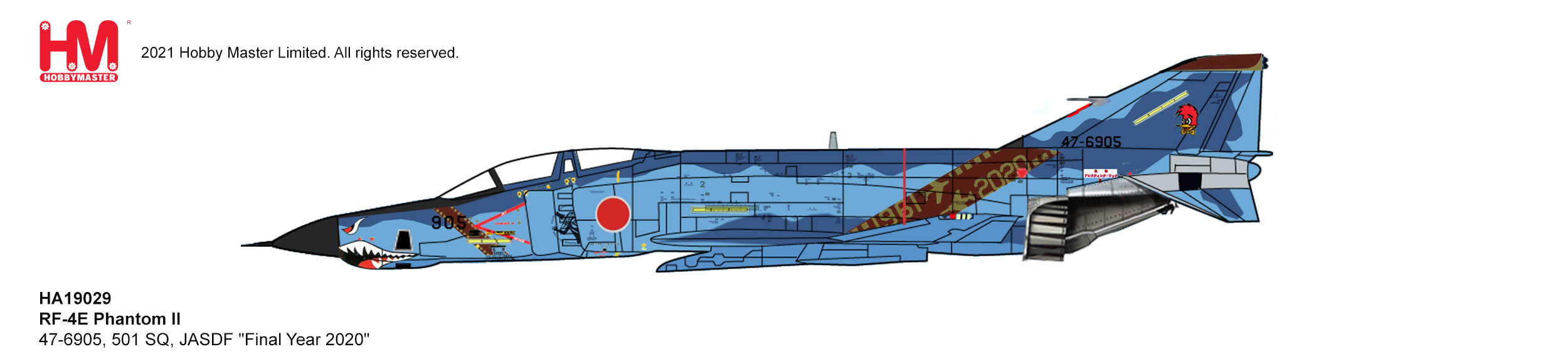
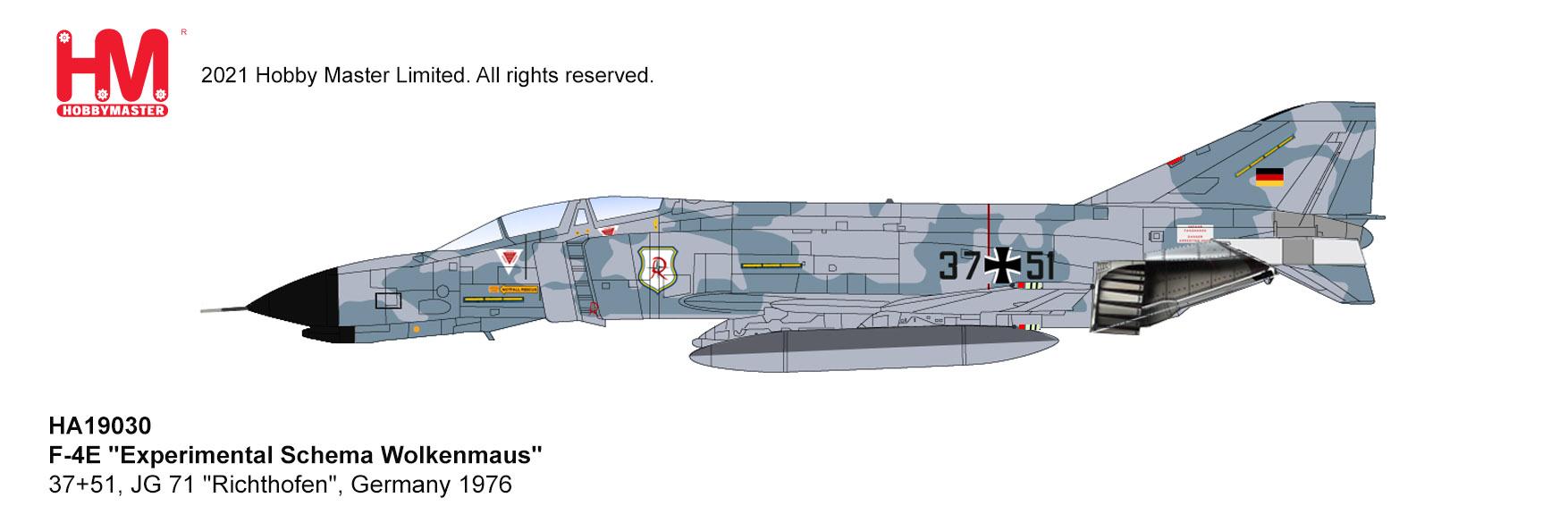
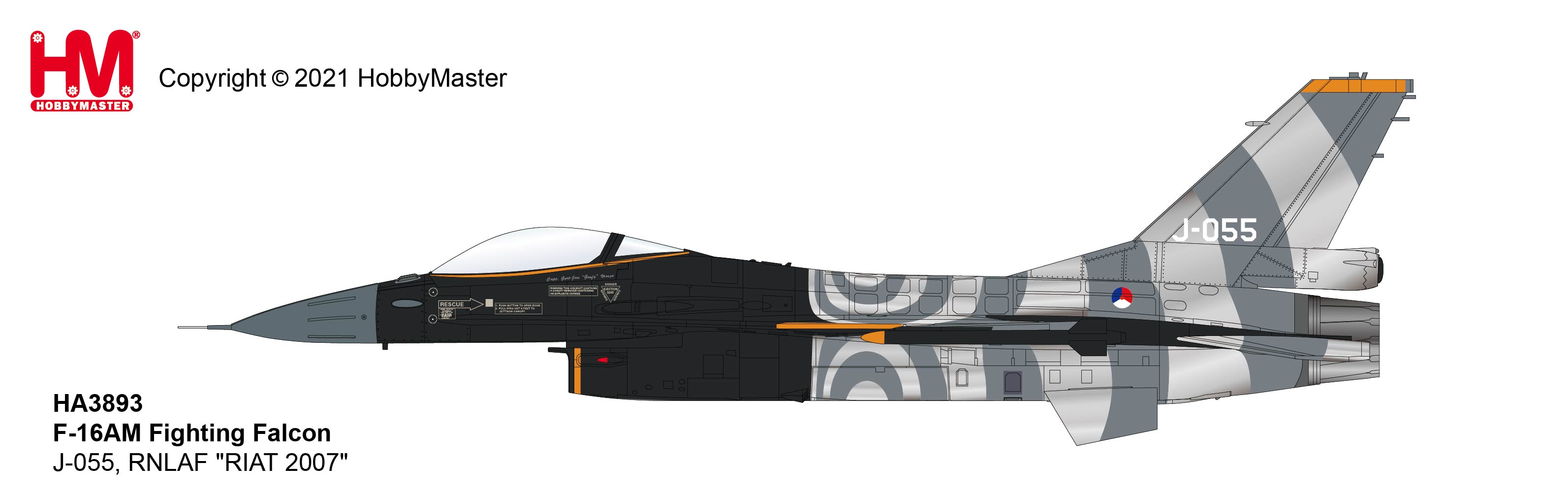
Corgi Aviation Archive models due in the U.K. during August.
The following models are due this month at Flying Tigers. Pre-orders will be dispatched ASAP on arrival. Two of the following models have already sold out at pre-order stage so we are unable to take any more orders. In addition Flying Tigers sent out the following update to customers earlier this week…
“Dear Flying Tigers Customers,
Hornby Hobbies Limited has recently announced a 10% increase in prices to all retailers and across all of their brands which include Corgi Aviation Archive and Airfix model kits.
Hornby has stated that these price increases are due to increased raw material costs and in particular shipping and container costs that now cost 5 times more than the price pre Covid-19 .
Reluctantly, Flying Tigers has been forced to pass on this price increase on all Corgi Aviation Archive models and Airfix kits.
Flying Tigers continues to offer competitive pricing against the new higher recommended retail prices on the website.
Please note these increased prices are also applied to all exisitng pre-orders that have been placed with us.
If you have pre-ordered any Corgi Aviation Archive or Airfix model we will contact you directly regarding these increases.
Flying Tigers.”

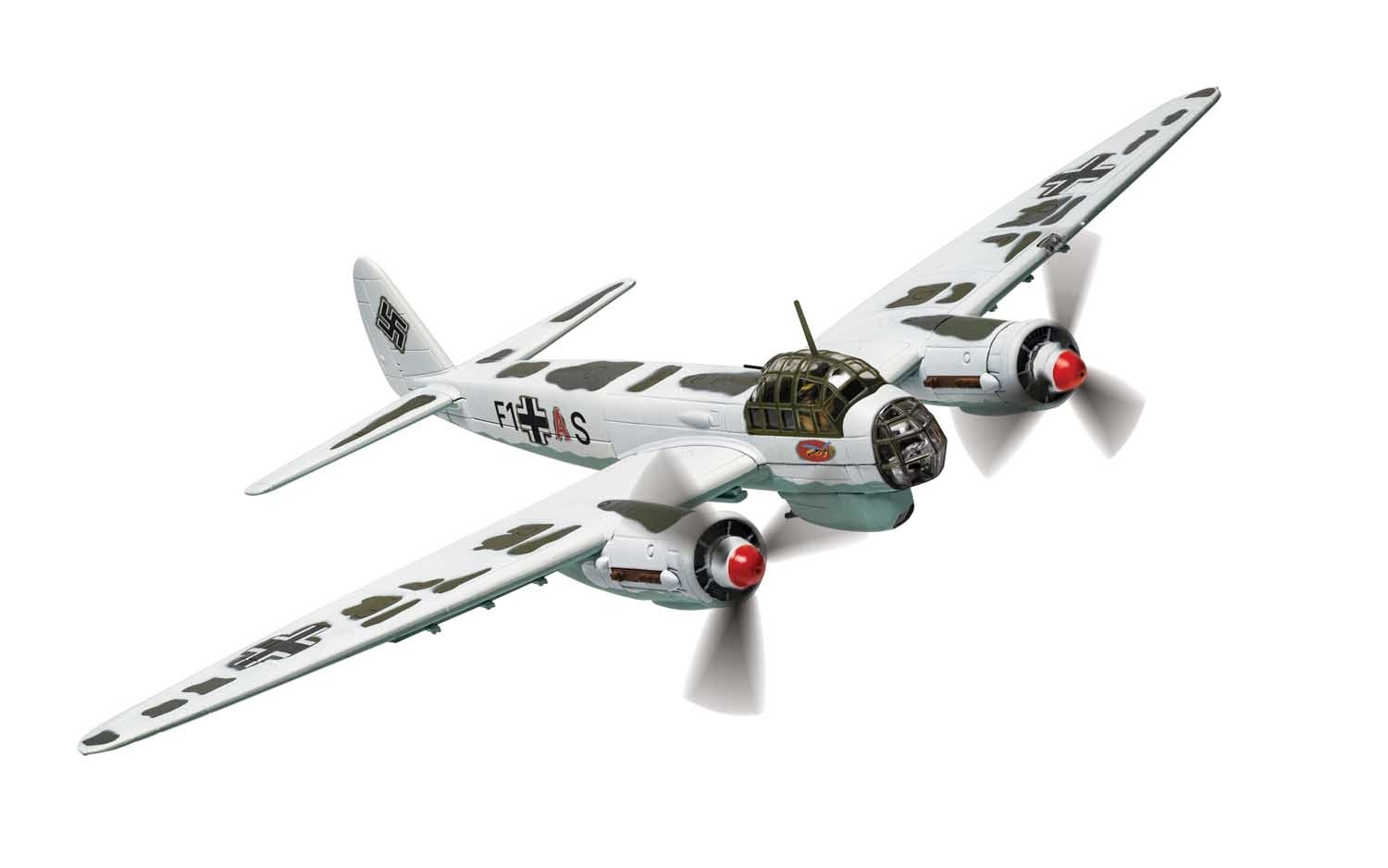

AA32519 Corgi Aviation Archive Junkers Ju87 Stuka Operation Barbarossa ‘Immelmann’, Battle of Moscow, December 1941 RRP £55.00 Flying Tigers only £49.49 Sorry SOLD OUT at pre-order

AA27110 Corgi Aviation Archive 1/72nd scale Messerschmitt Bf 109G-6 Black Double Chevron ‘Mickey Mouse’, Hptm. Horst Carganico, CO II./JG 5, Pskow South Airfield, Soviet Union, Early 1944 Operation Barbarossa RRP £55.00 Flying Tigers only £49.49 Sorry SOLD OUT at pre-order
Thank you for reading this week’s Newsletter.
Richard.
Flying Tigers.