Badger’s Beauty V, a Boeing B-17 Fortress of 350th BS crashlanded in Normandy near Villers, France 4th October 1943. All crew survived
The 100th Air Refueling Wing (100th ARW), nicknamed the Bloody Hundredth, is a United States Air Force unit assigned to the Third Air Force, United States Air Forces in Europe – Air Forces Africa. It is stationed at RAF Mildenhall, Suffolk, United Kingdom. It is also the host wing at RAF Mildenhall.
The 100th ARW is the only permanent U.S. air refueling wing in the European theatre, operating the Boeing KC-135R/T Stratotanker.
During World War II, its predecessor unit, the 100th Bombardment Group (Heavy), was an Eighth Air Force B-17 Flying Fortress unit in England, stationed at RAF Thorpe Abbotts. Flying over 300 combat missions, the group earned two Distinguished Unit Citations (Regensburg, 17th August 1943; Berlin, 4th/6th/8th March 1944). The group suffered tremendous losses in combat, with 177 aircraft missing in action (MIA), flying its last mission on 20th April 1945.
One of the wing’s honors is that it is the only modern USAF operational wing allowed to display on its assigned aircraft the tail code (Square-D) of its World War II predecessor. The 379th Bomb Wing used its Triangle-K tail code until deactivated in 1993, but when reactivated as the 379th Air Expeditionary Wing was assigned a rotating mix of flying squadrons who used their parent unit’s tail code. The Triangle-K is retained as an unofficial unit insignia.
Units
USAFE’s only Boeing KC-135R/T air refueling wing, it is responsible for U.S. aerial refueling operations conducted throughout the European theater. The unit supports some 16,000 personnel, including Third Air Force, four geographically separated units, and 15 associated units.
100th Operations Group (100th OG)
351st Air Refueling Squadron (351st ARS)
100th Operations Support Squadron (100th OSS)
100th Maintenance Group (100th MXG)
100th Aircraft Maintenance Squadron (100th AMXS)
100th Maintenance Squadron (100th MXS)
100th Maintenance Operations Flight (100th MOF)
100th Mission Support Group (100th MSG)
100th Civil Engineer Squadron (100th CES)
100th Communications Squadron (100th CS)
100th Logistics Readiness Squadron (100th LRS)
100th Security Forces Squadron (100th SFS)
100th Force Support Squadron (100th FSS)

A B-17 Flying Fortress of the Eighth Air Force’s 100th Bomb Group flying toward Germany, Feb. 28, 1945. National Archives at College Park (U.S. Air Force Number 59349AC)
History
World War II
On 1st June 1942, the Army Air Forces activated the 100th Bombardment Group (Heavy) (100th BG) and assigned it to III Bomber Command. The group remained unmanned until 27th October 1942, when a cadre for the unit was transferred from the 29th Bombardment Group to Gowen Field, Idaho. Within four days, on 1st November, the cadre moved to Walla Walla Army Air Base, Washington, where it received its first four aircrews and four B-17Fs from the Boeing factory in Seattle. Following this, the 100th BG relocated to Wendover Field, Utah, on 30th November where it added additional personnel, aircraft, and crews, and began bombing, gunnery, and navigation training.
On New Year’s Day, 1943, members of the fledgling group again transferred operations to two bases. The aircraft and aircrews moved to Sioux City Army Air Base, Iowa, while the ground echelon went to Kearney Army Airfield, Nebraska. In both instances, members of the 100th BG assisted in air and ground training for other groups bound for overseas. In mid-April, the aircrew joined the ground echelon at Kearney and received new B-17s. After additional training, the group’s aircrews departed Kearney on 25th May 1943, flying the North Atlantic route to England and into the war in Europe. Prior to the departure of aircraft and aircrews from Kearney, the 100th BG’s ground echelon departed for the East Coast on 2nd May 1943. On 27th May 1943, the ground personnel set sail aboard the RMS Queen Elizabeth bound for Podington, England, from New York. At Podington the ground crews rendezvoused with the air echelon, and together moved to RAF Thorpe Abbotts, Norfolk, where they remained throughout World War II, operating as a strategic bombardment organization.

Boeing B-17G Fortresses of 351st BS
On 25th June 1943, the 100th BG flew its first Eighth Air Force combat mission, bombing the U-boat yards at Bremen – the beginning of the “Bloody Hundredth”‘s legacy. The group focused its bombing attacks against German airfields, industrial plants, and naval facilities in France, Germany, Poland, the Netherlands, Norway, Romania, and Ukraine. The group inherited the “Bloody Hundredth” nickname from other bomb groups due to severe losses it took on several missions during summer and fall 1943. During one such raid on Münster on 10th October 1943, eighteen 100th BG aircraft were sent, of which five aborted and turned back before reaching the target. Twelve of the thirteen aircraft that reached Münster were shot down; the only surviving 100th BG B-17 to reach Münster and return was the Royal Flush (B-17F-45-VE 42-6087) commanded for this mission by Robert Rosenthal; it returned to base seriously damaged and with several crewmen wounded. Only four of the original thirty-eight co-pilots assigned to the group completed their assigned twenty-five mission tour.
In August 1943, the group received its first Distinguished Unit Citation (DUC) after attacking the German aircraft factory at Regensburg (it was one of seven bomb groups of the 3rd Bombardment Wing attacking the city) on 17th August 1943, resulting in serious disruption to German fighter production. From January–May 1944, the 100th BG regularly bombed airfields, industries, marshaling yards, and V-weapon sites in Western Europe. In February 1944, the group participated in Operation Argument (“Big Week”), the Allied attempt to force a decisive battle with the Luftwaffe and gain air superiority over Western Europe before the invasion of France. In March 1944, the 100th BG completed a succession of attacks on Berlin and received its second DUC of the war.
While bombing during the Oil Campaign of World War II as the summer of 1944 approached, the group also conducted interdictory missions, such as the June bombing of bridges and gun positions in support of the Invasion of Normandy. The next month saw aircrews bomb enemy positions at Saint-Lô, followed by similar attacks at Brest in August and September. In October 1944, the 100th BG attacked enemy defenses in the Allied drive on the Siegfried Line, then bombed marshaling yards, German occupied villages, and communication targets in the Ardennes during the Battle of the Bulge from December 1944 to January 1945. For its extraordinary efforts in attacking heavily defended German installations in Germany and dropping supplies to the French Forces of the Interior from June through December 1944, the 100th BG received the French Croix de Guerre with Palm.
The 100th BG flew its last combat mission of World War II on 20th April 1945. The following month the unit’s aircrews dropped food to the people in the west of the Netherlands, and in June transported French Allied former prisoners of war from Austria to France. In December 1945, the group returned to the U.S., where it inactivated at Camp Kilmer, New Jersey, on 21st December 1945.

A Boeing B-17G “Flying Fortress” of the 100th Bomb Group. The units early designator was a white square with a black or blue capital “D”. The Marking was also carried on the right wing. Later version on silver finished aircraft included a black square with a white “D”. (American Air Museum in Britain)
Cold War
On 29th May 1947, Headquarters Army Air Forces reactivated the 100th BG at Miami Army Air Field. From the time of its activation, the group trained and operated as a reserve B-29 Superfortress unit being attached to the 49th Bombardment Wing (Later Air Division). It is not clear whether or not the unit was fully manned or equipped. It was inactivated on 27th June 1949 due to budget reductions.
100th Bombardment Wing
The 100th Bombardment Wing, Medium was established on 23rd March 1953 as part of Strategic Air Command, but the wing was not activated until 1st January 1956. The delay was due to construction at the unit’s programmed base, Portsmouth Air Force Base (later renamed Pease AFB), New Hampshire. Construction was completed in late 1955 and, when activated, the 100th BW was assigned to the Eighth Air Force 817th Air Division.
The 100th Bomb Wing was assigned the new B-47E Stratojet swept-wing medium bombers in 1954, capable of flying at high subsonic speeds and primarily designed for penetrating the airspace of the Soviet Union. The 100th Bomb Wing operated from Pease AFB for ten years. In official parlance, the establishment “…performed global strategic bombardment training and air refueling missions.” One of the most significant overseas temporary duty assignments took place during the first four months of 1958, when the 100th participated in the last full wing B-47 deployment. During this time, the B-47s from New Hampshire operated from RAF Brize Norton, in the United Kingdom. Subsequently, overseas deployments involved the simultaneous participation of several bomb wings engaging in global strategic bombardment training and global air refueling with the Stratojet.

3 Aircraft formation of B-47Es of the 306th Bombardment Wing. Boeing B-47E-95-BW Stratojet 52-545 identifiable. That aircraft was retired to MASDC on 19th November 1965.
In the early 1960s, the B-47 was considered to be reaching obsolescence and was being phased out of SAC’s strategic arsenal. In October 1965, the Air Force initiated Project Fast Fly to oversee the inactivation of the last five B-47 wings and supporting tanker squadrons. The 100th ARS retired its last tanker on 21st December 1965, when aircraft 53-0282 flew to the Military Aircraft Storage and Disposition Center at Davis-Monthan AFB, Arizona. The following day, the 100th ARS inactivated. The 100th BW retained its ground alert commitment at Pease until 31st December 1965 and inactivated on 25th June 1966.
100th Strategic Reconnaissance Wing
Headquarters SAC received authority from Headquarters USAF to discontinue its Major Command controlled (MAJCOM) wings that were equipped with combat aircraft and to activate Air Force controlled (AFCON) units, most of which were inactive at the time, which could carry a lineage and history. On 11th February 1966, the 100th Strategic Reconnaissance Wing assumed the mission, equipment and personnel of the 4080th Strategic Reconnaissance Wing. The 349th Strategic Reconnaissance Squadron (SRS) took over the Lockheed U-2 aircraft of the 4028th SRS and the 350th Strategic Reconnaissance Squadron took over the Ryan BQM-34 Firebee reconnaissance drones and Lockheed DC-130 launch aircraft of the 4025th SRS. The 4080th was a SAC MAJCOM wing, and its lineage terminated when it was discontinued and could not be continued by reactivation at a later date. The 100th SRW was now at Davis-Monthan AFB in Tucson, Arizona.
After its reactivation, the 100th SRW performed strategic reconnaissance with the Lockheed U-2 and drone aircraft. On 11th July 1970, the force was moved from Bien Hoa to U-Tapao RTNAF (OL-RU) and then turned to (OL-UA in Nov. 1970) Thailand. Then after the move, in November 1972 they re-activated the 99th Strategic Reconnaissance Squadron. In January 1973, the U-2s of the 99th SRS flew more than 500 combat hours. That was the first time any U-2 unit flew 500 hours in a single month. That was topped in December 1974 when they logged more than 600 hours. The 99th SRS deployed to forward operating locations as needed, earning the P.T. Cullen Award as the reconnaissance unit that contributed most to the photo and signal intelligence efforts of SAC in 1972. The U-2s were one of the last units to be pulled out of Thailand in March 1976,
With the end of United States combat operations in Southeast Asia in mid-1973, the Air Force formally transferred nuclear air sampling operations to the 100th SRW, and the 349th SRS converted its U-2s to the U-2R configuration for atmospheric sampling missions, replacing the WB-57s which it inherited from the 4028th SRS. The air sampling mission would be moved to Osan AB, South Korea, although the deployment of U-2Rs to Osan could not take place until overflight and basing arrangements were concluded with the governments of Japan and the Republic of Korea and hangar facilities made ready at Osan. Not until the Communist Chinese had actually exploded their sixteenth nuclear device on 17th June 1974, could Headquarters USAF announce that all negotiations were concluded. At the same time, it directed Headquarters SAC to deploy the 349th SRS “OLYMPIC RACE” assets to Osan and begin collecting from that location on 18th June 1974. The sampling mission continued at Osan, and the U-2s in South Korea became the 100th SRW OL-A.
In addition to the Drone and Air Sampling missions, the 100th SRW performed worldwide surveillance missions like the monitoring of the ceasefire between the Israelis and the Egyptians following the 1973 Yom Kippur War. This operation was operated from RAF Akrotiri, Cyprus and was named operation OLIVE HARVEST – Operating Location OL-OH.
A detachment also operated from McCoy AFB, Florida until that installation’s closure in 1975, followed by a move to nearby Patrick AFB, Florida, designated Operating Location LF. These U-2s engaged in OLYMPIC FIRE missions over Cuba, which were coordinated with the Joint Air Reconnaissance Control Center at NAS Key West, Florida.
100th Air Refueling Wing
In 1976, due to budget reductions, SAC consolidated its Strategic Reconnaissance assets. The 99th Strategic Reconnaissance Squadron and its U-2s were returned from U-Tapao and assigned to the 9th Strategic Reconnaissance Wing (9 SRW) on 1st July 1976. The 9th SRW already controlled the 1st Strategic Reconnaissance Squadron, which operated the SR-71 Blackbird. This brought all the U-2 and SR-71 assets of SAC under one wing at Beale AFB, California, with the RC-135 assets assigned to the 6th Strategic Wing|6th Air Refueling Wing at Eilson Air Force Base or the 55th Wing at Offut Air Force Base (which also operated the LOOKING GLASS platforms and EC-130 aircraft).The SAC 544th Strategic Intellience Wing 544th Intelligence Wing at Bolling Air Force Base provided analysis support for intelligence collected by the flying wings. The Air Force continued to have non-SAC Strategic Reconnaissance assets in the form of satellite and radar systems operated by Aerospace Defense Command, which were later transferred to SAC in 1979, the National Reconnaissance Office, and the Space and Missiles Systems Organization|Space Systems Command in Air Force Systems Command. Cryptographic and communications intelligence operations were the domain of the Air Force Security Service|Air Force Intelligence, Surveillance and Reconnaissance Agency.
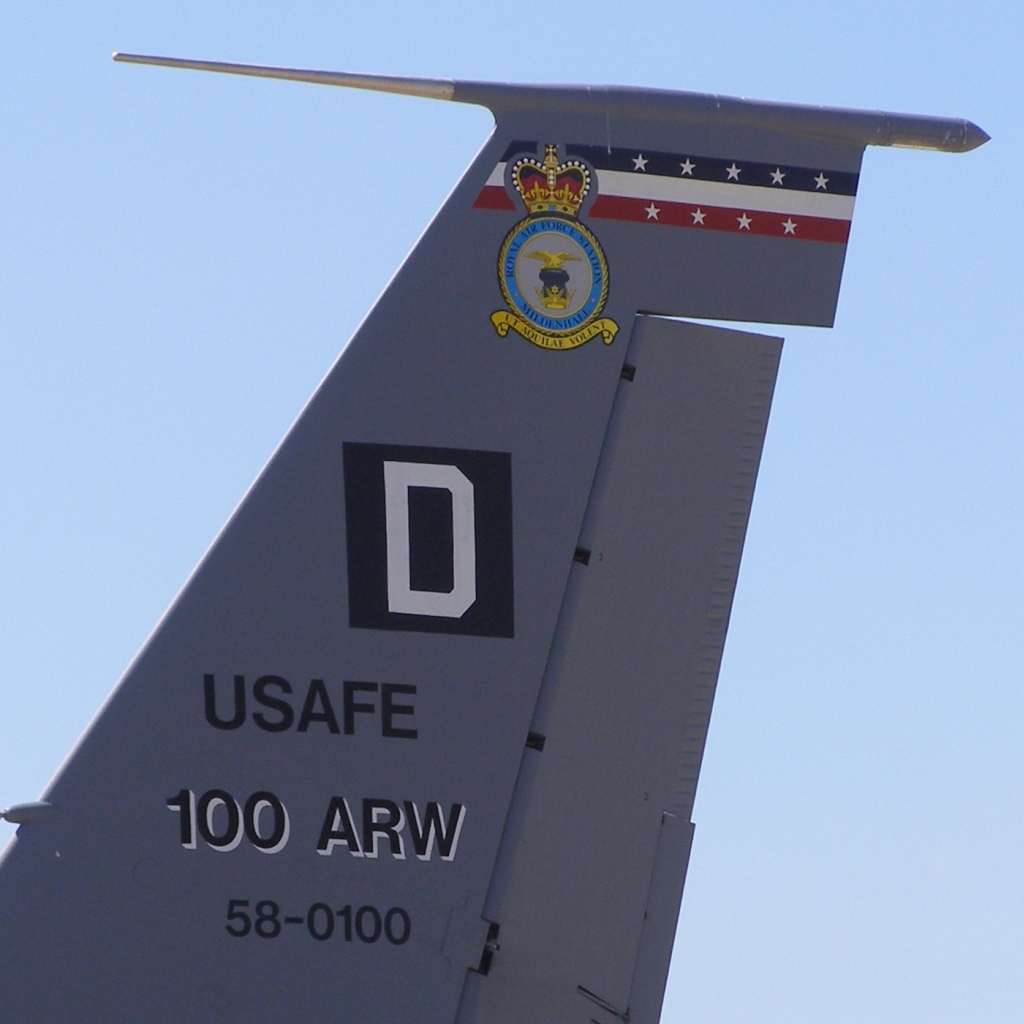
Tail of a 100 ARW Boeing KC-135R-BN Stratotanker displaying the crest of RAF Mildenhall and the historic “Square D” badge as used by the unit on B-17 aircraft during World War II
The U-2Rs of the 349th SRS and the AQM-34 Firebee/DC-130 Hercules drone operations of the 350th SRS were discontinued, with the squadrons becoming KC-135 tanker squadrons of the 100th Air Refueling Wing in support of the 9th SRS SR-71 Blackbird. The U-2Rs in South Korea became the 9th Strategic Reconnaissance Wing Detachment 2. The AQM-34s, associated DC-130 Hercules launch aircraft and CH-3 Jolly Green Giant recovery helicopters were reassigned to the Tactical Air Command’s 22d Tactical Drone Squadron and remained at Davis-Monthan AFB.
With the redesignation, the 100th and its 349th and 350th Air Refueling Squadrons were moved administratively to Beale, taking over the assets of the 17th Bombardment Wing which was inactivated. The 349th and 350th assumed the KC-135s of the 903d and 922d Air Refueling Squadrons. With the re-designation, the 100th ARW assumed responsibility for providing worldwide air refueling support for the 9th SRW’s SR-71s and U-2s on 30th September 1976
The 100th ARW was inactivated on 15th March 1983 when its two KC-135 squadrons were reassigned to the host 9th Strategic Reconnaissance Wing at Beale, which became a composite wing under the one-base, one-wing concept.
Post-Cold War
After an inactive status for over seven years, SAC again reactivated the 100th, but this time as the 100th Air Division at Whiteman AFB, Missouri, on 1st July 1990, an intermediate command echelon of Strategic Air Command. It assumed host unit responsibilities at Whiteman. In addition, the division controlled the 509th Bombardment Wing, a former FB-111 unit that had relocated from the former Pease Air Force Base (now Pease Air National Guard Base) due to Base Realignment and Closure (BRAC) Commission action and which was not operational while waiting for production B-2 Spirit stealth bombers to arrive and appropriate facilities for the B-2s to be constructed. It also controlled the 351st Missile Wing, an LGM-30F Minuteman II ICBM wing at Whiteman.
Air Force reorganization in 1991 put the 351st MW under the reactivated Twentieth Air Force on 29th March 1991, and the 509th Bomb Wing took over host duties at Whiteman. As a result, SAC inactivated the 100th AD again on 1st August 1991.
Air Refueling in Europe
Six months after its inactivation as an Air Division, and over 46 years after departing England at the end of World War II, the Air Force activated the 100th ARW, stationed at RAF Mildenhall, United Kingdom, on 1st February 1992. It was assigned to Strategic Air Command, Fifteenth Air Force, 14th Air Division. It was then reassigned to Third Air Force on 1st February 1992. Becoming the host wing at RAF Mildenhall, the 100th ARW took over the management of the European Tanker Task Force (ETTF).

A pair of 100th ARW KC-135Rs at RAF Mildenhall, 2019.
On 31st March 1992, the 351st Air Refueling Squadron was activated and assigned to the 100th Operations Group. The 100th received its first aircraft when KC-135R 58-0100 arrived from Loring Air Force Base, Maine, in May 1992. The wing reached full strength by September 1992, when its ninth KC-135R was delivered.
The ETTF was ended on 28th November 1998, seeing the number of KC-135R/Ts assigned to the Bloody Hundredth increased to 15 tankers.
Since its reactivation in 1992, the 100th ARW has served as United States Air Forces Europe’s lone air refueling wing.
As of 2024, there is only one surviving original WW2 member of the group still living, Major(Ret.) John “Lucky” Luckadoo.
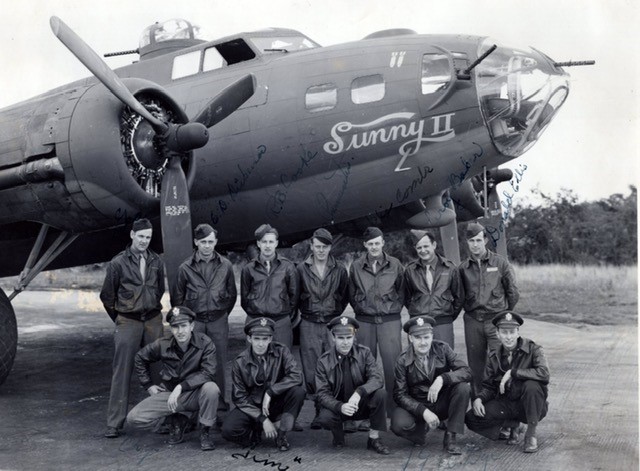
Sunny II, B-17F-120-BO, 42-30796, EP-K / EP-J
Eduard 1/48th scale model kit The Bloody Hundredth 1943, Boeing B-17F Flying Fortress.
Check out the Eduard 1/48th scale model kit The Bloody Hundredth 1943, Boeing B-17F Flying Fortress available to pre- order from Flying Tigers.
A LIMITED EDITION 1/48th scale B-17F bomber kit focusing on the legendary unit nicknamed “The Bloody Hundredth.” To achieve this, Eduard are working with HKM to develop a new injection mold that will enable them to create nose variants not previously available in the kit. This enhancement will allow them to include these markings of the legendary machines that served with the unit in 1943:
Rosie’s Riveters, B-17F-120-BO, 42-30758, LD-W
Piccadilly Lily, B-17F-30-VE, 42-5864, EP-A
Hard Luck!, B-17F-55-DL, 42-3413, LN-V
Sunny II, B-17F-120-BO, 42-30796, EP-K / EP-J
Alice from Dallas, B-17F-30-VE, 42-5867, LN-O
Skipper, B-17F-45-DL, 42-3307, EP-N
Horny, B-17F-40-VE, 42-5957, XR-D
The kit will come complete with masks, photo-etched parts, and brassin parts, as well as a poster by artist Piotr Forkasiewicz.
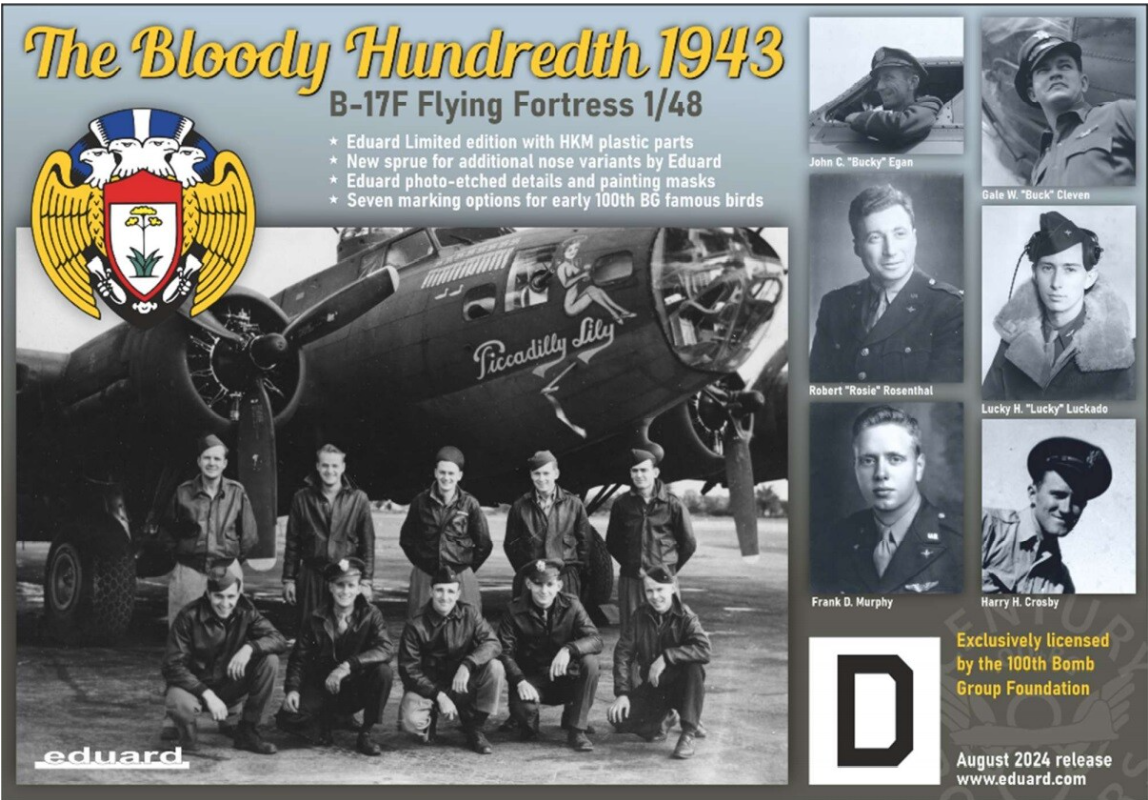
Kit Contents:
B-17F 1/48 kit from HK Models
Additional sprue of transparent parts for two additional nose types of later B-17F versions than those included in the original HKM kit
7 versions of the colour scheme of three squadrons of the 100th Bomb Group, 8th USAAF.
Photo-etched parts, masks, and resin parts from Eduard production.
Reproduction of a painting by painter/artist Piotr Forkasiewicz.
This kit is being prepared in cooperation with the 100th Bomb Group Foundation.
Simply click on the image/ link above to go straight to the model page to order your now.
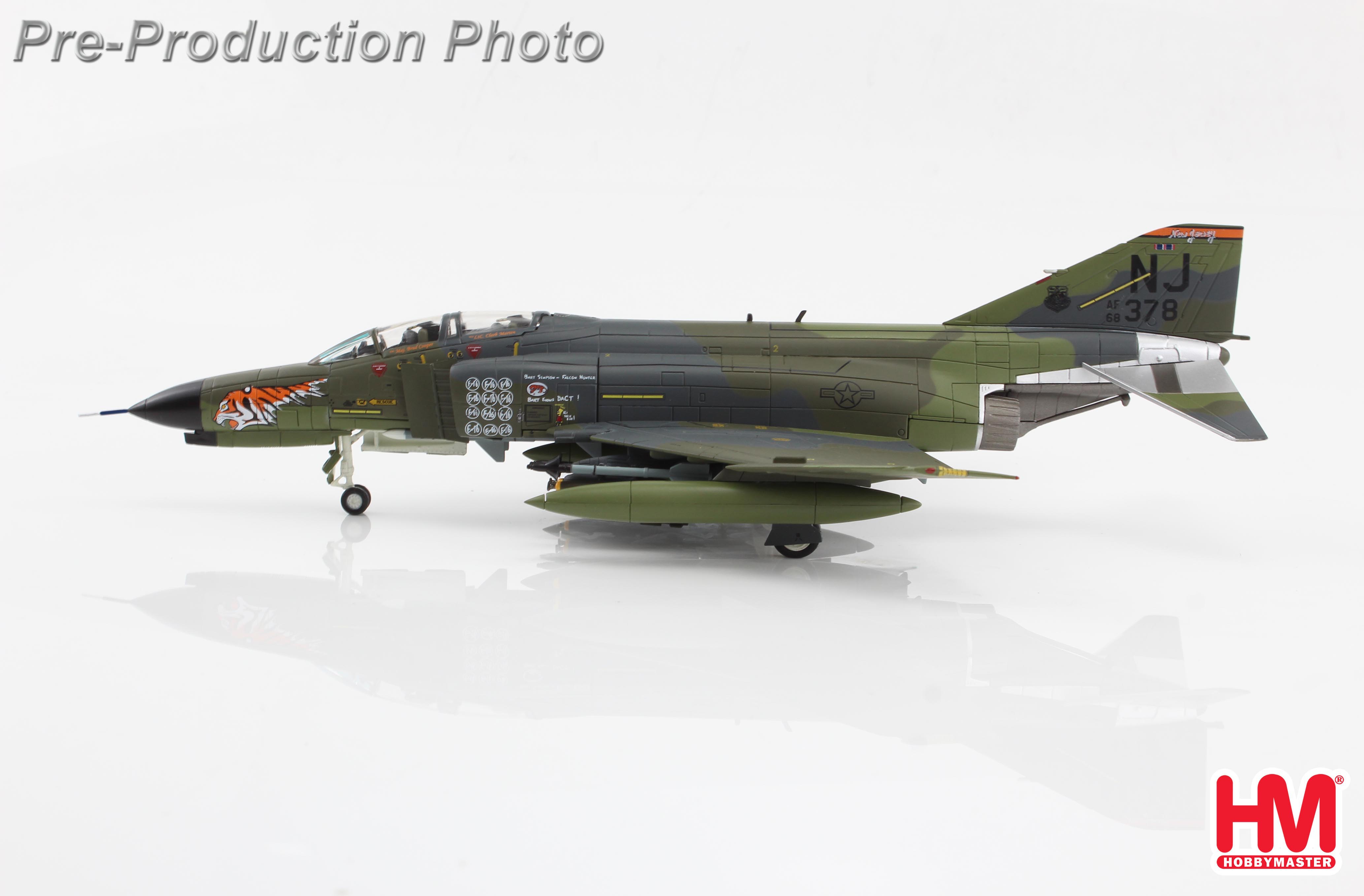
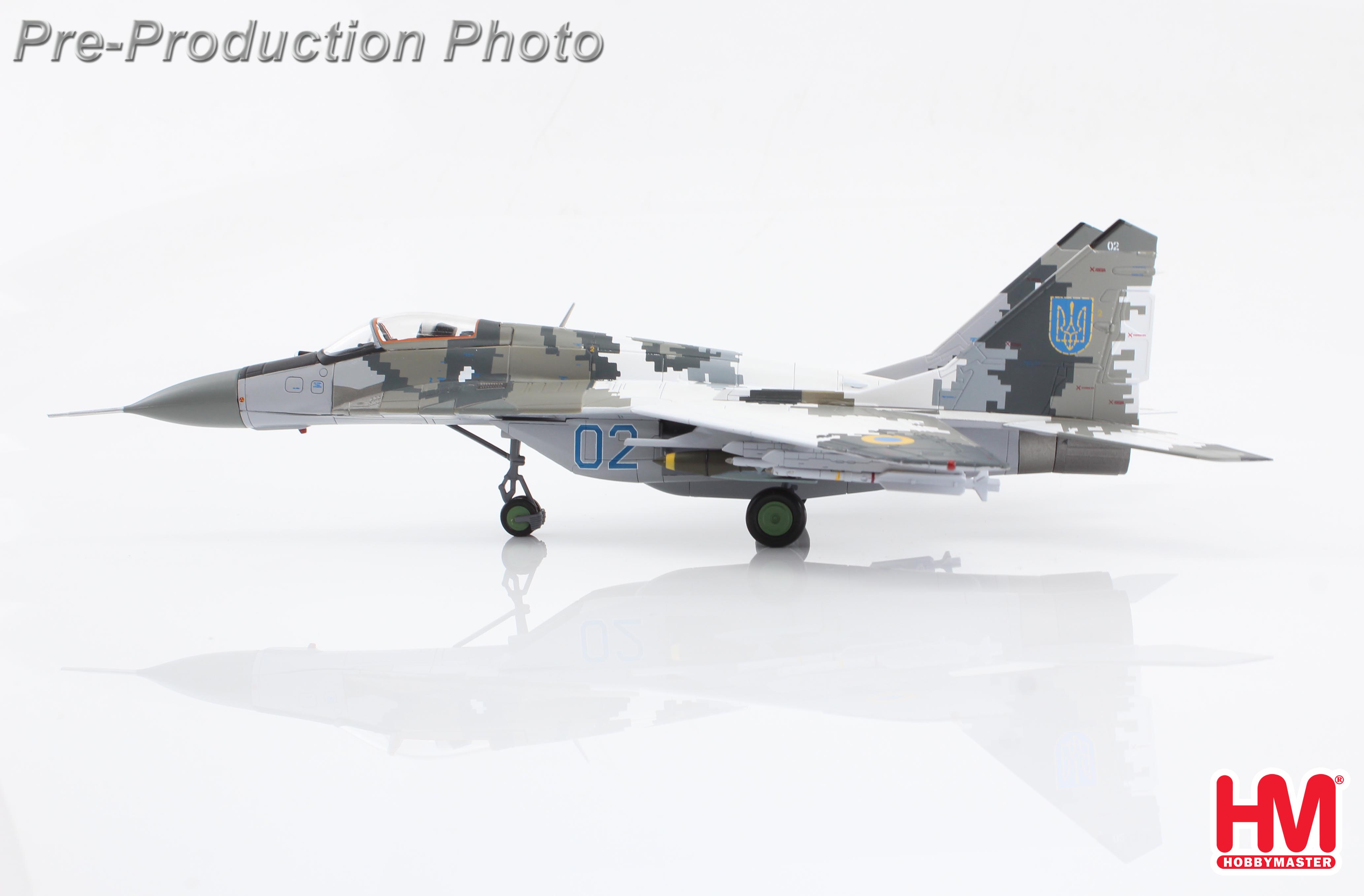
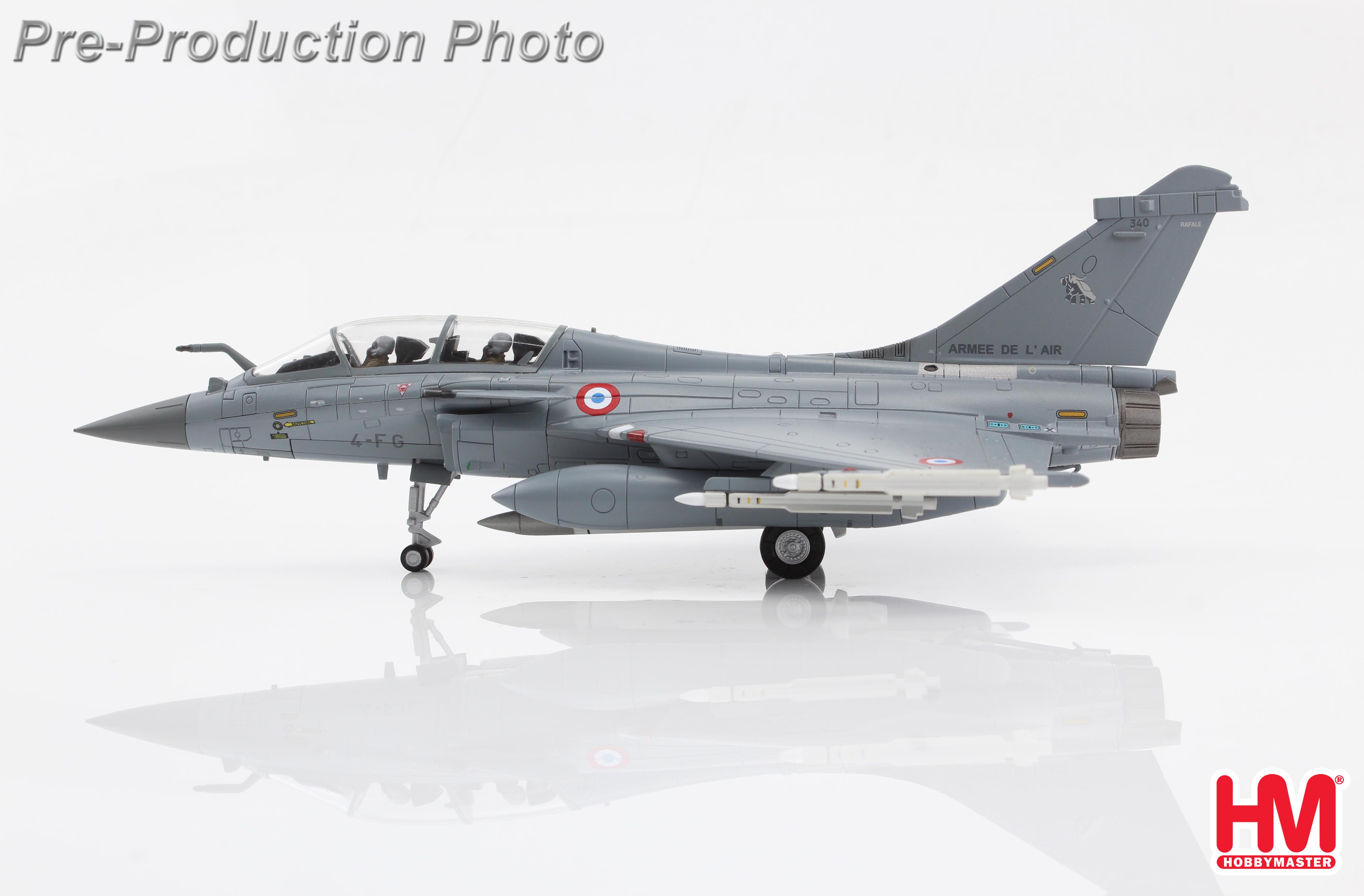
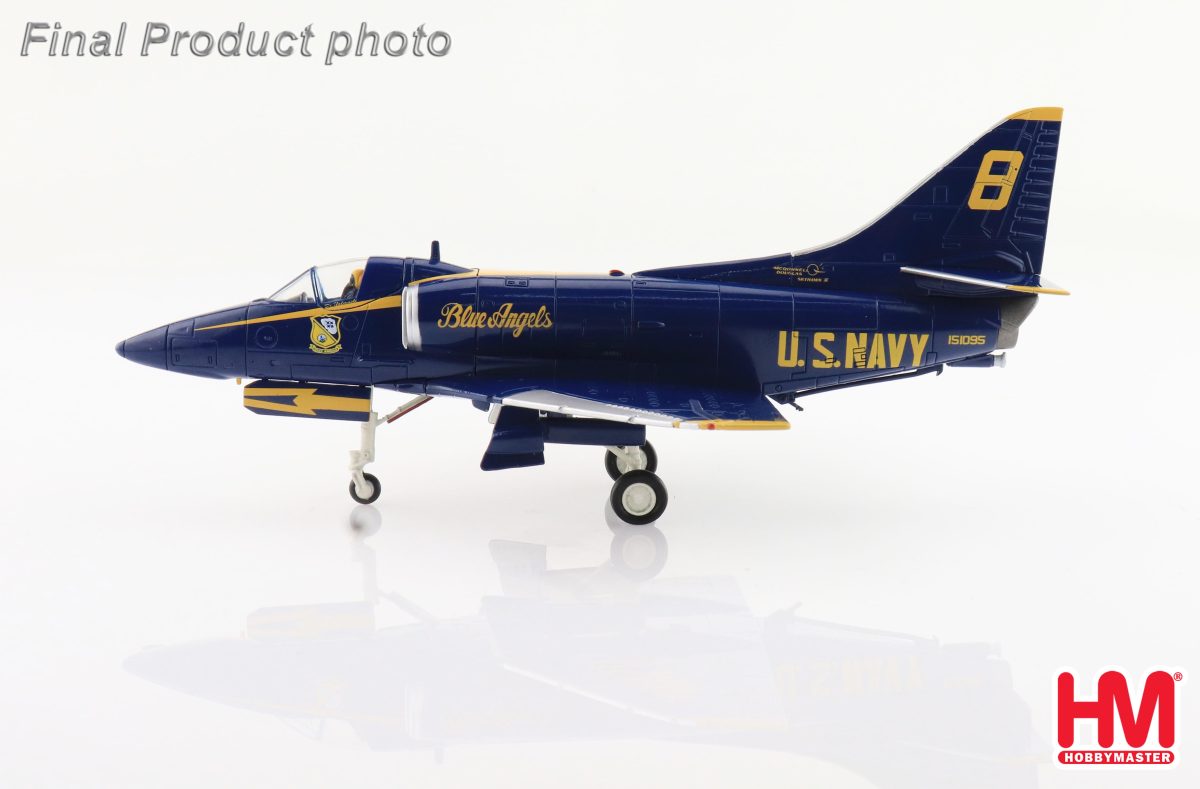
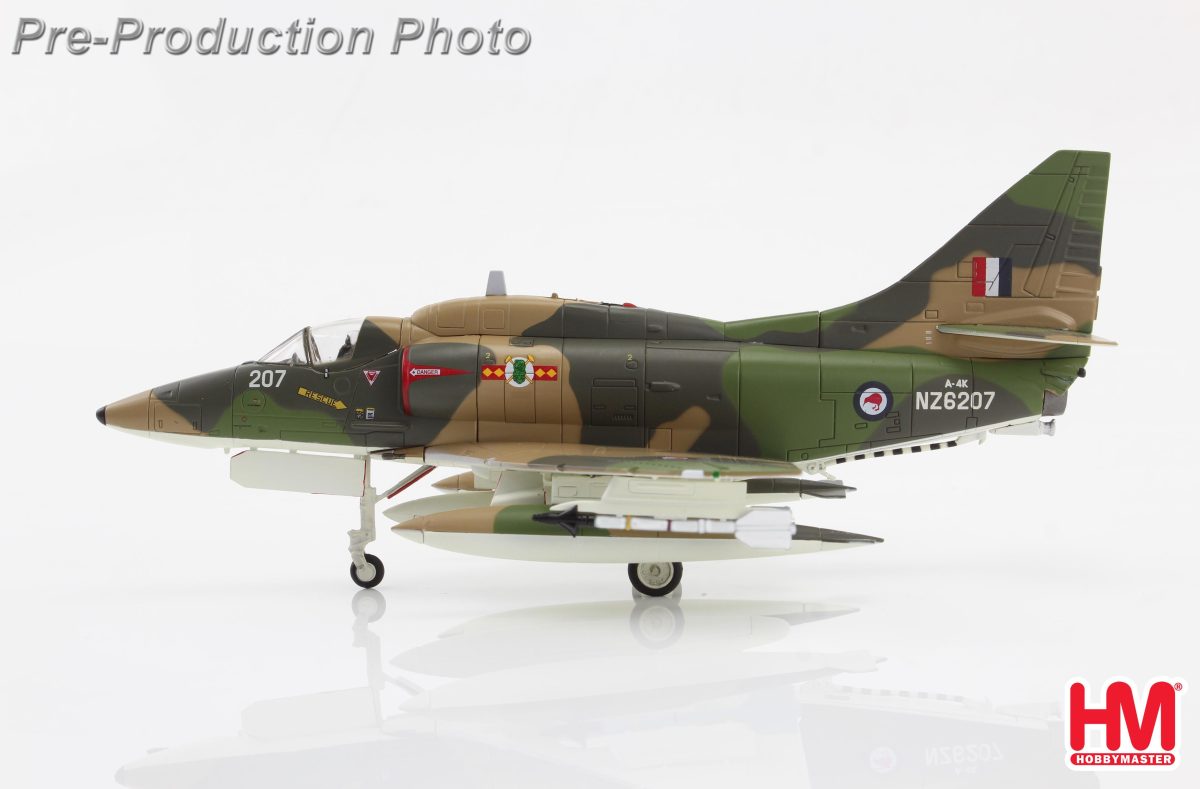
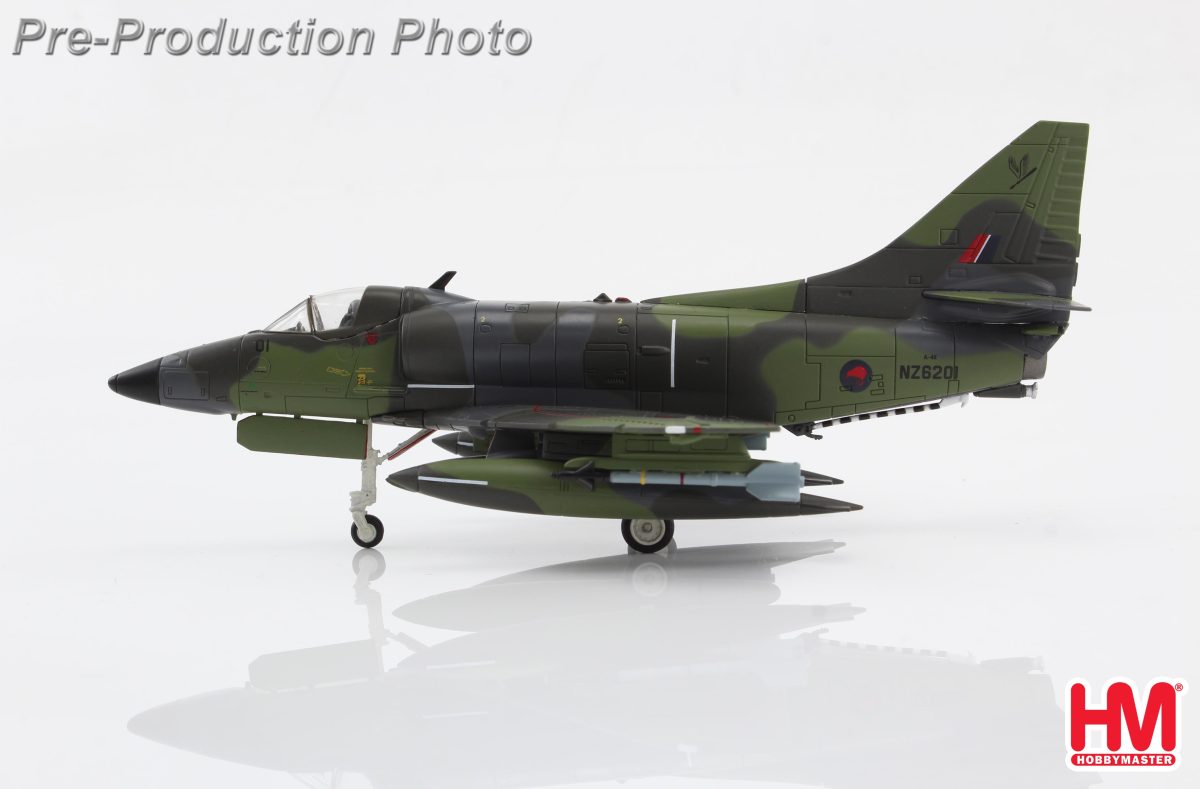
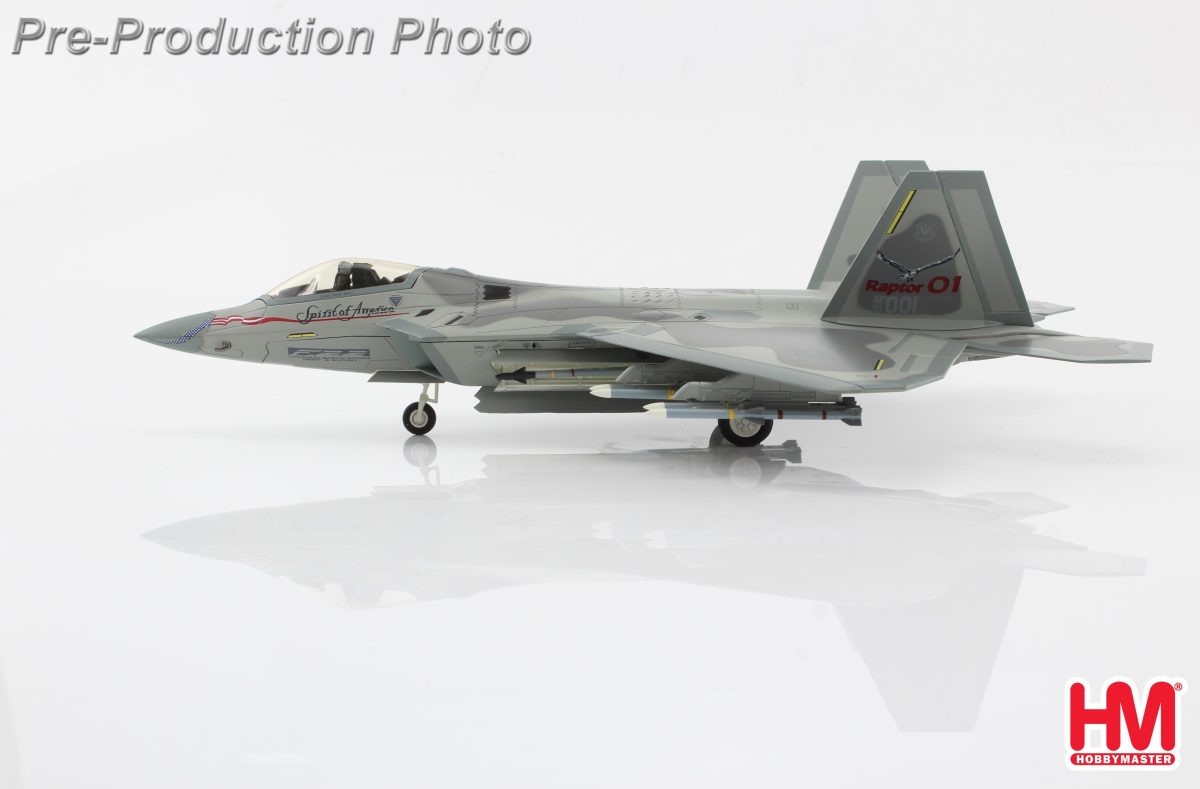
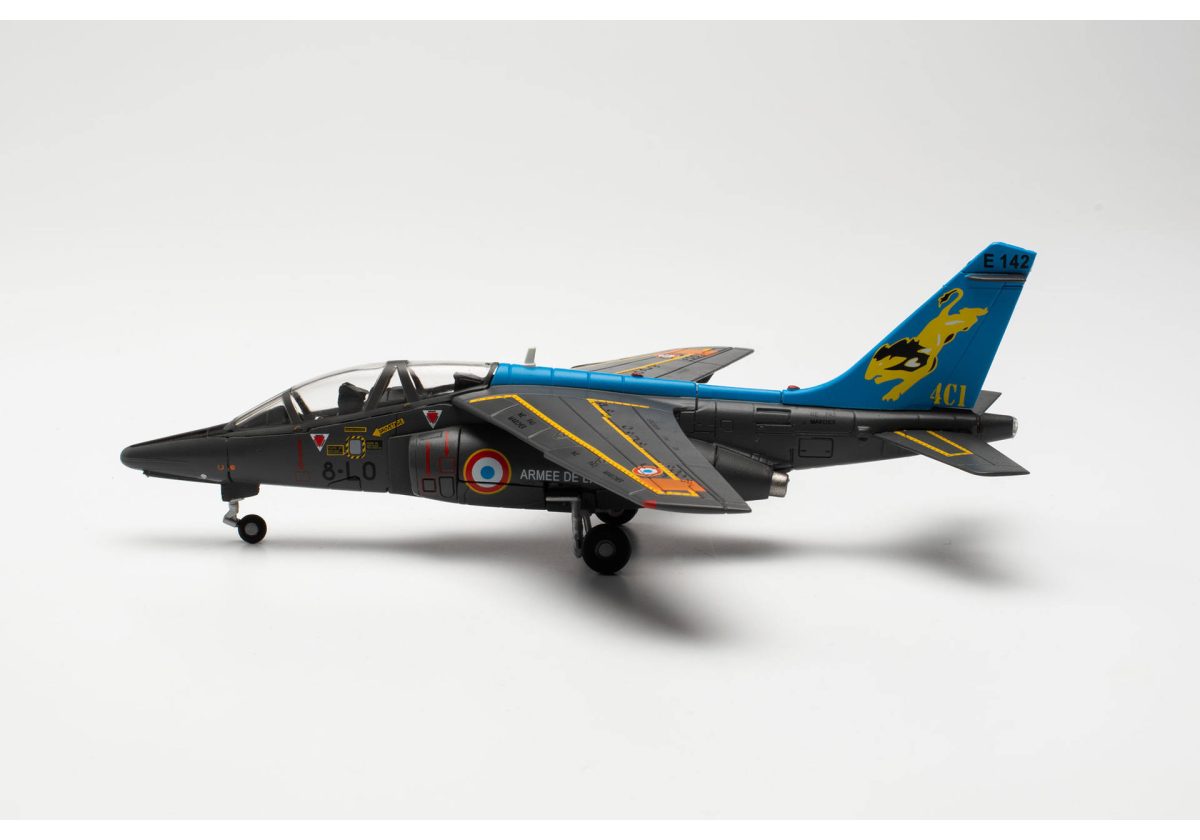
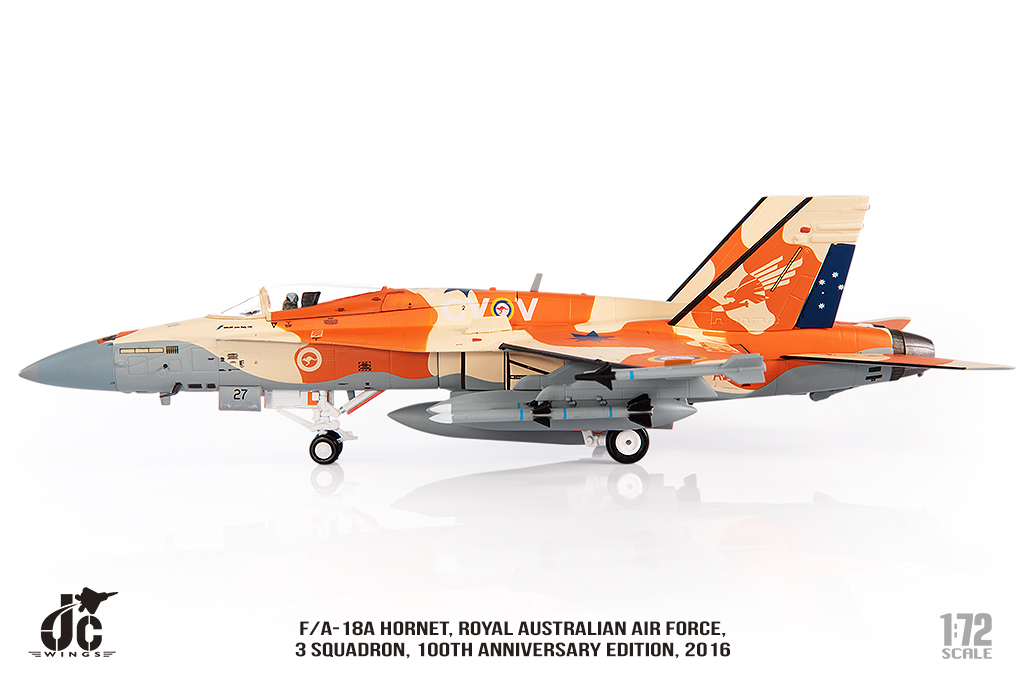
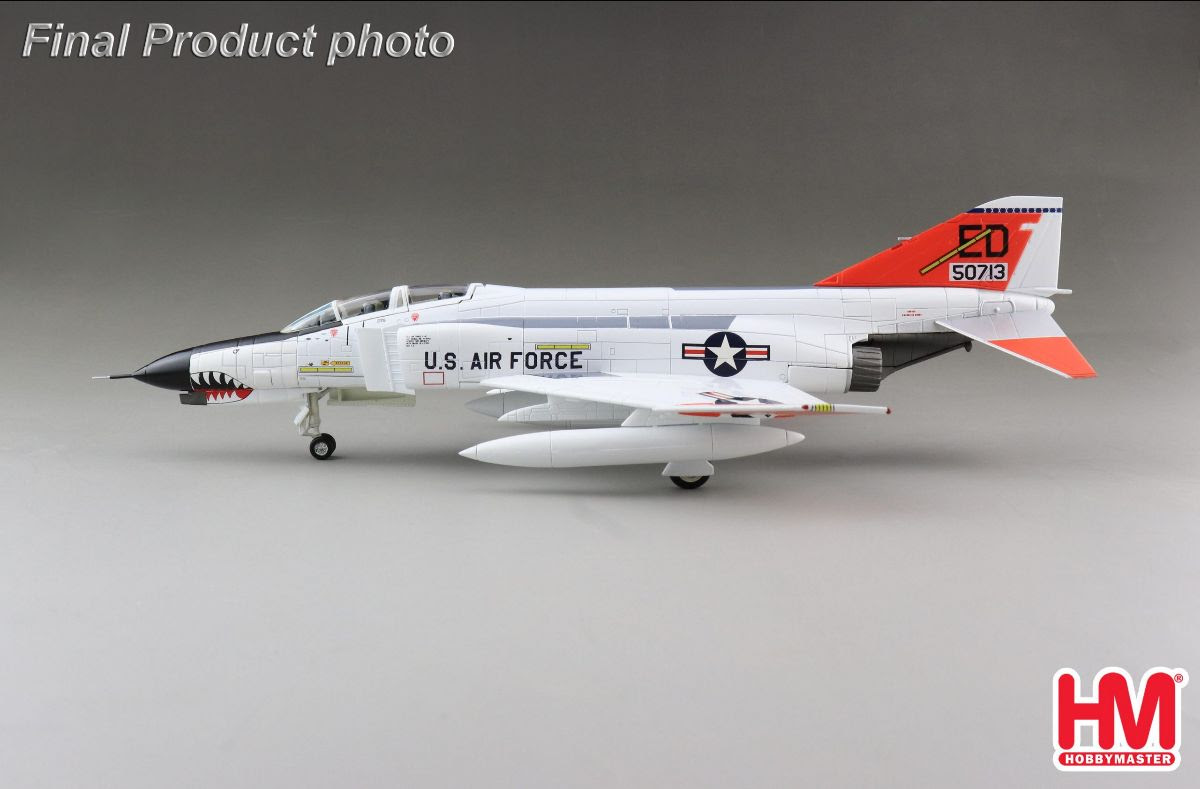
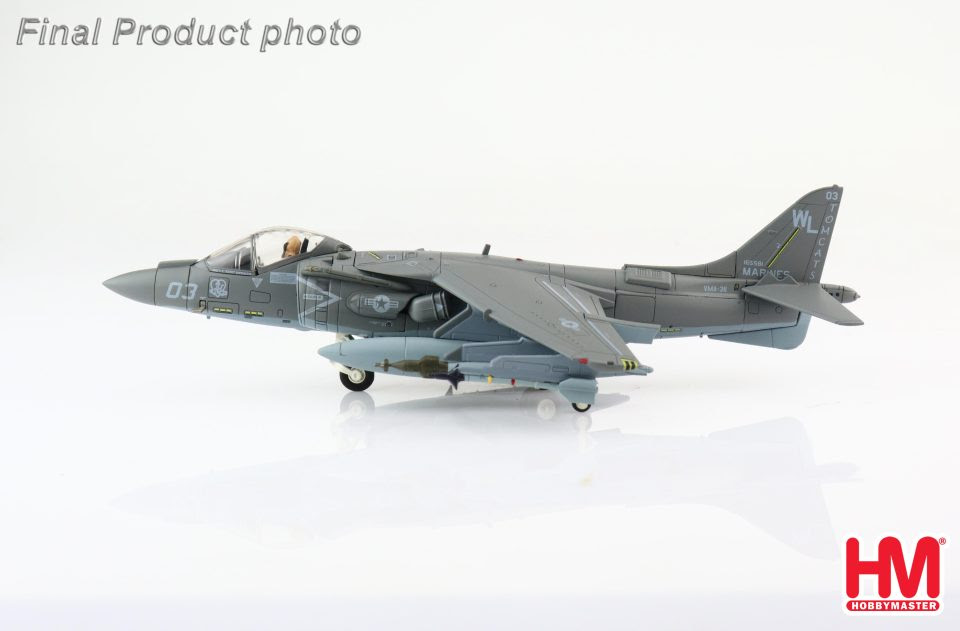
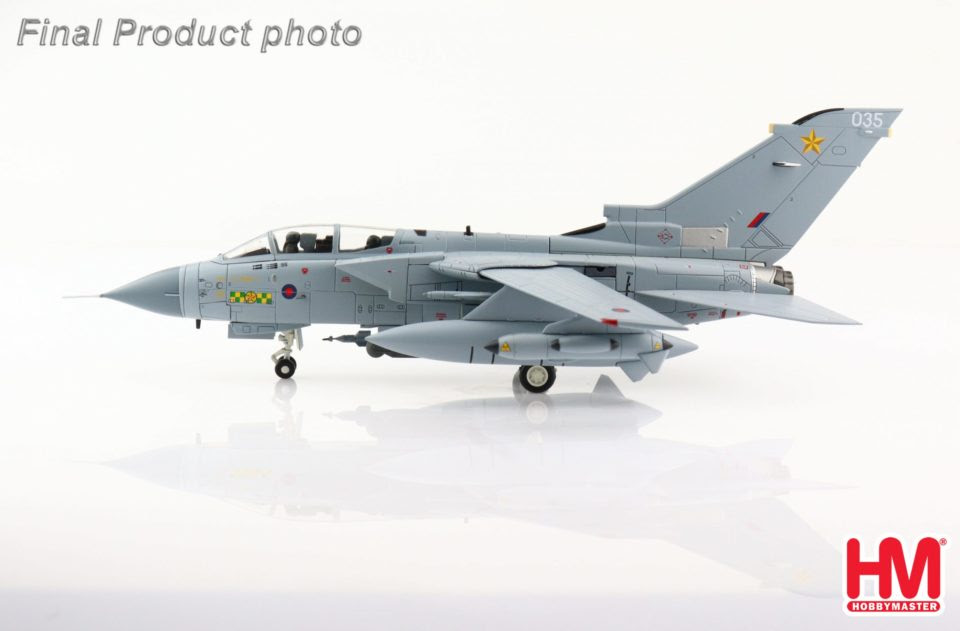
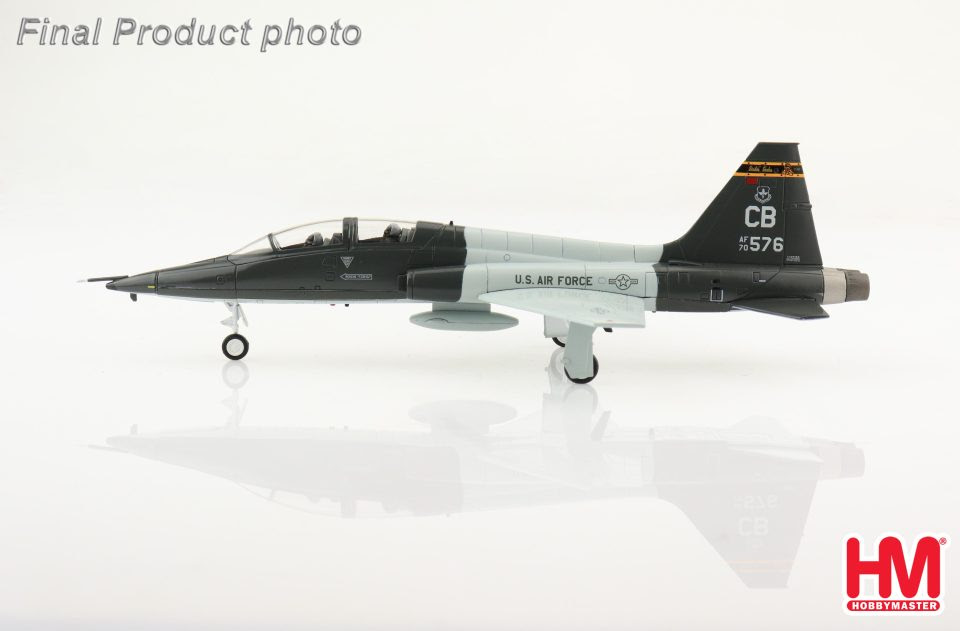
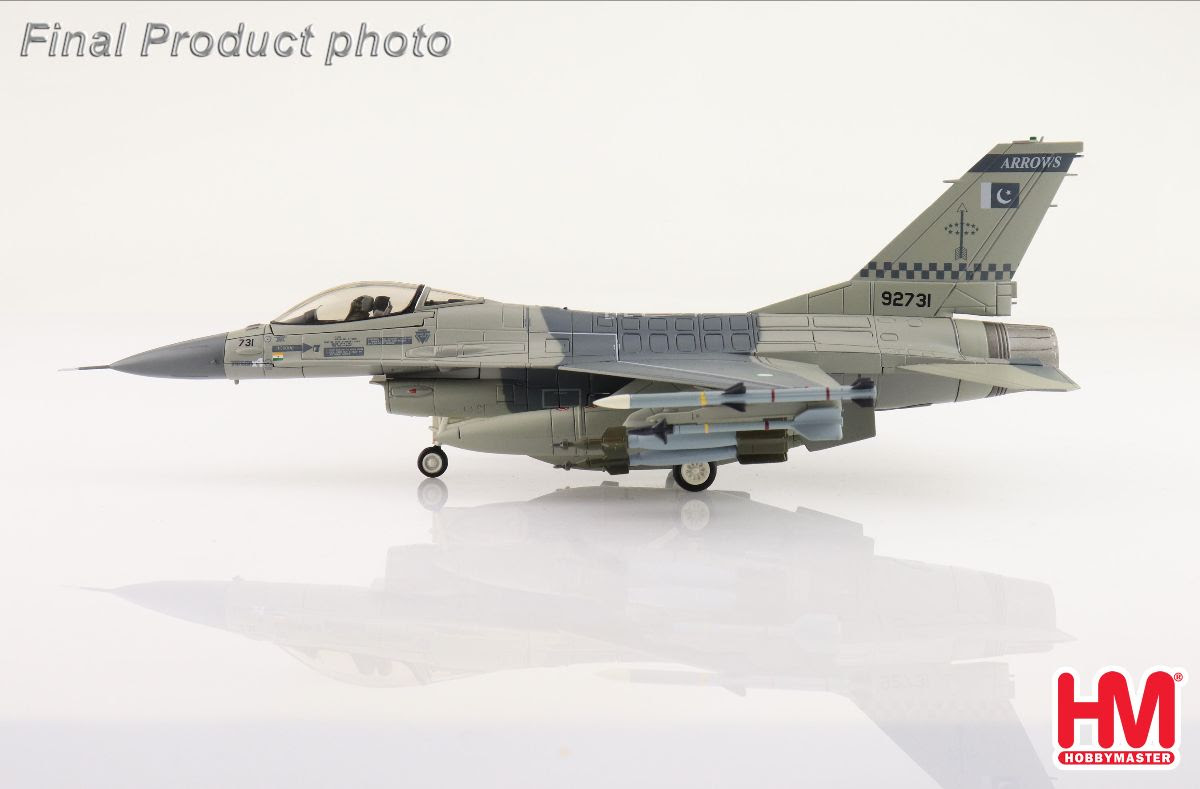
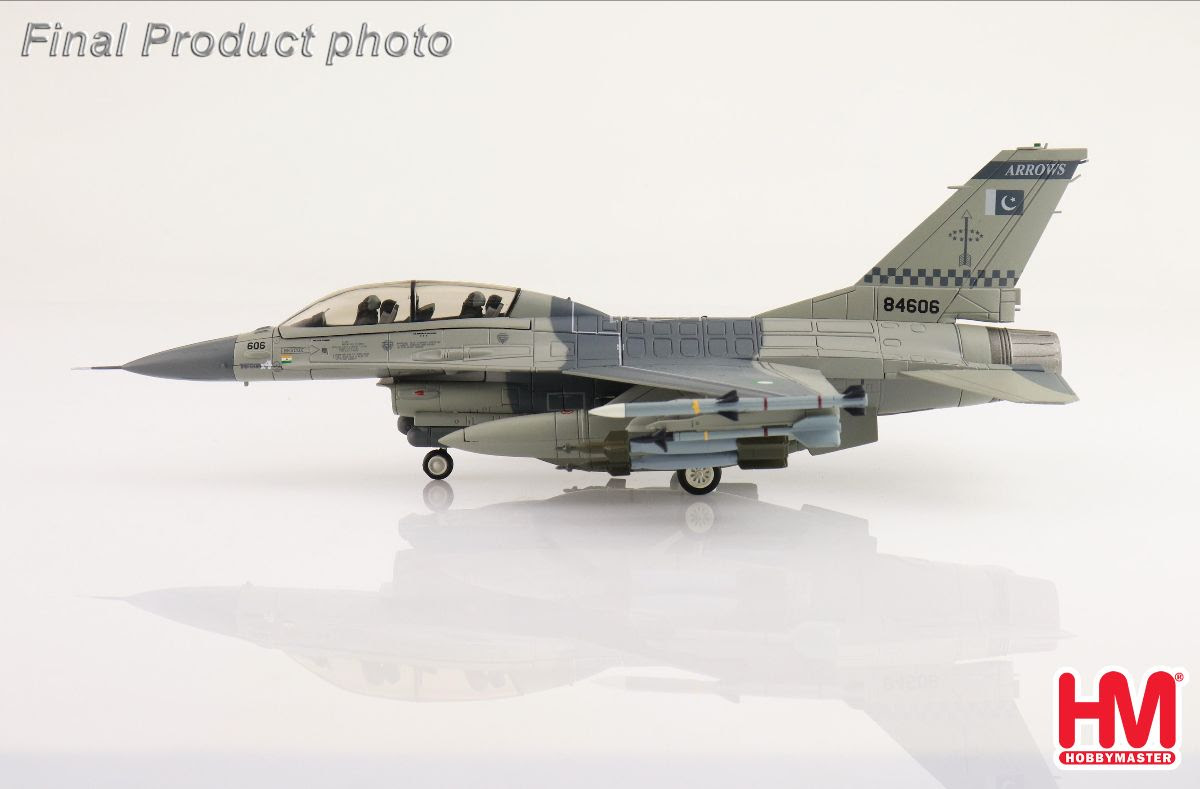
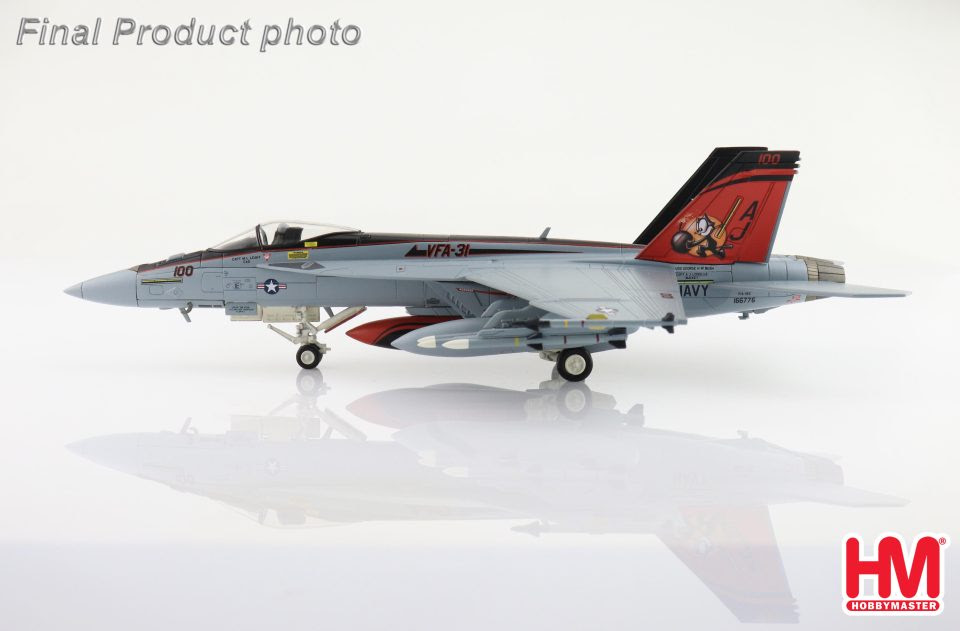
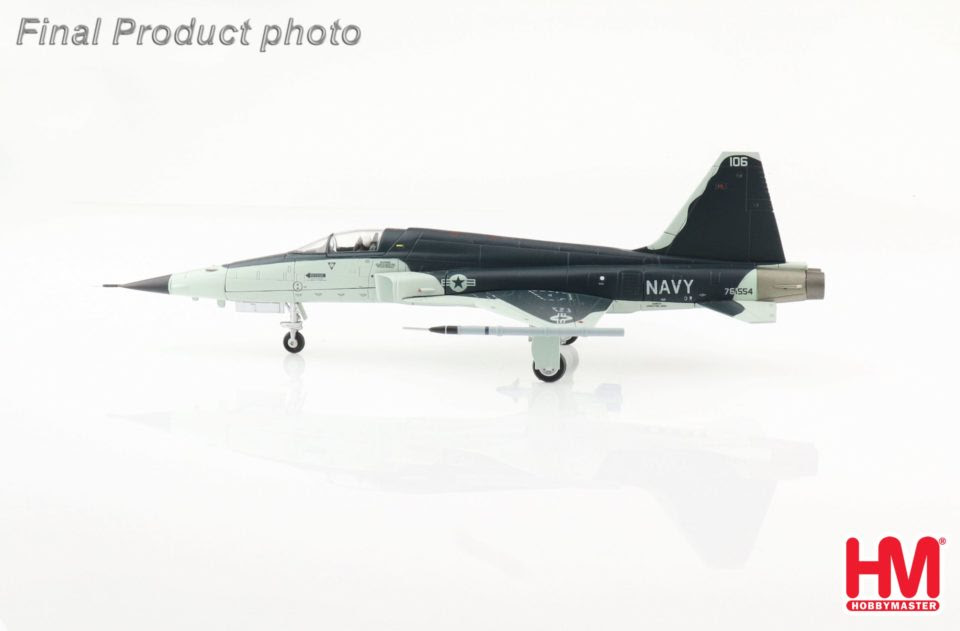
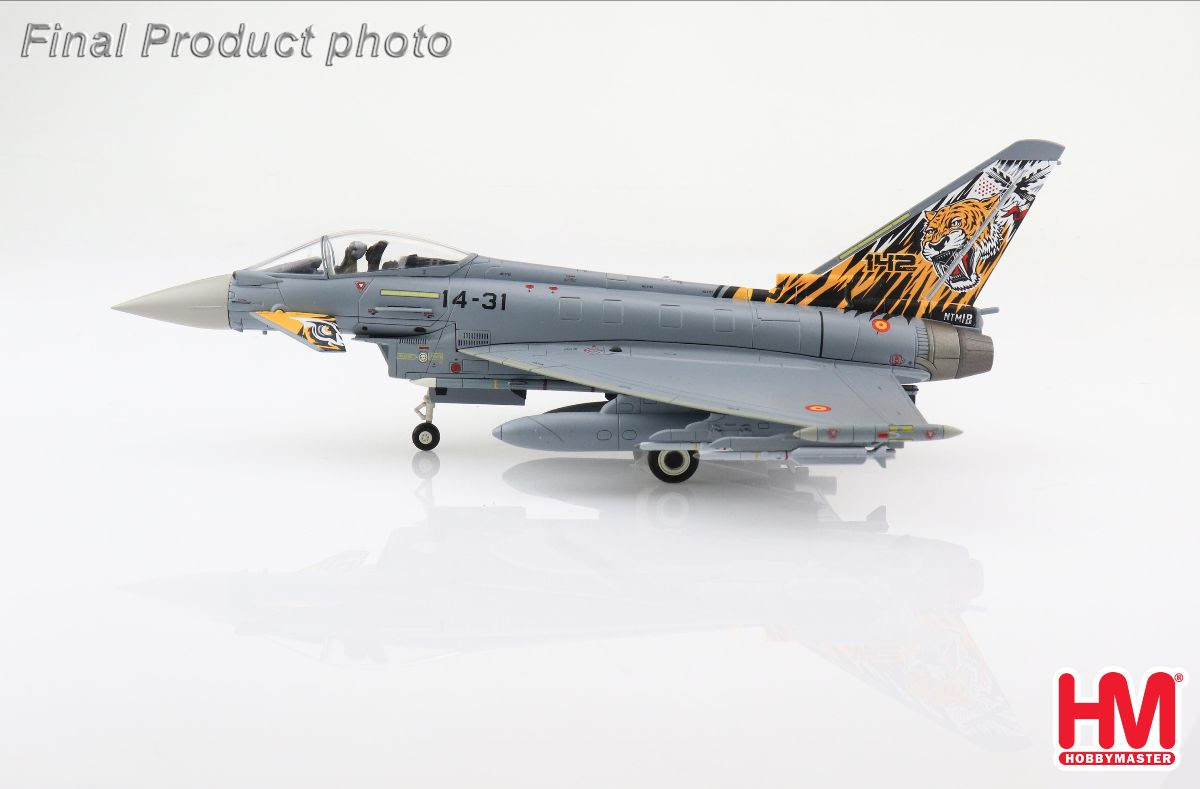
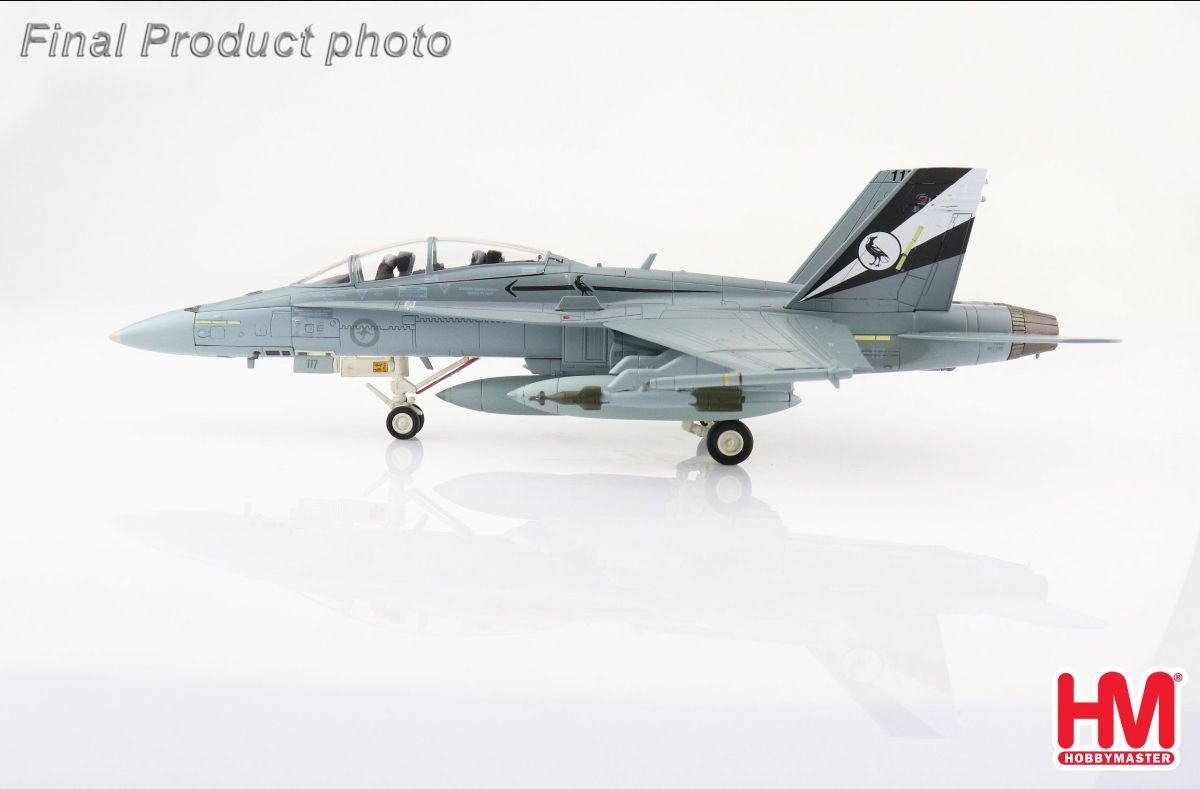
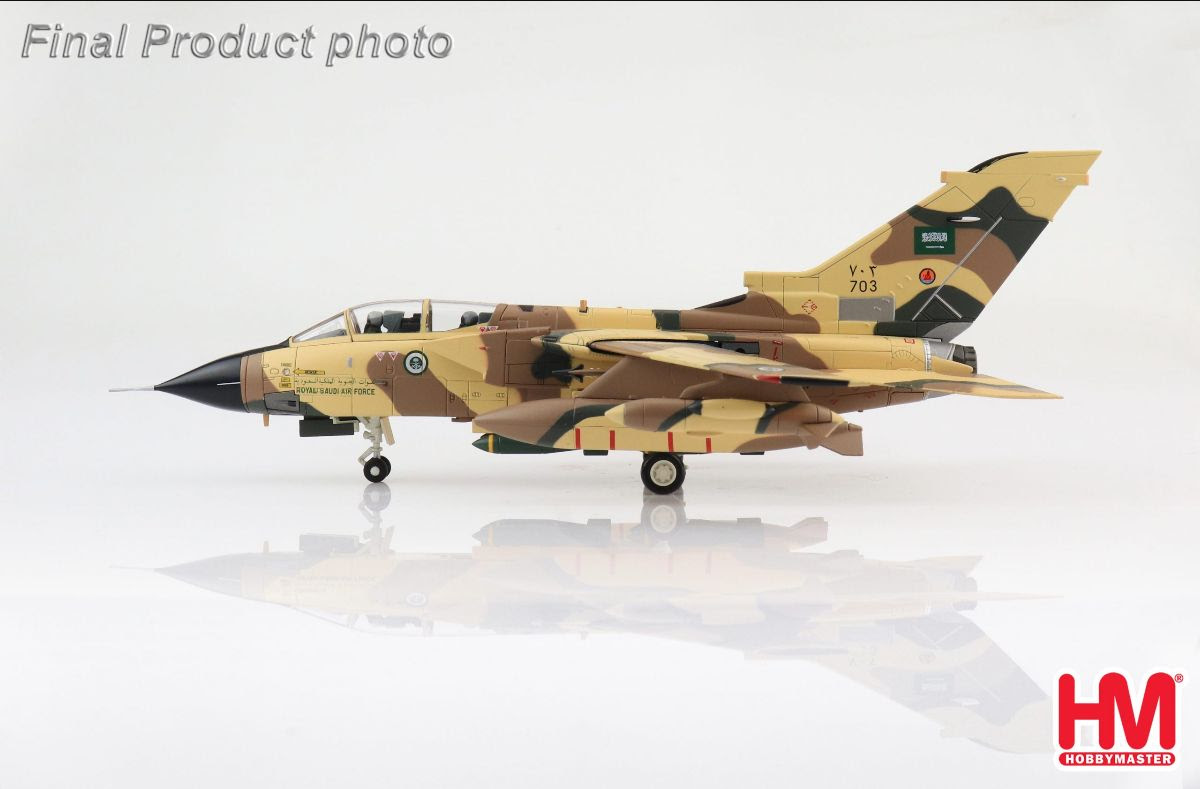
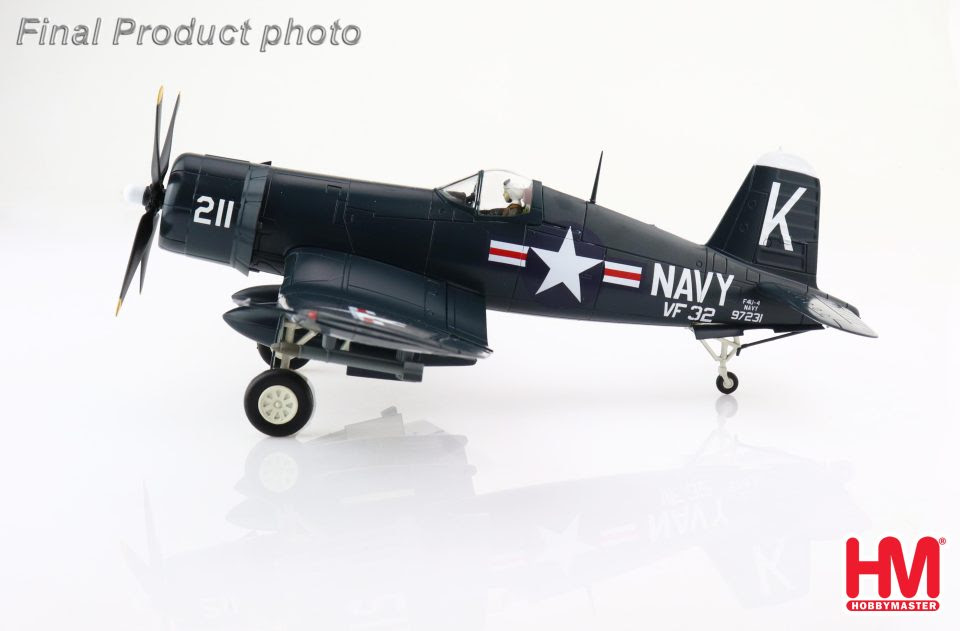
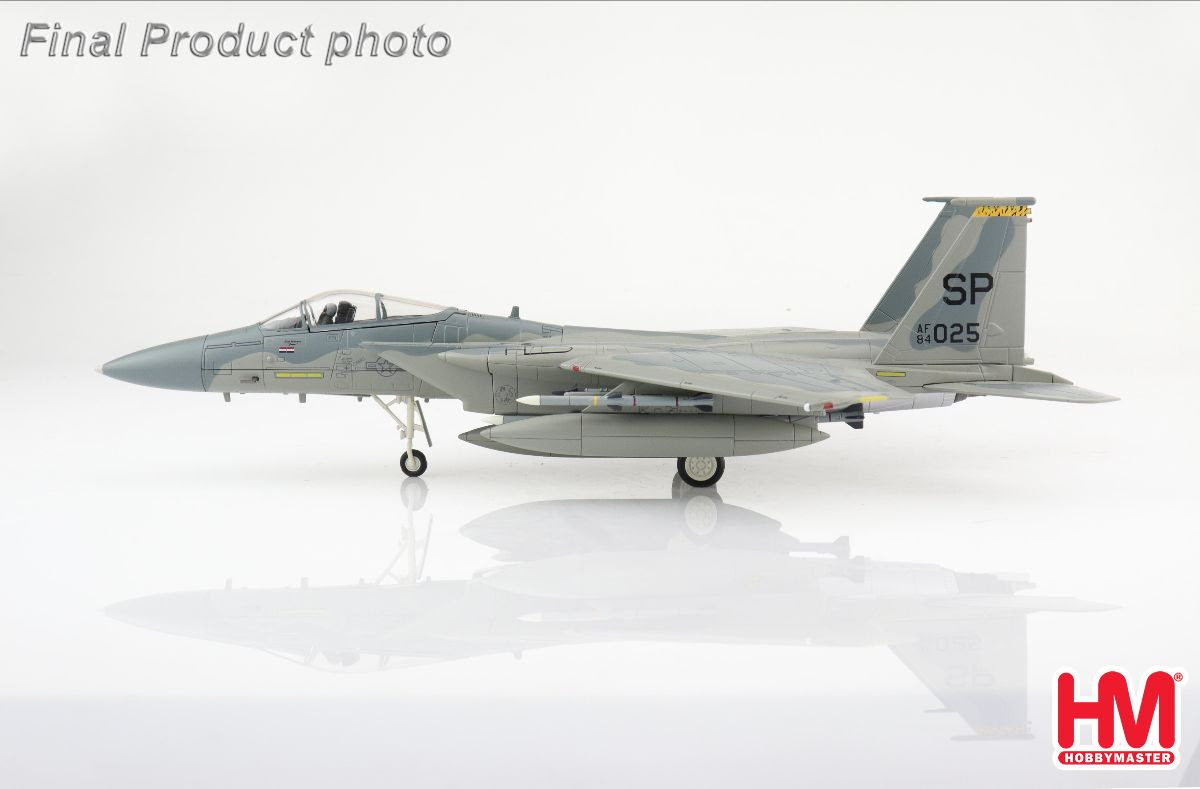
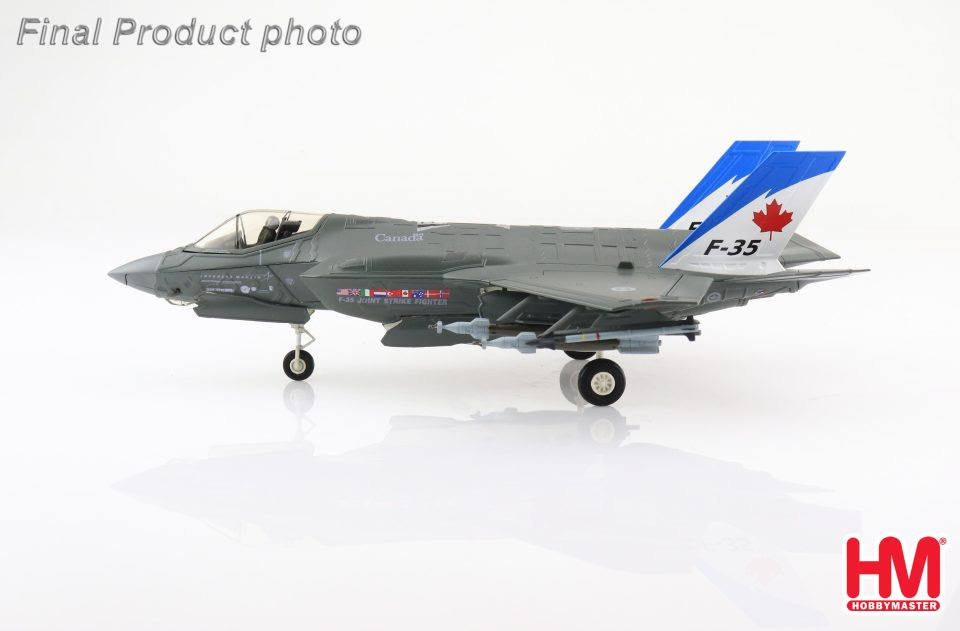
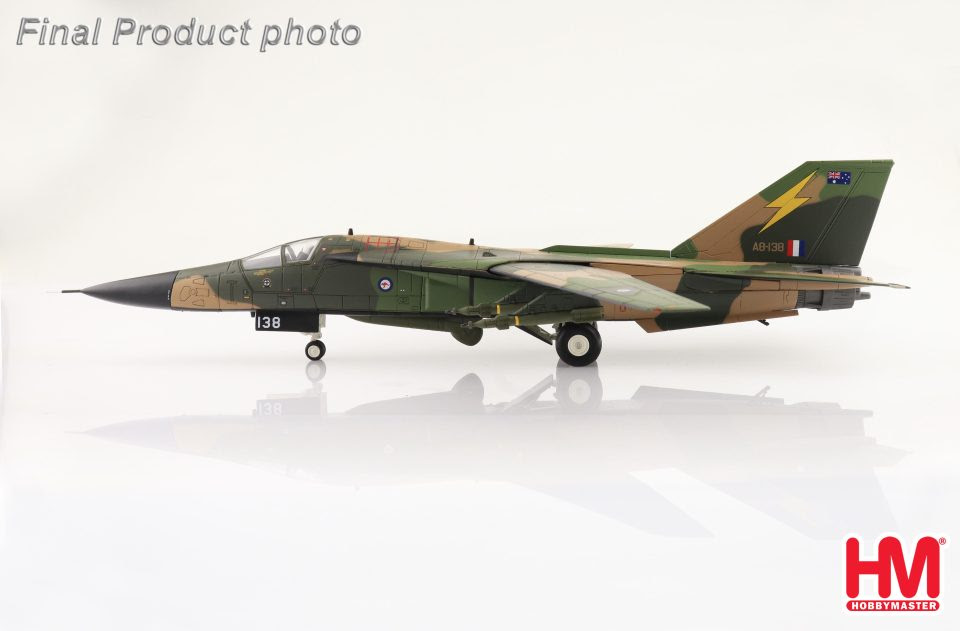
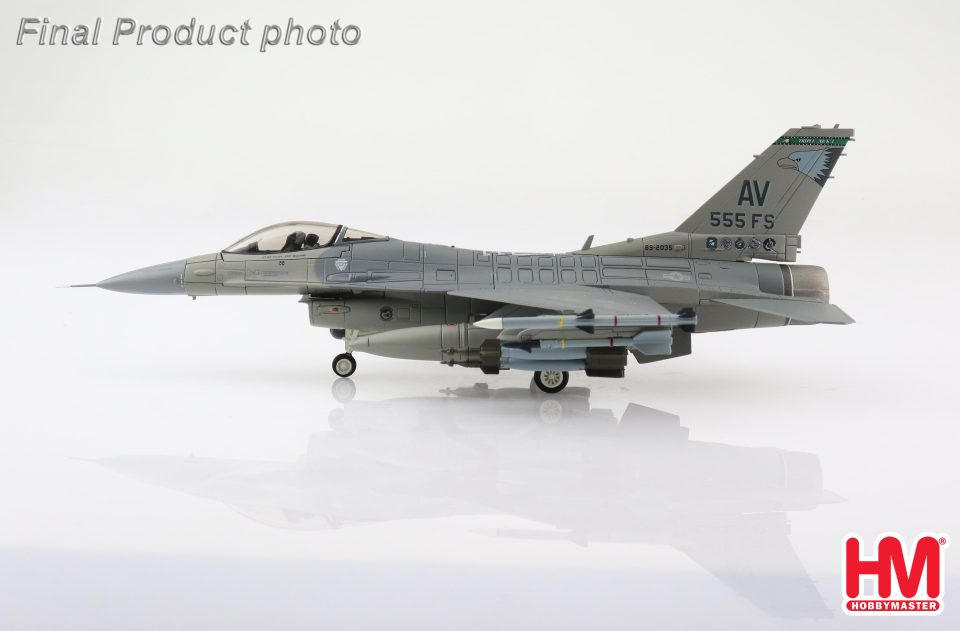
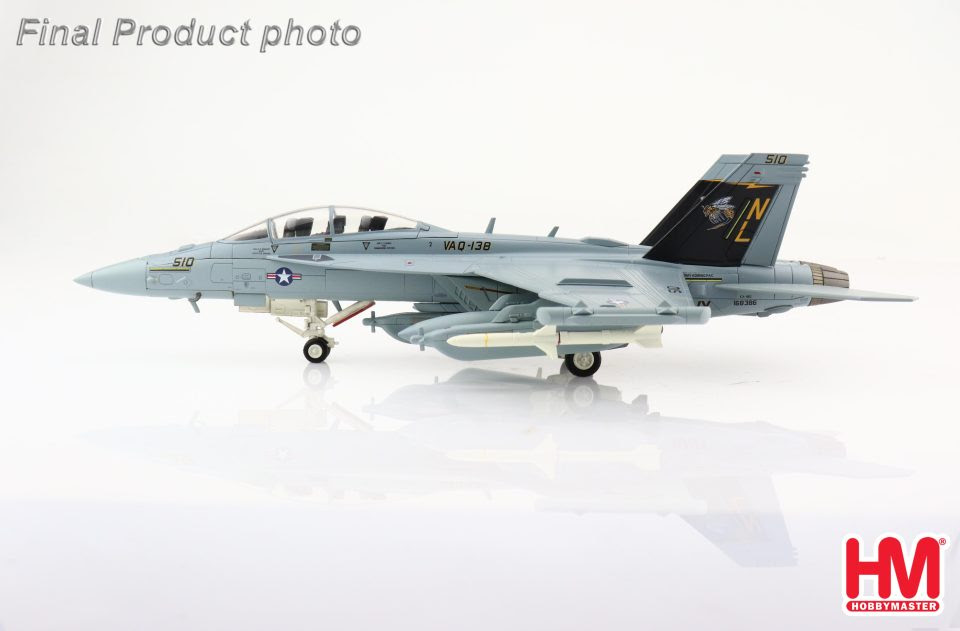
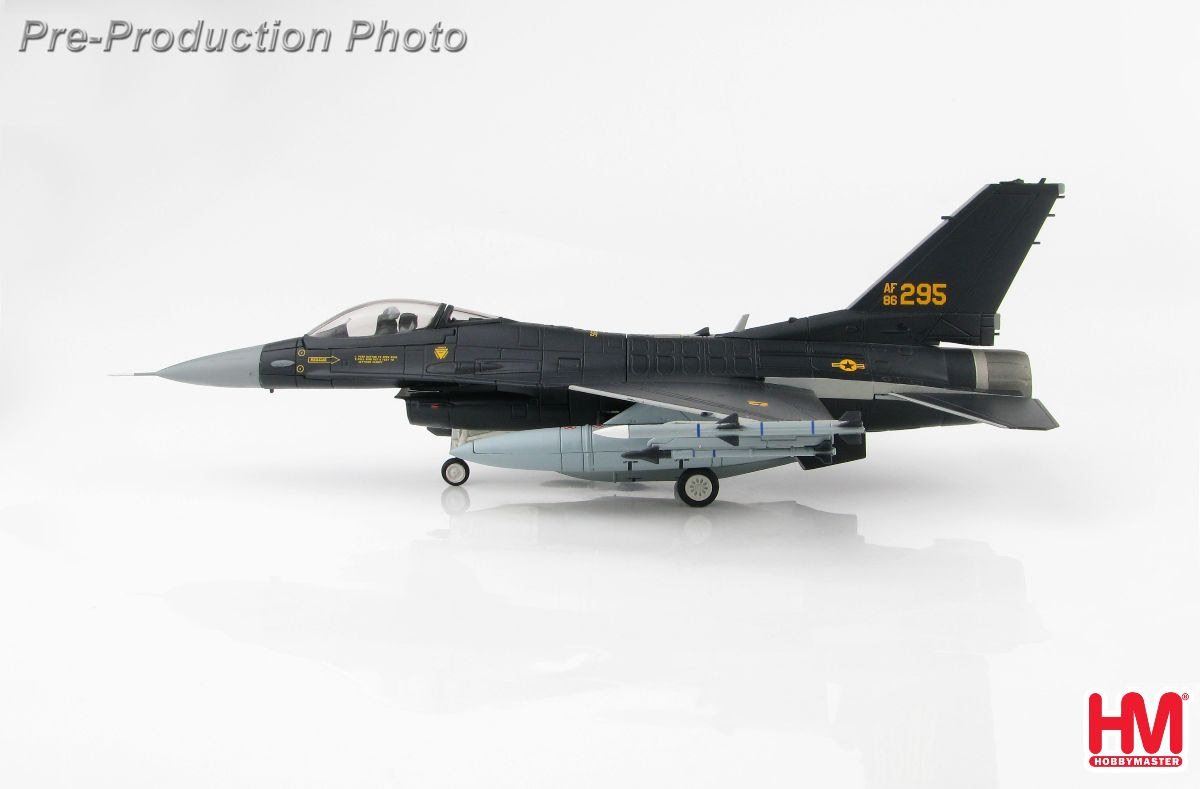
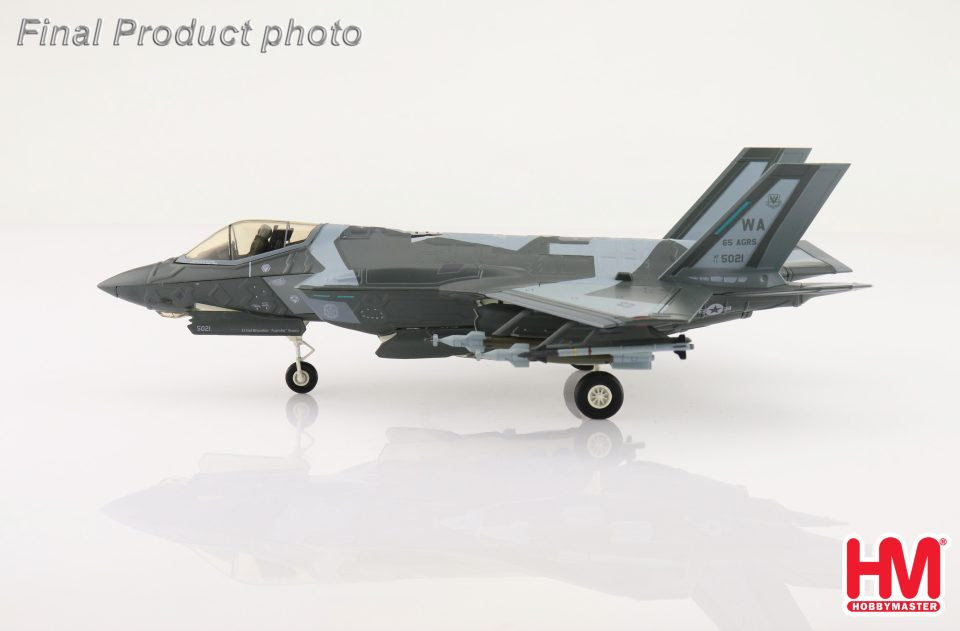
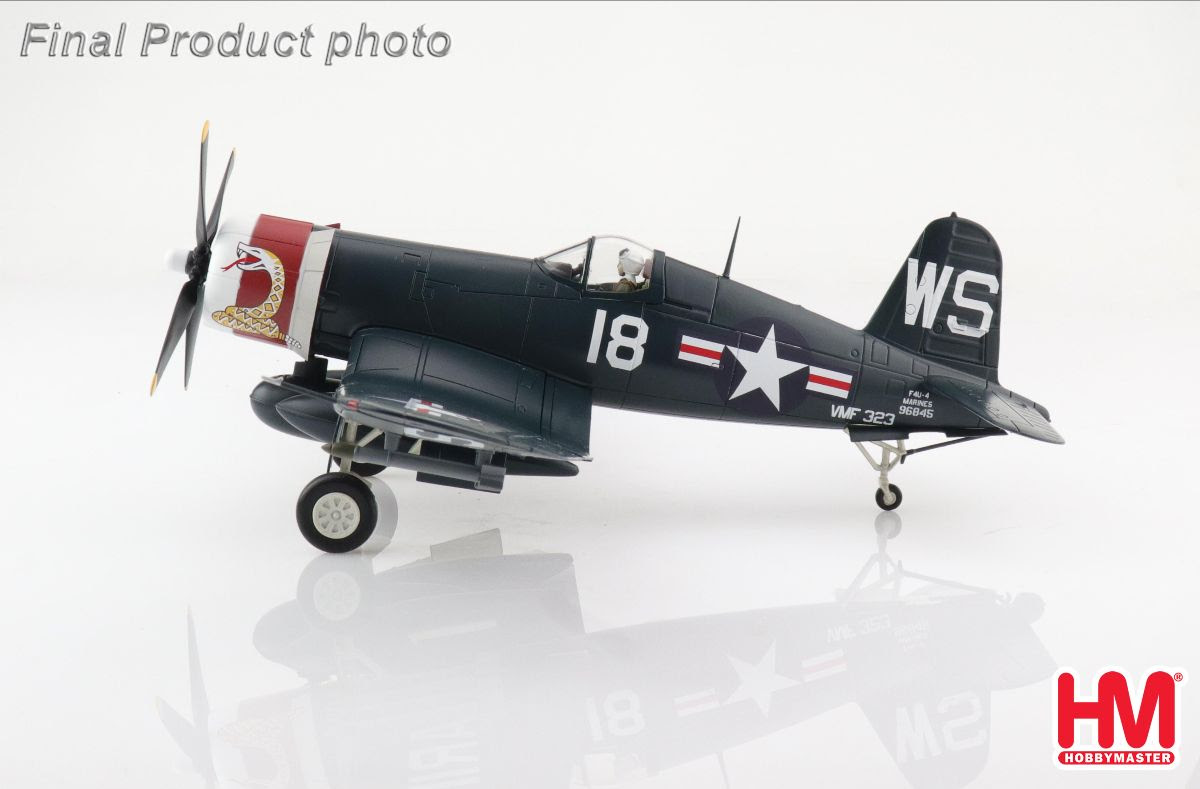
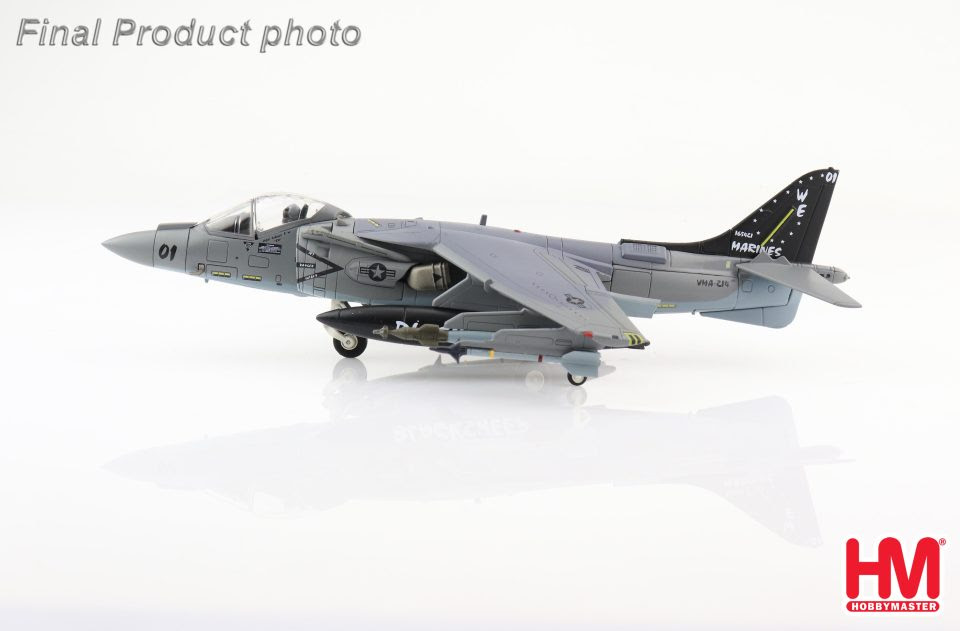
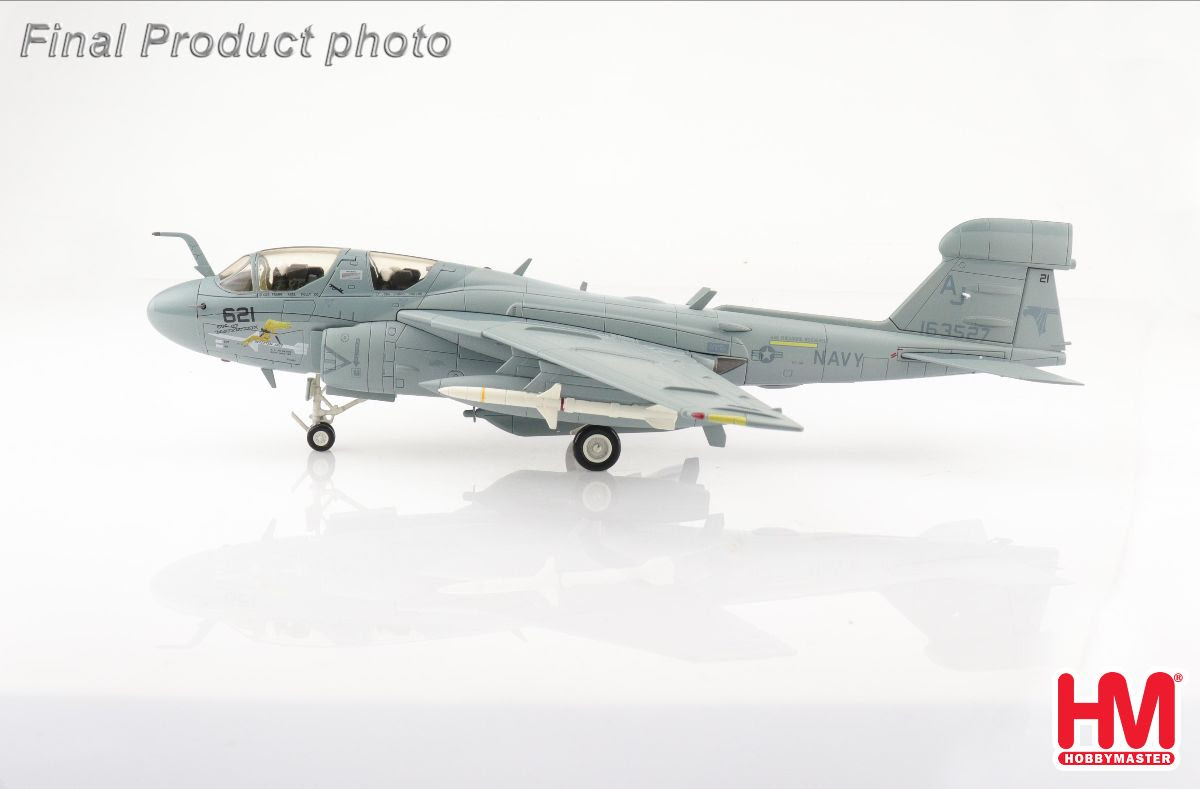
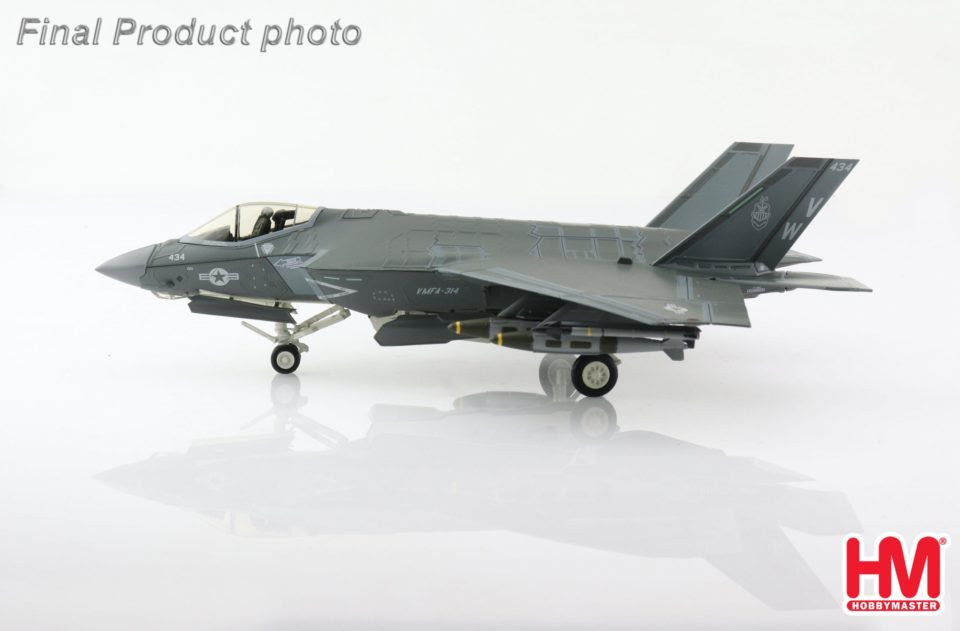
Corgi Aviation Archive , Hobbymaster , Herpa & InFlight updated photo gallery.
Check out the latest HM photos below. Please click on the images or links to go straight to the model page to order your model now.



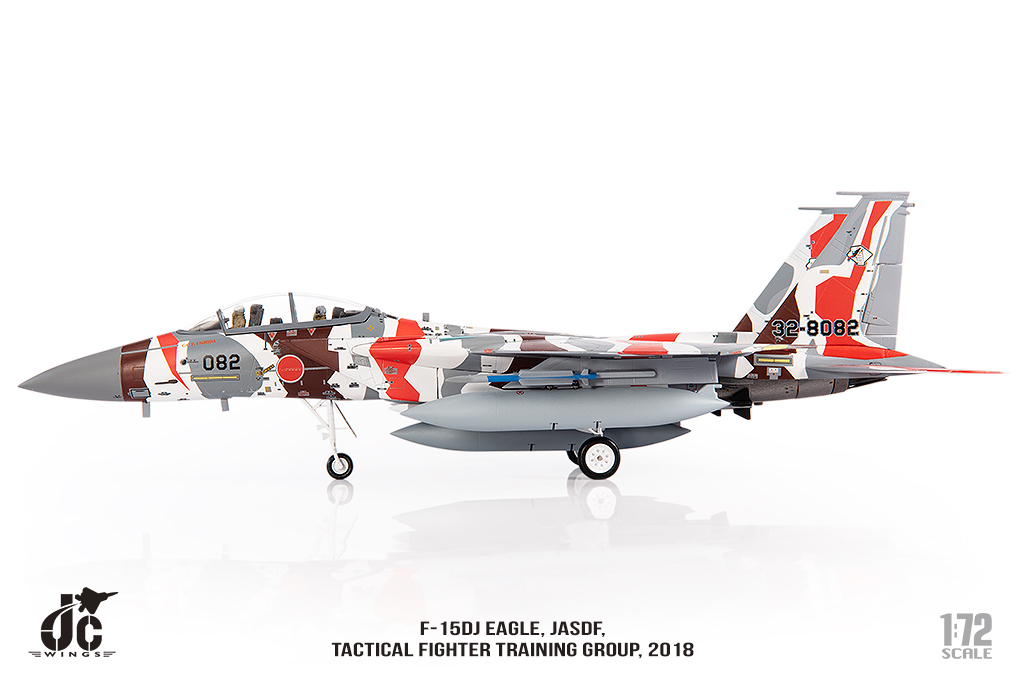
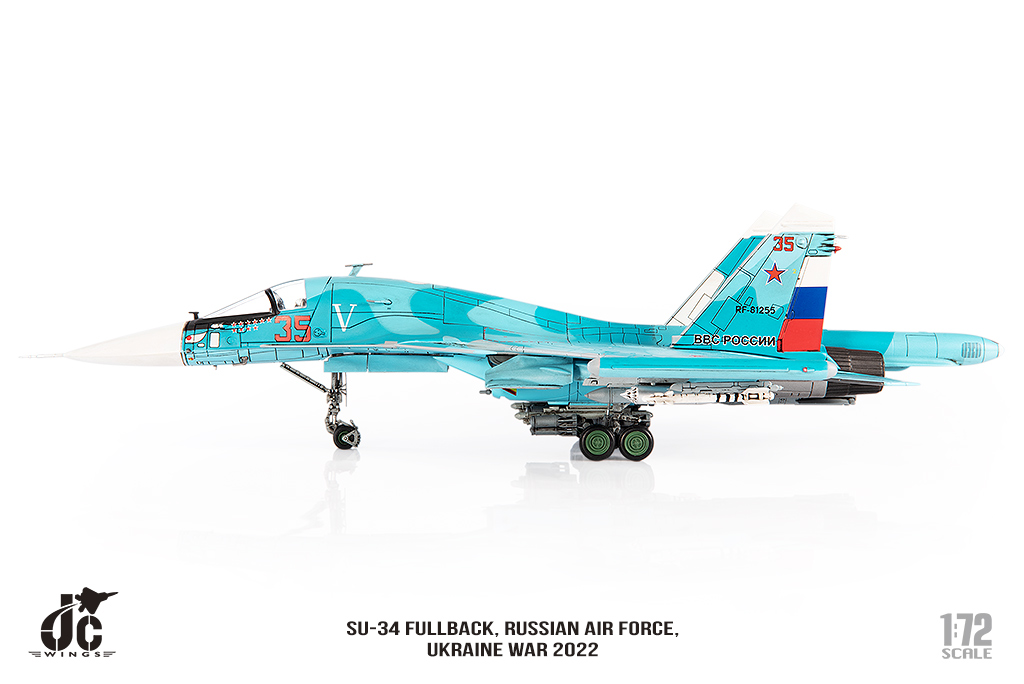
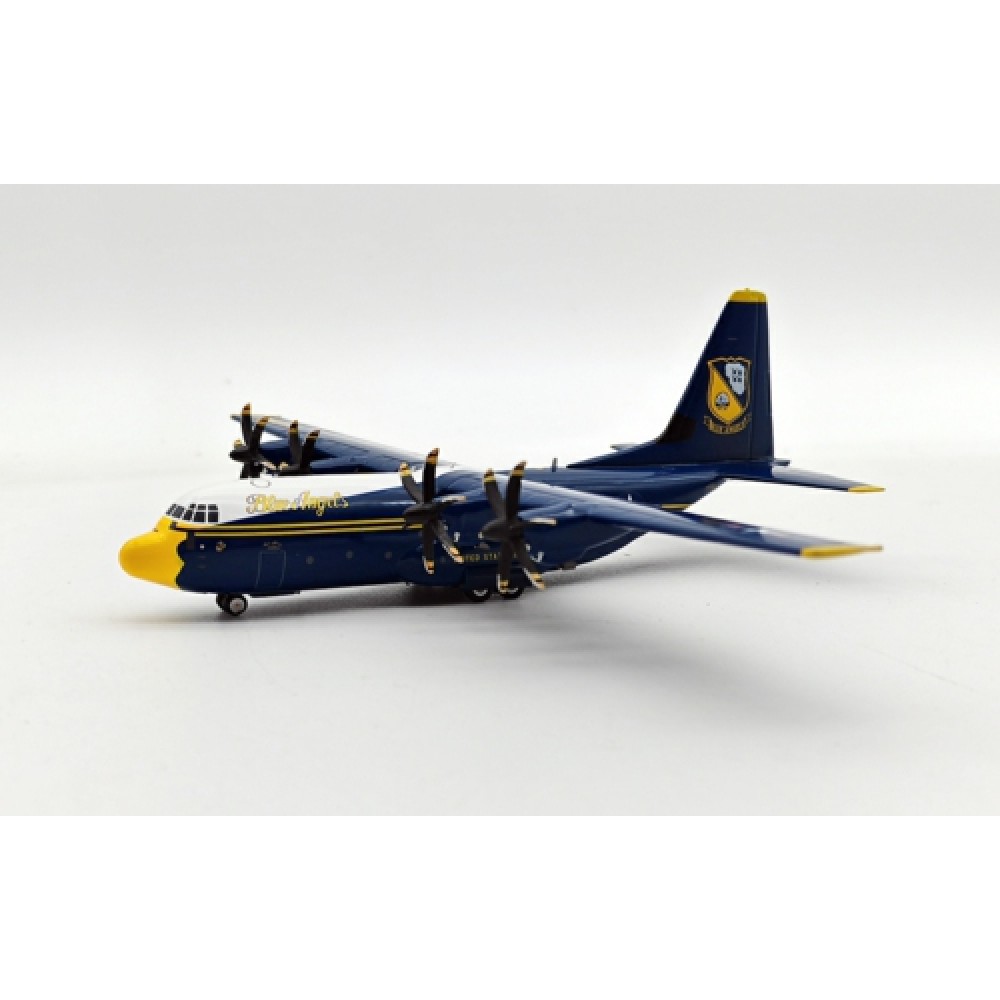
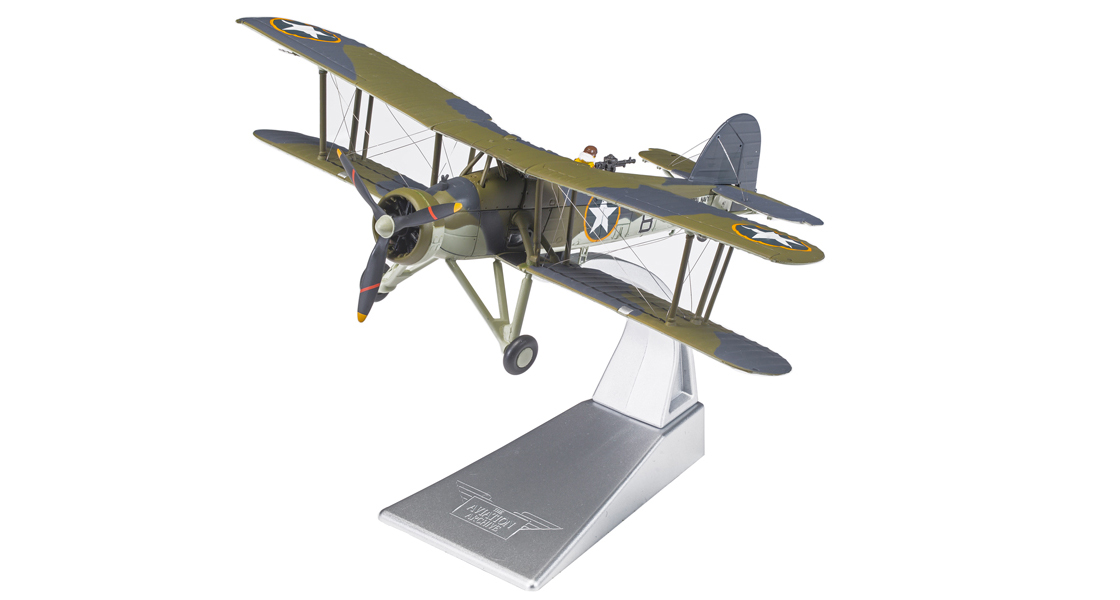
JC Wings Military, Corgi Aviation Archive, InFlight 200 & Oxford Diecast New Model Arrivals.
Check out all the latest model arrivals this week at Flying Tigers. Please click here to see all the new model arrivals.




|
|

|
|

|
|

|
|

|
|

|
|

|
|

|
|

|
|

|
|

|
|

|
|

|
|

|
|

|
|

|
|

|
|

|
|

|
|

|
|

|
|

|
|

|
|

|
|

|
|

|
|

|
|

|
|

|
|
|

|
|

|
|
|
|
|
|

|
|
|
|

|
|

|
|

|
|

|
|

|
|

|
|

|
|

|
|
|
|
|
|
|
|

|
|

|
|
|
|
|
|
|
|
|
|

|
|

|
|
|
|

|
|
|
|
|
|

|
|

|
|

|
|
|
|
|
|

|
|

|
|
|
|

|
|
|
|
|
|
|
|
|
|
|
|

|
|

|
|
|
|

|
|

|
|

|
|
|
Thank you for reading this week’s Newsletter.
Happy Easter to all Flying Tiger customers and Newsletter readers.
Richard.
Flying Tigers.