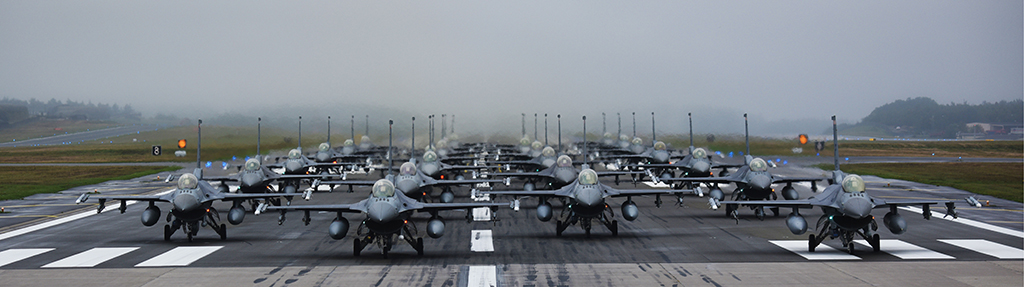
U.S. Air Force F-16 Fighting Falcons line up in formation on the runway for a Show of Forces display at Spangdahlem Air Base, Germany, Oct. 1, 2019. A Show of Forces is a display to serve as a deterrent against emerging competitors. (U.S. Air Force photo by Staff Sgt. Joshua R. M. Dewberry)
Spangdahlem Air Base (IATA: SPM, ICAO: ETAD, former code EDAD) is a NATO air base with the USAF as a tenant constructed between 1951 and 1953 and located near the small German town of Spangdahlem, approximately 30 km NNE of the city of Trier, Rhineland-Palatinate.
History
After emerging as the victors in the Second World War, the Western Allies (FRA, U.S., UK) occupied western Germany under the terms of the Potsdam agreement. With the creation of NATO in response to Cold War tensions in Europe, USAFE wanted its vulnerable fighter units in West Germany moved west of the Rhein River to provide greater air defence warning time. France agreed to air base sites within its zone of occupation in the Rheinland-Palatinate. Spangdahlem base was constructed between 1951 and 1953 at a cost of roughly $27,000,000 using French and German contractors, working under the supervision of a French government agency. The initial USAF military presence began on 1st September 1952 with the arrival of the 7352d Air Base Squadron on 1st September 1952 from Fürstenfeldbruck Air Base near Munich. The mission of the 7532d ABS was to prepare the facility for an operational wing.
10th Tactical Reconnaissance Wing
On 10th May 1953 the 10th Tactical Reconnaissance Wing was reassigned to Spangdahlem AB from Toul-Rosieres Air Base, France. The base population at this time totaled slightly more than 1,900 personnel. Operational squadrons of the 10th TRW were:
- 1st Tactical Reconnaissance RB-26C, RB-57A
- 38th Tactical Reconnaissance RF-80A, RF-80F
Upon its arrival at Spangdahlem AB, the 10 TRW operated Lockheed RF-80A Shooting Star for daylight aerial recon and the Douglas RB-26C Invader for night recon missions. The RB-26s were replaced in October 1954 by Martin RB-57A Canberras and the RF-80s in July 1955 by Republic Aviation RF-84F Thunderjets.
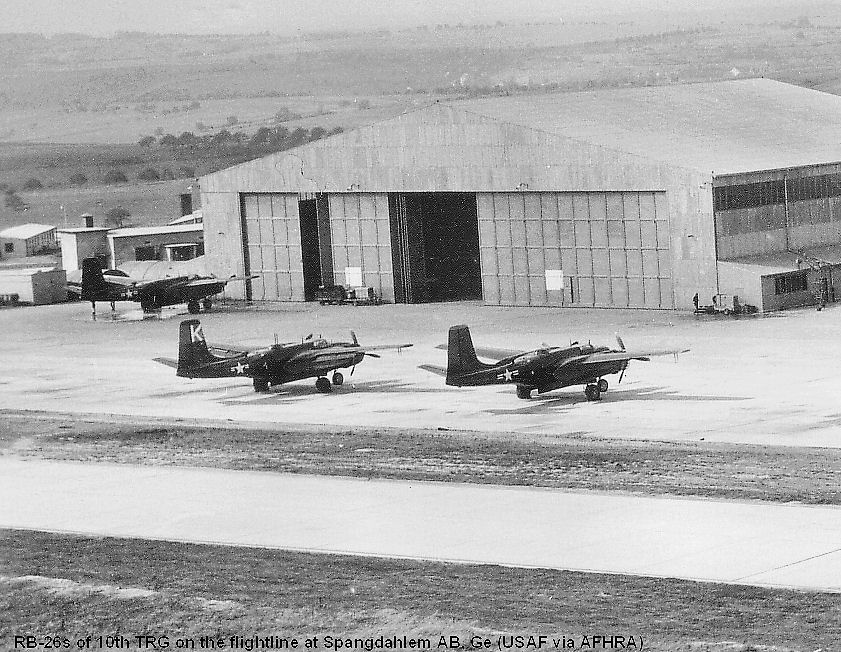
RB-26 Invaders of the 10th Tactical Reconnaissance Group at Spangdahlem AB during 1953
In 1957 the RB-57s and RF-84s were transferred to Chateauroux-Deols Air Depot and the 1st and 38th were re-equipped with the Douglas RB-66 Destroyer. Three additional squadrons, the 19th and 30th (8th January 1958) and 42d Tactical Reconnaissance (8th December 1957) were assigned to the 10th TRW from the 66th TRW,(Sembach AB), flying variants of the RB-66.
- 19th Tactical Reconnaissance Squadron RB/EB-66
- 30th Tactical Reconnaissance Squadron RB-66B
- 42d Tactical Reconnaissance Squadron RB/WB-66
The 19th TRS operated from RAF Sculthorpe United Kingdom during 1958, moving to Spangdahlem in 1959. The 42nd TRS flew from RAF Chelveston and remained there as a detachment of the 10th TRW.
On 25th August 1959, the 10th TRW ended its six-year stay at Spangdahlem and moved to RAF Alconbury, United Kingdom.
49th Tactical Fighter Wing
On 25th August 1959, the 49th Tactical Fighter Wing moved to Spangdahlem AB from the Etain-Rouvres Air Base, France, and assumed host unit duties. In 1957, the French Government decreed that all nuclear weapons and delivery aircraft had to be removed from French soil. As a result, the nuclear-capable North American F-100C/D Super Sabres of the 49th TFW had to be removed from France.
Squadrons of the 49th TFW at Spangdahlem were (squadron tail colour stripe):
7th Tactical Fighter (blue)
8th Tactical Fighter (yellow)
9th Tactical Fighter (red)
The 49th TFW flew F-100s until 1961 when it converted to the Republic F-105D/F Thunderchief, commonly known as the “Thud”. The 49th TFW was only the third USAF unit to operate the F-105.
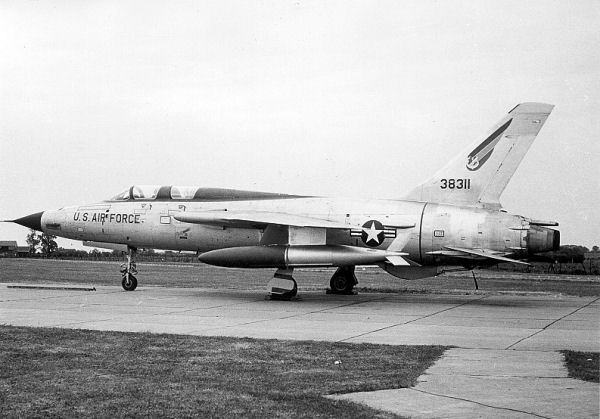
A F-105F Thunderchief of the 49th Tactical Fighter Wing during the 1960s
The 49th received two Air Force Outstanding Unit Awards for F-105 operations at Spangdahlem. On 9th March 1967, the Wing began receiving the McDonnell Douglas F-4D Phantom II.
The 49th TFW remained at Spangdahlem AB until 1st July 1968 when it relocated to Holloman Air Force Base, New Mexico, to serve as the US Air Force’s first dual-based, NATO-committed wing.
The 38th TRS was never equipped with RB-66B models. When the 10th TRW re-equipped with the RB-66 the 38th TRS and the 32th TRS moved away from Spangdahlem (to France I believe) and re-equipped with RF-101s. The 1st, 19th, 30th, and the 42th TRS remained at Spangdahlem until their move to the UK. The 1st, 19th, and 30th TRS flew the RB-66B and the 42nd TRS flew the RB-66C and WB-66D. This movement of squadrons came about due to the introduction of the AFM 66-1 combined maintenance concept. It was decided to keep aircraft of one general type in the same units for maintenance and supply considerations. Fighter units got the RF-101 and bomber units got the RB-66 and these units combined accordingly.
7149th/36th Tactical Fighter Wing
With the departure of the 49th TFW, the 7149th Air Base Group was activated to serve as a caretaker unit for a number of support organizations that remained behind after the departure of the 49th TFW. Although it did not have any assigned aircraft, the 7149th TFW would have served as a nucleus on which to build if the 49th TFW had been ordered to return to Europe to bolster NATO air forces. As part of “REFORGER” (return of forces to Germany) US Army, USAF units returned as “Crested Cap” including the entire 49th TFS in early 1969 and in 1970 and 1971 from Holloman AFB, NM. After 1969 the two 36th TFW assigned squadrons, 23rd TFS in F-4Cs and 39th TEWS in EB-66E and 2 EB-66C’s were back in the runway alert facility, previously used by 49th TFW F-105s and F-4s, reactivated in Dec 1969. 23rd TFS simply moved to next Eifel Mtn hill top into old 49th TFW squadron buildings and 39th TEWS began assembling in April with aircraft from 4417th CCTS and personnel from both Shaw AFB, SC and returning SEA EB-66 combat crewmembers many of whom the 363rd TRW Combat Crew Instructors had themselves trained the previous few years.
In January 1969, the 36th Tactical Fighter Wing, located at nearby Bitburg Air Base, assumed operational control of Spangdahlem, and became a dual-based wing. Squadrons from the 36 TFW assigned to Spangdahlem were:
- 23rd Tactical Fighter Squadron (F-4D, Tail Code: BS, red tail stripe)
- 39th Tactical Electronic Warfare Squadron (EB-66E and EB-66C, Tail Code: BV, green tail stripe)
The 23rd TFS carried out tactical fighter training missions, while the 39th TEWS was a newly formed squadron to conduct electronic warfare missions and train ground radar site crews all around NATO in electronic warfare based on SEA strike force experience needed to protect the fleet against SAM, AAA and fighter aircraft based in the East Iron Curtain Soviet Block nations. Spangdahlem retained status of a Nuclear Strike base and also housed USAFE Eifel Control in the Base Operations Tower.
Orders for 39th TEWS personnel originally were to Bitburg AB but shortly prior it was realized the additional 2,000 feet of runway on the larger inactive hilltop at Spang was a great benefit to the older EB-66 which had gained weight on modifications at Tulsa Plant where heavier cables for greatly increased jamming capability from RB-66B to EB-66E were added without removing the earlier in hard to get to areas. Near same time, plans to modify the early turbo jet engines to modern high bypass design were not considered with plans to retire the 1950s design in very few years and end of SEA needs. Modern miniature electronics were to allow the strike aircraft to carry their own modular ECM components in a great 30 minute rush to the border and roll back of enemy forces. This was envisioned as “Plugging the Fulda Gap” with WW 2-style massed armored Soviet forces.
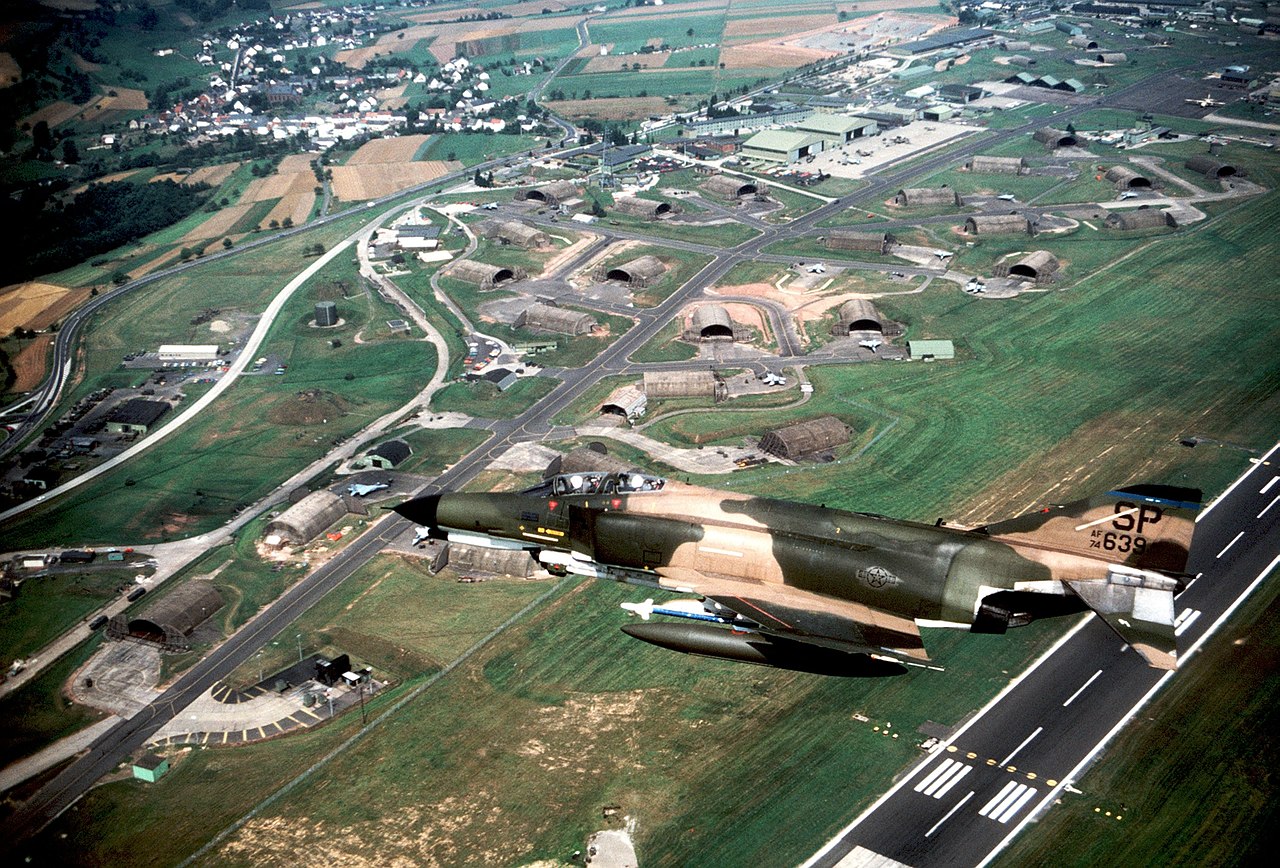
An F-4E Phantom II from the 23rd Tactical Fighter Squadron Spangdahlem AB in flight over its home base in 1983
52nd Tactical Fighter Wing
On 31st December 1971 the 52nd Tactical Fighter Wing was transferred without personnel or equipment from Suffolk County AFB, New York to Spangdahlem. The unit had been a sort of personal National Guard wing for top World War II P-47 ace Gabby Gabreski. Inactivated then reactivated as a new USAFE wing, the new Wing Commander was to be the first black USAFE Wing CO Col Thomas E Clifford who had been 35th TFW DCO at Da Nang AB Viet Nam. The old 49th Wing HQ mostly vacant while 7149th inactive era was assigned a few personnel to begin the transition in October 1971. Recent promoted Col John J (Jack), Gaudion, former 23rd TFS Sqdn CO became Base Commander designate and Captain Don I Phillips a 39th TEWS Navigator/Bombardier stepped in as additional duty Public Information Officer and initial Wing Historian to record events and prepare Col Clifford’s Dec Arrival. A few PIO personnel from Bitburg were assigned to the Information office from 36th TFW Information Office. Upon activation in Germany, the 52 TFW assumed control of the two squadrons the 36 TFW had located at Spangdahlem:
- 23rd Tactical Fighter (F-4D, Tail Code: SP, blue tail stripe)
- 39th Tactical Electronic Warfare (EB-66E and C, Tail Code: SP, yellow tail stripe)
During warm seasons in 1970 and 1971 operations shifted back to Bitburg while the runway was resurfaced at Spang. During this period the hardened NATO “Tab-V” shelters were constructed at both bases while operations around them continued. EB-66s were too large and remained parked around the ramp at the large hangar. End of runway alert aircraft F4s and EB-66’s were under shelter for weather protection only. “V” or Victor Alert denoted nuclear forces from the British bombers Victor and Vulcan beginning with that letter. “E” Alert was for ECM.
The 39th TEWS was disbanded and personnel reassigned on 1st January 1973. Aircraft were returned to Shaw then retired by 1975. In turn, it was replaced in the electronic warfare role by the 81st Tactical Fighter Squadron, flying the McDonnell Douglas EF-4C Phantom II, being transferred to Spangdahlem from Zweibrücken Air Base, Germany under project “Creek Action” on 15th January 1973.
The 4th TFW had Three short-term deployments (F-4E) for European contingency support in March 1974, July and September 1975
The 52nd TFW gained its third fighter squadron with the activation of the 480th Tactical Fighter Squadron on 15th November 1976. On 1st January 1977, the 52nd TFW had the following operational squadrons:
- 23rd Tactical Fighter Squadron (F-4D w/ blue tail stripe, tail code: SP) “Fighting Hawks”
- 81st Tactical Fighter Squadron (EF-4C w/ yellow tail stripe, tail code: SP) “Wild Weasels”
- 480th Tactical Fighter Squadron (F-4D w/ red tail stripe, tail code: SP) “Warhawks”
In 1979, the more capable Wild Weasel F-4G had replaced the EF-4Cs of the 81st TFS, and in 1980 through 1982, F-4Es replaced the F-4Ds of the 23rd and 480th TFSs.
A complete reorganization of wing aircraft and aircrews occurred in November 1983, transforming the 52nd TFW into the first and only all-defense suppression wing outside of the United States. Under this configuration, each of the wing’s three fighter squadrons flew E and G model F-4s paired together into Wild Weasel “hunter/killer” teams capable of locating and destroying enemy radar-guided, surface-to-air threats in all weather.
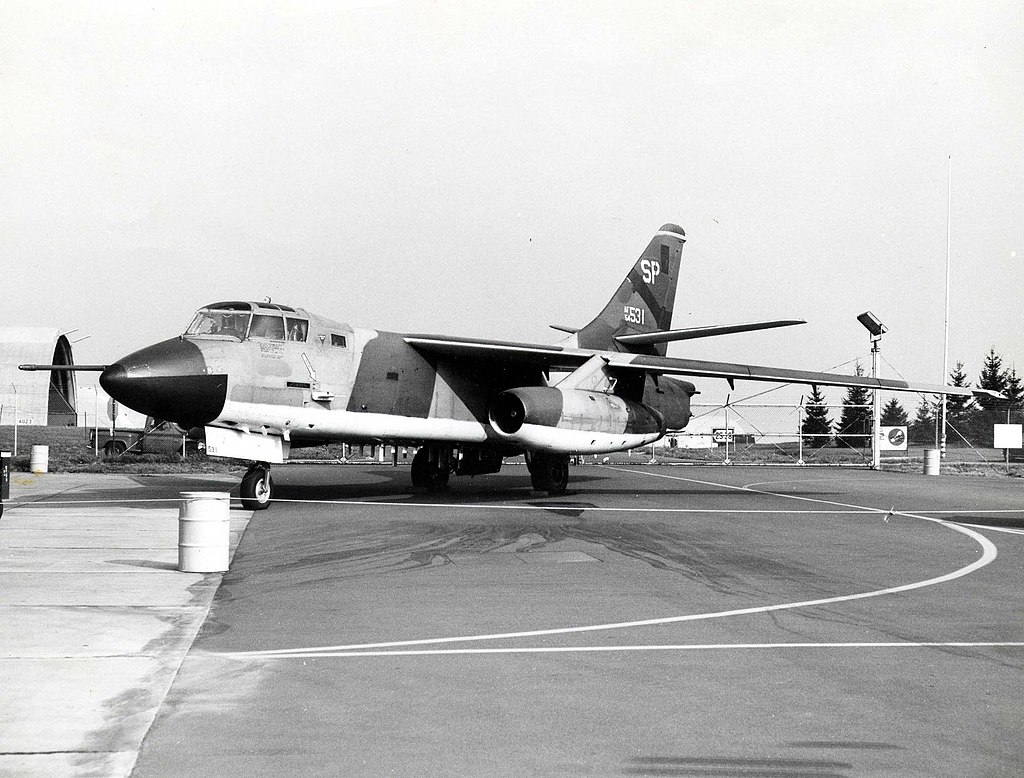
Douglas EB-66E Destroyer 3/4 front view. Originally an RB-66B, S/N 54-531 of the 39th TEWS, 52nd TFW at Spangdahlem AB, Germany in August 1972. (U.S. Air Force photo)
In April 1987, the 52nd began changing with the times and replaced its aging Phantoms with Block 30/32 F-16C/D Fighting Falcons for the 23rd and 480th TFSs. These were later replaced with Block 50 versions beginning in 1993. The last USAF operational model F-4E Phantom II aircraft departed Spangdahlem AB in December 1987. In late 1990, the 81st TFS reorganized to exclusively fly the F-4G, then deployed 24 aircraft to Sheikh Isa Air Base, Bahrain for Operation Desert Storm combat operations.
52nd Fighter Wing
On 1st October 1991, the 52 TFW was redesignated the 52nd Fighter Wing as part of a sweeping, Air Force-wide restructure.
The 510th Fighter Squadron was moved to Spangdahlem with the closure of RAF Bentwaters United Kingdom on 4th January 1993 as the lone A-10 Thunderbolt II squadron in USAFE. Also in early 1993, the 81st FS was reorganized to fly a mixture of F-4Gs and Block 30 F-16C/Ds.
The F-4Gs were withdrawn and sent to AMARC in February 1994. With the withdrawal of the Phantoms, the 510th Fighter Squadron was replaced by the 81st FS at Spangdahlem and was transferred to Ramstein Air Base to absorb the F-16 assets of the 512th FS there.
In February 1994, the 53rd Fighter Squadron relocated to Spangdahlem from Bitburg after its closure with F-15C/Ds. The 480th FS was also inactivated during October 1994, being replaced by the 22nd Fighter Squadron from Bitburg. The 606th Air Control Squadron was also assigned to the 52nd Fighter Wing but remained at Bitburg until September 1995 before moving to Spangdahlem.
After the restructuring and the closure of Bitburg and transfer of 36th FW squadrons to Spangdahlem, the operational squadrons of the 52nd Fighter Wing were:
- 23rd Fighter (F-16CJ/D Blue tail stripe, Code: SP)
- 22rd Fighter (F-16CJ/D Red tail stripe, Code: SP)
- 53rd Fighter (F-15C/D Yellow and black tail stripe (Tiger stripes), Code: SP)
- 81st Fighter (A/OA-10A Yellow tail stripe, Code: SP)
In May 1995 Major Grey Lowry was killed when his 53rd Fighter Squadron F-15C crashed at Spangdahlem AFB. Investigation showed that during routine maintenance, mechanics had crossed and mis-connected the control rods. One of the mechanics, TSgt. Thomas Mueller, was charged with negligent homicide and took his own life during his military trial.
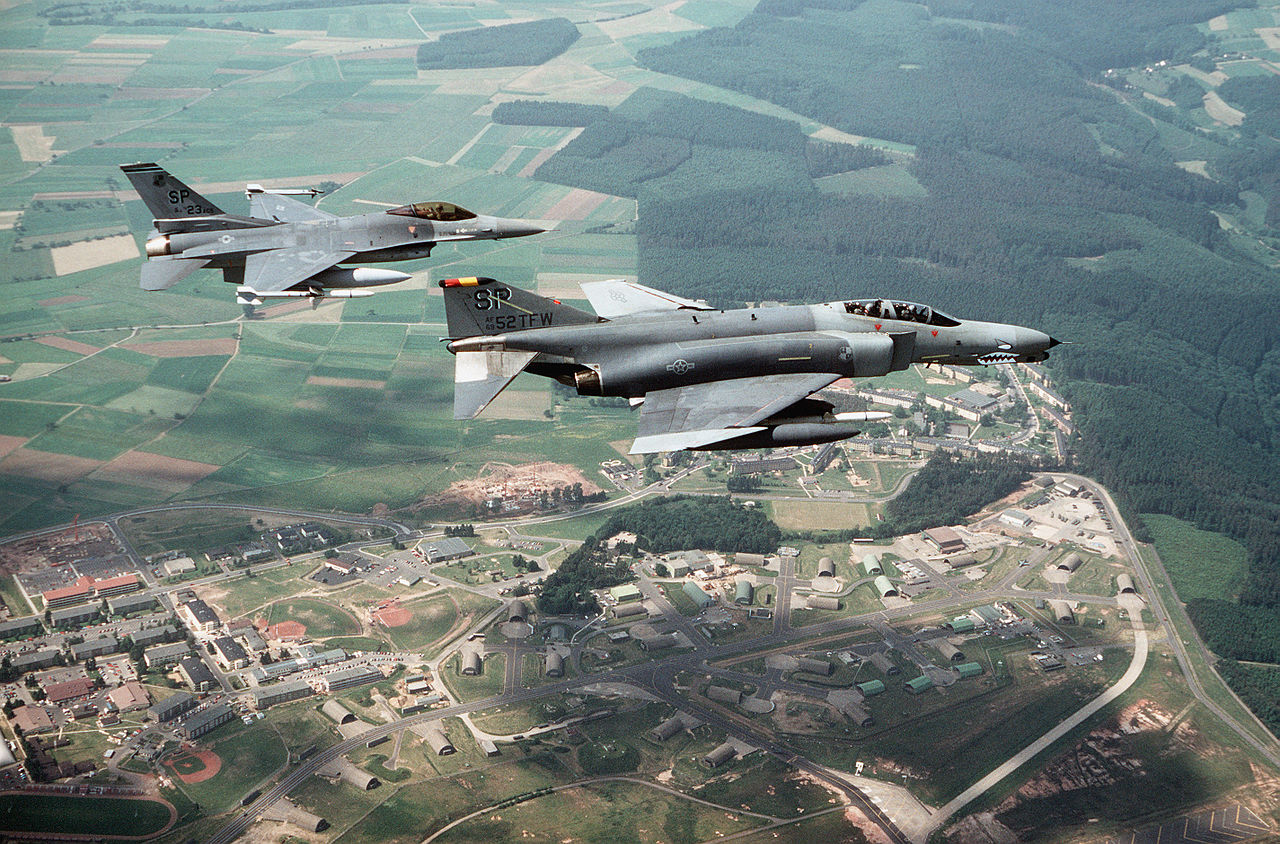
A F-4G Phantom II (foreground) and a F-16C Fighting Falcon of the 23rd Tactical Fighter Squadron, both assigned to the 52nd Tactical Fighter Wing, fly over Spangdahlem AB during 1989
The 52d made history in 1997 with its first-ever deployment to a former Warsaw Pact nation. In September the 52nd participated in EAGLE’S TALON-97, the first bilateral exercise involving US and Polish Air Forces. Units from the 52nd deployed under the air expeditionary force (AEF) doctrine and formed the 52nd Air Expeditionary Wing, operating out of Powidz AB, Krzesiny AB, and Poznan, Poland.
Mission change
During the second quarter of FY 99, the 52nd witnessed the inactivation of the 53rd Fighter Squadron. The 53rd had called Spangdahlem Air Base home since February 1994 when the squadron moved from Bitburg Air Base. As the squadron prepared for its inactivation in March 1999, all of the F-15s were transferred to the 1st Fighter Wing at Langley AFB, Virginia (USA), or to the 48th Fighter Wing at RAF Lakenheath, United Kingdom.
In April 2010, the wing’s strength was reduced by one third. 20 F-16Cs were flown to the 148th Fighter Wing, Minnesota Air National Guard and one F-16 was transferred to Edwards Air Force Base, California. All aircraft were from the 22nd Fighter Squadron. As a result of the drawdown of F-16s, the 22d and 23d Fighter Squadrons were inactivated on 13th August 2010 and formed a single “new” squadron, the 480th Fighter Squadron. In February 2012, it was announced that the 81st Fighter Squadron would be inactivated in 2013, leaving the 52nd Fighter Wing with just one squadron.
In February 2015, the 354th Fighter Squadron was deployed from Davis-Monthan Air Force Base to Spangdahlem in support of Operation Atlantic Resolve with twelve A-10Cs and approximately 300 airmen. The unit will train alongside NATO allies and deploy to locations in Eastern European NATO nations to further enhance interoperability. The A-10s were the first of several theater security package deployments to Europe, U.S. Air Force officials said, adding that rotations generally will last six months, depending on mission and United States European Command requirements.
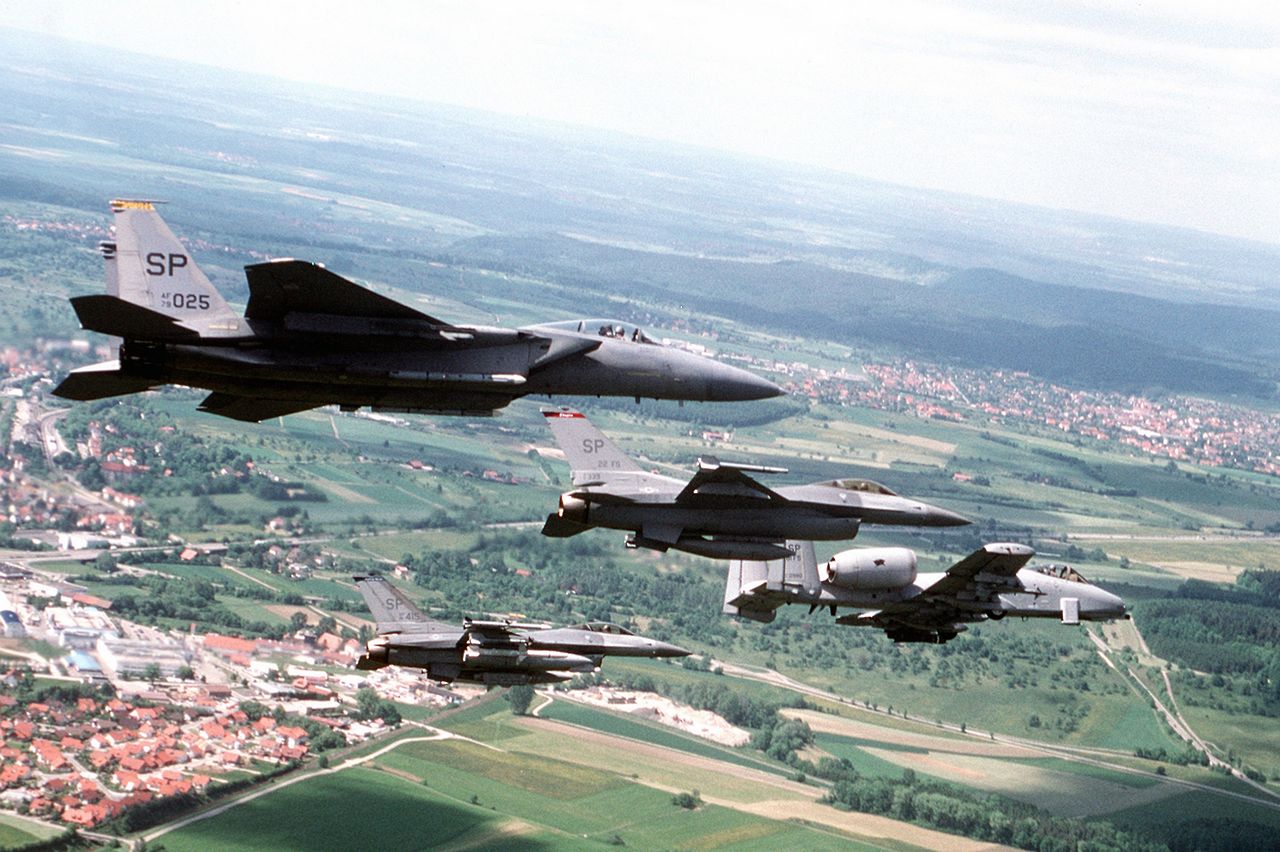
An F-15C Eagle, two F-16C Fighting Falcons and an A-10A Thunderbolt II, all of the 52nd Fighter Wing over Germany during 1997
European posture review
On 8th January 2015 the US Secretary of Defense announced the results of the European Infrastructure Consolidation (EIC) review, which was to realign several missions in US Air Forces in Europe and Air Forces Africa. Under the EIC, changes would be made to the mission at Spangdahlem, including the relocation of the 606th Air Control Squadron to Aviano Air Base, Italy, in order to free up space and infrastructure for the future relocation of the 352nd Special Operations Group from RAF Mildenhall, UK.
The US European Command Force Posture review was announced on 29th July 2020, which indicated the US military would be reducing its presence at Spangdahlem. The 480th Fighter Squadron and its F-16 Fighting Falcons and other elements of the 52nd Fighter Wing were planned to relocate to Italy, whilst units based at RAF Mildenhall, which had been scheduled to relocate to Spangdahlem, would no longer move. Following the announcement, officials at the 52nd Fighter Wing said that Spangdahlem would remain open to carry out other missions carried out by the wing, separate from F-16 operations. However, in February 2021, the plans were put on hold as the Biden administration reviewed the previous administration’s proposals. It was confirmed in December 2021 as part of the Department of Defense’s Global Posture Review that the planned move of F-16s had been cancelled.
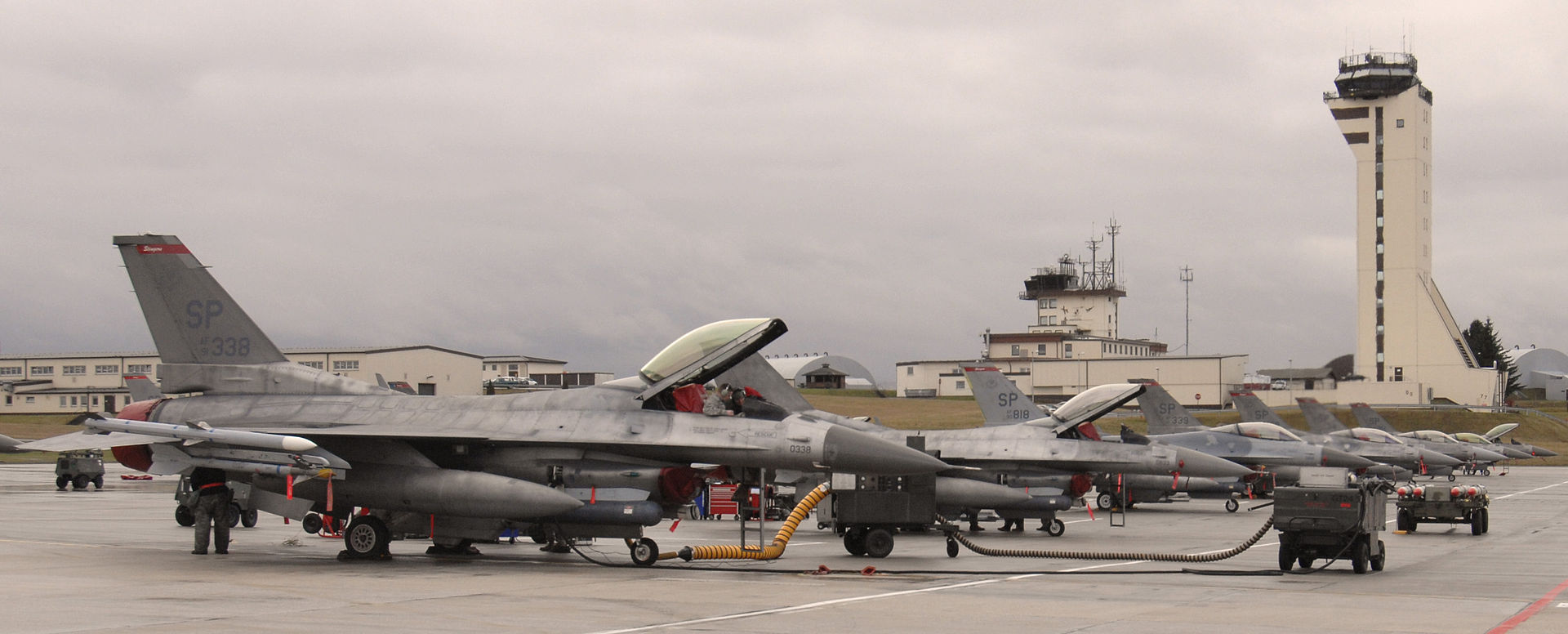
F-16 Fighting Falcons of the 52nd Fighter Wing parked at Spangdahlem Air Base during 2010
2022 Russian invasion of Ukraine
In the wake of the 2022 Russian invasion of Ukraine, twelve F-35A Lightning II fighters of the 34th Fighter Squadron, based at Hill Air Force Base in Utah deployed to Spangdahlem in February 2022. In March 2022, they were joined by four KC-135 Stratotankers of the 92nd Air Refueling Wing, based at Fairchild Air Force Base, as well as six EA-18G Growler electronic warfare aircraft of the US Navy’s Electronic Attack Squadron 134 (VAQ-134), based at Naval Air Station Whidbey Island
Role and operations
Air combat
Spangdahlem is home of the 52nd Fighter Wing, which maintains, deploys and employs Lockheed Martin Block 50 F-16CM/DM. The wing supports the Supreme Allied Commander Europe with mission-ready personnel and systems providing expeditionary air power. The wing also supports contingencies and operations other than war.
The wing also supports geographically separate units throughout Europe, including the 701st Munitions Support Squadron, Kleine Brogel AB, Belgium; 702rd Munitions Support Squadron, Büchel AB, Germany; 703rd Munitions Support Squadron, Volkel AB, Netherlands; and 704th Munitions Support Squadron, Ghedi AB, Italy. Each squadron is responsible for the ownership, custody, accountability and release of war reserve munitions.
Air mobility
Air Mobility Command (AMC) supports cargo and passenger traffic at Spangdahlem. With the closure of the Rhein-Main Air Base in 2005, the Rhein-Main Transition Program was initiated to transfer all its former transport capacities to Ramstein Air Base (70%) and Spangdahlem AB (30%). The 726th Air Mobility Squadron supports cargo and passenger traffic as part of its airlift mission, providing command and control, maintenance and aerial port capability to all AMC aircraft transiting the base.
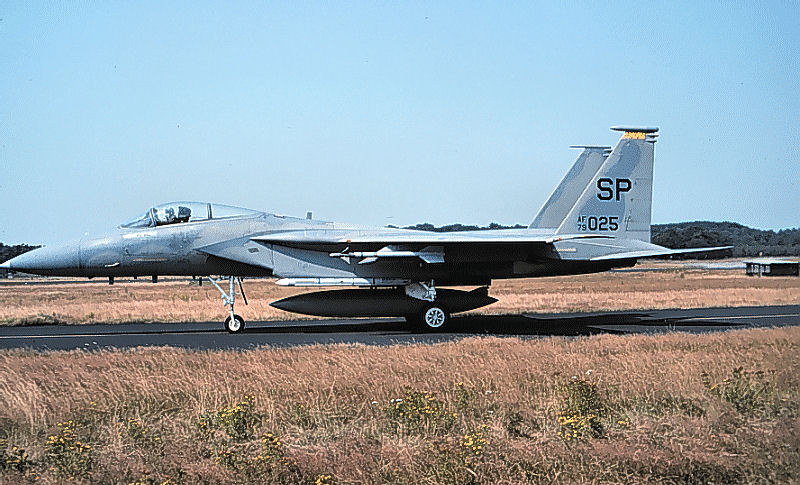
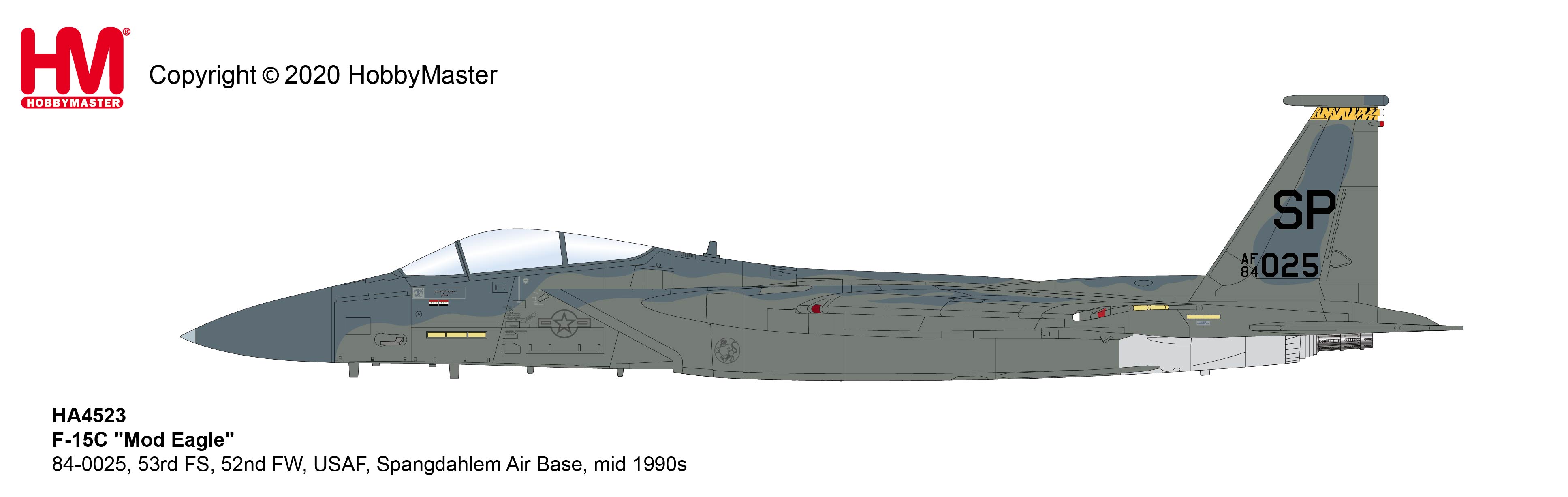
53rd Fighter Squadron – SP – McDonnell Douglas F-15C-24-MC Eagle – 79-0025
Hobbymaster 1/72nd scale McDonnell Douglas F-15C “Mod Eagle” 84-0025, 53rd FS, 52nd FW, USAF, Spangdahlem Air Base, mid 1990s
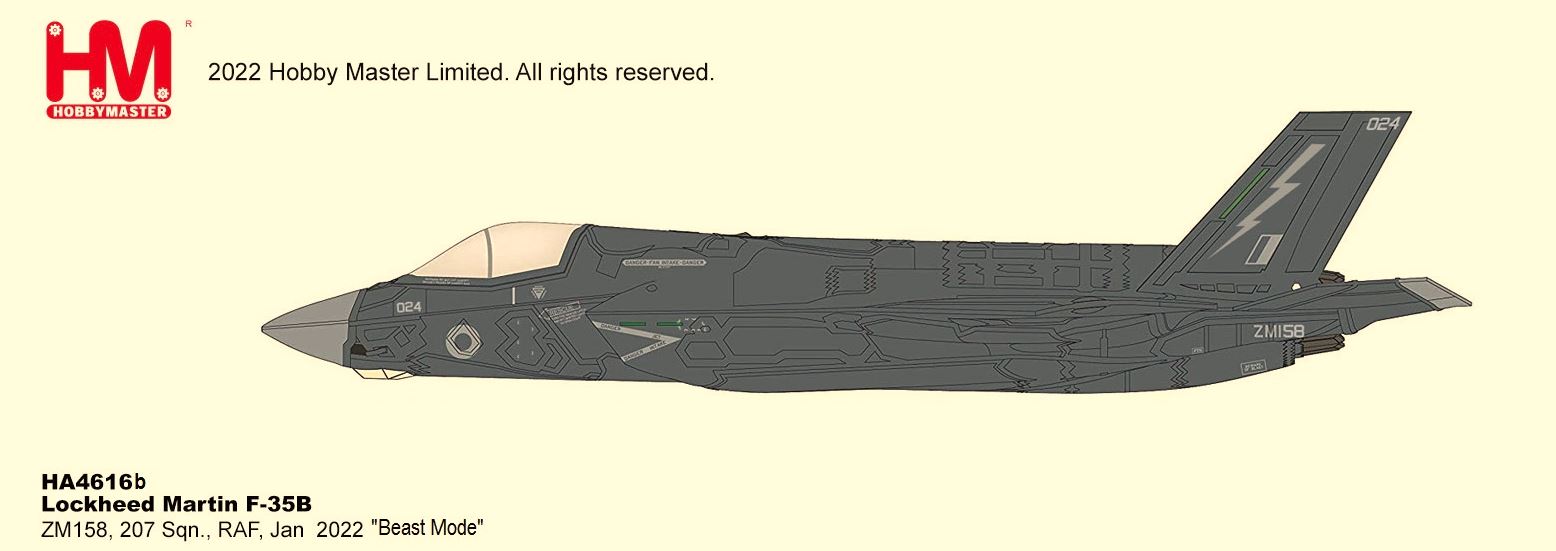
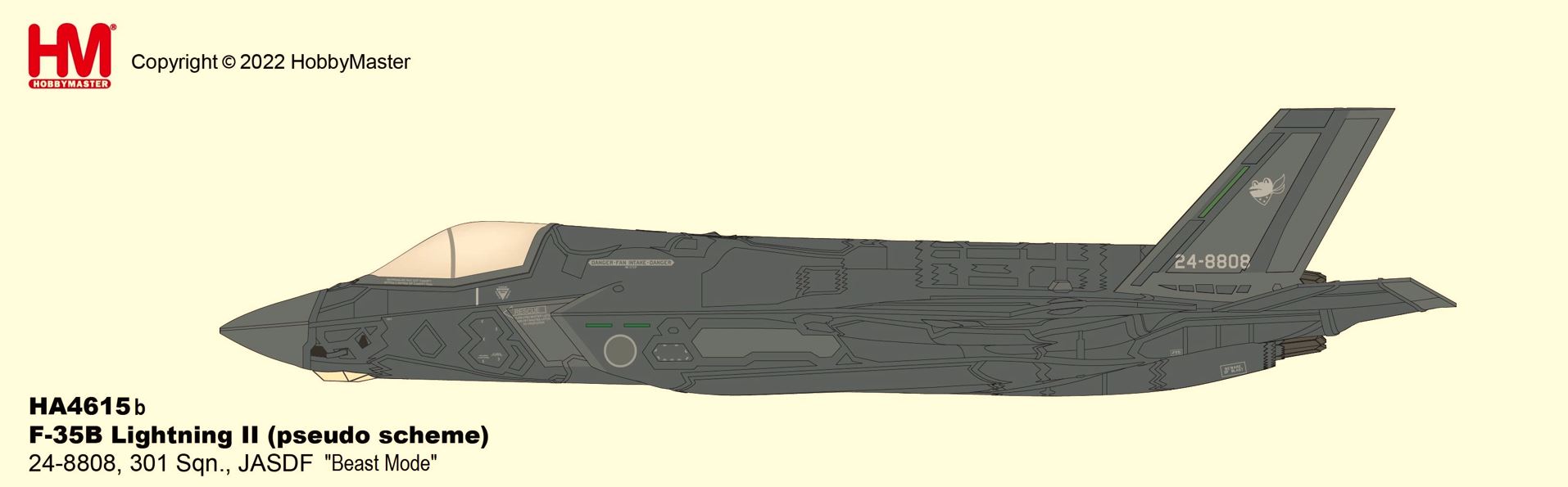
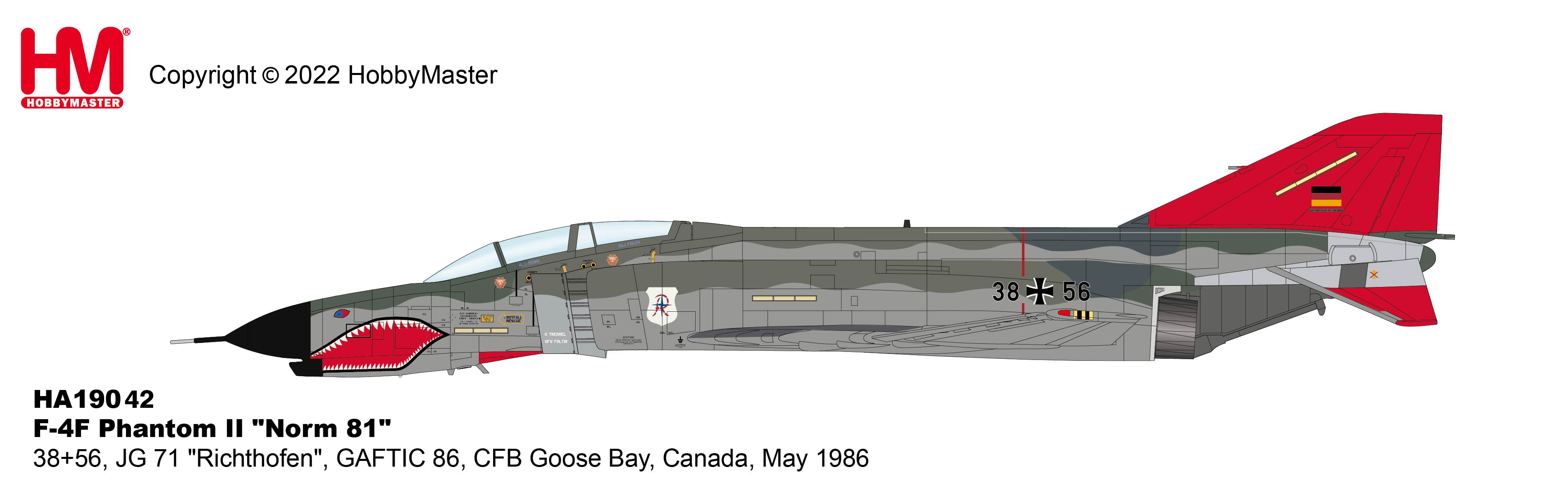
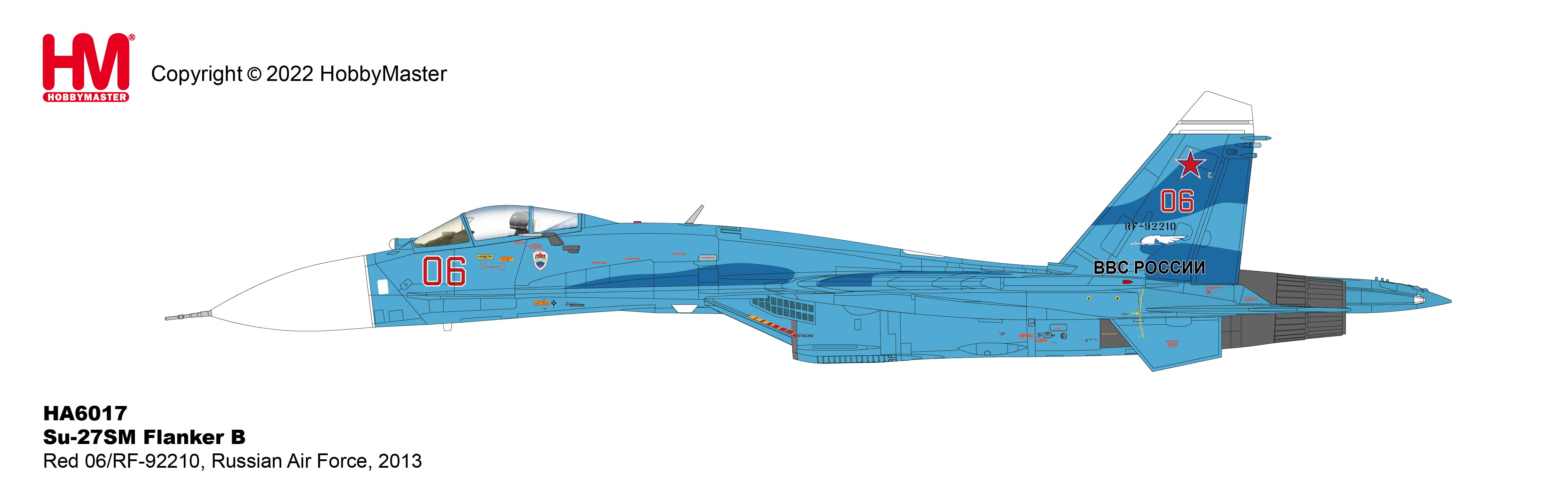
Check out the latest Spangdahlem based aircraft model available to pre-order from Flying Tigers. Please click on the image or link below to go straight to the model page.
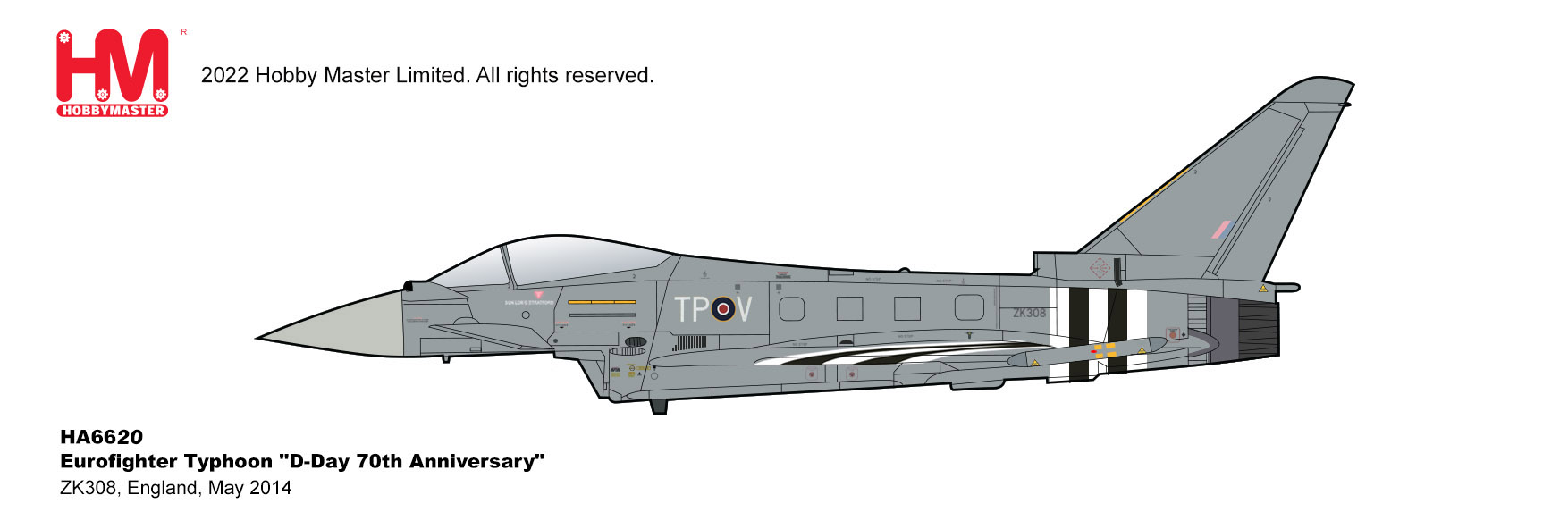
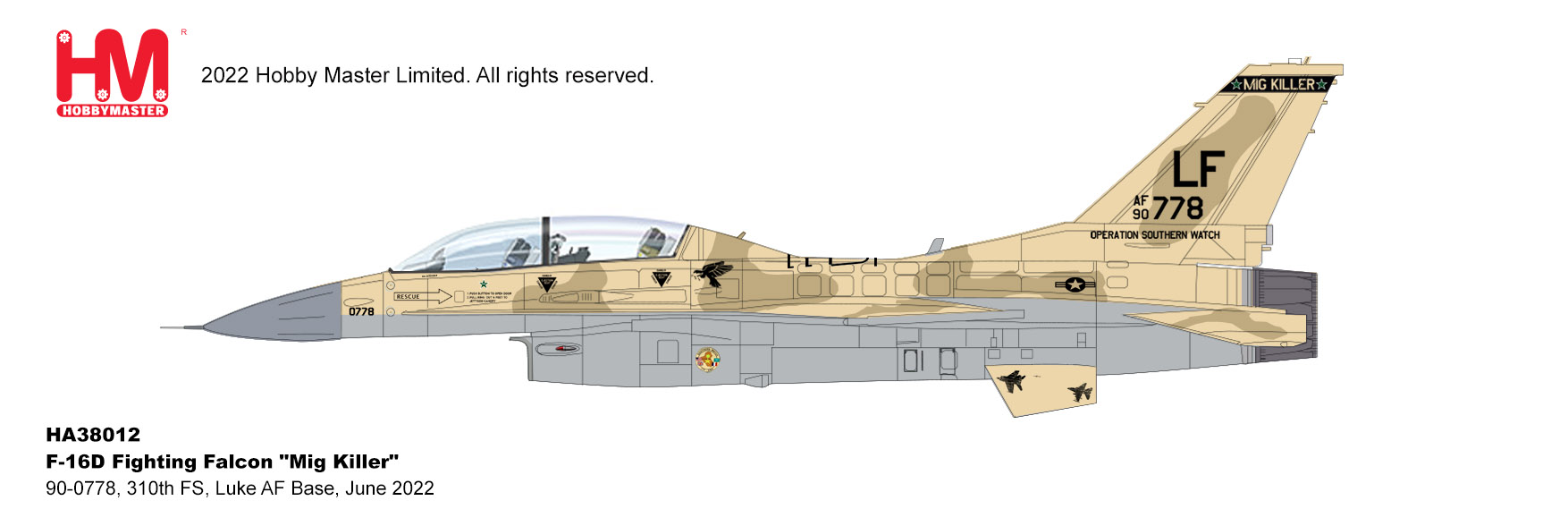
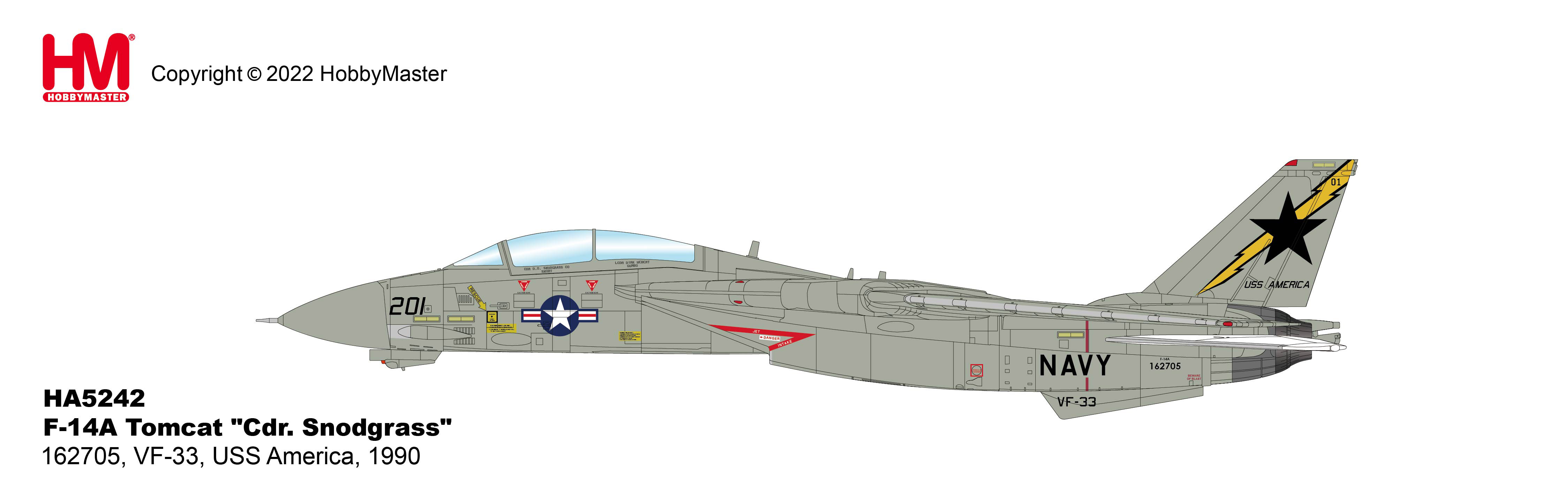
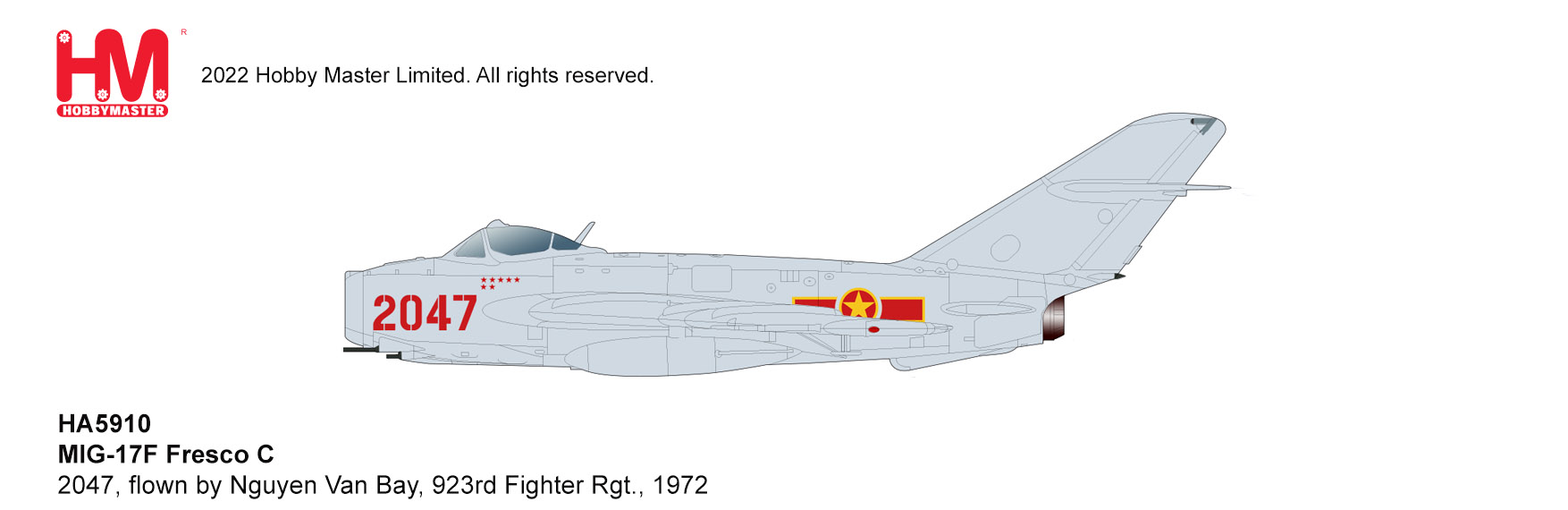
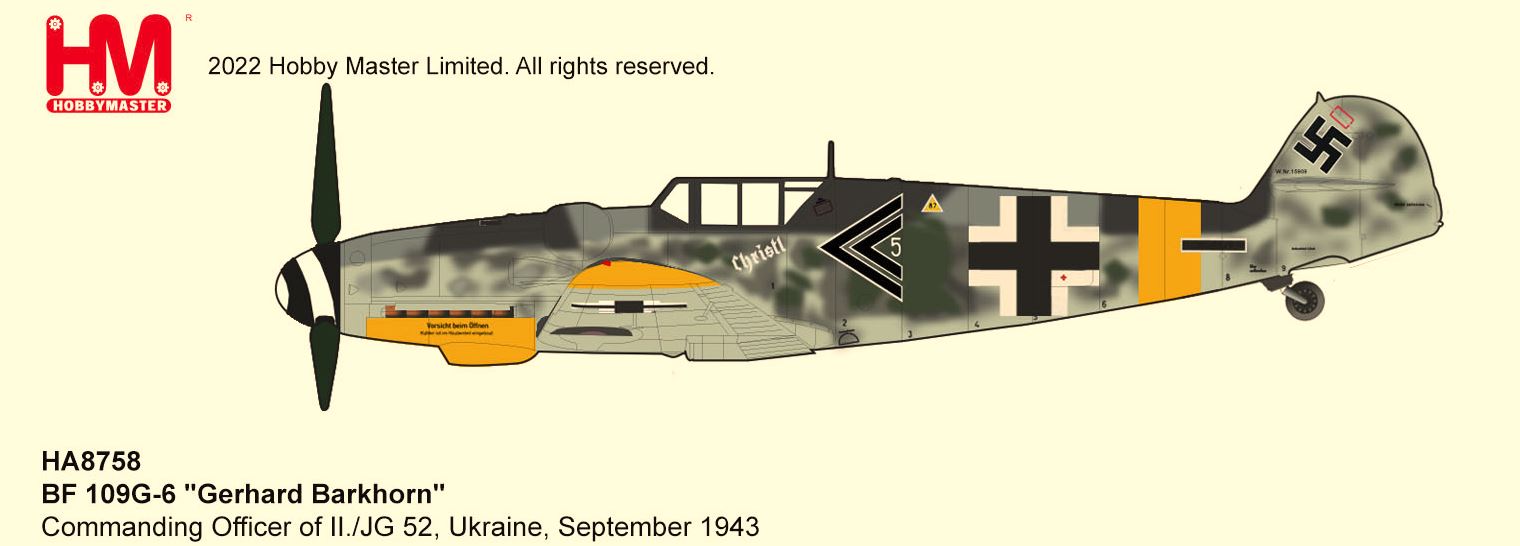
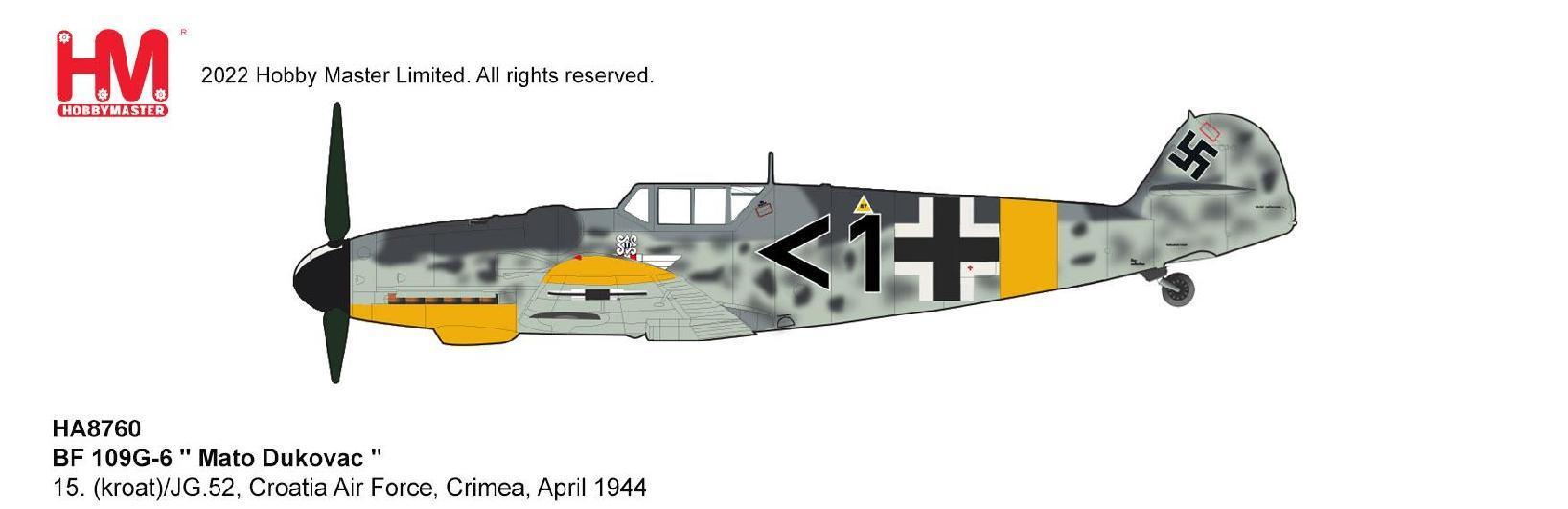
Hobbymaster New Model Announcements.
Check out the latest Hobbymaster models which are now available to pre-order at Flying Tigers today.
Don’t forget NO DEPOSIT necessary with Flying Tigers and if you order with your debit or credit card your payment is not taken until your model is available to dispatch.
Flying Tigers will also consolidate your orders to save on postage costs across all brands !
Please click on the images / links below to go to the model of your choice, or CLICK HERE to see them all.



New 2022 Corgi Aviation Archive models now in stock.
The following Corgi Aviation Archive models are now in stock. If you haven’t ordered yours yet and you want one please visit the website to order your now.
Please click on the images / links below to go to the model of your choice.
Following their successful amphibious invasion of the Falkland Islands in April 1982, if the Argentinean government were hoping that the 8,000 mile distance between them and the British mainland would present them with an uncontested territorial victory, they had seriously underestimated the situation. Just one day after their troops had secured Port Stanley, the British Government announced they would be sending a powerful naval Task Force to re-take the Islands, built around the two aircraft carriers HMS Hermes and HMS Invincible, with their compliment of highly capable Sea Harrier FRS.1 jets.
The relatively small size of the Sea Harrier enabled the Fleet Air Arm to retain a fixed-wing fleet defender aircraft capability and armed with the latest AIM-9L Sidewinder air to air missile, the Sea Harrier was an exceptional aeroplane, but one which would be tested to the full if a diplomatic resolution to the Falklands situation could not be negotiated as the Task Force steamed south. With just 20 Sea Harrier FRS.1 aircraft onboard the two carriers which left Portsmouth on 5th April, their pilots knew they would be facing overwhelming odds if called into combat, however, they were well trained and extremely confident in both their own abilities and the fighting qualities of their unique aircraft.
As the powerful British naval Task Force left Portsmouth harbour bound for the South Atlantic on 5th April 1982, it only had a modest force of 20 Sea Harrier FRS.1 jets aboard the two aircraft carriers Hermes and Invincible, which at that time were still wearing their respective FAA Squadron markings. In preparation for the coming air battles, all aircraft would be made ‘low visibility’ by having their white areas and all squadron markings overpainted during the voyage, using brushes on HMS Hermes and spraying equipment on HMS Invincible.
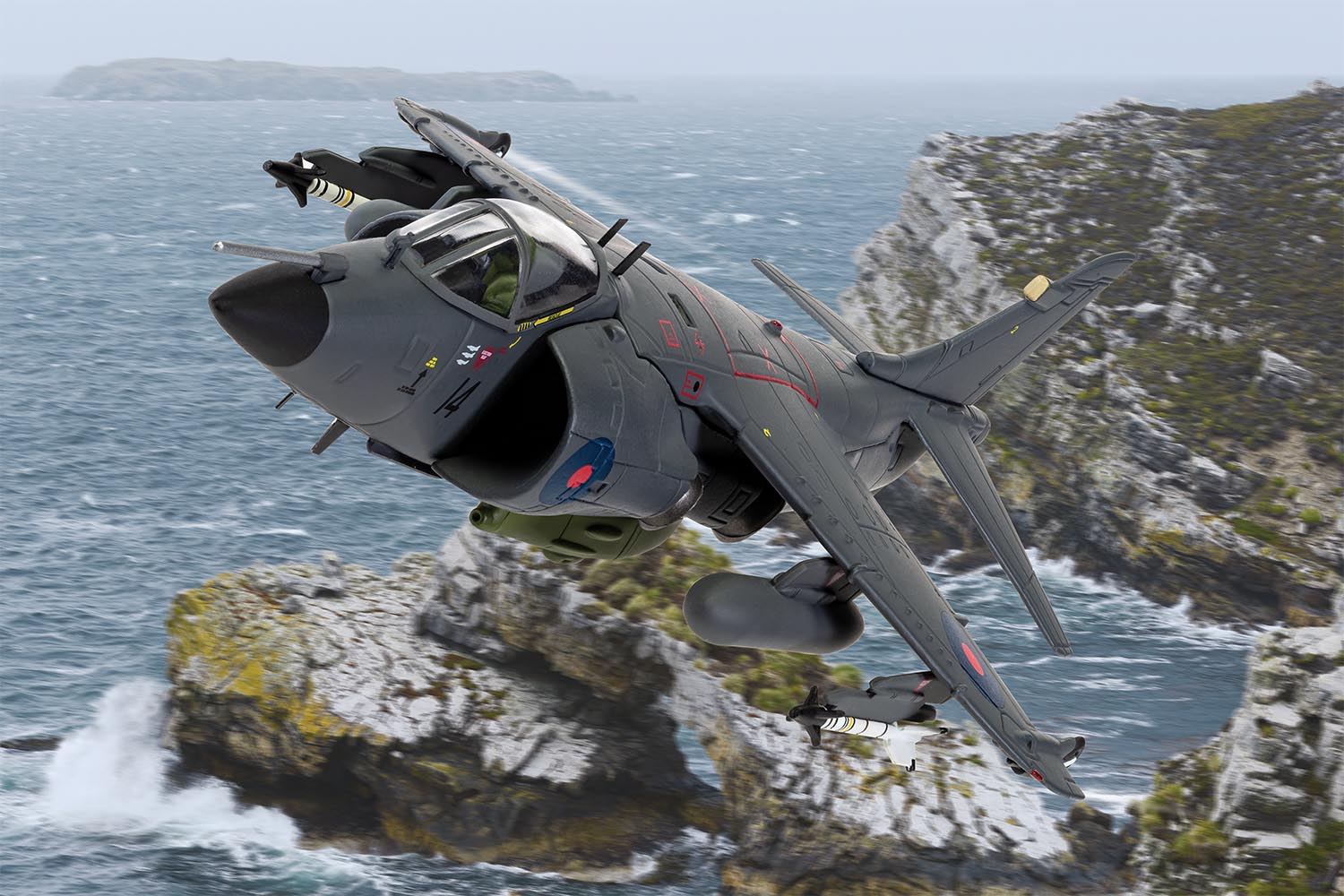
These aircraft would later be joined by a further eight Sea Harriers, which were initially being hastily prepared, having been either taken from storage or re-assigned from other duties, meeting up with the Task Force later at Ascension Island. Making its first flight on 15th December 1979, Sea Harrier FRS.1 XZ457 arrived aboard HMS Hermes for South Atlantic deployment on 2nd April 1982 and would soon lose her No.899 NAS identity, becoming ‘Black 14’ of the HMS Hermes Air Group. Once the Task Force had arrived in the South Atlantic, she would be used to deliver three delayed action 1,000lb bombs on the airfield at Goose Green, just hours after the RAF had bombed Port Stanley Airfield after mounting the first of their ‘Black Buck’ Vulcan raids.On the 21st May, when piloted by Lt. Clive Morrell, this Sea Harrier destroyed an Argentinean A4 Skyhawk with a Sidewinder missile and damaged a second using cannon fire from its ADEN gun pods. Three days later, Lt. Cdr. Andy Auld used XZ457 to destroy two Argentinean Israeli built IAI Daggers, again using the effective AIM-9L Sidewinder missiles it was equipped with. By the end of hostilities on 14th June 1982, Sea Harrier XZ457 had flown an impressive 66 operational sorties, dropped three 1000lb bombs, fired 680 rounds of 30mm cannon ammunition and fired three AIM-9L Sidewinder missiles. As the top scoring Sea Harrier aboard HMS Hermes, she returned to Portsmouth sporting victory profile stencils below her cockpit, on the port side of the fuselage – two IAI Daggers above an A4 Skyhawk. Sea Harriers from HMS Hermes flew 1,126 sorties during the Falklands Conflict and had an impressive 16 aerial victories to their name – Lt. Cdr. Andy Auld flew 62 combat missions and would have two of those victories credited to him.Later upgraded to FA2 standard, this historic aircraft is now one of the prized aviation possessions in the care of the Boscombe Down Aviation Museum, where she is now on display.
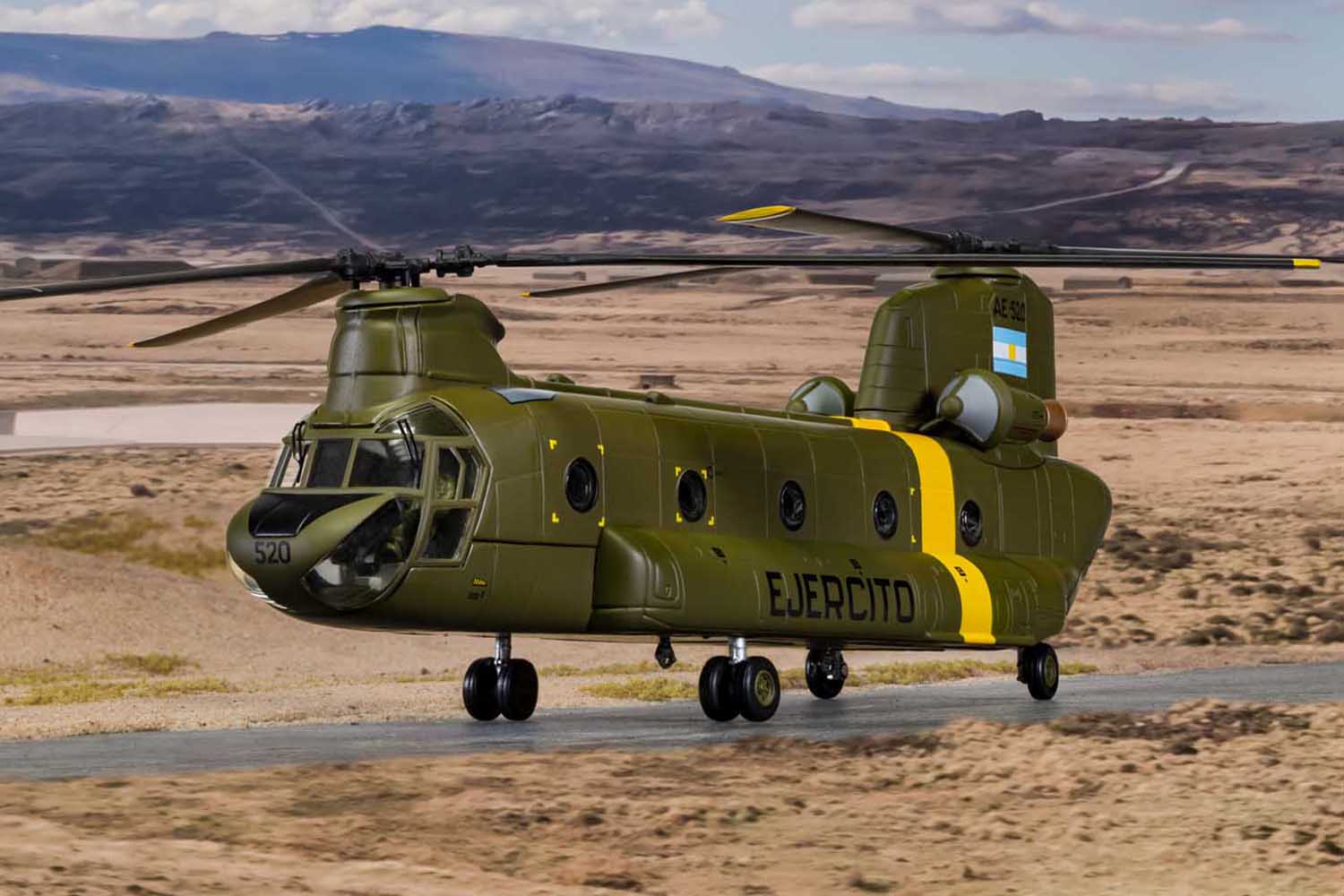
When an Argentinean scrap metal salvage team landed at a derelict whaling station on South Georgia in March 1982 and immediately ran up an Argentinean flag, little did they know that this relatively innocuous incident would spark one of the most serious international military confrontations of the post war years. A small British military force aboard HMS Endurance was dispatched from Port Stanley to remove the Argentinians, a move which would escalate the situation dramatically. On receipt of this information, the new political regime in Buenos Aires, keen to bolster nationalist fervour in the country, immediately put full invasion plans in place and on the morning of 2nd April 1982, a small force of commando troops landed on the Islands to be followed by a much larger amphibious force, far stronger than was needed to achieve their objective. Despite the valiant efforts of the small force of Royal Marines troops based on the Island, the Governor ordered them to cease firing at 09.25, fearing the intense fighting would put the lives of civilians at risk. With Argentinean forces now in control of the Islands, the task of moving in more troops, supplies and heavier equipment began in earnest, as military planners and government officials awaited the British response. They were hoping that possession of the Islands would give them a significant advantage and that a positive resolution for Argentina could be negotiated without the need for conflict, however, by the following day, they had their answer and knew what they would be facing. With the world now watching, the British Government announced that they would be sending a powerful naval Task Force to retake the Islands without delay and the South Atlantic was heading for conflict. As the South Atlantic erupted into conflict during April 1982, the need to effectively transport and supply troops in the battle zone was brought starkly into focus. The most effective aircraft for this task during the Falkland air war was the mighty Boeing CH-47 Chinook, with both British and Argentinean forces deploying examples of these helicopters to theatre, but with all but one of the British machines destroyed during the Exocet missile attack on the Atlantic Conveyor, the ship on which they were being transported. Once Argentinean forces had landed and secured the Islands, the two serviceable Chinooks they had available at that time were flown in to operate from Stanley Airport – AE-521 would be the harder working of the two aircraft, until it was destroyed on the ground by cannon fire from a Harrier jet, whilst AE-520, the aircraft modelled here, was apparently beset with persistent engine problems and used rarely. Following the surrender of Argentinean forces, Chinook AE-520 was discovered relatively intact on land behind the Governor’s residence and was later stripped of parts and sent back to the UK. Interestingly, the RAF’s famous ‘Bravo November’ Chinook which was the only British CH-47 to take part in the conflict, suffered damage to its port cockpit door during operational use and a replacement was fitted using one taken from the captured Argentinean machine.Later transported to RNAY Fleetlands in Hampshire, the captured Chinook was given a UK serial number and used as a ground instructional airframe, but that was not to be the final chapter in this fascinating story. Royal Air Force Chinook HC.2 ZA704 sustained significant damage conducting a run-on landing whilst on exercise, with its rear rotors striking the ground and ripping off the aft transmission and rear rotor stack. Rather than scrap the aircraft, it was sent to Fleetlands, where engineers repaired ZA704 using components from the captured former Argentinean Chinook AE-520. With the aircraft eventually returning to squadron service, it is fascinating to think that parts from this captured Argentinean Falklands War Chinook continued flying on two serving RAF machines long after the end of the conflict.

With the ‘Black Buck 1’ bombing raid against Port Stanley Airport on the night of 30th April/1st May 1982 showing a watching world that Britain had both the capability and the resolve to mount such an audacious strike attack, Argentinean forces occupying the Falkland Islands knew they about to face a committed enemy and could come under attack at any moment. The ‘Black Buck’ raids required the use of a complex airborne refuelling plan, involving as many as eleven Victor tankers to get a single Vulcan over its intended target and seven such operations would ultimately be planned. ‘Black Buck 6’ was mounted in an attempt to take out Argentinean anti-aircraft radar installations on the Falkland Islands and would see Avro Vulcan B.2 XM597 equipped with four AGM-45 ‘Shrike’ missiles for the task. Loitering over Stanley Airfield for 40 minutes in an attempt to try and get radar operators to turn on their equipment, two missiles were eventually fired and a Skyguard fire control radar unit destroyed, but with lack of fuel now a major concern, the Vulcan headed back to rendezvous with a waiting Victor tanker over the ocean.
Unfortunately, the Vulcan’s refuelling probe broke during the transfer procedure and the aircraft’s Captain was left with just two options – ditch his aircraft in the ocean, or attempt a divert to land at Rio de Janeiro Airport. Heading for Brazil, the aircraft put out a mayday call and requested an immediate fuel critical landing at the nearest airport. At the same time, crew members threw sensitive documents into the ocean and attempted to ditch the two remaining Shrike missiles prior to landing, but despite their best efforts, one simply refused to release. Controllers in Brazil were becoming increasingly irate and would not grant authority until the aircraft identified itself and its airport of departure, also scrambling a pair of fighter jets to intercept the approaching aircraft. After several minutes of increasingly heated conversation, the Vulcan Captain informed the controller, ‘We are a British aircraft low on fuel, with a loss of cabin pressure and we are from Huddersfield!’ Finally cleared to land, the Vulcan touched down with so little fuel remaining that it would not have had enough to make a circuit of the airfield, but significantly with a single Shrike missile still attached to its pylon. With the aircraft now impounded, the crew would have some difficult questions to answer over the next few days.
Eventually, a high-level diplomatic deal was struck to release the Vulcan and its crew, with a fully fuelled up aircraft allowed to head back to Ascension Island on 10th June 1982, in return for spare parts for Brazilian military Lynx helicopters. The covertly supplied Shrike missile remained in Brazil. Avro Vulcan B.2 XM597 had a new refuelling probe fitted at Wideawake Airfield and flew back to RAF Waddington on 13th June. The aircraft is now preserved at Scotland’s National Museum of Flight at East Fortune, East Lothian.
The amphibious invasion and occupation of the Falkland Islands by Argentinean forces on 2nd April 1982 resulted in military planning which had already been taking place in Britain increasing in pace dramatically. In addition to assembling a powerful naval Task Force, planners were also exploring ways in which they could prevent the main airport at Port Stanley from being used as a base from where Argentinean strike jets could operate from, with their fleet of ageing Avro Vulcan B.2 bombers seen as being the only option for such a mission. As the Vulcan was scheduled for service withdrawal later that same year, the use of these Cold War sentinels for this huge undertaking would not be without its challenges and was underlined by the fact that the aircraft didn’t even have all the bomb rack components they were going to need for the task – these had to be bought back from the scrap metal dealer they had previously been sold to. The aircraft would also have to be given an in-flight refuelling capability if this plan was to be a viable one, so this was a time of feverish activity at Vulcan stations. On 29th April, just two weeks after training had begun, the first two Avro Vulcan bombers left RAF Waddington and set out for Ascension Island, arriving nine hours later having flown non-stop to Wideawake Airfield, refuelling from supporting Victor tankers twice each during the flight. On the night of 30th April/1st May, ‘Operation Black Buck 1’ saw Vulcan XM607 bomb the runway at Port Stanley, which was at that time, the longest-range bombing mission ever attempted.
In an attempt to neutralise Argentinean anti-aircraft radar installations operating at Port Stanley Airport during the Falklands War, the RAF mounted the sixth of their long-range ‘Black Buck’ missions, sending Avro Vulcan B.2 XM597 carrying four AGM-45 ‘Shrike’ anti-radiation missiles to undertake this specialised task. Loitering over Stanley Airfield for 40 minutes as they tempted radar operators to turn on their equipment so they could be targeted, two missiles were eventually fired and a Skyguard fire control radar unit destroyed, but with lack of fuel now a major concern, the Vulcan headed out to sea and a rendezvous with a waiting Victor tanker.
The refuelling procedure did not go to plan and a broken probe left the pilot with just two options – either ditch the aircraft in the ocean or attempt an unauthorised divert to Brazil. Heading for Rio de Janeiro airport, the Vulcan broadcast a mayday call requesting an immediate fuel critical landing, whilst at the same time attempting to jettison the two unused Shrike missiles, along with the many sensitive documents they had on board. Safely landing, but with so little fuel left they could not have stayed in the air for a minute longer, the Vulcan touched down with one of the Shrike missiles still attached to its pylon, creating an embarrassing international incident as the Falklands War raged on.
Thank you for reading this week’s Newletter.
Richard
Flying Tigers.