Entrance plaza at the Skunk Works in Palmdale, California
Skunk Works is an official pseudonym for Lockheed Martin’s Advanced Development Programs (ADP), formerly called Lockheed Advanced Development Projects. It is responsible for a number of aircraft designs, including the U-2, the Lockheed SR-71 Blackbird, the Lockheed F-117 Nighthawk, Lockheed Martin F-22 Raptor, and the Lockheed Martin F-35 Lightning II, which are used in the air forces of several countries. Its name was taken from the moonshine factory in the comic strip Li’l Abner. The designation “skunk works” or “skunkworks” is widely used in business, engineering, and technical fields to describe a group within an organization given a high degree of autonomy and unhampered by bureaucracy, with the task of working on advanced or secret projects.
History
There are conflicting observations about the birth of Skunk Works.
Ben Rich and “Kelly” Johnson set the origin as June 1943 in Burbank, California; they relate essentially the same chronology in their autobiographies. Theirs is the official Lockheed Skunk Works story:-
“The Air Tactical Service Command (ATSC) of the Army Air Force met with Lockheed Aircraft Corporation to express its need for a jet fighter. A rapidly growing German jet threat gave Lockheed an opportunity to develop an airframe around the most powerful jet engine that the allied forces had access to, the British Goblin. Lockheed was chosen to develop the jet because of its past interest in jet development and its previous contracts with the Air Force. One month after the ATSC and Lockheed meeting, the young engineer Clarence L. “Kelly” Johnson and other associate engineers hand delivered the initial XP-80 proposal to the ATSC. Two days later the go-ahead was given to Lockheed to start development and the Skunk Works was born, with Kelly Johnson at the helm. The formal contract for the XP-80 did not arrive at Lockheed until October 16th, 1943; some four months after work had already begun. This would prove to be a common practice within the Skunk Works. Many times a customer would come to the Skunk Works with a request and on a handshake the project would begin, no contracts in place, no official submittal process. Kelly Johnson and his Skunk Works team designed and built the XP-80 in only 143 days, seven fewer than was required.

Kelly Johnson and Amelia Earhart.
Warren M. Bodie, journalist, historian, and Skunk Works engineer from 1977 to 1984, wrote that engineering independence, elitism and secrecy of the Skunk Works variety were demonstrated earlier when Lockheed was asked by Lieutenant Benjamin S. Kelsey (later air force brigadier general) to build for the United States Army Air Corps a high speed, high altitude fighter to compete with German aircraft. In July 1938, while the rest of Lockheed was busy tooling up to build Hudson reconnaissance bombers to fill a British contract, a small group of engineers was assigned to fabricate the first prototype of what would become the P-38 Lightning. Kelly Johnson set them apart from the rest of the factory in a walled-off section of one building, off limits to all but those involved directly. Secretly, a number of advanced features were being incorporated into the new fighter including a significant structural revolution in which the aluminum skin of the aircraft was joggled, fitted and flush-riveted, a design innovation not called for in the army’s specification but one that would yield less aerodynamic drag and give greater strength with lower mass. As a result, the XP-38 was the first 400 mph fighter in the world. In November 1941, Kelsey gave the unofficial nod to Johnson and the P-38 team to engineer a drop tank system to extend range for the fighter, and they completed the initial research and development without a contract. When the Army Air Forces officially asked for a range extension solution it was ready. Some of the group of independent-minded engineers were later involved with the XP-80 project, the prototype of the P-80 Shooting Star.
Mary G. Ross, the first Native American female engineer, was among the 40 founding engineers.
According to Lockheed Martin, the origin of the name supposedly comes from a comic strip named “Li’l Abner”, where there was reference to a place called “Skonk Works” where a strong beverage was brewed from skunks, old shoes and other ingredients.
1950s to 1990s
In 1955, the Skunk Works received a contract from the CIA to build a spyplane known as the U-2 with the intention of flying over the Soviet Union and photographing sites of strategic interest. The U-2 was tested at Groom Lake in the Nevada desert, and the Flight Test Engineer in charge was Joseph F. Ware, Jr. The first overflight took place on July 4th 1956. The U-2 ceased overflights when Francis Gary Powers was shot down during a mission on May 1st, 1960, while over Russia.

Assembly line of the SR-71 Blackbird at Skunk Works
The Skunk Works had predicted that the U-2 would have a limited operational life over the Soviet Union. The CIA agreed. In late 1959, the Skunk Works received a contract to build five A-12 aircraft at a cost of $96 million. Building a Mach 3.0+ aircraft out of titanium posed enormous difficulties, and the first flight did not occur until 1962. (Titanium supply was largely dominated by the Soviet Union, so the CIA set up a dummy corporation to acquire source material.) Several years later, the U.S. Air Force became interested in the design, and it ordered the SR-71 Blackbird, a two-seater version of the A-12. This aircraft first flew in 1966 and remained in service until 1998.
The D-21 drone, similar in design to the Blackbird, was built to overfly the Lop Nur nuclear test facility in China. This drone was launched from the back of a specially modified A-12, known as M-21, of which there were two built. After a fatal mid-air collision on the fourth launch, the drones were re-built as D-21Bs, and launched with a rocket booster from B-52s. Four operational missions were conducted over China, but the camera packages were never successfully recovered.
Kelly Johnson headed the Skunk Works until 1975. He was succeeded by Ben Rich.
In 1976, the Skunk Works began production on a pair of stealth technology demonstrators for the U.S. Air Force named Have Blue in Building 82 at Burbank. These scaled-down demonstrators, built in only 18 months, were a revolutionary step forward in aviation technology because of their extremely small radar cross-section. After a series of successful test flights beginning in 1977, the Air force awarded Skunk Works the contract to build the F-117 stealth fighter on November 1st, 1978.
During the entirety of the Cold War, the Skunk Works was located in Burbank, California, on the eastern side of Burbank-Glendale-Pasadena Airport (34.200768°N 118.351826°W). After 1989, Lockheed reorganized its operations and relocated the Skunk Works to Site 10 at U.S. Air Force Plant 42 in Palmdale, California, where it remains in operation today. Most of the old Skunk Works buildings in Burbank were demolished in the late 1990s to make room for parking lots. One main building still remains at 2777 Ontario Street in Burbank (near San Fernando Road), now used as an office building for digital film post production and sound mixing. During the late 1990s when designing Pixar’s building, Edwin Catmull and Steve Jobs visited a Skunkworks Building which influenced Steve’s design.
In 2009, the Skunk Works was inducted into the International Air & Space Hall of Fame at the San Diego Air & Space Museum.
Projects / Aircraft
- Lockheed P-38 Lightning (unofficial)

P-38 Lightning
Lockheed engineers, including Kelly Johnson, helped design the P-38 in 1937and got it in production and flying by 1940, just in time for the U.S. entry into WWII the next year. Its unique design included twin tails, two supercharged engines, and an abbreviated cockpit section. It had a top speed of 400 mph, 100 mph faster than any other fighter in the world. It also carried more weapons than most other planes: four nose-mounted 50-caliber machine guns and a 20-mm cannon. More than 10,000 P-38s in 18 variations were built.
- Lockheed P-80 Shooting Star

P-80 Shooting Star
In 1943, toward the end of WWII, the Germans were soon to deploy the first jet fighter ever built, the Me-262. The U.S. Defense Dept tasked Lockheed with developing a jet fighter as quickly as possible. Johnson and his crew delivered the P-80 prototype in 143 days, a week ahead of schedule. It could fly 600 mph, carried six 50-caliber machine guns and could carry bombs under its wings. The P-80 didn’t fly in WWII, but it was the front-line fighter during the Korean War and it accounted for 75% of the enemy planes shot down in the initial months of that war. Variants of the P-80 flew up through 1997.
- Lockheed XF-90
- Lockheed F-104 Starfighter

F-104 Starfighter
The Skunkworks turned out the first F-104 in 1954, designing it to be a better fighter than the highly capable MiG-15s the Russians had supplied to Korea. It was revolutionary in that it was relatively inexpensive, could fly at Mach 2 on stubby but thin 7-ft. wings, and it was the first plane to carry a Vulcan Gatling cannon that could fire 6,000 rounds per minute. The plane carried enough for a seven-second burst. It could also carry air-to-air missiles and rockets, bombs, and nuclear weapons. The Starfighter was last manufactured in 1980.
- Lockheed U-2

U-2 Dragon Lady
It took the Skunkworks engineers just nine months to design and build the first U-2 spy plane in 1955. It could carry up to 5,000 lb of cameras, sensors, and data links, recording signal activity and sights of what is going on below and relaying it to ground stations. Current U-2s are powered by a G.E. engine that allow them to climb to 25,000 ft. at 15,000 feet per minute, and then the pilot uses a lower power setting to continue climbing to 70,000 ft. The engine is also efficient, giving the aircraft a range of over 3,000 miles and missions that last 6.5 hours. The last U-2 rolled off the production line in 1989 and there are said to be 32 currently in the Air Force fleet.
- Lockheed X-26 Frigate
- Lockheed YO-3
- Lockheed A-12
- Lockheed SR-71 Blackbird

A modern Skunk Works project leverages an older one: LASRE atop the SR-71 Blackbird.
After the Soviets shot down a U-2 in 1960, President Eisenhower asked Lockheed and its Skunkworks to build a spy plane that could fly so high and fast, no one could shoot it down. Twenty months later, the SR-71 was setting records that have yet to be broken. It could fly at Mach 3+, and not just in bursts but in a sustained curing mode. It could also climb to 85,000 ft.
- Lockheed D-21
- Lockheed XST (Have Blue)
- Lockheed F-117 Nighthawk

F-117 Nighthawk
In 1976, the Skunkworks got a contract to build a small, stealthy aircraft; it was one that Kelly Johnson had disapproved of based on its non-aerodynamic look and unconventional controls. But he had retired from the company and a new leader, Ben Rich, was fascinated by the new stealth technology. By 1981, the team had built a prototype, Have Blue, and gone on to a production version, the F-117. But despite the F in its name, it is actually a light-attack aircraft that can deliver one 1,000-lb bomb. It’s not a fighter aircraft and carries no air-to-air capability. About 123 were built and they are said to be have all been retired in 2008.
- Lockheed Martin F-22 Raptor

F-22 Raptor
The F-22 first flew in 1997 as part of a competition between aircraft companies to see which ones would build the next-generation fighter. Lockheed Martin, teamed with Boeing, won and 187 were operational by 2011. The assembly line is now closed down. The plane can fly supersonic without using afterburners and its top speed (without external bombs, fuel tanks, or electronic gear,) is estimated at Mach 1.87. Its twin engines can use thrust vectoring to quickly change direction or maintain otherwise impossible angle of attacks (over 60°).
- Lockheed Martin X-35 and Lockheed Martin F-35 Lightning II

F-35B Lightning II
- Lockheed X-27
- Lockheed Martin Polecat
- Quiet Supersonic Transport
- Lockheed Martin Cormorant
- Lockheed Martin Desert Hawk
- Lockheed Martin RQ-170 Sentinel
- Lockheed Martin X-55
- Lockheed Martin SR-72
- Lockheed Martin ES-3A
Term origin
The term “Skunk Works” came from Al Capp’s satirical, hillbilly comic strip Li’l Abner, which was immensely popular in the 1940s and 1950s. The “Skonk Works” was a dilapidated factory located on the remote outskirts of Dogpatch, in the backwoods of Kentucky. According to the strip, scores of locals were done in yearly by the toxic fumes of the concentrated “skonk oil”, which was brewed and barreled daily by “Big Barnsmell” (known as the lonely “inside man” at the Skonk Works), by grinding dead skunks and worn shoes into a smoldering still, for some mysterious, unspecified purpose.

The Skunk Works logo as seen on one of Lockheed Martin’s hangars.
The original Lockheed facility, during the development of the P-80 Shooting Star, was located adjacent to a malodorous plastics factory. According to Ben Rich’s memoir, an engineer jokingly showed up to work one day wearing a Civil Defense gas mask. To comment on the smell and the secrecy the project entailed, another engineer, Irv Culver, referred to the facility as “Skonk Works”. As the development was very secret, the employees were told to be careful even with how they answered phone calls. One day, when the Department of the Navy was trying to reach the Lockheed management for the P-80 project, the call was accidentally transferred to Culver’s desk. Culver answered the phone in his trademark fashion of the time, by picking up the phone and stating “Skonk Works, inside man Culver”. “What?” replied the voice at the other end. “Skonk Works”, Culver repeated. The name stuck. Culver later said at an interview conducted in 1993 that “when Kelly Johnson heard about the incident, he promptly fired me. It didn’t really matter, since he was firing me about twice a day anyways.”
At the request of the comic strip copyright holders, Lockheed changed the name of the advanced development company to “Skunk Works” in the 1960s. The name “Skunk Works” and the skunk design are now registered trademarks of the Lockheed Martin Corporation. The company also holds several registrations of it with the United States Patent and Trademark Office. They have filed several challenges against registrants of domain names containing variations on the term under anti-cybersquatting policies, and have lost a case under the .uk domain name dispute resolution service against a company selling cannabis seeds and paraphernalia, which used the word “skunkworks” in its domain name (referring to “Skunk”, a variety of the cannabis plant). Lockheed Martin claimed the company registered the domain in order to disrupt its business and that consumer confusion might result. The respondent company argued that Lockheed “used its size, resources and financial position to employ ‘bullyboy’ tactics against . . . a very small company.”
Australian company The Novita Group Pty Ltd owns the trademark “Skunkworks” in that country. After years of litigation the Australian government department IP Australia confirmed the trademark and awarded it to Novita against Lockheed Martin’s objections.

Skunk works aircraft
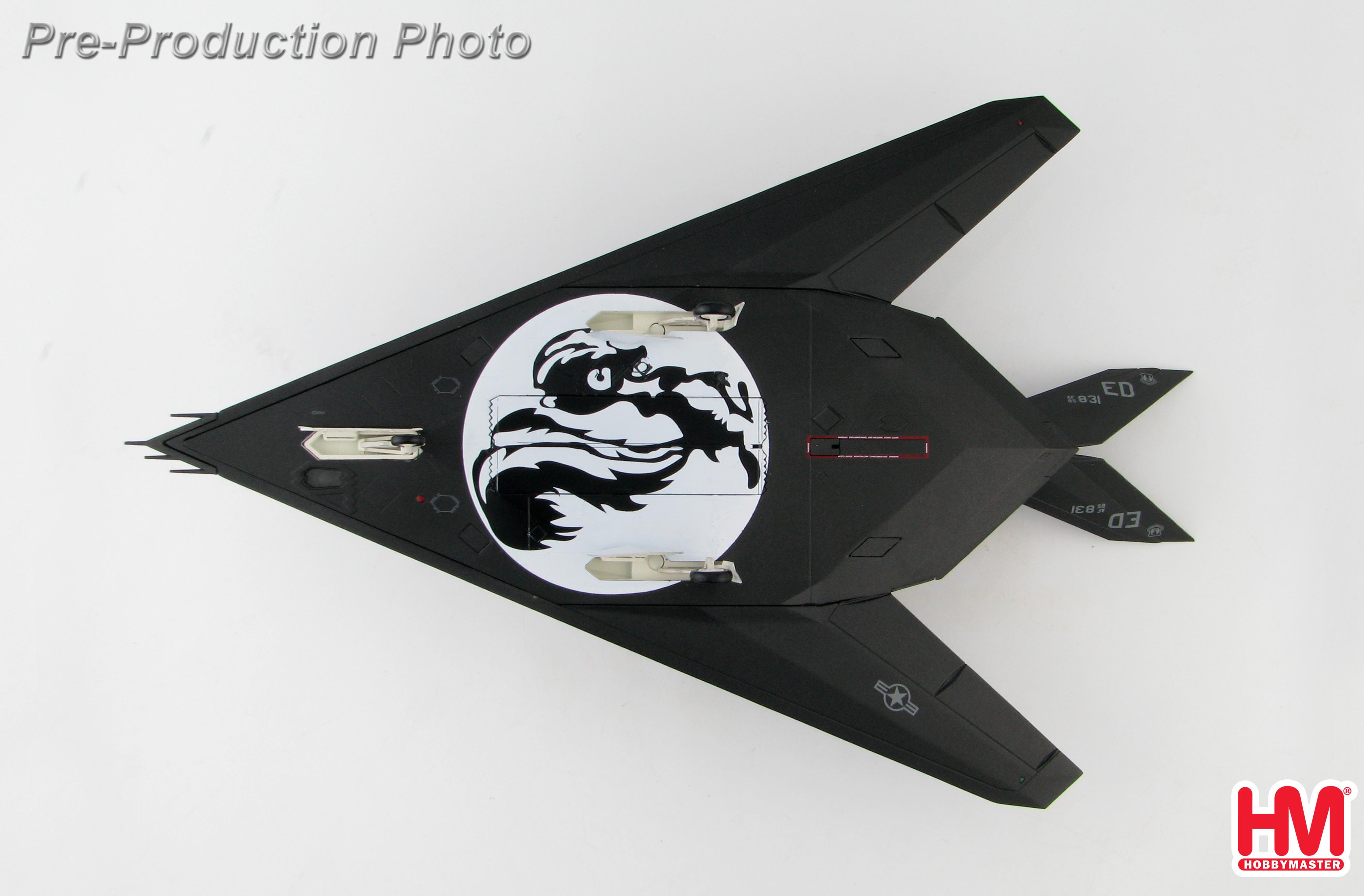
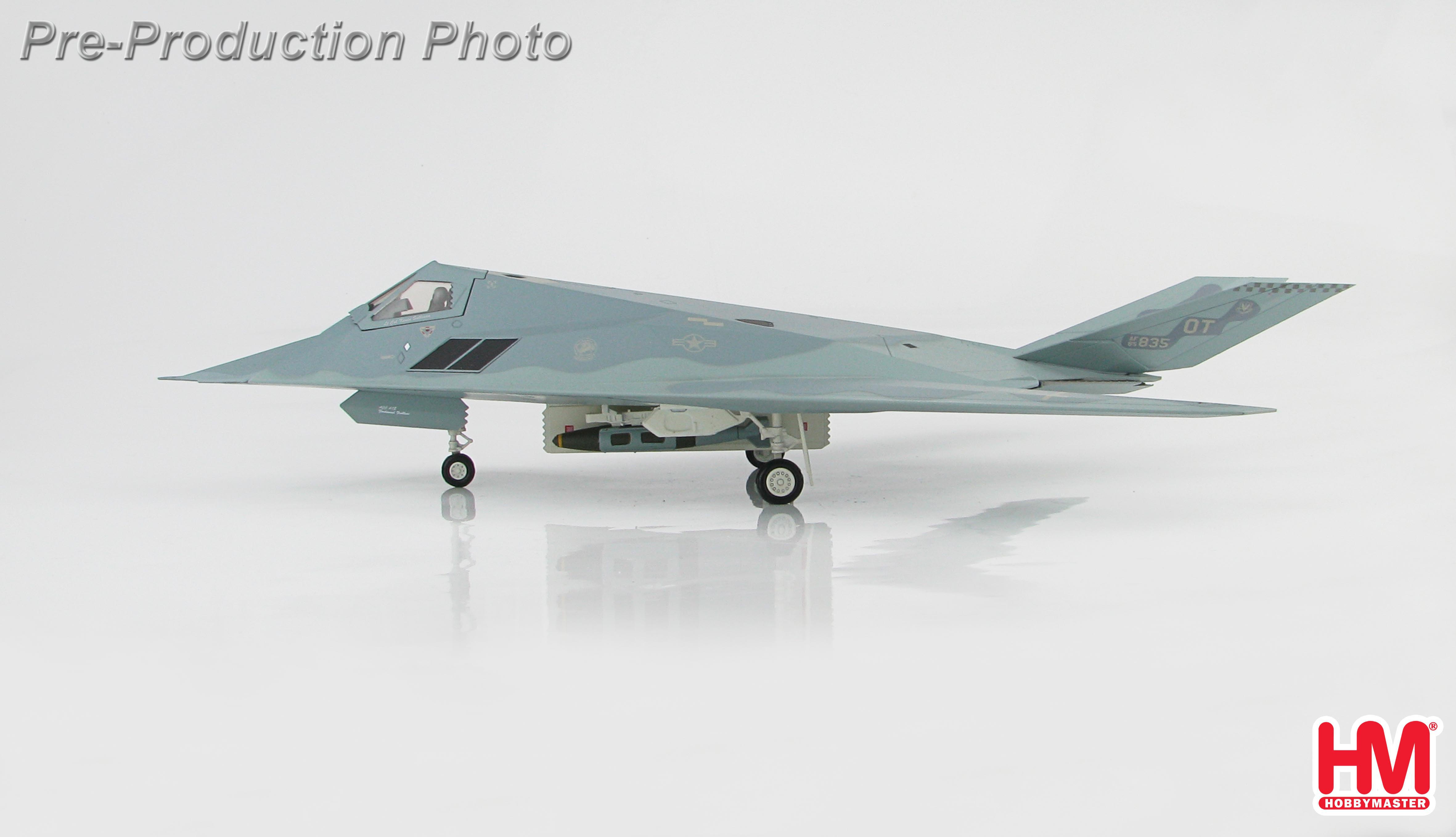
Hobbymaster 1/72nd scale Lockheed F-117A Nighthawk 85-831 (with Skunk Works artwork on the underside)
The 412th Test Wing / 410th Flight Test Squadron at Edwards AFB were the last units to operate the F-117. F-117A first flew in 1987 and on December 1, 1988 was the first F-117 to test the new OCIP II upgrade. Between November 27 and December 6, 1990 #831 wore a painting of a skunk on its belly as a tribute to the Skunk Works. On December 6, 1990 #831 was flown to Area 51 to celebrate the retirement of the company’s president Ben Rich. The painting was removed immediately after the event.

Hobbymaster Updated Photo Gallery.
Check out the latest photos from Hobbymaster that have now been added to the Flying Tigers website. Please click on the image of your choice to go straight to the model page to order.
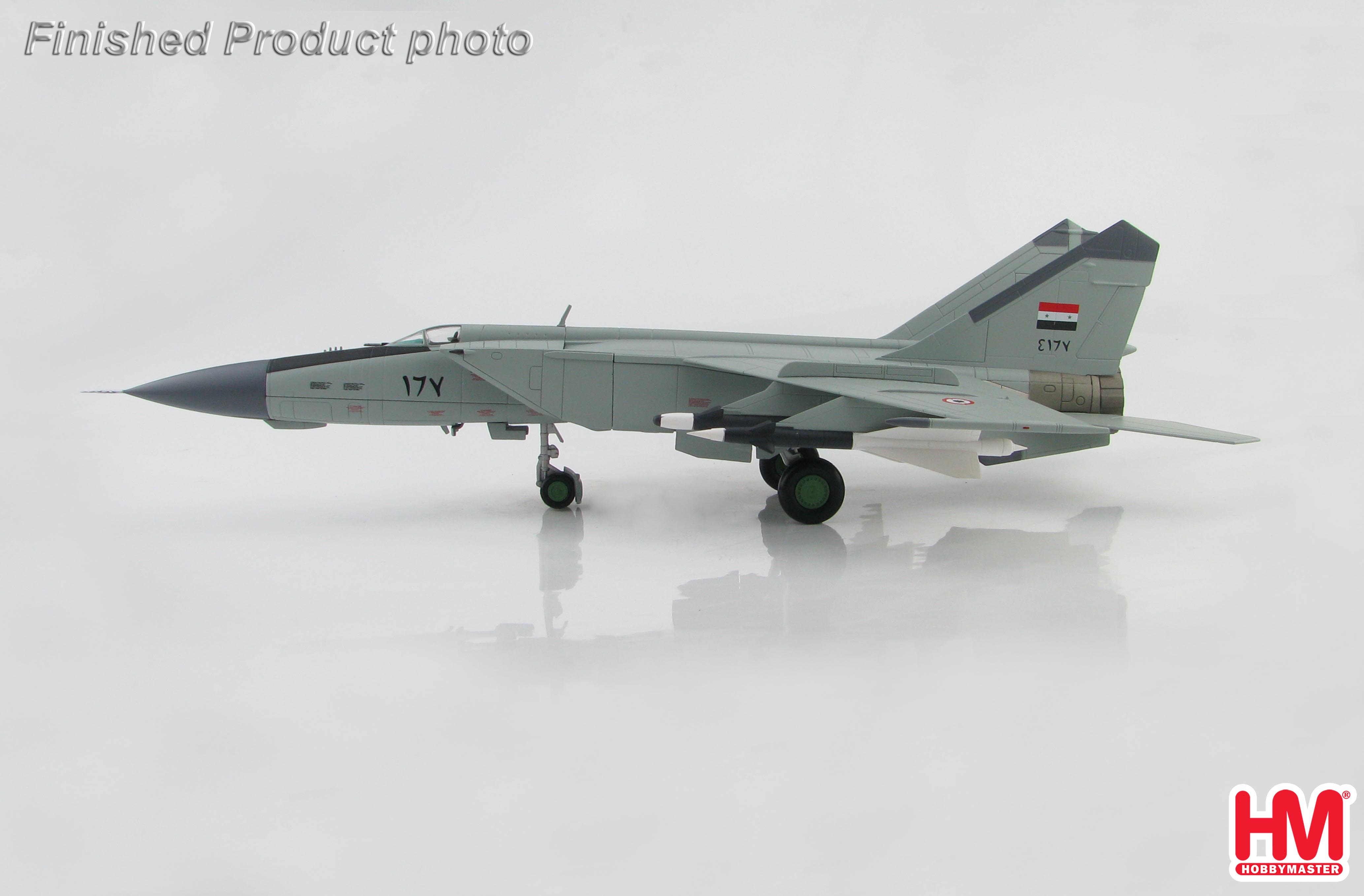
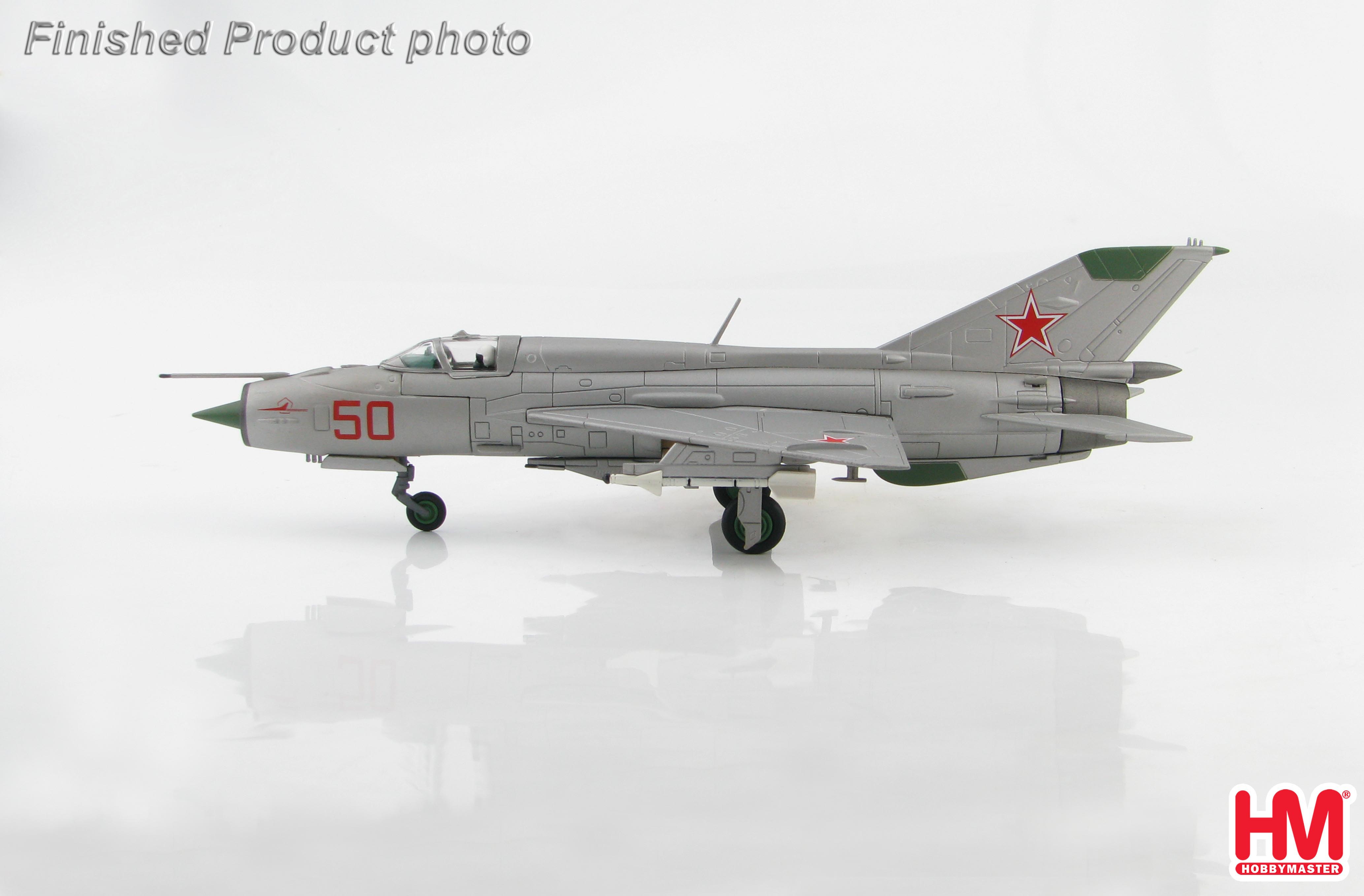
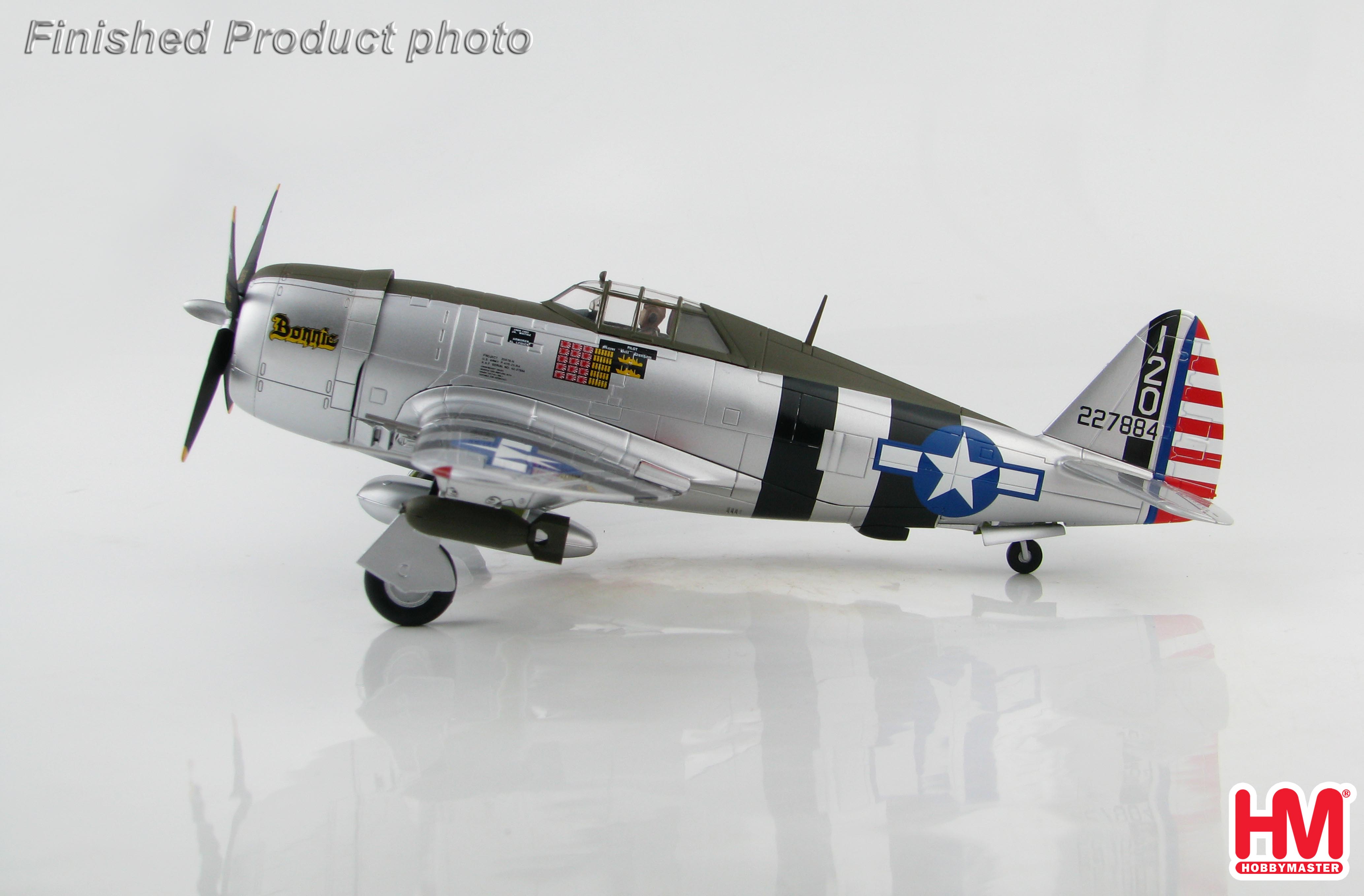
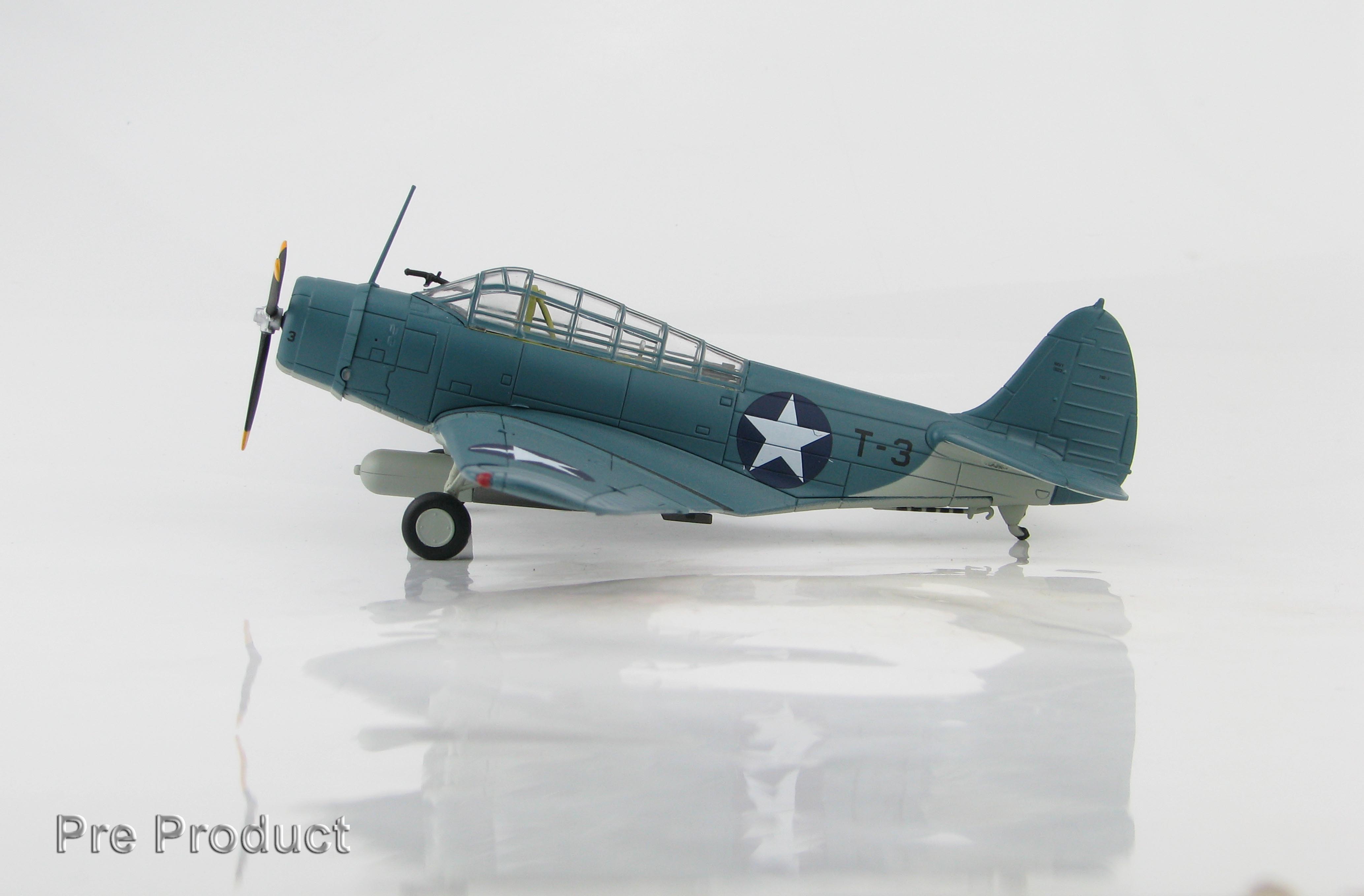
Hobbymaster Sale !
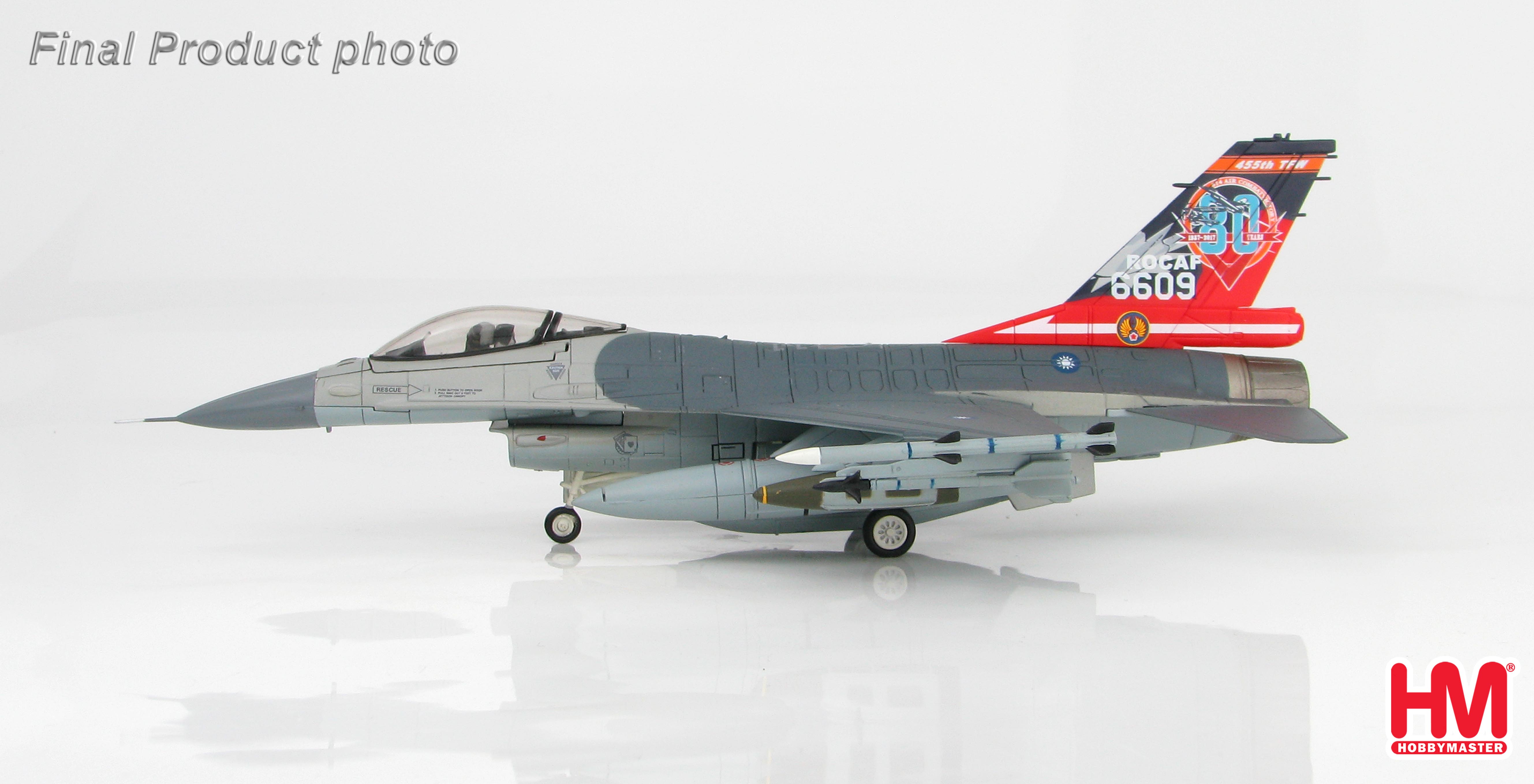
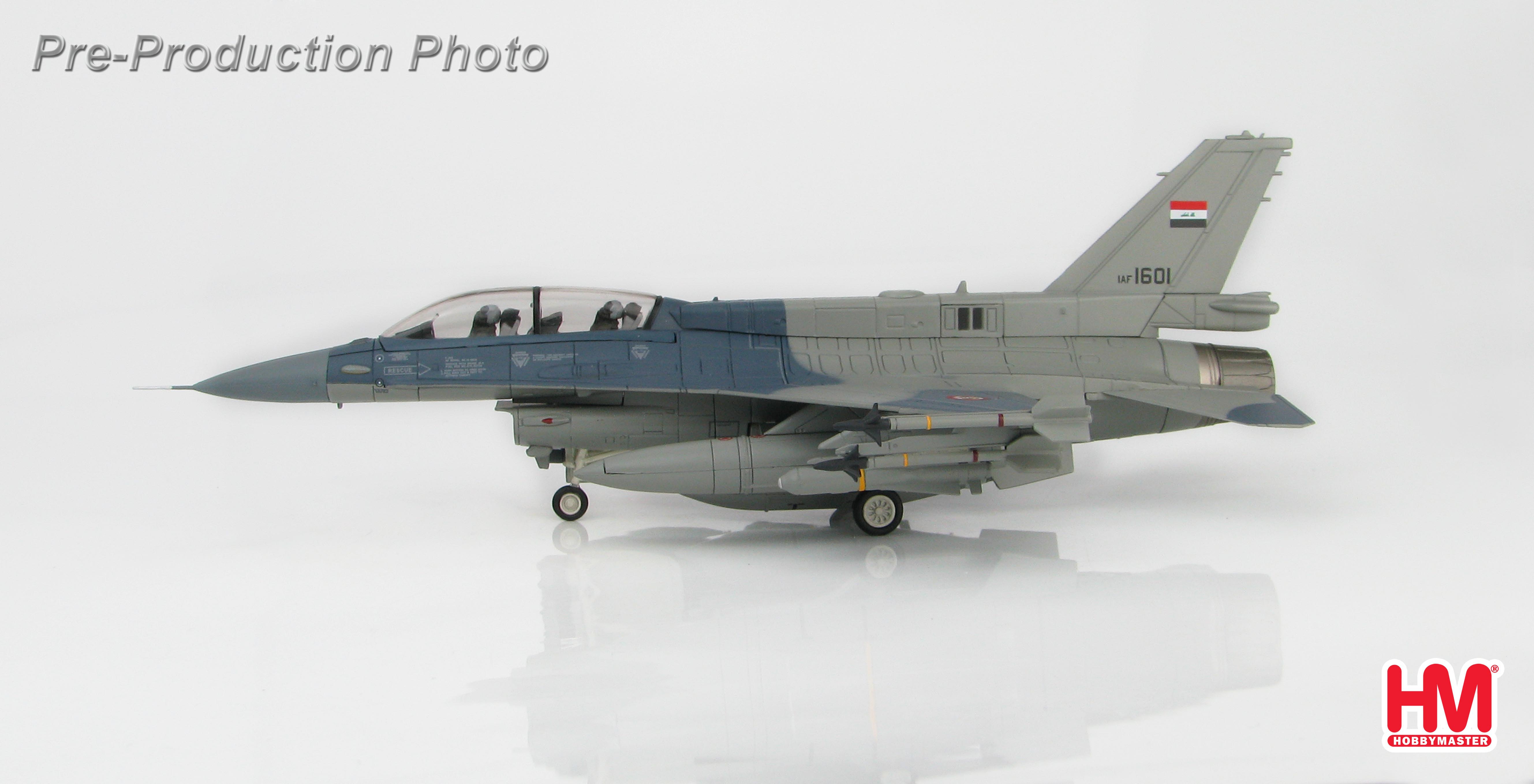
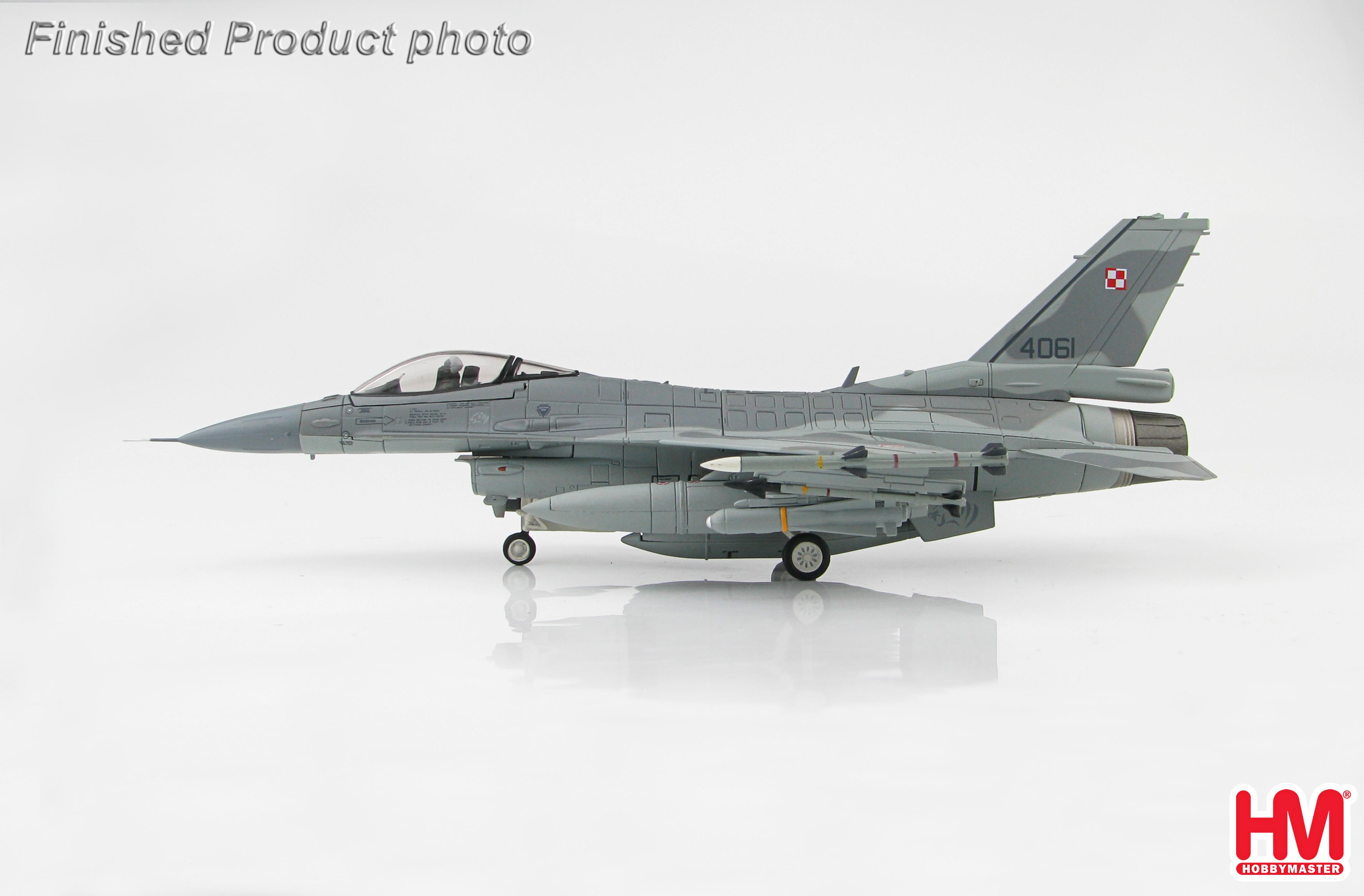
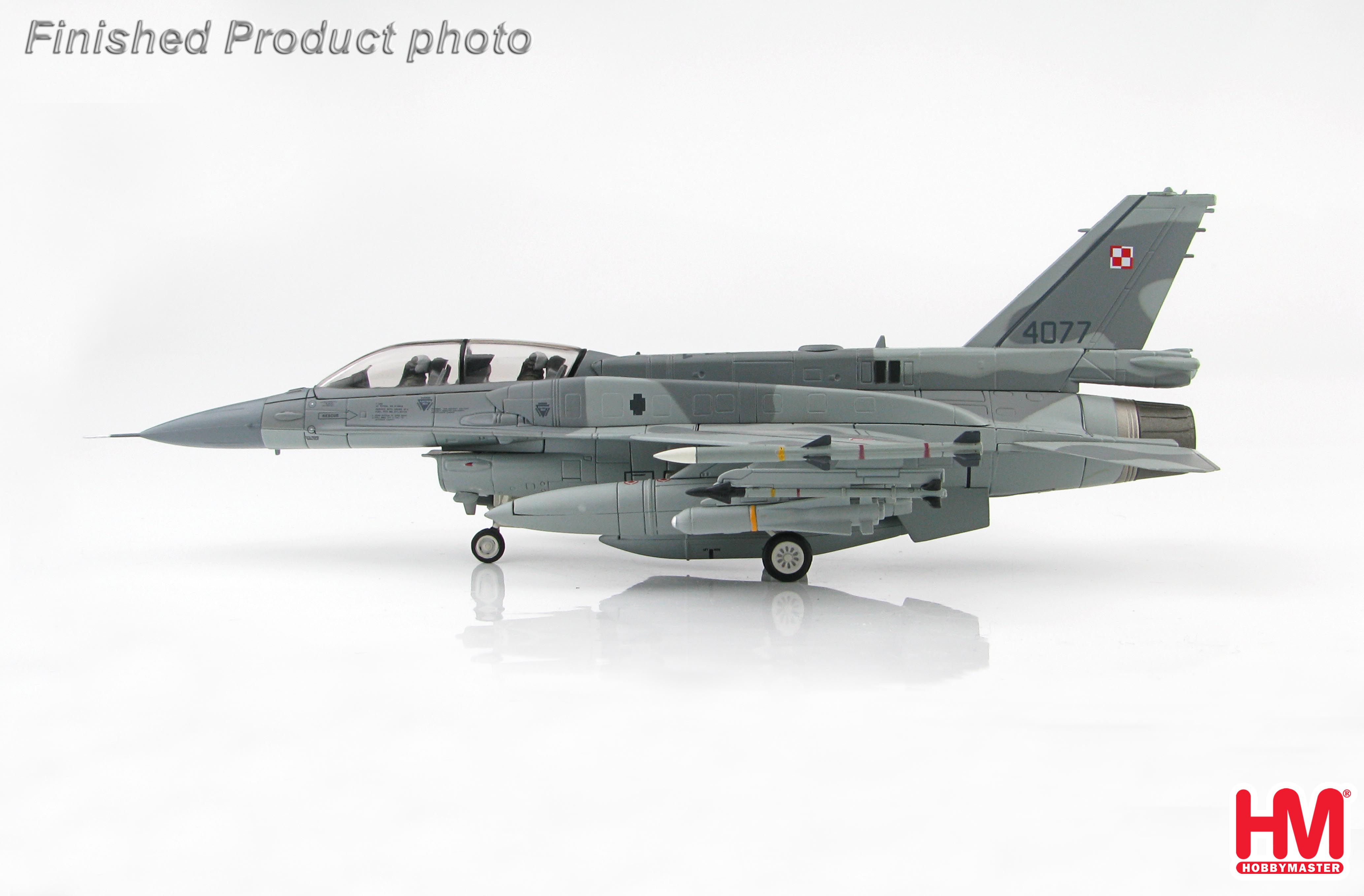
Grab yourself a bargain! The following models are arriving around the middle of next week and are in very limited quantities. Simply click on the model(s) of your choice to go straight to the model page to order.
Don’t forget NO DEPOSIT necessary with Flying Tigers and if you order with your debit or credit card your payment is not taken until your model is available to dispatch (which will be next week, unless you want me to hold the dispatch to go with other forthcoming pre-orders).
Flying Tigers will also consolidate your orders with existing orders to save on postage costs across all brands !
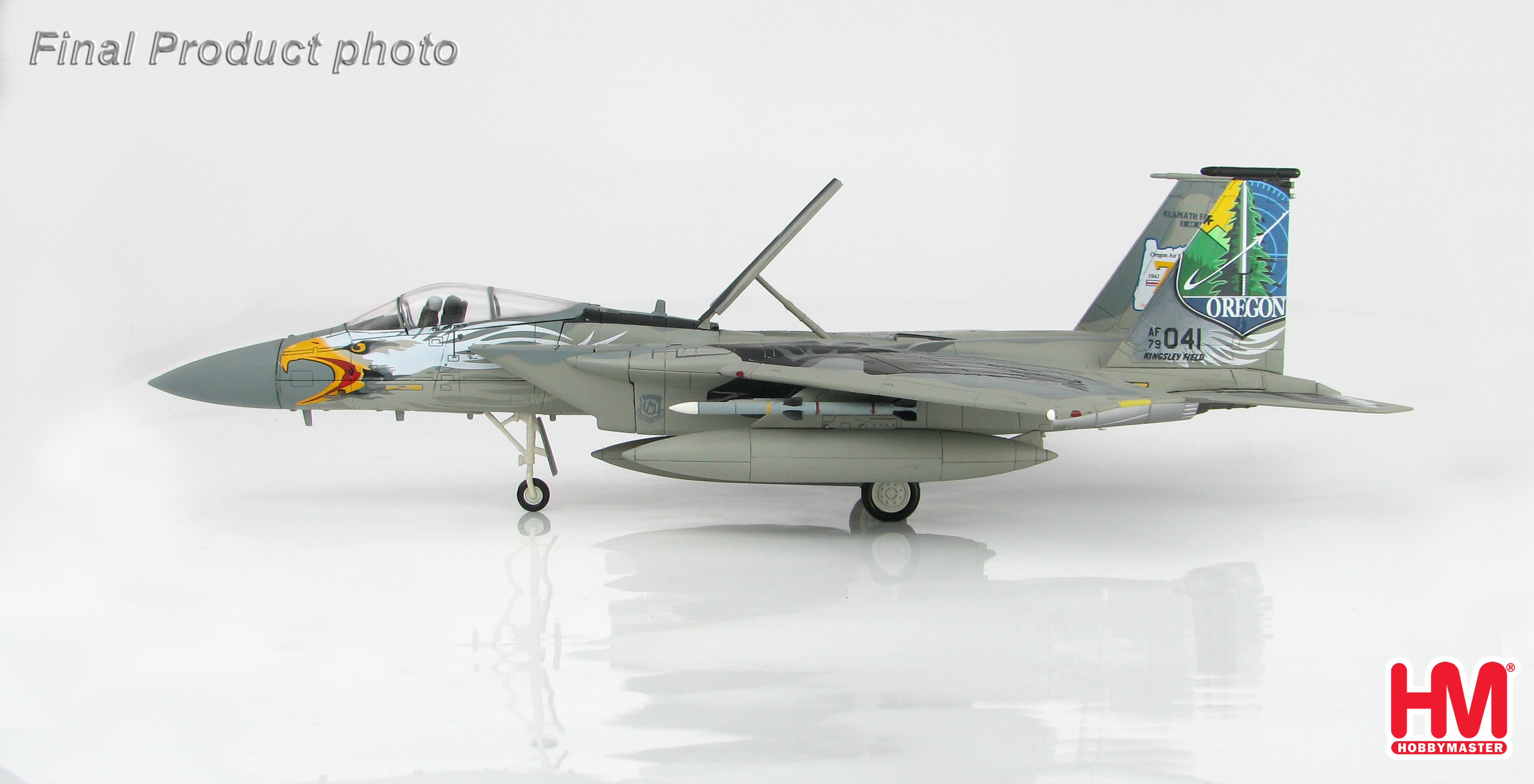
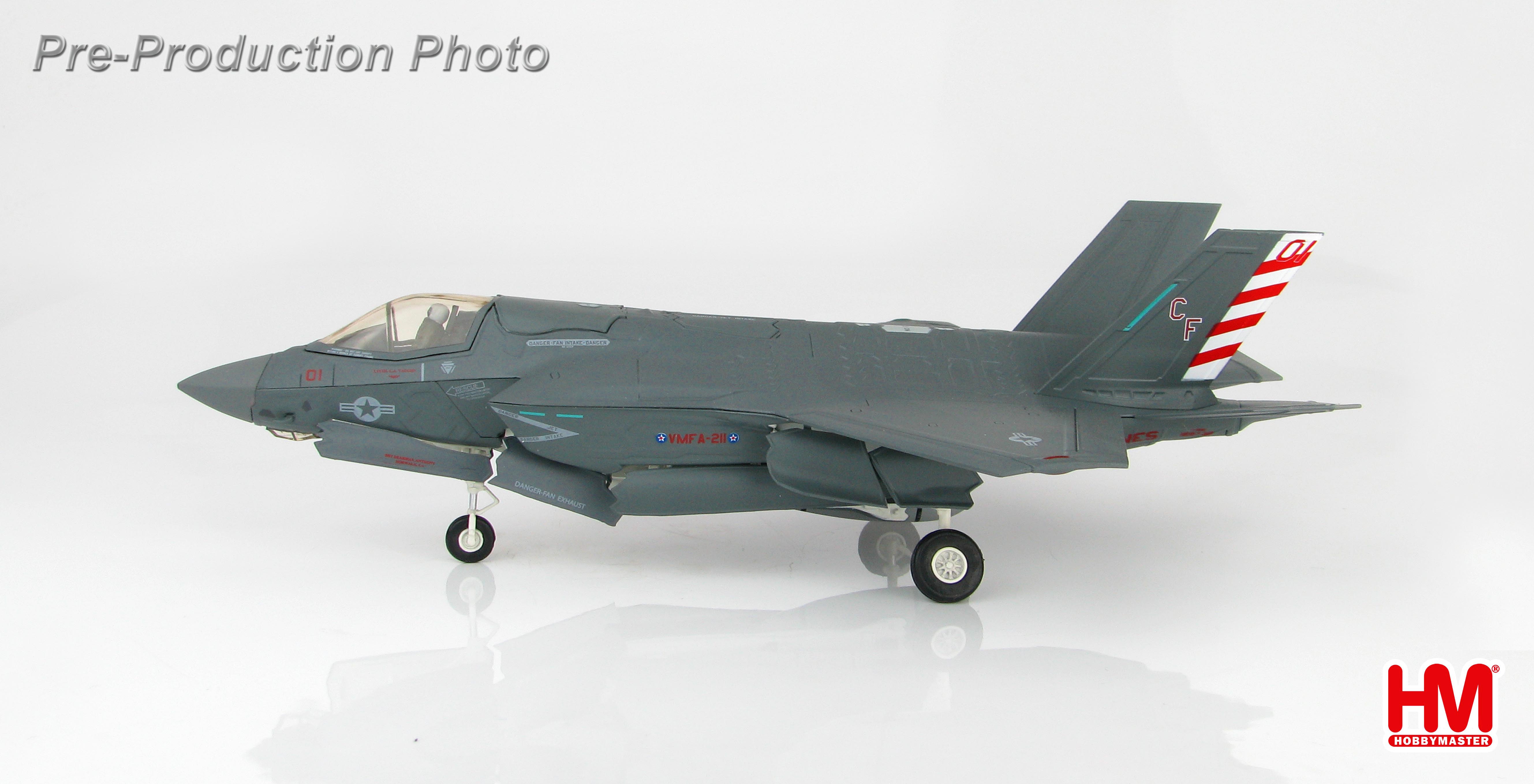
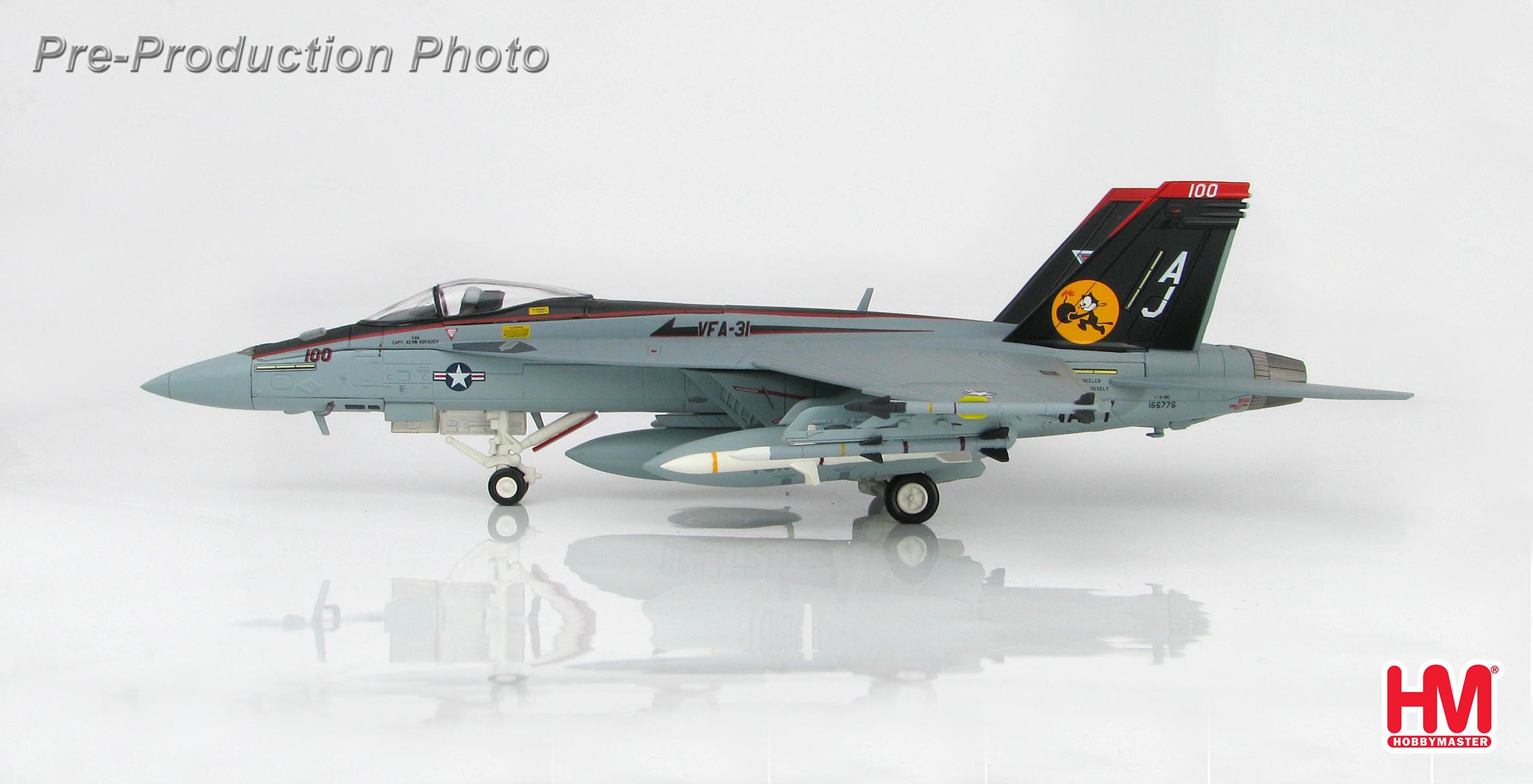
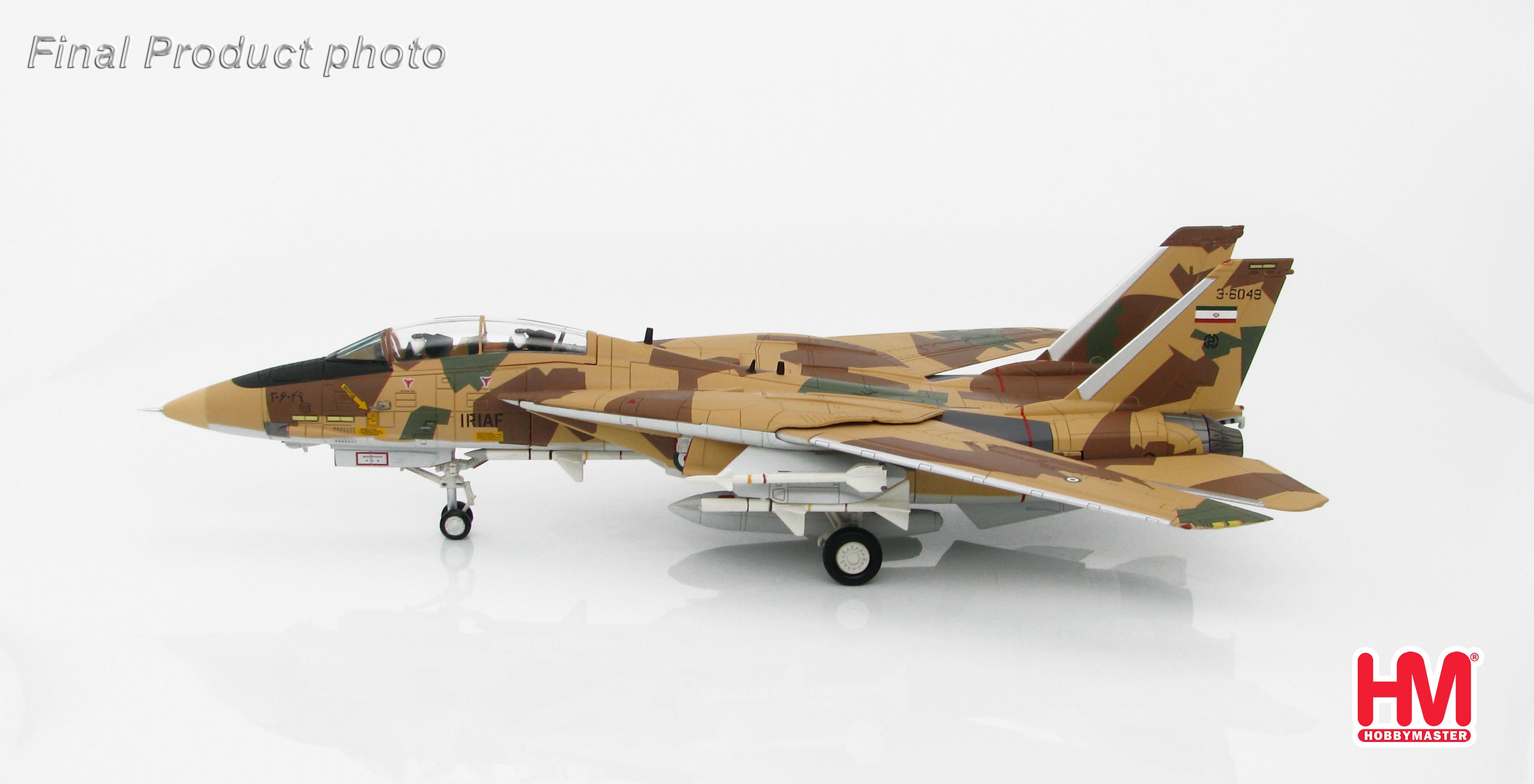
Please click on the images / links below to go to the model of your choice, or CLICK HERE to see them all in the Offers of the Week Section.





Coronovirus: Flying Tigers Dispatch Information.
At Flying Tigers, family and friends have always been the most important thing to us. During these unprecedented times we want to reassure you that the health and safety of our customers, employees and their families continues to be our number one priority. Now is the time for us to come together and support one another more than ever.
We will continue to follow all World Health Organisation, Government and Public Health England advice and act accordingly. Currently, our small showroom is closed to the public and we will continue to monitor the rapidly changing situation closely and respond as advised by those experts.
Whilst we’ve always been a clean and tidy bunch, we are doing everything to ensure even higher standards of hygiene and cleanliness.
We’d like to say a huge thank you to all our customers, for continuing to support us. It’s not been easy for anyone and we’re lucky to have fellow collectors that understand that in these difficult times, small family businesses such as Flying Tigers need your business and support to stay alive.
Due to Covid-19 there may be some disruption to service times from Parcelforce and the Royal Mail.
If you have supplied Flying Tigers with your mobile number and/ or your email address, Parcelforce will notify you by way of text message or email on anticipated delivery day/time.
For Royal Mail delivered parcels these can be tracked through the Royal Mail parcel tracking service. The tracking number will be emailed to you on the “Your order is completed” notification upon dispatch of your order.
If you had requested a delivery to your place of work or to a neighbour, and you would now like your Parcel delivered to your home/billing address please email us and we will make the change. If we do not receive this instruction we will continue to dispatch to your original delivery address.
We are still working hard processing and despatching orders on a daily basis.
You, our loyal customers will be the first to know in the event of any changes or updates in the coming weeks.
For more information on COVID-19 and current Government stance please follow these links below:
Stay safe, well, and look after each other.
Richard.
Flying Tigers.
Coronovirus: Royal Mail and Parcelforce Update
Royal Mail have issued an update with regards to the Coronavirus…
Public Health England (PHE) has advised that people receiving parcels are not at risk of contracting the coronavirus. From experience with other coronaviruses, we know that these types of viruses don’t survive long on objects, such as letters or parcels. This complements the highly publicised guidance from PHE for people to wash their hands more often than usual using soap and hot water.
We are actively monitoring this rapidly evolving situation. We take the health and safety of our people very seriously. We have provided guidance to our people, our customers and the communities in which we operate, to help prevent the spread of any infection. We are doing so in line with preventative guidance from Public Health England.
Signing for and receiving items
In order to protect both our people and customers as much as possible, we will not be handing over our hand-held devices to customers to capture signatures. Postmen and women will instead log the name of the person accepting the item. This will apply to all deliveries that require a signature.
Additionally, for all customers (including those who are self-isolating) where we need to deliver any parcel that won’t fit through your letterbox, we will place your item at your door. Having knocked on your door, we will then step aside to a safe distance while you retrieve your item. This will ensure your item is delivered securely rather than being left outside.
In order to protect both our people and customers as much as possible, we will not be handing over our hand-held devices to customers to capture electronic signatures. Our drivers will instead log the first and last name of the person accepting the item then put ‘XP1’ in the signature field, and we will record the geolocation of the delivery. This will apply to all deliveries that normally require a signature.
If you are unable to come to the door at all we will issue a ‘Something for You’ card, advising of other ways you can arrange to get your item. For example, by getting a friend or family member to collect the parcel from our local Customer Service Point on your behalf. In this situation, and to keep your mail as secure as possible, they will need to bring along the card we left you and a form of ID in the name of the person to which the item is addressed.
For full information on our response to this global situation, please visit parcelforce.com/coronavirus
Contingency plans
In the event we need to close one of our units, this decision would be made in line with Public Health England guidance. Royal Mail has many years’ experience of contingency planning for a number of different scenarios. We will follow the Government’s advice and work closely with the relevant authorities.
We have extensive experience in being able to quickly deploy business contingency plans so we continue to provide customers with access to our services and their mail.
Coronovirus International Shipment Updates
As you may know from the media recently, a number of countries are cancelling flights between Europe and themselves, and countries within the EU are shutting borders and some are or have gone on lockdown.
Unfortunately, this means that almost all international mail and parcels will be delayed wherever they go as many pass-through EU countries etc onto other destinations. Some freight also piggybacks onto commercial flights, like Royal Mail use BA to inject into the USA. These flights have recently been cancelled.
We will do our utmost to work with our carrier partners to ensure mail/parcels are stored safely in periods they are held and we will move the freight as quickly, safely and as smooth as possible.
Please note this may cause big breaks within the tracking where parcels haven’t been scanned and we expect we will see delays of up to 4/6 weeks to some destinations. This prediction is based on today’s activities.
Governments are making decisions on a daily basis so it is difficult to pinpoint exactly where or when delays will occur.
I would ask our customers to be mindful of this when contacting our customer services team.
We will try to keep you informed wherever possible.
Service and Parcels to USA
Parcelforce are pleased to tell you that we have been able to secure capacity to allow us to continue to operate the service to USA.
Over the last few days the number of flights to USA has reduced dramatically. This has resulted in a significant reduction in airline capacity for parcels and freight from UK to USA. We have been working very closely with our airline partners to maintain service.
You can continue to receive parcels in these countries via our globalexpress service, however there is a suspension of delivery time guarantee in place.
Services and Parcels to New Zealand and Kuwait
Due to the ongoing situation and attempts to limit the spreading of COVID-19, which has impacted airline capacity into the New Zealand and Kuwait, Parcelforce have suspended our globalpriority service to these countries with immediate effect, until further notice.
You can continue to receive parcels in these countries via our globalexpress service, however there is a suspension of delivery time guarantee in place.
Parcel deliveries in France
Our European parcel delivery partner GLS has informed us that they will not be making deliveries on Fridays in France, until further notice, due to operational issues. The services affected by this are europprioritybusiness and europriorityimport only. GLS hubs, depots and customer services will therefore be closed on Fridays, Saturdays and Sundays in France.
Services and Parcel deliveries to Australia, China and Canada
In the rapidly evolving situation regarding Coronavirus (COVID-19), we are continuing to work very closely with our airline partners to maintain our overseas delivery services.
We are pleased to tell you that we are able to secure capacity to operate the service to Australia, China and Canada. However, as passenger numbers reduce, the number of available flights to these destinations has also reduced significantly, impacting capacity for parcels and freight.
You can continue to receive parcels in these countries via our globalexpress service, however there is a suspension of delivery time guarantee in place.