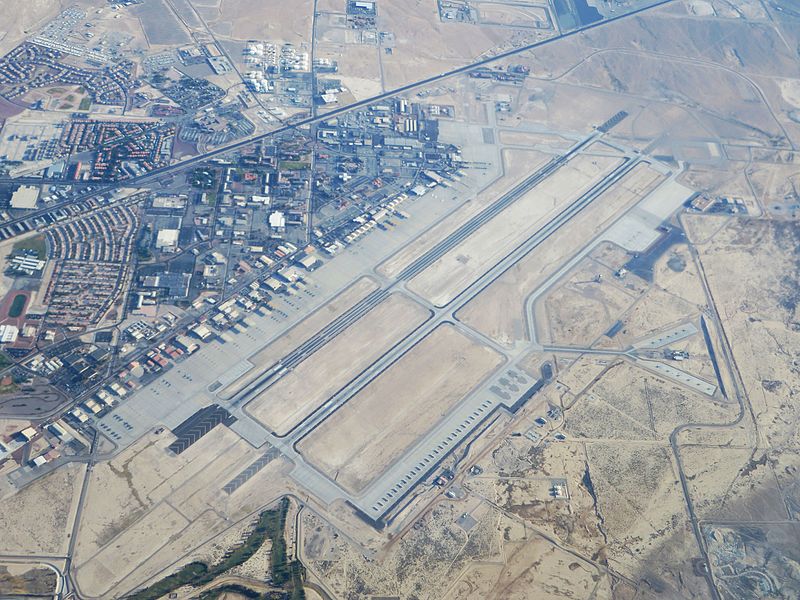
An aerial view of Nellis AFB taken during 2014.
Nellis Air Force Base (“Nellis” colloq.) is a United States Air Force installation in southern Nevada with military schools and more squadrons than any other USAF base. Nellis hosts air combat exercises such as Exercise Red Flag and close air support exercises such as Green Flag-West flown in “Military Operations Area (MOA) airspace”, associated with the nearby Nevada Test and Training Range (NTTR). The base also has the Combined Air and Space Operations Center-Nellis
History
After World War I, Nevada and other western inland states were surveyed by Capt. Lowell H. Smith and Sgt. William B. Whitefield for landing sites, and by “mid-1925 the Air Service possessed information on nearly thirty-five hundred landing places, including more than twenty-eight hundred emergency landing areas, in the United States.” The 1929 airfield (dirt runway, water well, and small operations shack) north of Las Vegas—operated by the 1925 Western Air Express for Contract Air Mail (CAM) Route #4, LA-to-SLC—was used by the Army Air Corps in the 1930s for training flights. After the Invasion of Poland in 1939, the “western site board” had located a southern Nevada area “near Tonopah, Nev” by April 1940 for a military range, and in October 1940, Air Corps Major David Schlatter surveyed the southwest United States for a military airfield. “The 60 × 90 mile area at Tonopah was transferred to the War Department on 29th October 1940” by Executive Order 8578.
McCarran Field
Renamed to McCarran Field in the mid-1930s, there were “difficulties in securing the use” of the airfield north of Las Vegas for a Nevada World War II Army Airfield. McCarran Field was bought on 2nd January 1941 by the City of Las Vegas, was leased to the Army on 5th January, and was “signed over” to the Quartermaster Corps on 25th January—Army construction began in March 1941. The city’s Federal Building became the May 1941 location of the 79th Air Base Group detachment (5 staff officers commanded by Lt. Col. Martinus Stenseth), and a month later 5 administrative NCOs plus other support personnel arrived. WPA barracks in Las Vegas were used for enlisted men, and the motor pool with 6 vintage trucks and a semi-trailer was next to the WPA barracks. Vehicle parts were from local service stations and gasoline and oil from the Civilian Conservation Corps (the Block 16 brothels in Las Vegas were closed.) Permanent construction for barracks to house 3,000 people began in mid-1941, and by 7th December, 10 AT-6 Texan advanced flight trainers and 17 Martin B-10 bombers were at the airfield.
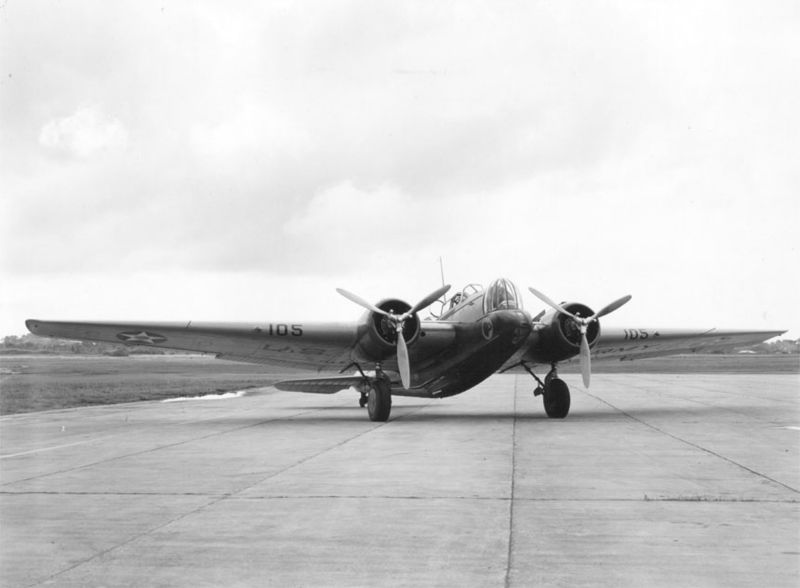
Martin B-10B
Las Vegas Army Airfield
Las Vegas Army Airfield was both activated and began flying training on 20th December 1941. Gunnery training began in January 1942, with guntruck platforms being used in January and February. Many pieces of the destroyed aerial drone targets litter the hillside north of the gunnery range, and can be seen in town when the sun reflects off them.
The first B-17 Flying Fortresses arrived in 1942 and allowed training of 600 gunnery students and 215 co-pilots from the field every five weeks at the height of the war. More than 45,000 B-17 gunners were trained; the USAAF training movie The Rear Gunner was filmed at the airfield in 1943. The 82d Flying Training Wing (Flexible Gunnery) was activated at the base as one of ten Army Air Forces Flying Training Command wings on 23rd August 1943. By 1944, gunnery students utilized B-17, B-24 Liberator and B-40 Flying Fortress gunship aircraft (for example by firing at aircraft-towed targets).
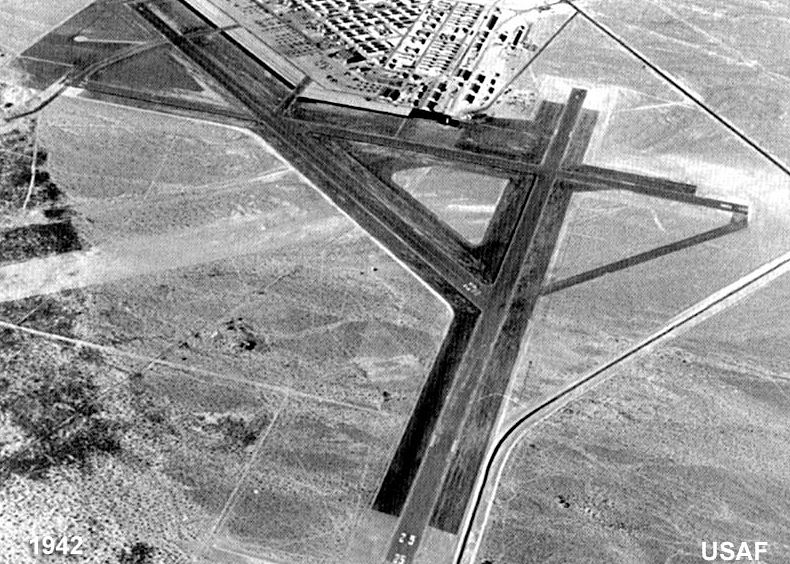
The Las Vegas Army Airfield had 3 runways in 1942, the year Tonopah Army Airfield opened in August (the Tonopah Bombing Range had been divided in 1941 into the Tonopah and Las Vegas General Ranges.)
In March 1945, the base switched to B-29 gunnery training which included the manipulation trainer on the ground with camera guns. The subsequent population peaked with nearly 11,000 officers and enlisted personnel including more than 4,700 students. Flexible gunnery training ended in September 1945, and the base became a demobilization center for soldiers’ separation physicals and final pay. A course of navigator, bombardier, and radar operator training planned for LVAAF was instead begun at Mather Army Airfield in June 1946. AAF Training Command closed LVAAF which went on caretaker status 28th August 1946 (“officially deactivated in January 1947”). During the planning for a separate air force, the Las Vegas AAF was reactivated “30th Aug 47 as a subinstallation of Mather”, and it transferred to the USAF after the branch was created in September.
Las Vegas Air Force Base
Renamed Las Vegas Air Force Base on 13th January 1948 and assigned as a subinstallation of Williams AFB on 1st April, the 3595th Pilot Training Wing (Advanced Single-Engine) was established on 22 December 1948. Training began at Las Vegas AFB on 1st March 1949 with 5 squadrons using P-51 Mustangs for a 6-month course (3,000 USAF pilots needed trained by 1950). The 3525th Aircraft Gunnery Squadron activated on 11th February 1949, the base hosted the 1st USAF Gunnery Meet on 2 May, and ATC opened its LVAFB Aircraft Gunnery School on 15th May 1949.
Nellis AFB
Nellis Air Force Base was named on 30th April 1950, and the 20th May 1950 dedication was attended by Lieutenant Nellis’ family. By 1st July the Air Force had directed ATC to accelerate Korean War training for a new 95-wing Air Force. The first school opened at Nellis, and ATC redesignated the 3595th Pilot Training Wing (Advanced Single-Engine) as the 3595th Training Wing (Combat Crew). On 17th July 1950, Nellis began a replacement pilot training program to provide 115 FEAF F-51 Mustang pilots and 92 combat-ready F-80 Shooting Star pilots. Nellis’ advanced single-engine pilot training transferred to Alabama on 1st September 1950. Nellis assumed fighter-bomber training, and ATC established its USAF Air Crew School (Fighter) on 14th November 1950, equipped with F-80s and early-model F-84C Thunderjets.

3595th PTW F-51D c. 1950 at a Nellis hangar
On 1st October, Nellis AFB base management functions transferred from Williams AFB. In early 1951, ATC assigned recently graduated airplane and engine mechanics to Nellis to learn jet aircraft maintenance. The airfield was expanded 1951–1954 with longer jet-capable runways, reconfigured taxiways and a larger aircraft parking ramp; and World War II wooden structures were replaced with concrete and steel structures (e.g., barracks and base housing for married personnel). The first Wherry houses were completed in 1954, with updated Capehart houses being completed in February 1960.
USAF Fighter Weapons School
The USAF Fighter Weapons School was designated on 1st January 1954 from the squadron when the Air Crew School graduated its last Combat Crew Training Class (the primary Weapons School mission was gunnery instructor training.) In the mid-1950s for Operation Teapot nuclear testing, 1 of the 12 Zone Commanders was based at Nellis AFB for community liaison/public relations (weapons for other atomic tests were stored at Nellis). Air Training Command suspended training at the Nellis fighter weapons school in late 1956 because of the almost total failure of the F-86 Sabre aircraft used at Nellis, and during 1958 ATC discontinued its Flying Training and Technical Training.

Fighter Weapons School F-80As c. 1950 in front of Frenchman Mountain which is east of the valley.
Tactical Air Command
Nellis AFB transferred to Tactical Air Command on 1 February 1958, and the Nellis mission transitioned from initial aircraft qualification and gunnery training to advanced, graduate-level weapons training. Soon after the transfer to TAC, the F-100C, F-100D, and tandem cockpit F-100F entered the school inventory. On April 21st, 1958 an F-100F on a training flight out of Nellis was involved in a mid-air collision with United Airlines Flight 736. All 47 aboard the airliner and both Air Force pilots in the fighter jet were killed. The 3595th wing assets were redesignated as the 4520th Combat Crew Training Group by TAC on 1st July 1958.
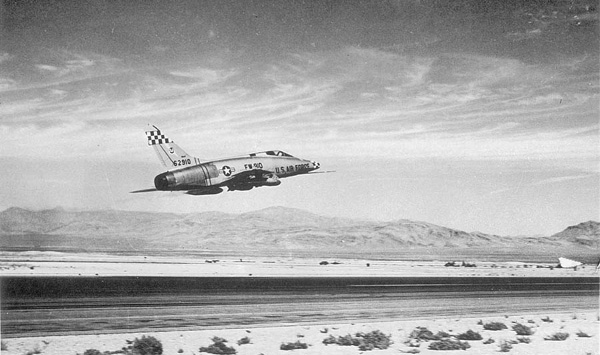
An F-100D Super Sabre fighter jet (s/n 56-2910) taking off from Nellis, circa 1959.
4520th Combat Crew Training Wing
The 4520th Combat Crew Training Wing was designated from the 4520th CCTG on 1st May 1961, and the Combat Crew training squadrons were renumbered. The 4537th Fighter Weapons Squadron had been assigned F-105D Thunderchiefs in March 1961, and the wing taught veteran pilots in all phases of fighter weapon employment: air-to-air gunnery, rocketry, conventional and nuclear bombing, aerial refueling, and combat navigation. The F-4 Phantom II Instructor Course began in mid-1965 and during the Vietnam War, experienced combat pilots were used as Fighter Weapons instructors at Nellis. On 1 January 1966 the USAF Fighter Weapons School was activated at Nellis with F-100, F-4, and F-105 divisions and on 1st September 1966, Fighter Weapons School elements and the 4520th CCTW merged to activate the 4525th Fighter Weapons Wing.
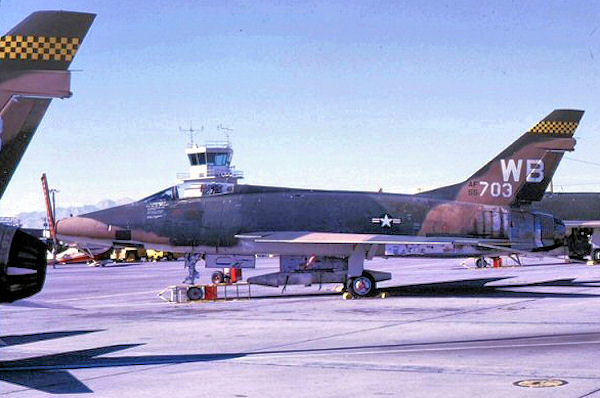
The Nellis control tower behind a 4536th F-100D (“WB” tail code). In July 1968 the first tail codes appeared on Nellis-based aircraft: “WC” (4537th F-105), “WD” (4538th F-4C), & “WF” (4539th F-111).
USAF Tactical Fighter Weapons Center
The USAF Tactical Fighter Weapons Center activated at Nellis AFB on 1st January 1966 (USAF Warfare Center after 15th November 2005) is the USAF authority for employment of tactical fighter weapons. The center has developed, refined, coordinated, validated and tested fighter concepts, doctrine, tactics, and procedures. The FWC also performed operational test and evaluation and prepared or monitored Air Force publications on employment tactics, aircrew training, and aircrew weapons delivery. It has supervised courses of the US Air Force Fighter Weapons School, adversary tactics training, and Wild Weasel training, and other combat and tactical schools.
The FWC supervised Red Flag operational training and other continuing air exercises, such as Green Flag and Silver Flag Alpha. The center also directed operations of the US Air Force Bomber and Tanker, Employment School since 1992 and the Air Rescue Center since 1993. The USAF Air Demonstration Squadron with the United States Air Force Thunderbirds moved from Arizona to Nellis AFB in June 1956.
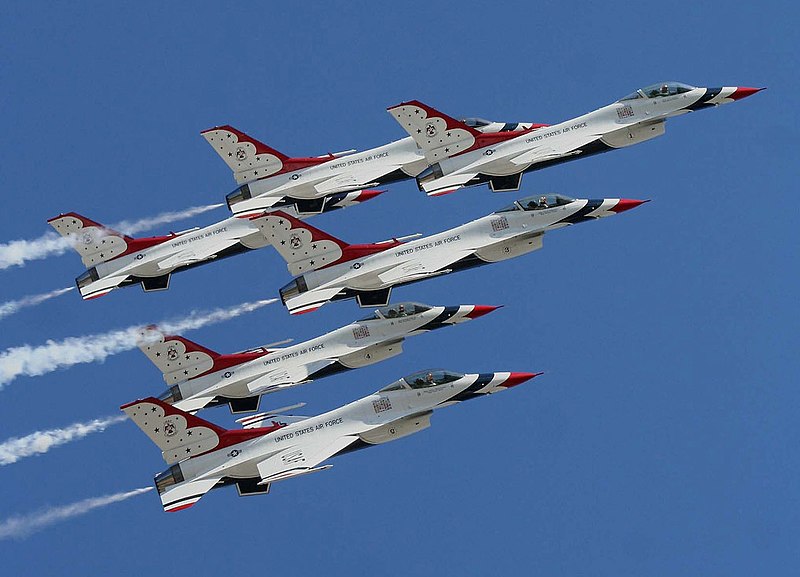
The United States Air Force Thunderbirds
474th Tactical Fighter Wing
The 474th Tactical Fighter Wing was reassigned from New Mexico to Nellis AFB on 20th January 1968 and was the first USAF operational wing equipped with the General Dynamics F-111 , 6 of the F-111As departed Nellis for Vietnam on 15th March 1968 (Combat Lancer). Nellis provided replacements for 2 lost F-111s, and the F-111s returned to the USA in November 1968. The wing’s 428th Tactical Fighter Squadron reached IOC in spring 1968 with F-111s, and the TFW was fully operational in July 1971. The Lake Mead Base, a 1953–6 United States Navy’s weapons storage area of 2,832 ha (6,999 acres), became Area II of the Nellis AFB complex in September 1969.
The 430th TFS returned to the 474th TFW Nellis on 22nd March 1973 assuming a replacement training unit mission, while the 428th and 429th were transferred to Mountain Home AFB on 30th July 1973. Post-war the 474th’s mission was to train combat-ready force of aircrews and maintained a rapid-reaction capability to execute fighter attacks against enemy forces and facilities in time of crisis. In 1975, the 428th and 429th Tactical Fighter Squadrons were reassigned to the wing with F-111As (transferred to Mountain Home AFB, Idaho, in August 1977) and the 474th Wing absorbed the F-4D Phantom II aircraft, crews, and resources of the inactivating provisional 4474th Tactical Fighter Wing at Nellis in April 1977. The wing was inactivated in September 1989, and its F-16As transferred to Air National Guard and Air Force Reserve squadrons.
57th Fighter Weapons Wing
The 57th Fighter Weapons Wing was activated at Nellis on 15th October 1969 to replace the 4525th FWW (its Fighter Weapons Squadrons transferred to the 57th). The USAF Air Demonstration Squadron (the “Thunderbirds”) was assigned to the 57th in February 1974, and the wing incorporated intelligence training after March 1980. Redesignated the 57th Tactical Training Wing in 1977, the wing trained tactical fighter aircrews, conducted operational tests and evaluations, demonstrated tactical fighter weapon systems, and developed fighter tactics. The 57th’s 4440th Tactical Fighter Training Group (Red Flag) assumed operational control of Red Flag exercises in October 1979; and the 57th developing realistic combat training operations featuring adversary tactics, dissimilar air combat training, and electronic warfare.
Nellis’ 4477th Tactical Evaluation Flight (“Red Eagles”) operated MiG-17s, MiG-21s and MiG-23s at the Tonopah Test Range Airport (late 1960s-c. 1990) to simulate combat against U.S. combat aircraft. Named Constant Peg in 1980, the operation assessed the Soviet technology and developed adversary tactics for dissimilar air combat training. After completion of training, the Aggressor pilots were assigned to the DACT squadrons, one of which was assigned to Nellis. During the 1970s, a site northwest of Nellis evaluated a Soviet “Barlock” search radar to develop techniques for countering Soviet air defense systems.

The Las Vegas Range of mountains is visible beyond a 66th FWS F-4E on the Nellis tarmac.
The USAF Fighter Weapons School reactivated 30 December 1981 in the 57th wing and the 66th, 414th and 433d Fighter Weapons Squadrons became its “A-10”, “F-4E” and “F-15A” divisions (the 414th was the “Red Flag Training Squadron” in 1996). The 422d FWS aircraft and personnel became the “F-16 Division” and the squadron heraldry transferred to the 422d Test and Evaluation Squadron. The FWS mission expanded on 15th June 1993 to include all Air Combat Command weapons (B-52 & B-1 Divisions) and in 1995, rescue helicopters (HH-60 Division). RC-135 Rivet Joint and EC-130 Compass Call courses were also added to the CCO Division in 1995, as well as a Space Division in 1996 (UAVs in 2008).
In 1981, the Gunsmoke gunnery meet was first held and the 57th Fighter Weapons Wing was reorganized as part of the establishment of the Fighter Weapons School, e.g., the 422d Test and Evaluation Squadron for aircraft modifications was established on 30th December 1981 from the 422d Fighter Weapons Squadron. In 1990, the 64th and 65th Tactical Fighter Training Aggressor Squadrons and the 4440th TFTG were inactivated in 1990 at the end of the Cold War. In November 1991, the 57th implemented the USAF Objective Wing organization which was the most comprehensive USAF reorganization plan since 1947, activating the 57th Operations Group for Nellis airfield operations and establishing the 57th Test Group.
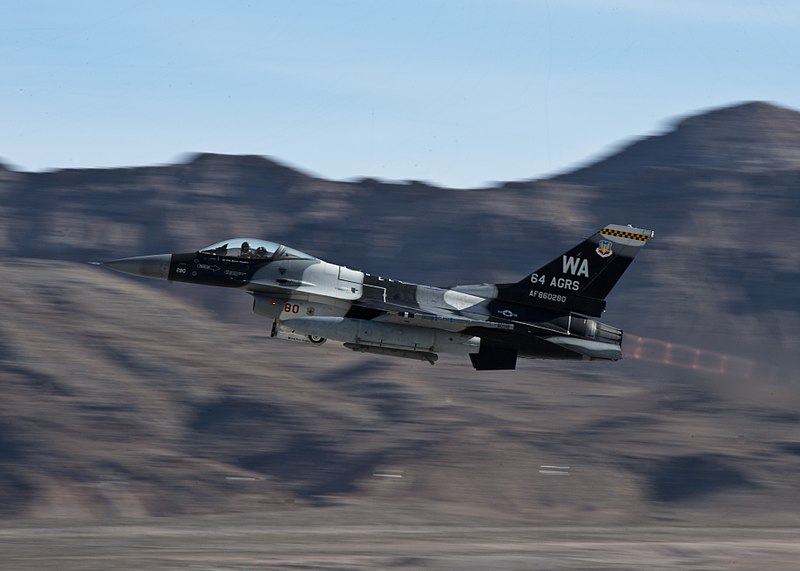
64th Aggressor Squadron F-16 takes off from Nellis AFB during Red Flag 14-1
Air Combat Command
Nellis transferred to Air Combat Command on 1st June 1992, at the end of the Cold War when Tactical Air Command was inactivated. The 57th Wing was designated on 15th June 1993 from the 57th Operations Group in conjunction with the introduction of the RQ-1 Predator and MQ-9 Reaper unmanned aerial vehicles (UAV). The USAF Combat Rescue School was also established in 1993 for HH-60 Pave Hawk instructional flying. “In 1996, AETC moved the PJ Advanced Weapons Course from Nellis AFB to Kirtland AFB”. The 98th Range Wing was activated at Nellis on 29th October 2001 for Nellis Air Force Range control (previous range control was by the FWC.) After Detachment 13, 372d Training Squadron opened its F/A-22 maintenance training facility on 29th November 2001, on 14th January 2003 Nellis received the first production F-22A Raptor for the F-22 Force Development Evaluation program and Weapons School (12 Raptors had been assigned to the 422d Test and Evaluation Squadron by July 2008.)
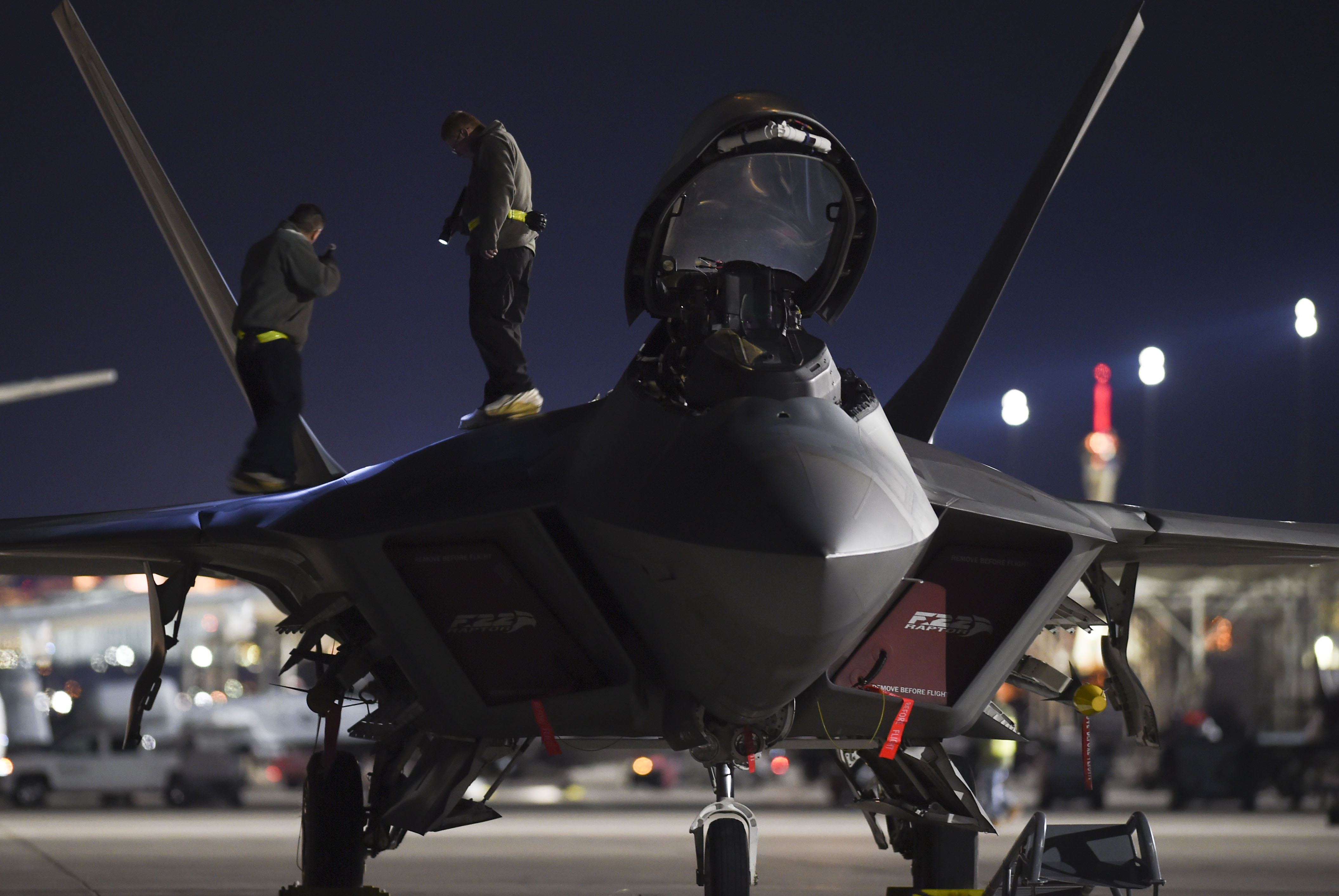
Maintainers with the 27th Aircraft Maintenance Unit out of Joint Base Langley-Eustis, Va., check for structural damages on an F-22 Raptor during Red Flag 17-1 at Nellis Air Force Base, Nev., Jan. 27, 2017. If damages are found, low observability aircraft structure technicians must repair them to ensure the aircraft maintains its stealth capability. (U.S. Air Force photo by Staff Sgt. Natasha Stannard)
“Aggressor” training was reactivated under the 57th Operations Group in 2003 and in 2006 Nellis had the Air Ground Operations School. On 1st May 2007, the UAV reconnaissance elements assigned to the 57th Operations Group transferred to the 432nd Wing. Detachment 1 of the Space Warfare Center was established at Nellis in 1996 after the “Nellis Combined Air Operations Center”, the Warfare Center transferred Nellis Air Force Range control to the 98th Range Wing in 2001, and the annual Aviation Nation airshow began at Nellis in 2002. The Nellis Solar Power Plant constructed 23rd April–December 2007 on Nellis’ west side was visited by president Barack Obama on 27th May 2009. In 2010, the 505th Operations Squadron operated the Combined Air and Space Operations Center-Nellis.
The 57th Adversary Tactics Group merged into the 57th Operations Group on 31st March 2020. On 1st June 2020 the 800th Rapid Engineer Deployable, Heavy Operational Repair Squadron, Engineer (RED HORSE) Group activated at Nellis, with the 820th Red Horse Squadron as a subordinate unit.
Role and operations
Nellis Air Force Base is known by the USAF as the “Home of the Fighter Pilot” and is the Air Force’s focus for advanced combat training. The main unit at Nellis is the USAF Warfare Center, which coordinates training for composite strike forces involving aircraft types from across the USAF inventory, accompanied by air and ground units of the US Army, US Navy, US Marines, and aircraft from other NATO and allied nations. Training is delivered through a series of exercises which typically take place at the Nevada Test and Training Range (NTTR), the primary examples being Exercise Red Flag and Exercise Green Flag (West).
As of October 2019, Nellis employed 9,500 military and civilian personnel. The total military population is more than 40,000, including family members and retired military personnel in the area.
The base also supports operations at nearby Creech Air Force Base, Tonopah Test Range, and the Nevada National Security Site. Nellis ground systems for range operations (e.g., by callsign “Nellis Control”) include the Computer and Computed Subsystem used to receive microwave signals from the NTTR Ground-Based per Station the Tracking and Communications Subsystem (TCS) for presentation on Nellis’ Display and Debrief SubSystem (DDS).
Nellis Area I has the airfield (2 runways and ramp space for up to 300 aircraft), recreation and shopping facilities, dormitories/temporary lodging, some family housing, “and most of the command and support structures”, e.g., Suter Hall for Red Flag. Nellis Area II northeast of the main base “at the foot of Sunrise Mountain” (formerly the U.S. Navy’s Lake Mead Base) has Nellis Gun Club and the 820th Red Horse Squadron. Nellis Area III is west of the main base with family housing, administration and industrial areas, and the Mike O’Callaghan Federal Hospital. Area III also includes a 9.5 ha (23.4 acres) munitions response area (MRA XU741) which had World War II storage for small arms ammunition, pyrotechnics, and chemical bombs and that now includes 2 remaining World War II buildings (numbers 1039 & 1047), 5 modern igloos, and RV storage.

66-8768 F4-E at Bergstrom AFB Austin.
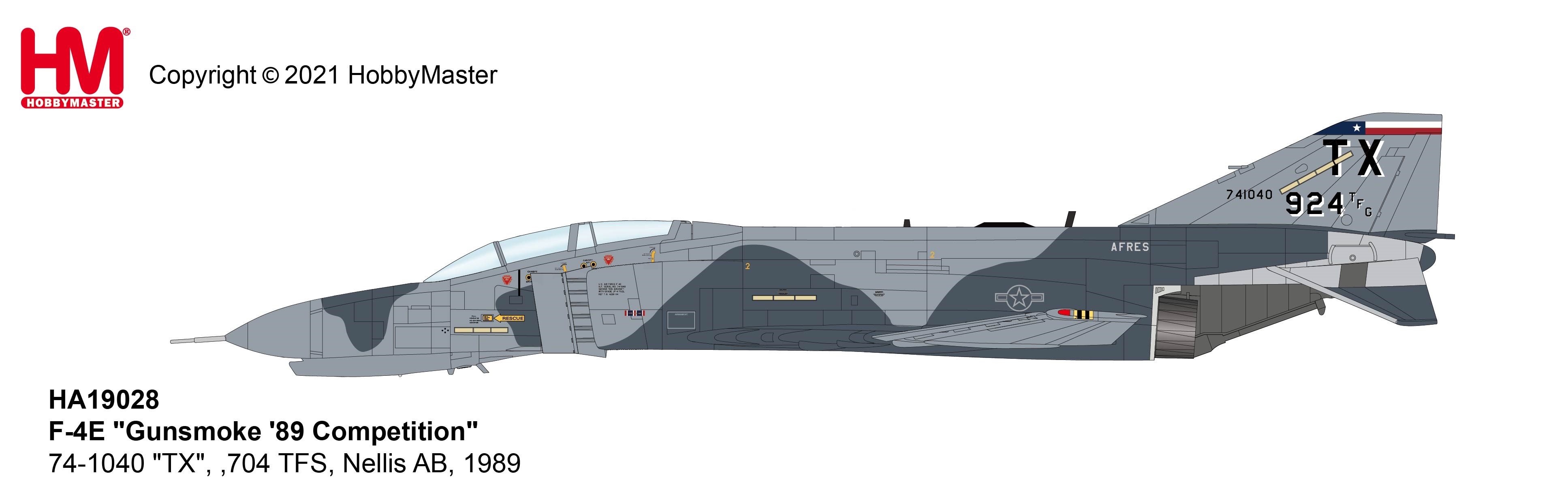
Hobbymaster 1/72nd scale F-4E “Gunsmoke ’89 Competition” 74-1040 “TX”, ,704 TFS, Nellis AB, 1989
The F-4E variant was an improved version of the C/D with an elongated nose and compact radar. These two things made it possible to install a 20mm M61A1 6 barrel 640 round Vulcan gun pod in the nose. The F-4E was the most produced variant with 1387 aircraft being made over its 12 year production period. The “E” also equipped more air forces than any other variant of the Phantom II.
Gunsmoke (officially known as the Air Force Worldwide Gunnery Competition) was a biennial air-to-surface gunnery meet for conventional weapons, hosted by the United States Air Force. It was held beginning in 1949, excepting a few years. It has been succeeded by Hawgsmoke. The competition occurred during odd-numbered years, alternating with the William Tell competition, which occurs during even-numbered years.
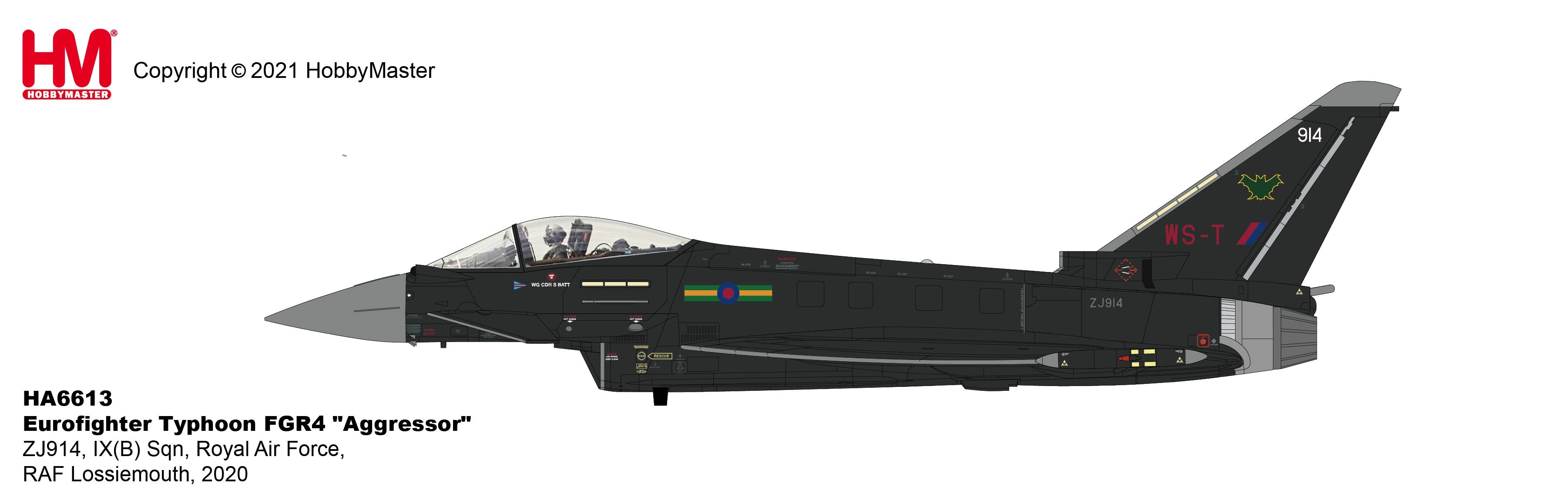
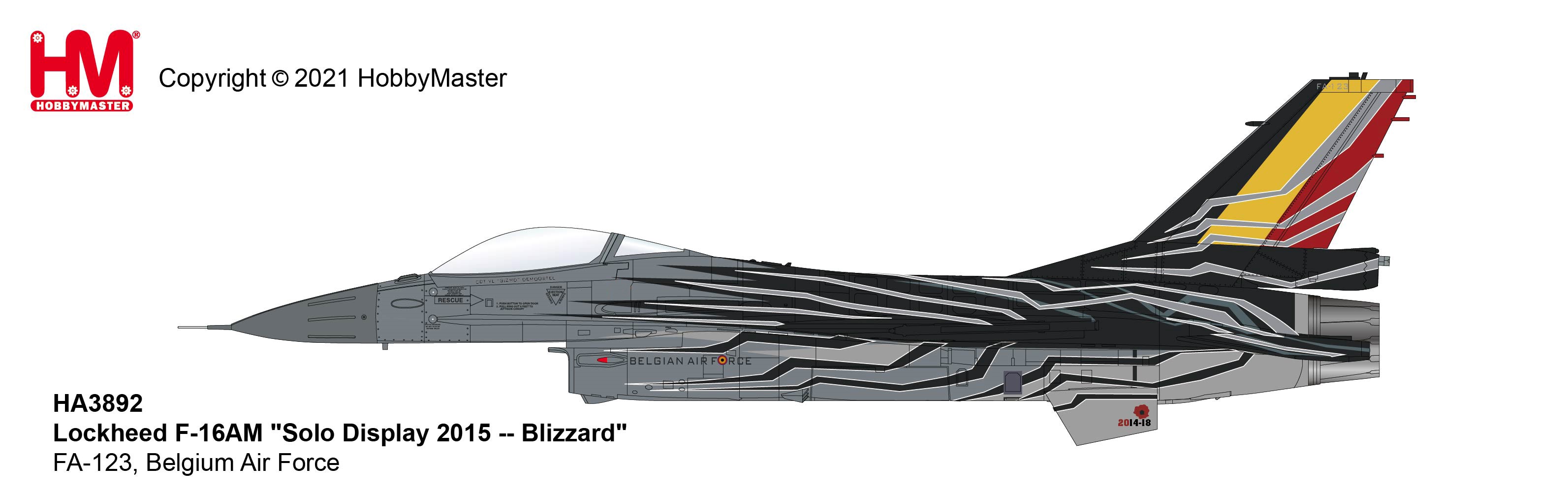
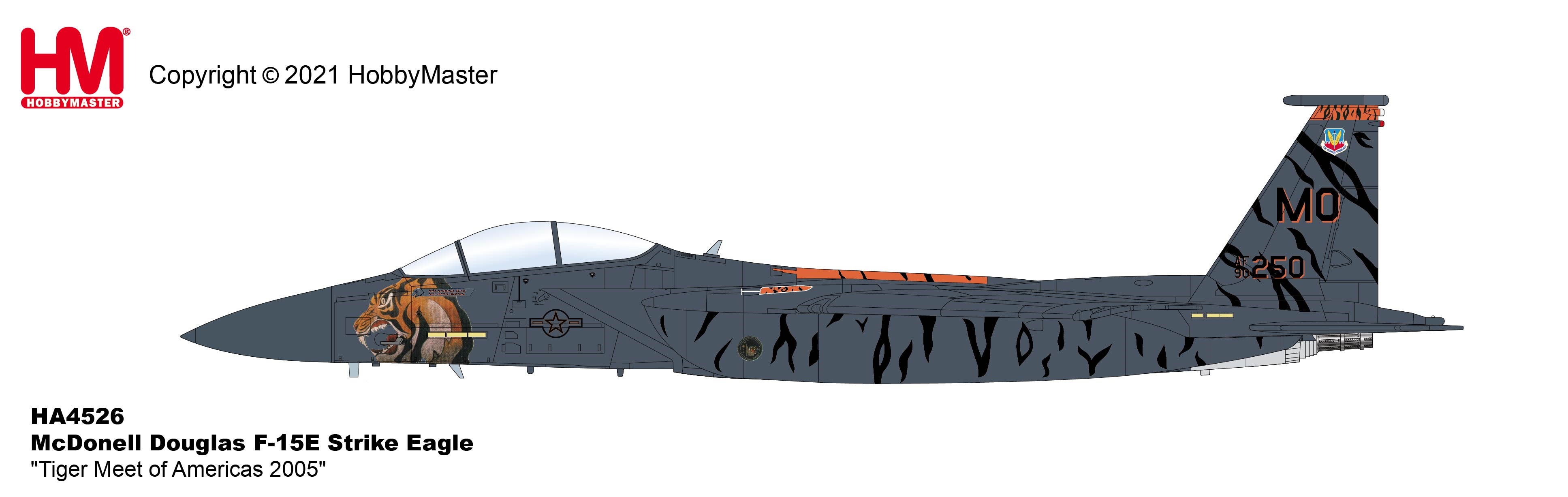
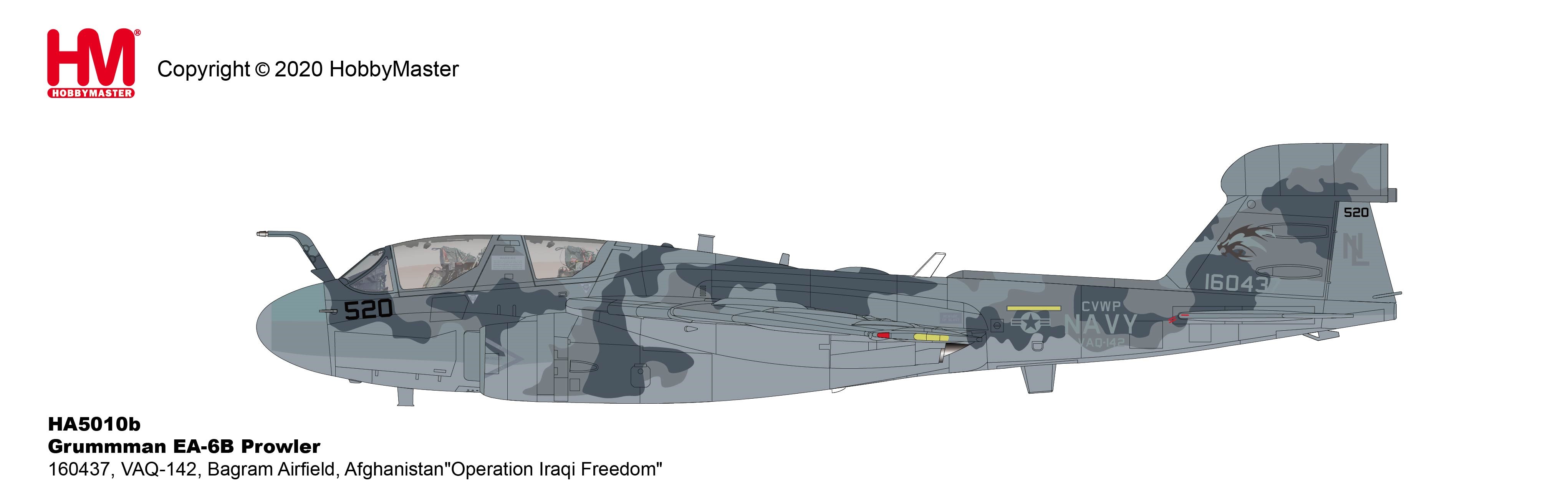
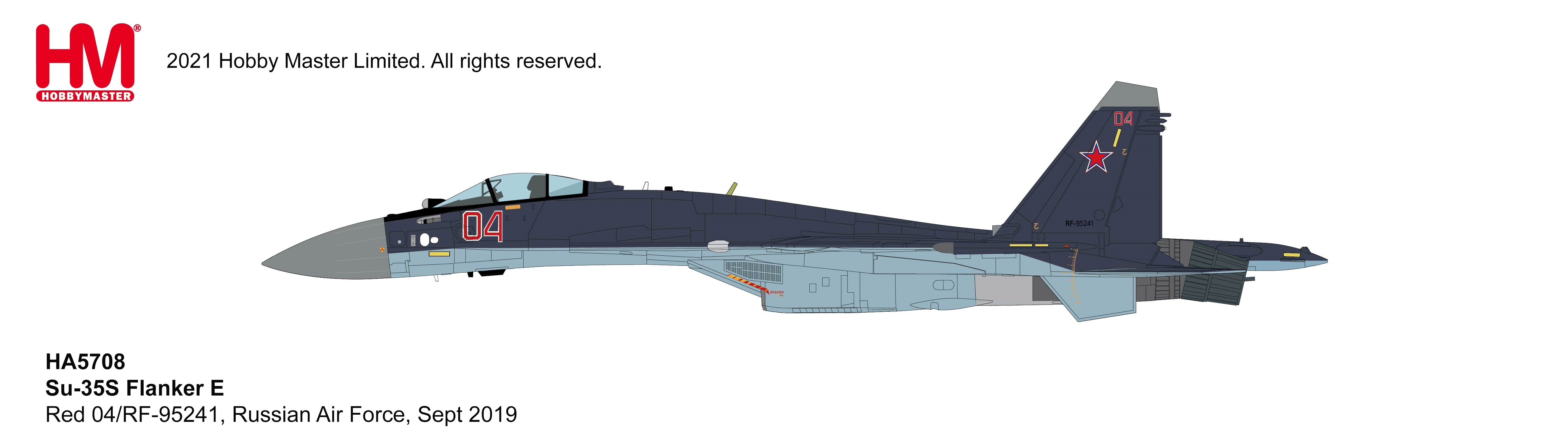
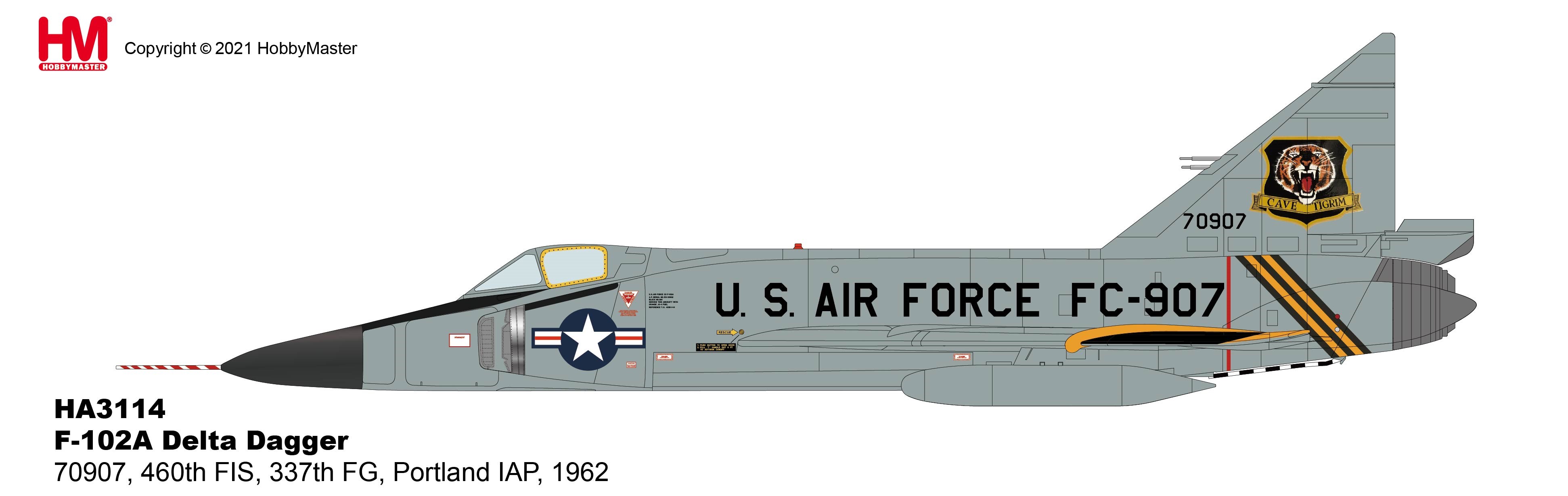
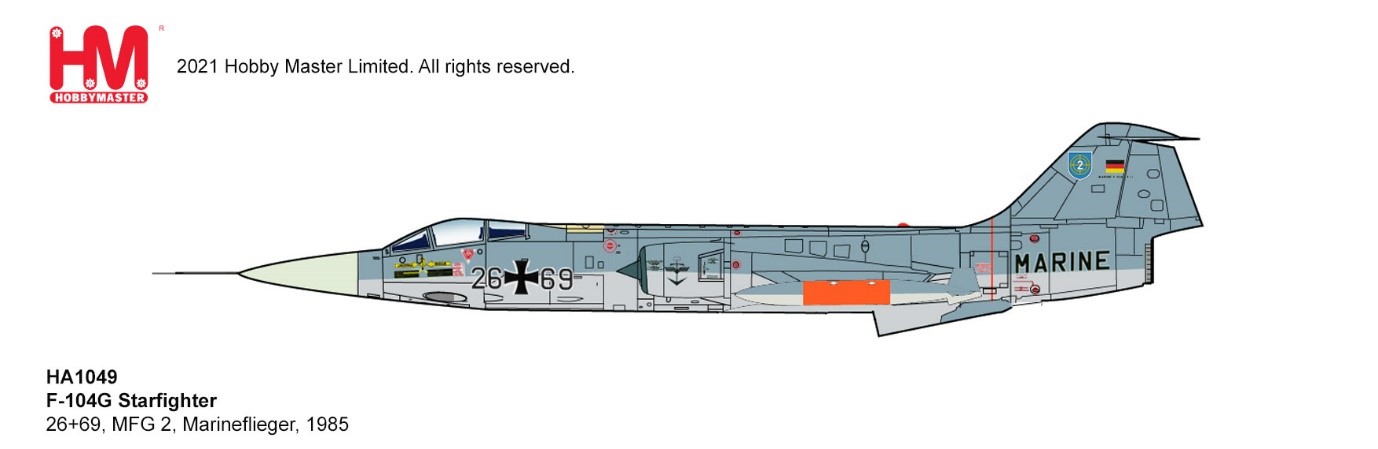
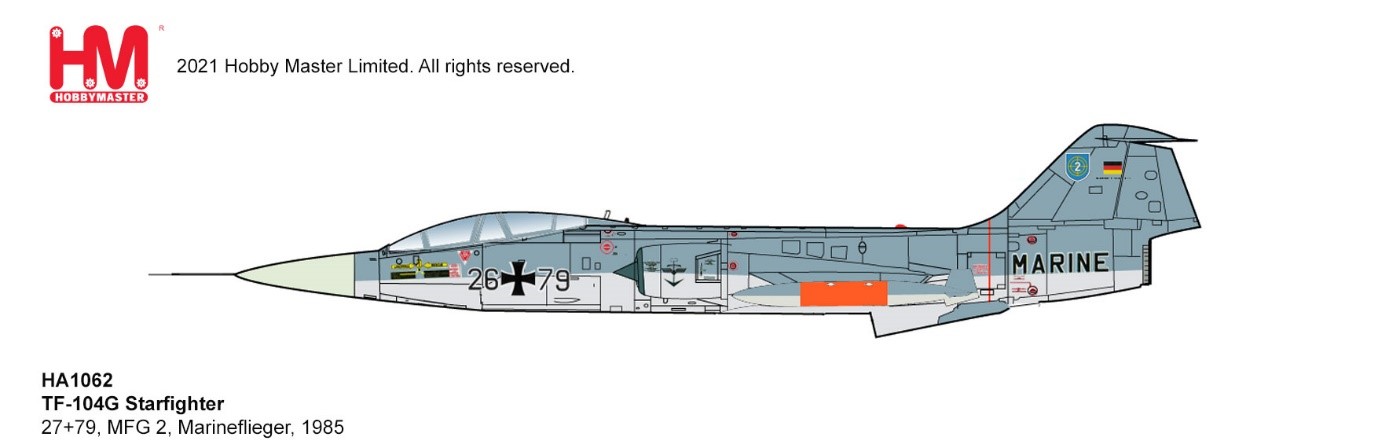
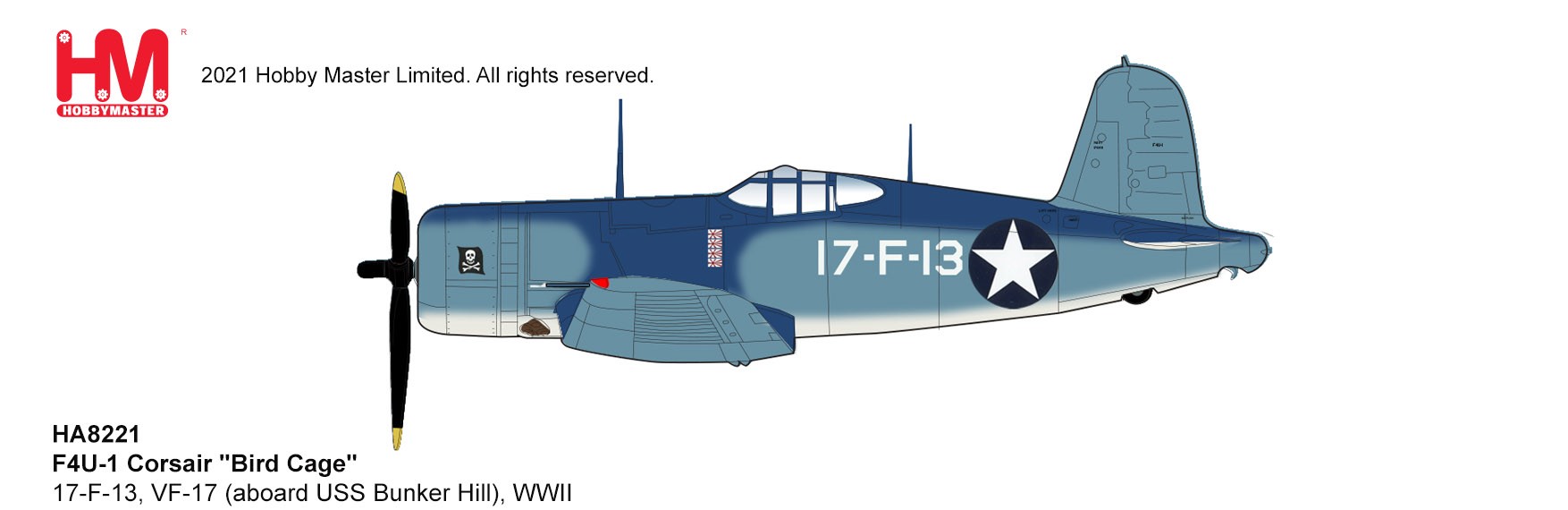
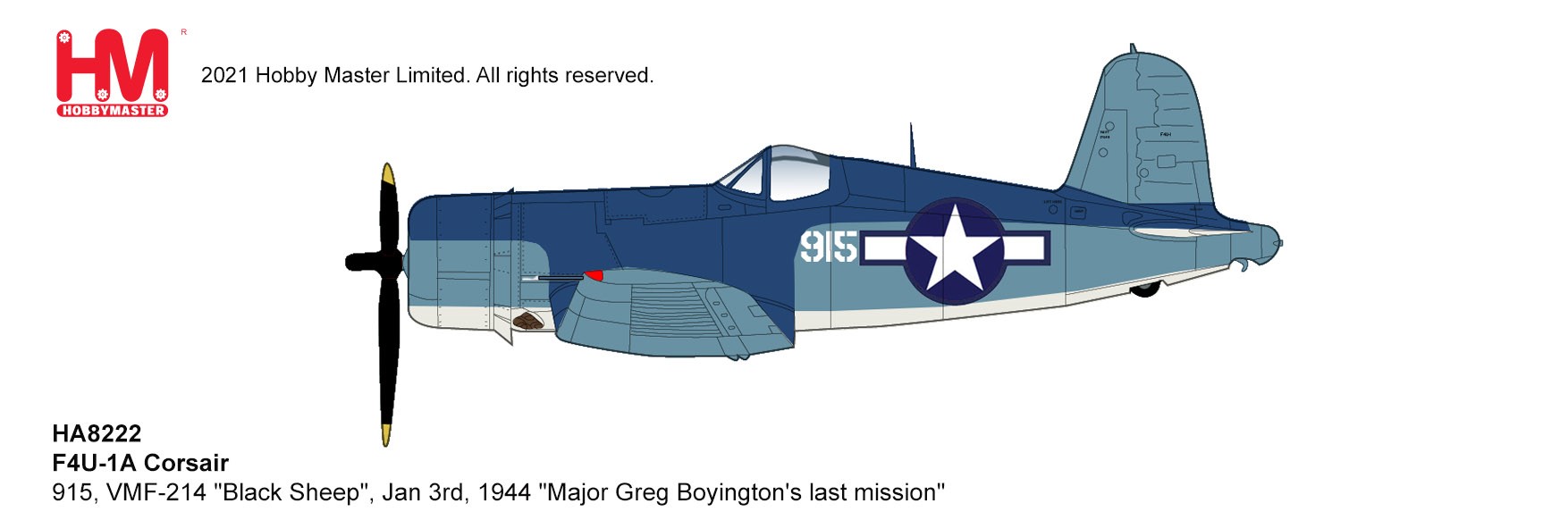
Hobbymaster New Model Announcements.
Check out the latest Hobbymaster 1/72nd scale models which are now available to pre-order at Flying Tigers today.
Don’t forget NO DEPOSIT necessary with Flying Tigers and if you order with your debit or credit card your payment is not taken until your model is available to dispatch.
Flying Tigers will also consolidate your orders to save on postage costs across all brands !
Please click on the images / links below to go to the model of your choice, or CLICK HERE to see them all.

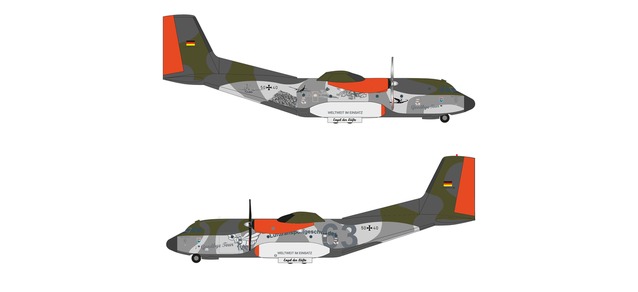
Herpa New Model Announcements.
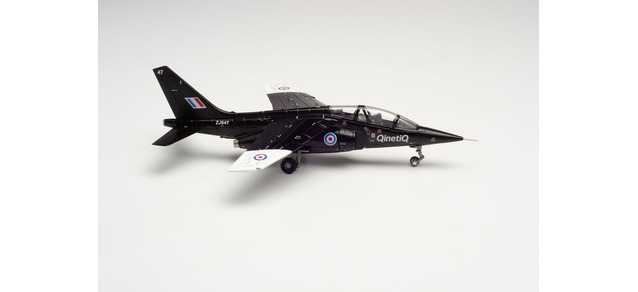
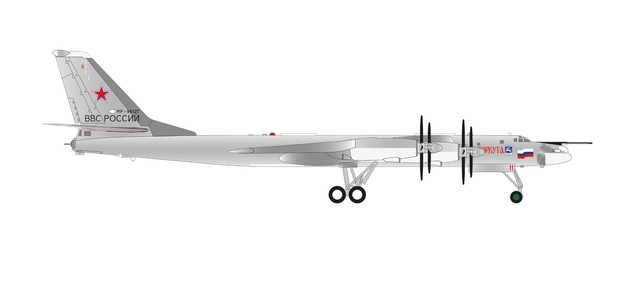
Check out the latest Herpa 1/72nd scale models which are now available to pre-order at Flying Tigers today.
Don’t forget NO DEPOSIT necessary with Flying Tigers and if you order with your debit or credit card your payment is not taken until your model is available to dispatch.
Flying Tigers will also consolidate your orders to save on postage costs across all brands !
Please click on the images / links below to go to the model of your choice, or CLICK HERE to see them all.
That is all for this week.
Thank you for reading this weeks’s Newsletter.
Richard.
Flying Tigers.