1940’s — Republic P-47N Thunderbolt, Thunderbolt flies its first combat mission–a sweep over the Pacific. Used as both a high-altitude escort fighter and a low-level fighter-bomber, the P-47 quickly gained a reputation for ruggedness. Its sturdy construction and air-cooled radial engine enabled the Thunderbolt to absorb severe battle damage and keep flying. (U.S. Air Force photo)
The Republic P-47 Thunderbolt was a World War II era fighter aircraft produced by the United States from 1941 through 1945. Its primary armament was eight .50-caliber machine guns and in the fighter-bomber ground-attack role it could carry five-inch rockets or a bomb load of 2,500 pounds (1,103 kg). When fully loaded, the P-47 weighed up to eight tons, making it one of the heaviest fighters of the war. The P-47 was designed around the powerful Pratt & Whitney R-2800 Double Wasp engine, which was also used by two U.S. Navy/U.S. Marine Corps fighters, the Grumman F6F Hellcat and the Vought F4U Corsair. The Thunderbolt was effective as a short-to medium-range escort fighter in high-altitude air-to-air combat and ground attack in both the European and Pacific theaters.
The P-47 was one of the main United States Army Air Forces (USAAF) fighters of World War II, and also served with other Allied air forces, including those of France, the United Kingdom, and the Soviet Union. Mexican and Brazilian squadrons fighting alongside the USAAF also flew the P-47.
The armoured cockpit was relatively roomy and comfortable and the bubble canopy introduced on the P-47D offered good visibility. A present-day U.S. ground-attack aircraft, the Fairchild Republic A-10 Thunderbolt II, takes its name from the P-47.

American pre-war fighter Republic P-43 Lancer
The P-47 Thunderbolt was a design of Georgian immigrant Alexander Kartveli, and was to replace the Seversky P-35 that was developed earlier by Russian immigrant Alexander P. de Seversky. Both had fled from their homeland to escape the Bolsheviks. In 1939, Republic Aviation designed the AP-4 demonstrator powered by a Pratt & Whitney R-1830 radial engine with a belly-mounted turbocharger. A small number of Republic P-43 Lancers were built but Republic had been working on an improved P-44 Rocket with a more powerful engine, as well as on the AP-10 fighter design. The latter was a lightweight aircraft powered by the Allison V-1710 liquid-cooled V-12 engine and armed with eight .50 in (12.7 mm) M2 Browning machine guns. The United States Army Air Corps (USAAC) backed the project and gave it the designation XP-47.
In the spring of 1940, Republic and the USAAC concluded that the XP-44 and the XP-47 were inferior to Luftwaffe fighters. Republic tried to improve the design, proposing the XP-47A but this failed. Kartveli then designed a much larger fighter, which was offered to the USAAC in June 1940. The Air Corps ordered a prototype in September as the XP-47B. The XP-47A, which had little in common with the new design, was abandoned. The XP-47B was of all-metal construction (except for the fabric-covered tail control surfaces) with elliptical wings, with a straight leading edge that was slightly swept back. The air-conditioned cockpit was roomy and the pilot’s seat was comfortable—”like a lounge chair”, as one pilot later put it. The canopy doors hinged upward. Main and auxiliary self-sealing fuel tanks were placed under the cockpit, giving a total fuel capacity of 305 U.S. gal (1,155 L).
Power came from a Pratt & Whitney R-2800 Double Wasp two-row 18-cylinder radial engine producing 2,000 hp (1,500 kW)—the same engine that would power the prototype Vought XF4U-1 fighter to just over 400 mph (644 kph) in October 1940—with the Double Wasp on the XP-47B turning a four-bladed Curtiss Electric constant-speed propeller of 146 in (3.7 m) in diameter. The loss of the AP-4 prototype to an engine fire ended Kartveli’s experiments with tight-fitting cowlings, so the engine was placed in a broad cowling that opened at the front in a “horse collar”-shaped ellipse. The cowling admitted cooling air for the engine, left and right oil coolers, and the turbosupercharger intercooler system. The engine exhaust gases were routed into a pair of wastegate-equipped pipes that ran along each side of the cockpit to drive the turbosupercharger turbine at the bottom of the fuselage, about halfway between cockpit and tail. At full power, the pipes glowed red at their forward ends and the turbine spun at 21,300 rpm. The complicated turbosupercharger system with its ductwork gave the XP-47B a deep fuselage, and the wings had to be mounted in a relatively high position. This was difficult since long-legged main landing gear struts were needed to provide ground clearance for the enormous propeller. To reduce the size and weight of the undercarriage struts and so that wing-mounted machine guns could be fitted, each strut was fitted with a mechanism by which it telescoped out 9 in (23 cm) when extended.

P-47 firing its M2 machine guns during night gunnery
P-47B, XP-47E, and XP-47F
The XP-47B gave the newly reorganized United States Army Air Forces cause for both optimism and apprehension. While possessing good performance and firepower, the XP-47B had its share of teething problems:-
Its sheer size and limited ground-propeller clearance in a fuselage-level attitude made for challenging takeoffs which required long runways—the pilot had to hold the tail low until considerable speed was attained on the initial run.
The sideways-opening canopy covers had a tendency to jam.
The multiple-gun installation, with its tight fit and cramped ammunition belt tracks, experienced jamming problems, especially during and after hard maneuvering.
Maneuverability was less than desired when compared with the Supermarine Spitfire and Messerschmitt Bf 109.
The ignition system arced at high altitude.
Access to the rear engine accessory pad was difficult due to the short engine mount used.
At high altitude the ailerons “snatched and froze”.
At high speeds the control loads were deemed excessive.

P-47B-RE 41-5905 assigned to the 56th FG at Teterboro Airport. Note the windows behind the cockpit and the sliding canopy, an indication that this was an early production P-47B.
Republic addressed the problems by fitting a rearwards-sliding canopy that could be jettisoned in an emergency, a pressurized ignition system and all-metal control surfaces. The deficient maintenance access to the Double Wasp radial on the B-series subtypes had to wait until the P-47C introduced a new engine mount. While the engineers worked to get their “dinosaur” to fly right, the USAAF ordered 171 P-47Bs. An engineering prototype P-47B was delivered in December 1941, with a production prototype following in March 1942 and the first production model provided in May. Republic continued to improve the design as P-47Bs were produced and although all P-47Bs had the sliding canopy and the new General Electric turbosupercharger regulator for the R-2800-21 engine, features such as all-metal control surfaces were not standard at first. A modification on the P-47B, also required for the early marks of the U.S. Navy’s Grumman F4F Wildcat and Grumman F6F Hellcat was the radio mast behind the cockpit that was slanted forward to maintain the originally designed antenna wire length in spite of the new sliding canopy.
The P-47B led to a few “one-off” variants. In September 1942, the 171st and last P-47B (41-6065) was also used as a test platform as XP-47E to evaluate the R-2800-59 engine, a pressurized cockpit with a hinged canopy and eventually a new Hamilton Standard propeller. The plans for production were canceled after increased emphasis on low-level operations over Europe. Another P-47B was later fitted with a new laminar flow wing in search of higher performance and redesignated XP-47F. In 1942 an example of the potentially 3,000 hp Fairey P-24 Monarch engine along with its Fairey Battle test bed was shipped to Wright Field for testing with a view to possible installation in the P-47. After around 250 hours of test flying of the P-24 engined Battle at Wright Field, the idea to re-engine the P-47 with the P-24 was abandoned.

A P-47 engine with the cowling removed. Uncompressed air enters through an intake under the engine and is carried to the turbosupercharger behind the pilot via the silver duct at the bottom. The olive-green pipe returns the compressed air to the engine
P-47C
Production changes gradually addressed the problems with P-47B and the USAAF decided that the P-47 was worthwhile, quickly following the initial order for P-47Bs with another order for 602 more examples of an improved P-47C, with the first of this variant delivered in September 1942. The initial P-47Cs were very similar to the P-47B. Initial deliveries of the Thunderbolt to the USAAF were to the 56th Fighter Group, which was also on Long Island. The 56th served as an operational evaluation unit for the new fighter. Teething problems continued. A Republic test pilot was killed in the fifth production P-47B when it went out of control in a dive on 26th March 1942 and crashed, due to failure of the tail assembly, after fabric-covered tail surfaces ballooned and ruptured. Revised rudder and elevator balance systems and other changes corrected these problems.
Similar to the P-47B, the initial P-47C featured strengthened all-metal control surfaces, an upgraded GE turbosupercharger regulator and a short vertical radio mast. After the manufacture of a block of 57 P-47Cs, production moved to the P-47C-1, which had an 8 in (20 cm) fuselage extension forward of the cockpit at the firewall to correct center of gravity problems, ease engine maintenance and allow installation of a new engine mount. There were a number of other changes, such as revised exhausts for the oil coolers and fixes to brakes, undercarriage and electrical systems, as well as a redesigned rudder and elevator balance. The 55 P-47C-1s were followed by 128 P-47C-2s with a centerline hardpoint with under-fuselage shackles for either a 500 lb (227 kg) bomb or a 200 U.S. gal (758 l, 167 Imp gal) fuel tank that conformed to the underside of the fuselage. The main production P-47C sub-variant was the P-47C-5 which introduced a new whip antenna. With the use of pressurized drop tanks, the P-47C was able to extend its range on missions beginning 30th July 1943. By the end of 1942, most of the troubles with the P-47 had been worked out and P-47Cs were sent to England. The 56th FG was sent overseas to join the Eighth Air Force, whose 4th and 78th Fighter Groups would be equipped with the Thunderbolt as well.

Republic P-47C-2-RE Thunderbolts of the 61st Fighter Squadron, 56th Fighter Group 41-6265 identifiable, 1943.
P-47D / P-47G and XP-47K / XP-47L
Refinements of the Thunderbolt continued, leading to the P-47D, which was the most produced version with 12,558 built. The “D” model actually consisted of a series of evolving production blocks, the last of which were visibly different from the first. The first P-47Ds were actually the same as P-47Cs. Republic could not produce Thunderbolts fast enough at its Farmingdale plant on Long Island, so a new plant was built at Evansville, Indiana. The Evansville plant first built a total of 110 P-47D-1-RAs, which were completely identical to P-47C-2s. Farmingdale aircraft were identified by the -RE suffix after the block number, while Evansville aircraft were given the -RA suffix.
The P-47D-1 through P-47D-6, the P-47D-10, and the P-47D-11 successively incorporated changes such as the addition of more engine cooling flaps around the back of the cowl to reduce the engine overheating problems that had been seen in the field. Engines and engine subsystems saw refinement, (the P-47D-10 introduced the R-2800-63, replacing the R-2800-21 seen in previous P-47s) as did the fuel, oil and hydraulic systems. Additional armor protection was also added for the pilot.

Republic XP-47K 3/4 front view (S/N 42-8702). (U.S. Air Force photo)
The P-47D-15 was produced in response to requests by combat units for increased range. “Wet” (equipped with fuel plumbing) underwing pylons were introduced to allow a bomb or drop tank pressurized by vented exhaust air to be carried under each wing, in addition to the belly tank. Seven different auxiliary tanks were fitted to the Thunderbolt during its career:-
200 U.S. gallon (758 l) ferry tank: A conformal tub-shaped jettisonable tank made of paper, which barely cleared the ground on grass airfields, was used as an interim measure between 30th July and 31st August 1943.
75 U.S. gallon(284 l) drop tank: A standardized, all-metal teardrop-shaped steel tank with a prominent protruding horizontal seam, initially produced for the P-39 Airacobra, was adapted to the P-47 beginning 31st August 1943. It was initially carried on the belly shackle, but was used in pairs in 1944 as underwing tanks, and adopted as a standard accessory in the US inventory.
108 U.S. gallon (409 l) drop tank: A cylindrical paper tank of British design and manufacture, used as a belly tank beginning in September 1943 and a wing tank in April 1944.
150 U.S. gallon (568 l) drop tank: A steel tank first used as a belly tank 20th February 1944, and an underwing tank 22nd May 1944.
215 U.S. gallon (810 l) drop tank: A wide, flat steel tank developed by VIII Service Command was first used in February 1945.
165 U.S. gallon (625 l) drop tank: This tank, produced by Lockheed, could be used either as a fuel tank or as a napalm container.
110 U.S. gallon (416 l) drop tank: This tank was similar in shape to the 75 gallon drop tank, but was larger. It could also be used as a napalm container.

Republic P-47D Thunderbolt.
The tanks made of plastic-impregnated (laminated) paper could not store fuel for an extended period of time, but they worked quite well for the time it took to fly a single mission. These tanks were cheaper, lighter, and were useless to the enemy if recovered after being dropped—not only did they break apart, but they did not provide the enemy with any reusable materials that could be scavenged for their own war effort. With the increased fuel capacity, the P-47 was now able to perform escort missions deep into enemy territory. A drawback to their use was that fighters could not land with the tanks in place because of the hazard of rupture and explosion. Fighters recalled from a mission or that did not jettison their paper tanks for some reason were required to drop them into a designated “dump” area at their respective fields, resulting in substantial losses of aviation fuel.
The P-47D-16, D-20, D-22 and D-23 were similar to the P-47D-15 with minor improvements in the fuel system, engine subsystems, (the P-47D-20 introduced the R-2800-59 engine) a jettisonable canopy, and a bulletproof windshield. Beginning with the block 22 aircraft, the original narrow-chorded Curtiss propeller was replaced by propellers with larger blades, the Evansville plant switching to a new Curtiss propeller with a diameter of 13 ft (3.96 m) and the Long Island plant using a Hamilton Standard propeller with a diameter of 13 ft 2 in (4.01 m). With the bigger propellers having barely 6 in (152 mm) of ground clearance, Thunderbolt pilots had to learn to be careful on takeoffs to keep the tail down until they obtained adequate ground clearance, and on landings to flare the aircraft properly. Failure to do so damaged both the propeller and the runway. A modification to the main gear legs was installed to extend the legs via an electric motor (un-extending before retraction) to accommodate the larger propeller diameter.

P-47D-22-RE 42-25969 8th AF / 361st FG / 376th FG flown by Capt. John D. Duncan.
Even with two Republic plants rolling out the P-47, the U.S. Army Air Forces still were not getting as many Thunderbolts as they wanted. Consequently, an arrangement was made with Curtiss to build the aircraft under license in a plant in Buffalo, New York. The Curtiss plant experienced serious problems and delays in producing Thunderbolts, and the 354 Curtiss-built fighters were relegated to stateside advanced flight training. The Curtiss aircraft were all designated P-47G, and a “-CU” suffix was used to distinguish them from other production. The first P-47G was completely identical to the P-47C, the P-47G-1 was identical to the P-47C-1, while the following P-47G-5, P-47G-10, and P-47G-15 sub-variants were comparable to the P-47D-1, P-47D-5 and P-47D-10 respectively. Two P-47G-15s were built with the cockpit extended forward to just before the leading edge of the wing to provide tandem seating, designated TP-47G, essentially to provide a trainer variant. The second crew position was accommodated by substituting a much smaller main fuel tank. The “Doublebolt” did not go into production but similar modifications were made in the field to older P-47s, which were then used as squadron “hacks” (miscellaneous utility aircraft).
Bubbletop P-47s
All the P-47s produced to this point had a “razorback” canopy configuration with a tall fuselage spine behind the pilot, which resulted in poor visibility to the rear. The British also had this problem with their fighter aircraft, and had devised the bulged “Malcolm hood” canopy for the Spitfire as an initial solution. This type of canopy was fitted in the field to many North American P-51 Mustangs, and to a handful of P-47Ds. However, the British then came up with a much better solution, devising an all-round vision “bubble canopy” for the Hawker Typhoon. USAAF officials liked the bubble canopy, and quickly adapted it to American fighters, including the P-51 and the Thunderbolt. The first P-47 with a bubble canopy was a modified P-47D-5 completed in the summer of 1943 and redesignated XP-47K. Another older P-47D was modified to provide an internal fuel capacity of 370 U.S. gal (1,402 l) and given the designation XP-47L. The bubble canopy and increased fuel capacity were then rolled into production together, resulting in the block 25 P-47D (rather than a new variant designation). First deliveries of the P-47D-25 to combat groups began in May 1944.

Two P-47 Thunderbolts of IIAF over Tehran.
It was followed by similar bubble-top variants, including the P-47D-26, D-27, D-28 and D-30. Improvements added in this series included engine refinements and the addition of dive recovery flaps. Cutting down the rear fuselage to accommodate the bubble canopy produced yaw instability, and the P-47D-40 introduced a vertical stabilizer extension in the form of a fin running from the vertical stabilizer to just behind the radio aerial. The fin fillet was often retrofitted in the field to earlier P-47D bubble-top variants. The P-47D-40 also featured provisions for 10 “zero length” launchers for 5 in (127 mm) High velocity aircraft rockets (HVARs), as well as the new K-14 computing gunsight. This was a license-built copy of the British Ferranti GGS Mark IID computing gyroscopic sight which allowed the pilot to dial in target wingspan and range, and would then move the gunsight reticle to compensate for the required deflection.
The bubbletop P-47s were nicknamed “Superbolts” by combat pilots in the field.
Republic made several attempts to further improve the P-47D:-

Republic XP-47H in flight. (U.S. Air Force photo)
Two XP-47Hs were converted. They were major reworkings of existing razorback P-47Ds to accommodate a Chrysler IV-2220-11 liquid-cooled 16-cylinder inverted vee engine. The plane reached 490 mph in level flight, but, with the end of the war, it never saw production.
XP-47J
The XP-47J began as a November 1942 request to Republic for a high-performance version of the Thunderbolt using a lighter airframe and an uprated engine with water injection and fan cooling. Kartveli designed a completely new aircraft fitted with a tight-cowled Pratt & Whitney R-2800-57 with a war emergency rating of 2,800 hp (2,090 kW), reduced armament of six 0.50 in (12.7 mm) machine guns, a new and lighter wing, and many other changes. The only XP-47J was first flown in late November 1943 by Republic test pilot Mike Ritchie. Less than a year later it flew into the aviation history books marking a new milestone for speed.

Republic XP-47J (U.S. Air Force photo)
When fitted with a GE CH-5 turbosupercharger, the XP-47J achieved a top speed of 505 mph (440 kn, 813 km/h) in level flight on August 4th, 1944 at 34,500 feet over a course in Farmingdale, New York, piloted by Mike Ritchie. Ritchie’s achievement was not exceeded until August 21st, 1989, when Lyle Shelton piloted Rare Bear, a highly modified Grumman F8F Bearcat using the rival, near-55 litre displacement Wright Duplex-Cyclone radial engine from the same era (1937) as the Double Wasp, and set a new official FAI record at 523.586 mph.
P-47M
The P-47M was a more conservative attempt to come up with a higher-performance (“Sprint”) version of the Thunderbolt, designed to chase V-1 flying bombs, done, in part, by reducing armament from eight .50-caliber Colt-Browning M2 machine guns to six. In September 1944, four P-47D-27-RE airframes (42-27385/27388) were modified into prototype YP-47Ms by fitting the R-2800-57 engine and the GE CH-5 turbo-supercharger, a combination which could produce 2,800 hp (2,089 kW) at 32,500 ft (9,900 m) when using Wartime Emergency Power (water injection). Air brakes were added to the wing’s lower surfaces to allow braking after a dive onto its prey. The YP-47M had a top speed of 473 mph (410 kn, 761 km/h) and it was put into limited production with 133 (sufficient for one group) built. However, the type suffered serious teething problems in the field due to the highly tuned engine. Engines were unable to reach operating temperatures and power settings and frequently failed in early flights from a variety of causes: ignition harnesses cracked at high altitudes, severing electrical connections between the magneto and distributor, and carburetor valve diaphragms also failed. Persistent oil tank ruptures in replacement engines were found to be the result of inadequate protection against saltwater corrosion during transshipment. In the end, it was simply errors made by the R-2800-57 model engine’s manufacturers which led to these issues with the P-47M. By the time the bugs were worked out, the war in Europe was nearly over. However, P-47Ms still destroyed 15 enemy aircraft in aerial combat, normal results for any fighter type in March–May 1945 when aerial encounters with the Luftwaffe were rare. The entire production total of 130 P-47Ms were delivered to the 56th Fighter Group, and were responsible for all seven of that group’s jet shoot-downs. Twelve were lost in operational crashes with the 56th Group resulting in 11 deaths, two after VE Day, and two (44-21134 on 13th April 1945 and 44-21230 on 16th April 1945) were shot down in combat (both by ground fire).
The second YP-47M (of the batch of four converted P-47Ds) was later fitted with new wings and served as the prototype for the P-47N.

Republic P-47M-1 (S/N 42-21159). (U.S. Air Force photo)
P-47N
The P-47N was the last Thunderbolt variant to be produced. It was designed as an escort fighter for the Boeing B-29 Superfortress bombers flying raids on the Japanese home islands. Increased internal fuel capacity and drop tanks had done much to extend the Thunderbolt’s range during its evolution, and the only other way to expand the fuel capacity was to put fuel tanks into the wings. Thus, a new wing was designed with two 50 U.S. gallon (190 l) fuel tanks. The third YP-47M prototype (42-27387) was fitted with this wing and became the YP-47N; its designation was later changed to XP-47N. This redesigned aircraft first flew in July 1944. The redesign proved successful in extending the range to about 2,000 mi (3,200 km), and the squared-off wingtips improved the roll rate. The P-47N entered mass production with the R-2800-57 engine, and later used the upgraded R-2800-73 or -77. A total of 1,816 were built. The very last Thunderbolt to be built, a P-47N-25, rolled off the production line in October 1945.
At the end of production, a Thunderbolt cost $83,000 in 1945 U.S. dollars. A total of 15,636 Thunderbolts of all types were built.

Republic P-47N-5 three ship formation (S/N 44-88576, 88589, 88577). (U.S. Air Force photo)
US service
By the end of 1942, P-47Cs were sent to England for combat operations. The initial Thunderbolt flyers, 56th Fighter Group, was sent overseas to join the 8th Air Force. As the P-47 Thunderbolt worked up to operational status, it gained a nickname: the “Jug” (because its profile was similar to that of a common milk jug of the time). Two Fighter Groups already stationed in England began introducing the Jugs in January 1943: the Spitfire-flying 4th Fighter Group, a unit built around a core of experienced American pilots who had flown in the RAF Eagle Squadrons prior to the US entry in the war; and the 78th Fighter Group, formerly flying P-38 Lightnings.
Beginning in January 1943, Thunderbolt fighters were sent to the joint Army Air Forces – civilian Millville Airport in Millville, New Jersey in order to train civilian and military pilots.
The first P-47 combat mission took place 10 March 1943 when the 4th FG took their aircraft on a fighter sweep over France. The mission was a failure due to radio malfunctions. All P-47s were refitted with British radios, and missions resumed 8th April. The first P-47 air combat took place 15th April with Major Don Blakeslee of the 4th FG scoring the Thunderbolt’s first air victory (against a Focke-Wulf Fw 190).
By mid-1943, the Jug was also in service with the 12th Air Force in Italy and against the Japanese in the Pacific, with the 348th Fighter Group flying missions out of Port Moresby, New Guinea. By 1944, the Thunderbolt was in combat with the USAAF in all its operational theaters except Alaska.

P-47 pilot Lt Col Francis S. “Gabby” Gabreski, 56th Fighter Group, leading ace of the 8th Air Force
Luftwaffe ace Heinz Bär said that the P-47 “could absorb an astounding amount of lead [from shooting at it] and had to be handled very carefully”. Although the North American P-51 Mustang replaced the P-47 in the long-range escort role in Europe, the Thunderbolt still ended the war with 3,752 air-to-air kills claimed in over 746,000 sorties of all types, at the cost of 3,499 P-47s to all causes in combat. By the end of the war, the 56th FG was the only 8th Air Force unit still flying the P-47, by preference, instead of the P-51. The unit claimed 677.5 air victories and 311 ground kills, at the cost of 128 aircraft. Lieutenant Colonel Francis S. Gabreski scored 28 victories, Captain Robert S. Johnson scored 27 (with one unconfirmed probable kill leading to some giving his tally as 28), and 56th FG Commanding Officer Colonel Hubert Zemke scored 17.75 kills. Despite being the sole remaining P-47 group in the 8th Air Force, the 56th FG remained its top-scoring group in aerial victories throughout the war.
With increases in fuel capacity as the type was refined, the range of escort missions over Europe steadily increased until the P-47 was able to accompany bombers in raids all the way into Germany. On the way back from the raids, pilots shot up ground targets of opportunity, and also used belly shackles to carry bombs on short-range missions, which led to the realization that the P-47 could perform a dual-function on escort missions as a fighter-bomber. Even with its complicated turbosupercharger system, its sturdy airframe and tough radial engine could absorb a lot of damage and still return home.
The P-47 gradually became the USAAF’s primary fighter-bomber, by late 1943, early versions of the P-47D carrying 500 lb (227 kg) bombs underneath their bellies, mid production versions of the P-47D could carry 1000 lb bombs and M8 4.5 in (115 mm) under their wings or from the last version of the P-47D in 1944, 5 in (127 mm) High velocity aircraft rockets (HVARs, also known as “Holy Moses”). From D-Day until VE day, Thunderbolt pilots claimed to have destroyed 86,000 railroad cars, 9,000 locomotives, 6,000 armoured fighting vehicles, and 68,000 trucks. During Operation Cobra, in the vicinity of Roncey, P-47 Thunderbolts of the 405th Fighter group destroyed a German column of 122 tanks, 259 other vehicles, and 11 artillery pieces.
Postwar service

F-47D-30 of FAEC (Cuban Air Force)
With the end of World War II, orders for 5,934 were cancelled. The P-47 continued serving with the U.S. Army Air Forces through 1947, the USAAF Strategic Air Command from 1946 through 1947, the active duty United States Air Force until 1949, and with the Air National Guard until 1953, receiving the designation F-47 in 1948.
P-47s served as spotters for rescue aircraft such as the OA-10 Catalina and Boeing B-17H. In 1950, P-47 Thunderbolts were used to suppress the declaration of independence in Puerto Rico by nationalists during the Jayuya Uprising.
The P-47 was not deployed to Korea for the Korean War. The North American P-51 Mustang was used by the USAF, mainly in the close air support role. Since the Mustang was more vulnerable to being shot down, (and many were lost to anti-aircraft fire), some former P-47 pilots suggested the more durable Thunderbolt should have been sent to Korea. However, the P-51D was available in greater numbers in the USAF and ANG inventories.
Due to continued postwar service with U.S. military and foreign operators, a number of P-47s have survived to the present day, and a few are still flying.
The Cuban Air Force took delivery of 29 ex-USAF airframes and spares. By the late 1950s the P-47 was considered obsolete but were well suited for COIN tasks. Some fought Castro’s rebellion.
P-47 in Allied, non-U.S. service
P-47s were operated by several Allied air arms during World War II. The RAF received 240 razorback P-47Ds which they designated “Thunderbolt Mark I”, and 590 bubbletop P-47D-25s, designated “Thunderbolt Mark IIs”. With no need for another high-altitude fighter, the RAF adapted their Thunderbolts for ground attack, a task for which the type was well suited. Once the Thunderbolts were cleared for use in 1944, they were used against the Japanese in Burma by 16 RAF squadrons of the South East Asia Command from India. Operations with army support (operating as “cab ranks” to be called in when needed), attacks on enemy airfields and lines of communication, and escort sorties.

Royal Air Force Republic Thunderbolt Mark I
They proved devastating in tandem with Spitfires during the Japanese breakout attempt at the Sittang Bend in the final months of the war. The Thunderbolts were armed with three 500 lb (227 kg) bombs or, in some cases, British “60 pound” (27 kg) RP-3 rocket projectiles. Long range fuel tanks gave five hours of endurance. Thunderbolts flew escort for RAF Liberators in the bombing of Rangoon. Thunderbolts remained in RAF service until October 1946. Post-war RAF Thunderbolts were used in support of the Dutch attempts to reassert control of Batavia. Those squadrons not disbanded outright after the war re-equipped with British-built aircraft such as the Hawker Tempest.

RAF Thunderbolt Mk.II readying for a sortie over Burma. January 1945
During the Italian campaign, the “1º Grupo de Caça da Força Aérea Brasileira” (Brazilian Air Force 1st Fighter Squadron) flew a total of 48 P-47Ds in combat (of a total of 67 received, 19 of which were backup aircraft). This unit flew a total of 445 missions from November 1944 to May 1945 over northern Italy and Central Europe, with 15 P-47s lost to German flak and five pilots being killed in action. In the early 1980s, this unit was awarded the “Presidential Unit Citation” by the American government in recognition for its achievements in World War II.

Brazilian P-47s in World War II carried the Senta a Pua! squadron badge, along with the national insignia of Brazil painted over the USAAF’s star and bar.
From March 1945 to the end of the war in the Pacific—as Mexico had declared war on the Axis on May 22nd, 1942—the Mexican Escuadrón Aéreo de Pelea 201 (201st Fighter Squadron) operated P-47Ds as part of the U.S. 5th Air Force in the Philippines. In 791 sorties against Japanese forces, the 201st lost no pilots or aircraft to enemy action.
The French Air Force received 446 P-47Ds from 1943. These aircraft saw extensive action in France and Germany and again in the 1950s during the Algerian War of Independence.
After World War II, the Italian Air Force (AMI) received 75 P-47D-25s sent to 5˚ Stormo, and 99 to the 51˚. These machines were delivered between 1947 and 1950. However, they were not well liked, as the Italian pilots were used to much lighter aircraft and found the controls too heavy. Nevertheless, the stability, payload and high speed were appreciated. Most importantly, the P-47 served as an excellent transition platform to heavier jet fighters, including the F-84 Thunderjet, starting in 1953.

A French Armée de l’air Republic P-47D Thunderbolt of Escadron de Chasse 3/3 “Ardennes”.
The type was provided to many Latin American air forces some of which operated it into the 1960s. Small numbers of P-47s were also provided to China, Iran, Turkey and Yugoslavia.
In Soviet service
The U.S. sent 203 P-47Ds to the Soviet Union. In mid-1943, the Soviet high command showed an interest in the P-47B. Three P-47D-10-REs were ferried to the Soviet Air Forces (VVS) via Alaska in March 1944. Two of them were tested in April–May 1944. Test pilot Aleksey N. Grinchik noted the spacious cockpit with good ventilation and a good all-around view. He found it easy to fly and stable upon take-off and landing, but it showed excessive rolling stability and poor directional stability. Soviet engineers disassembled the third aircraft to examine its construction. They appreciated the high production standards and rational design well-suited to mass production, and the high reliability of the hard-hitting Browning machine guns. With its high service ceiling, the P-47 was superior to fighters operating on the Eastern front, yielding a higher speed above 30,000 feet (9,000 m). The Yakovlev Yak-9, Lavochkin La-5FN, Messerschmitt Bf 109G and Focke-Wulf Fw 190A outperformed the early model P-47 at low and medium altitude, where the P-47 had poor acceleration and performed aerobatics rather reluctantly. In mid-1944, 200 P-47D-22-REs and P-47D-27-REs were ferried to the USSR via Iraq and Iran. Many were sent to training units. Less than half reached operational units, and they were rarely used in combat. The fighters were assigned to high-altitude air defense over major cities in rear areas. Unlike their Western counterparts, the VVS made little use of the P-47 as a ground attack aircraft, depending instead on their own widely produced—with 36,183 examples built during the war—special-purpose, armored ground-attack aircraft, the Ilyushin Il-2. At the end of the war, Soviet units held 188 P-47s.

P-47D 42-27062 Russian AF
In German service
The Luftwaffe operated at least one captured P-47. In poor weather on 7th November 1943 while flying a P-47D-2-RA on a bomber escort mission, 2nd Lt. William E. Roach of 358th Fighter Squadron, 355th Fighter Group made an emergency landing on a German airfield. Roach was imprisoned at Stalag Luft I. The Thunderbolt was given German markings.
T9+LK was probably used for several reconnaissance missions over England just before the D-Day invasion. It was recaptured in Göttingen in 1944 when the Germans were forced to make a rapid withdrawal to Bad Wörishofen.
T9+FK was the second of two P-47s used by 2/Versuchsverband Ob.d.L. In May 1945 it was recaptured at Bad Wörishofen.
YF+U is the Ex-358 FS plane. It was used in a Nazi propaganda film. Later was received the code 7+9 while under evaluation at Rechlin testing ground and used at demonstrations of the Zirkus Rosarius.

American “P-47 Thunderbolt” captured and flown by Germany
In Chinese/Taiwanese service
After World War II, the Chinese Nationalist Air Force received 102 P-47Ds used during the Chinese Civil War. The Chinese Communists captured five P-47Ds from the Chinese Nationalist forces. In 1948, the Chinese Nationalists employed 70 P-47Ds and 42 P-47Ns brought to Taiwan in 1952. P-47s were used extensively in aerial clashes over the Taiwan Strait between Nationalist and Communist aircraft.

P-47 in service with the Chinese Nationalists, 1945
Flying the Thunderbolt
Aerial warfare
Initial response to the P-47 praised its dive speed and high-altitude performance while criticizing its turning performance and rate of climb (particularly at low-to-medium altitudes). The turbosupercharger in the P-47 gave the powerplant its maximum power at 27,000 ft (8,230 m), and in the thin air above 30,000 ft (9,144 m), the Thunderbolt remained comparatively fast and nimble relative to other aircraft.

USAAF P-47D “Razorback” configuration.
The P-47 first saw action with the 4th Fighter Group. The Group’s pilots were mainly drawn from the three British Eagle Squadrons who had previously flown the British Supermarine Spitfire Mark V, a much smaller and much more slender aircraft. At first, they viewed their new fighter with misgivings. It was huge; the British pilots joked that a Thunderbolt pilot could defend himself from a Luftwaffe fighter by running around and hiding in the fuselage. Optimized for high altitude work, the Thunderbolt had 5 feet (1.5 m) more wingspan, a quarter more wing area, about four times the fuselage volume, and nearly twice the weight of a Spitfire V. One Thunderbolt pilot compared it to flying a bathtub around the sky. When his unit (4th Fighter Group) was equipped with Thunderbolts, ace Don Blakeslee said, referring to the P-47’s vaunted ability to dive on its prey, “It ought to be able to dive. It certainly can’t climb.” (Blakeslee’s early-model P-47C had not been fitted with the new paddle blade propeller). The 4th Fighter Group’s commander hated the P-47, and his prejudices filtered down to the group’s pilots; the 4th had the fewest kills of any of the first three P-47 squadrons in Europe.
The U.S. ace Jim Goodson, who had flown Spitfires with the RAF and flew a P-47 in 1943, at first shared the skepticism of other pilots for their “seven-ton milk-bottles”. But Goodson learned to appreciate the P-47’s potential: “There were many U.S. pilots who preferred the P-47 to anything else: they do not agree that the (Fw) 190 held an overall edge against it.”

P-47 Thunderbolt 42-25068 at Duxford Air Show, 2012
The P-47’s initial success in combat was primarily due to tactics, using rolls (the P-47 had an excellent roll rate) and energy-saving dive and zoom climbs from high altitude to outmaneuver German fighters. Both the Bf 109 and Fw 190 could, like the Spitfire, out-turn and out-climb the early model P-47s at low-to-medium altitude. Once paddle blade propellers were added to the P-47 in early 1944, climb performance improved significantly. The Thunderbolt was the fastest-diving American aircraft of the war—it could reach speeds of 550 mph (480 kn, 885 km/h). Some P-47 pilots claimed to have broken the sound barrier, but later research revealed that because of the pressure buildup inside the pitot tube at high speeds, airspeed readings became unpredictably exaggerated. But German pilots gradually learned to avoid diving away from a Thunderbolt. Kurt Bühligen, a high-scoring German fighter ace with 112 victories, recalled:
The P-47 was very heavy, too heavy for some maneuvers. We would see it coming from behind, and pull up fast and the P-47 couldn’t follow and we came around and got on its tail in this way.
The arrival of the new Curtiss paddle blade propeller significantly increased climb rate at lower altitudes and came as a surprise to German pilots who had resorted to steep climbs to evade pursuit by the P-47. Other positive attributes included the P-47’s ruggedness; it could sustain a large amount of damage and still be able to get its pilot back to base. With eight .50 in (12.7 mm) machine guns, the P-47 carried more firepower than other single-engined American fighters. P-47 pilots claimed 20 Luftwaffe Messerschmitt Me 262 jet fighters and four Arado Ar 234 jet bombers in aerial combat.
In the Pacific, Colonel Neel E. Kearby of the Fifth Air Force claimed 22 Japanese aircraft and was awarded the Medal of Honor for an action in which he downed six enemy fighters on a single mission. He was shot down and killed over Wewak in March 1944.
Ground attack role

Republic P-47D-40-RE in flight firing rockets (S/N 44-90386). (U.S. Air Force photo)
The P-47 proved to be a formidable fighter-bomber due to its good armament, heavy bomb load and ability to survive enemy fire. The P-47’s survivability was due in part to its radial piston engine, which unlike comparable liquid-cooled engines, had a high tolerance for damage. The Thunderbolt’s eight .50 in (12.7 mm) machine guns were capable against lightly armoured targets, although less so than cannon-armed aircraft of the day. In a ground attack role, the armour-piercing (AP), armour-piercing incendiary (API), and armour-piercing incendiary tracer (APIT) ammunition proved useful in penetrating thin-skinned and lightly armoured German vehicles and exploding their fuel tanks, as well as occasionally damaging some types of enemy armoured fighting vehicles (AFVs).
P-47 pilots frequently carried two 500 lb (227 kg) bombs, using skip bombing techniques for difficult targets (skipping bombs into railroad tunnels to destroy hidden enemy trains was a favorite tactic). The adoption of the triple-tube M10 rocket launcher with M8 high-explosive 4.5 in (110 mm) rockets (each with an explosive force similar to a 105 mm artillery shell)—much as the RAF’s Hawker Typhoon gained when first fitted with its own two quartets of underwing RP-3 rockets for the same purposes—significantly increased the P-47’s ground attack capability. Late in the war, the P-47 was retrofitted with more powerful 5 in (130 mm) HVAR rockets.

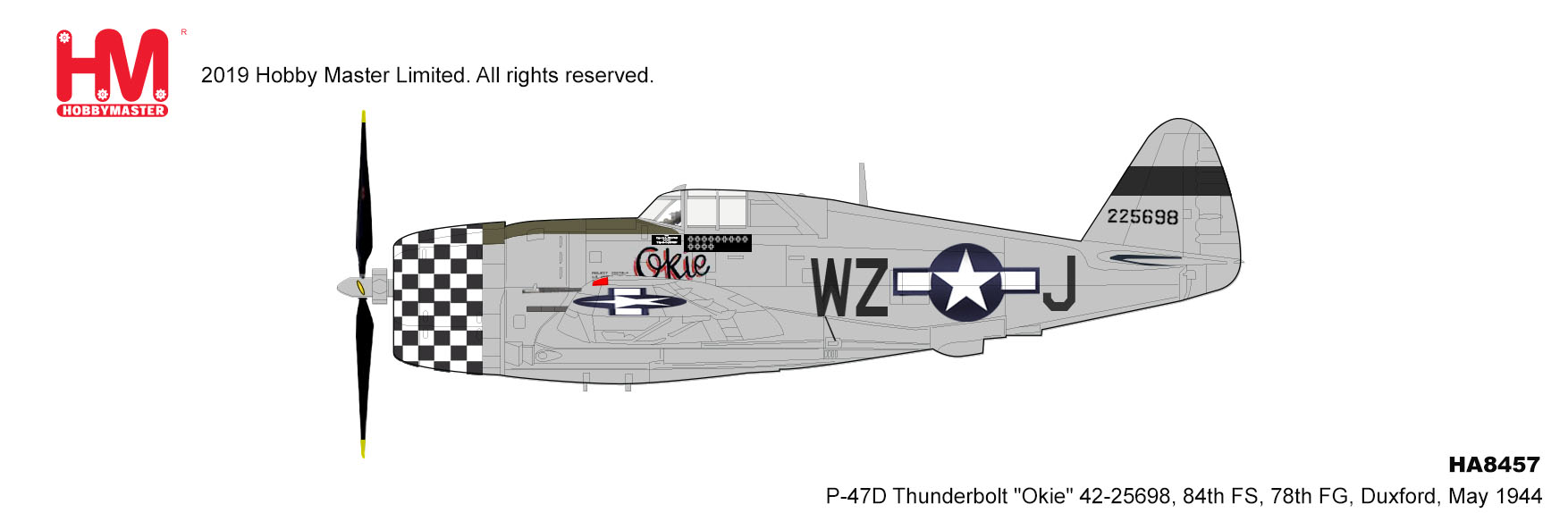
P-47 Thunderbolt “Okie” of the 84th FS, 78th Fighter Group pilot Lt Quince Brown
Republic P-47 Thunderbolt available to order from Flying Tigers
Quince Lucien Brown was born in Oklahoma and named all his aircraft Okie. Brown became the first 8th AF pilot to achieve strafing victories on Nazi fields and later became the first 8th AF pilot to score four victories during the same mission. In early May he receives P-47D 42-25698 his second Okie and later that month is made 84th Squadron Operations Officer. In July 1944 he takes leave and returns September 1st. Now flying the third Okie he is shot down and executed by German civilians. He accumulated 12.3 aerial and 2 ground victories.
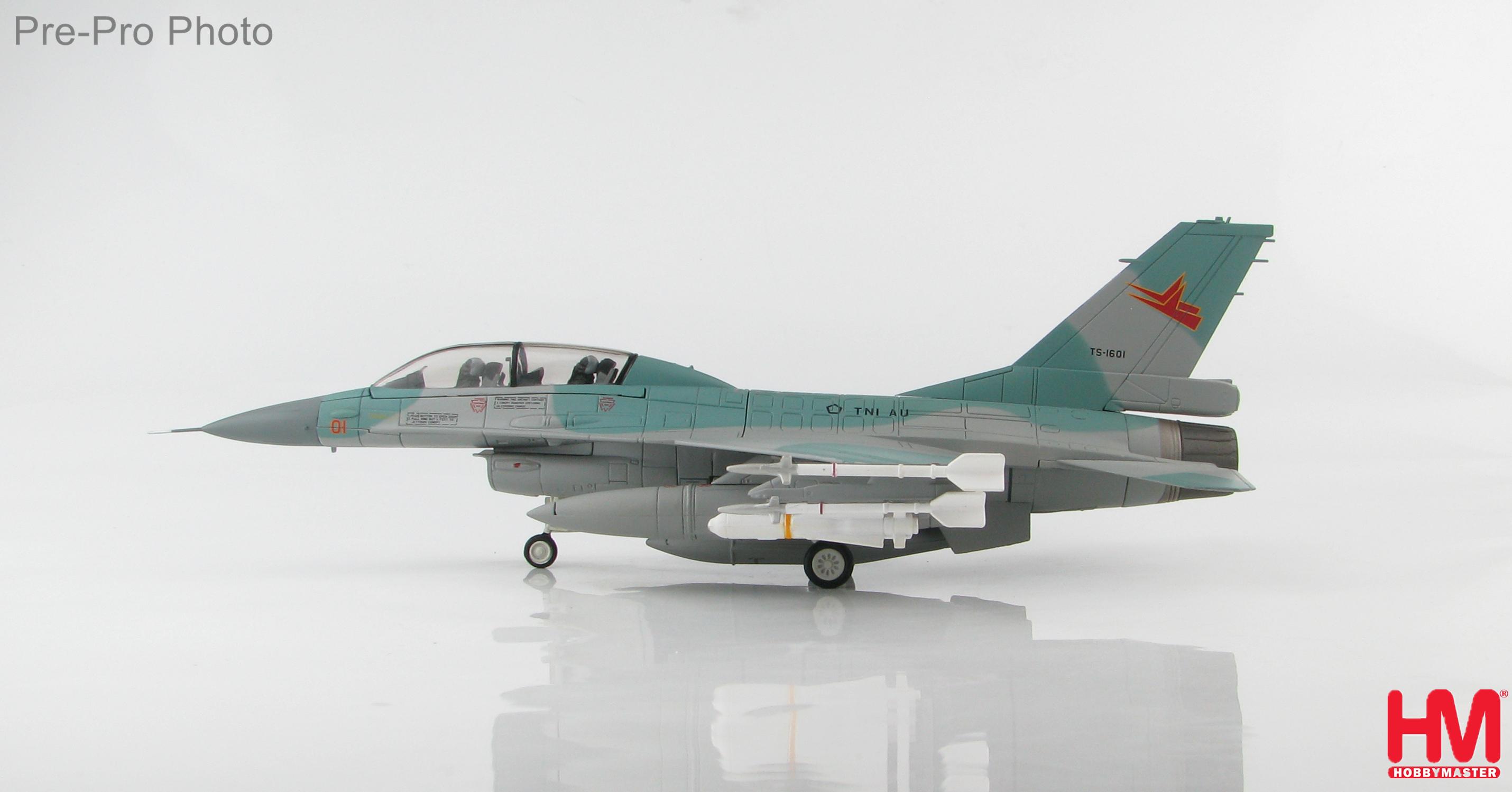
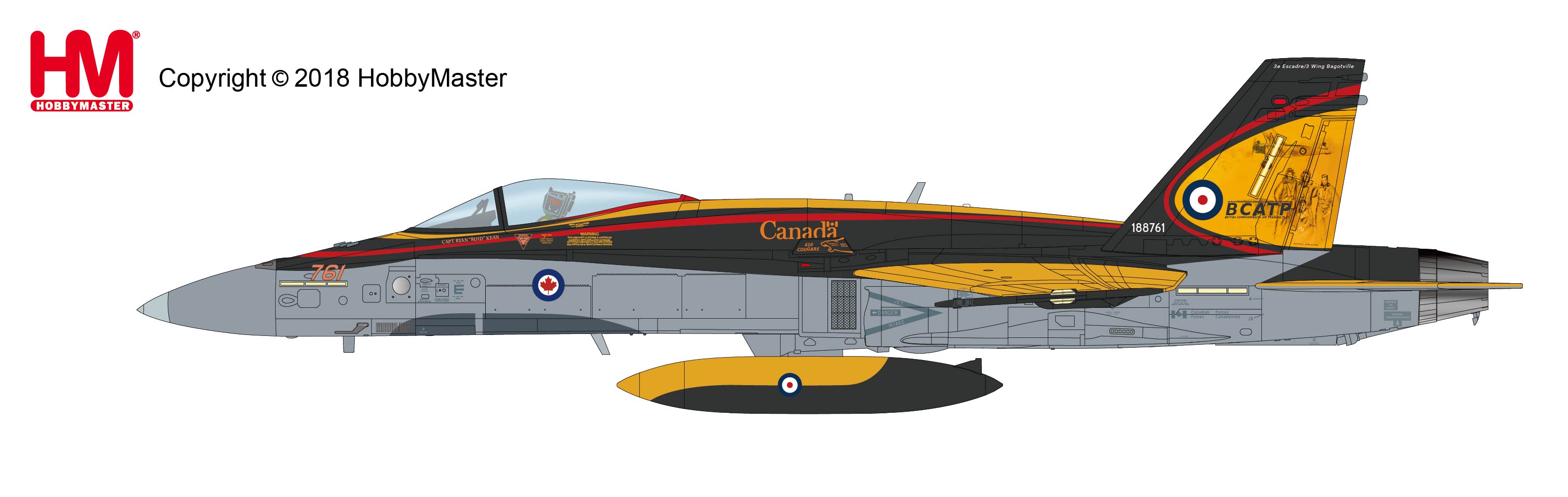
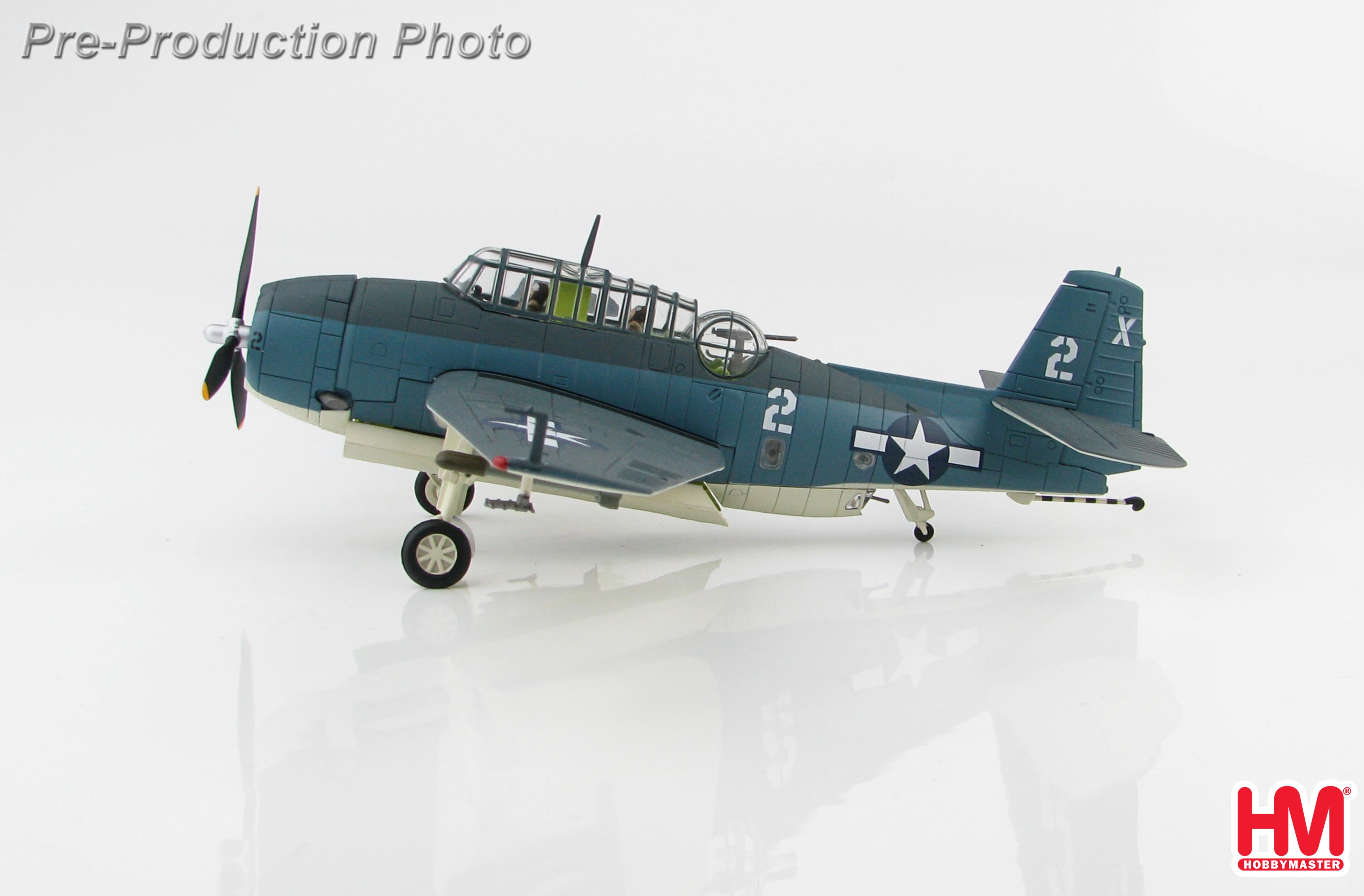
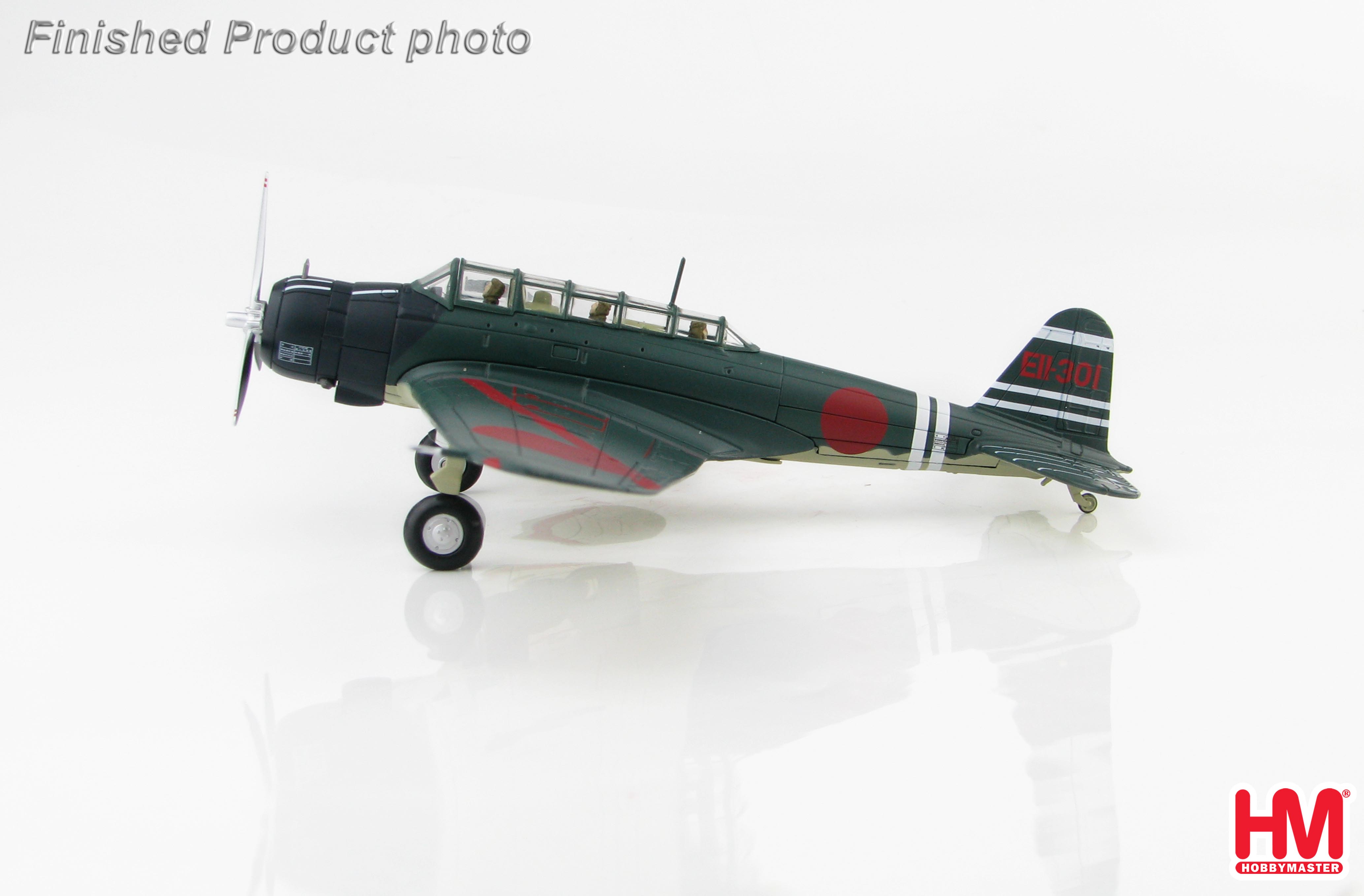
Please click on the image or link below to go straight to the model page to order.
Hobbymaster New model arrivals next week.
New Hobbymaster models are due to arrive next week and are available to pre-order at Flying Tigers today. If you want any of these models it is always safer to pre-order as quantities are very limited.
Don’t forget NO DEPOSIT necessary with Flying Tigers and if you order with your debit or credit card your payment is not taken until your model is available to dispatch.
Flying Tigers will also consolidate your orders to save on postage costs across all brands !
Please click on the images / links below to go to the model of your choice, or CLICK HERE to see them all in the Future Models section.
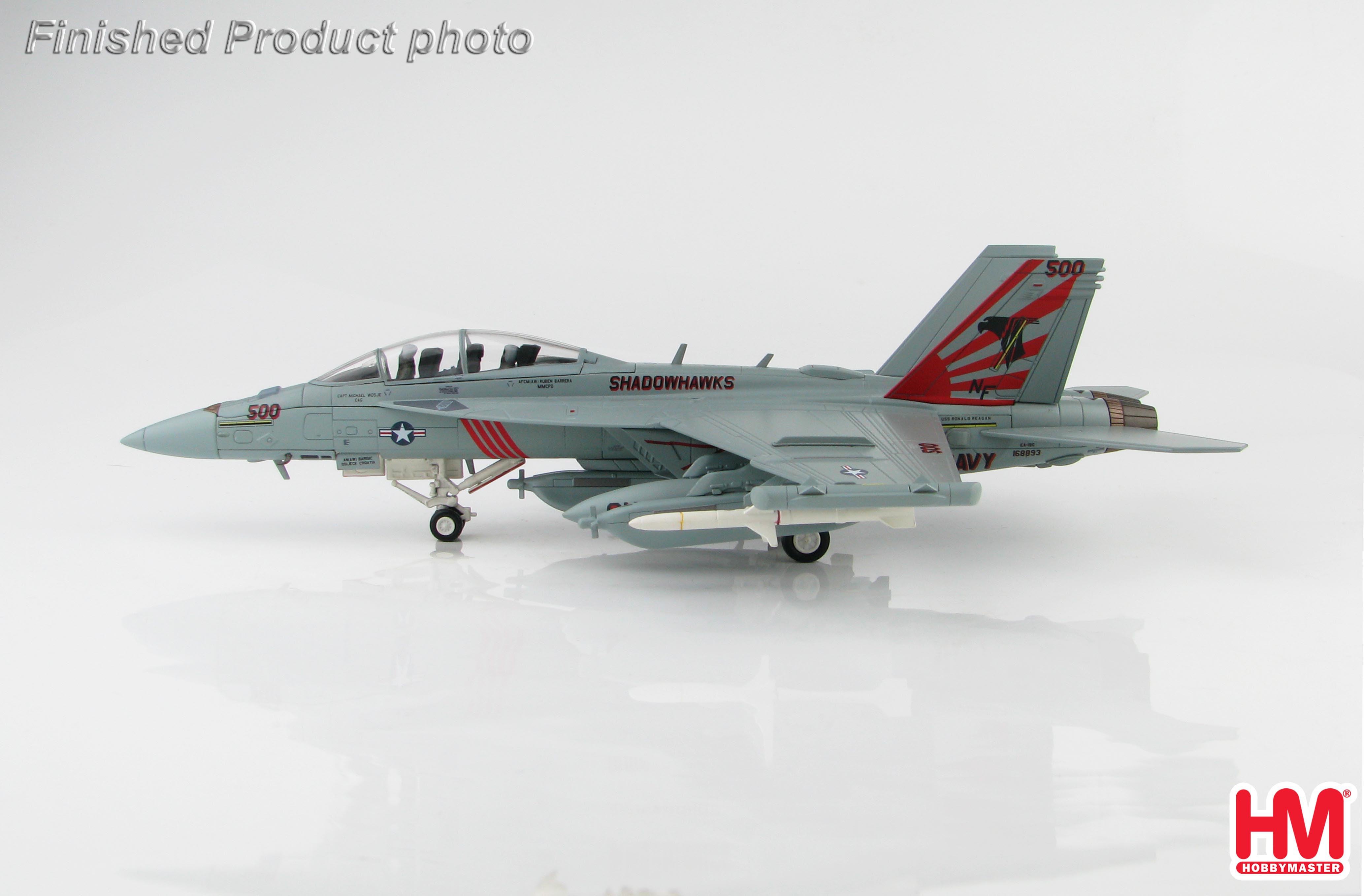
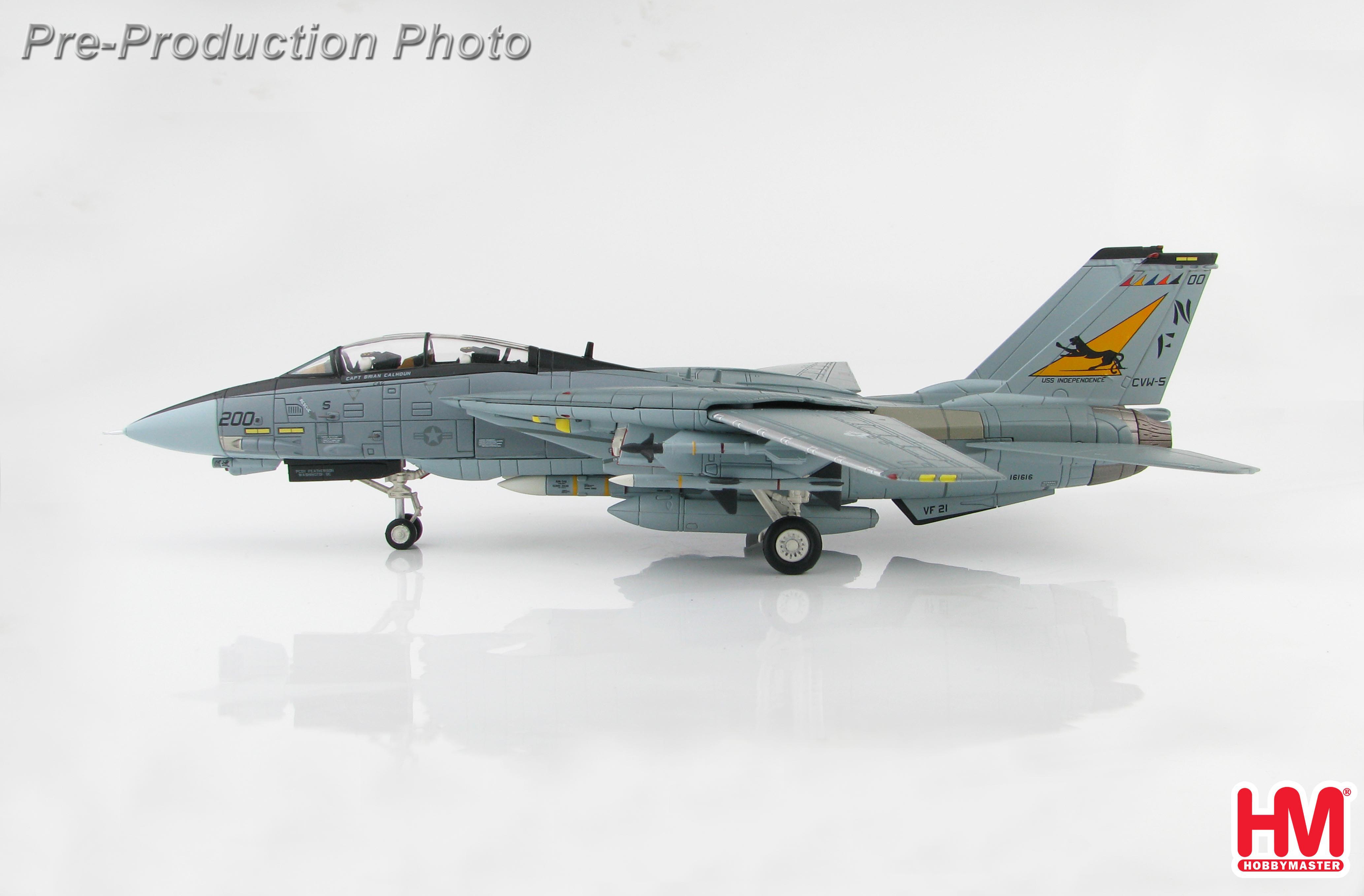
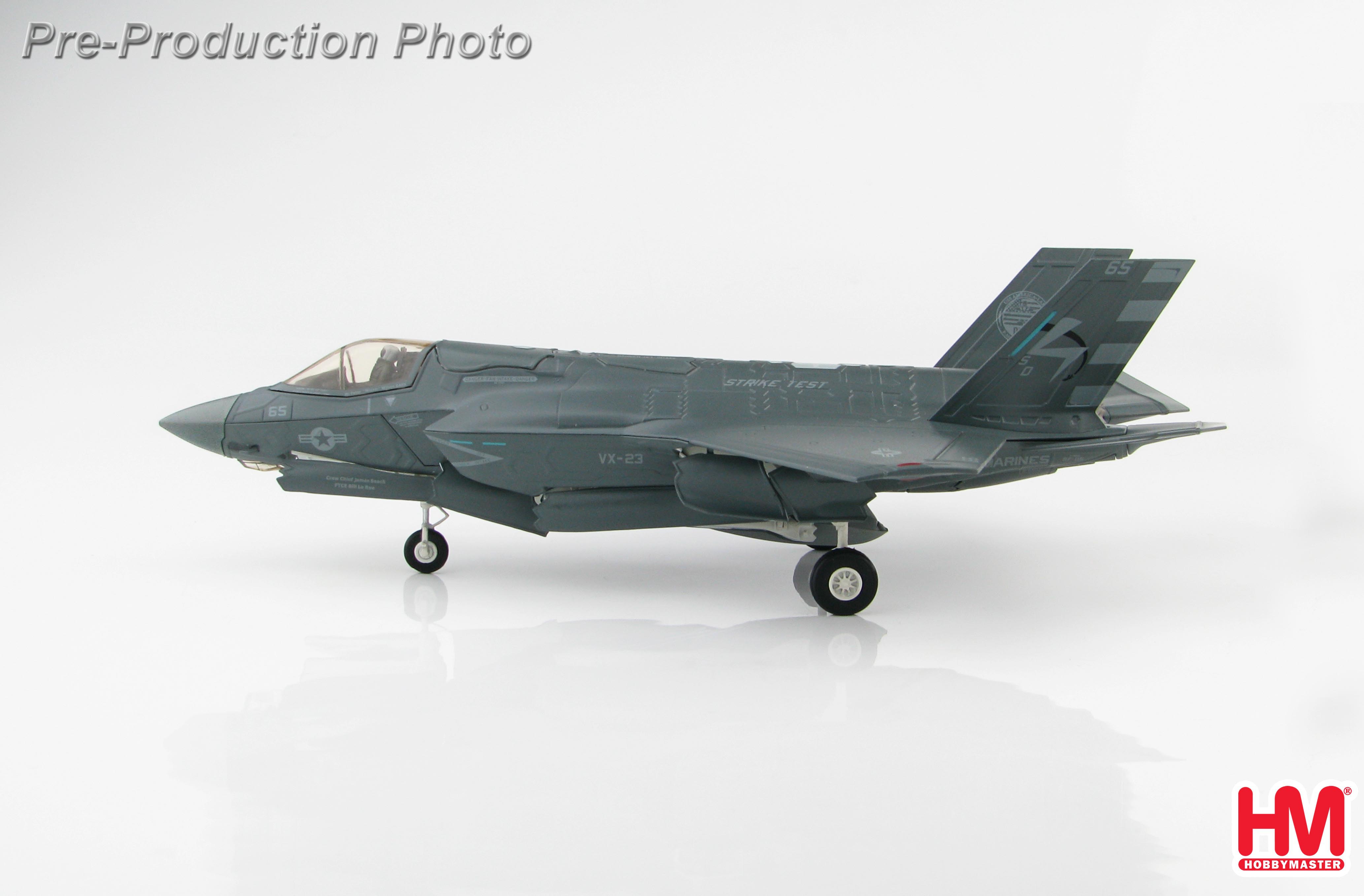
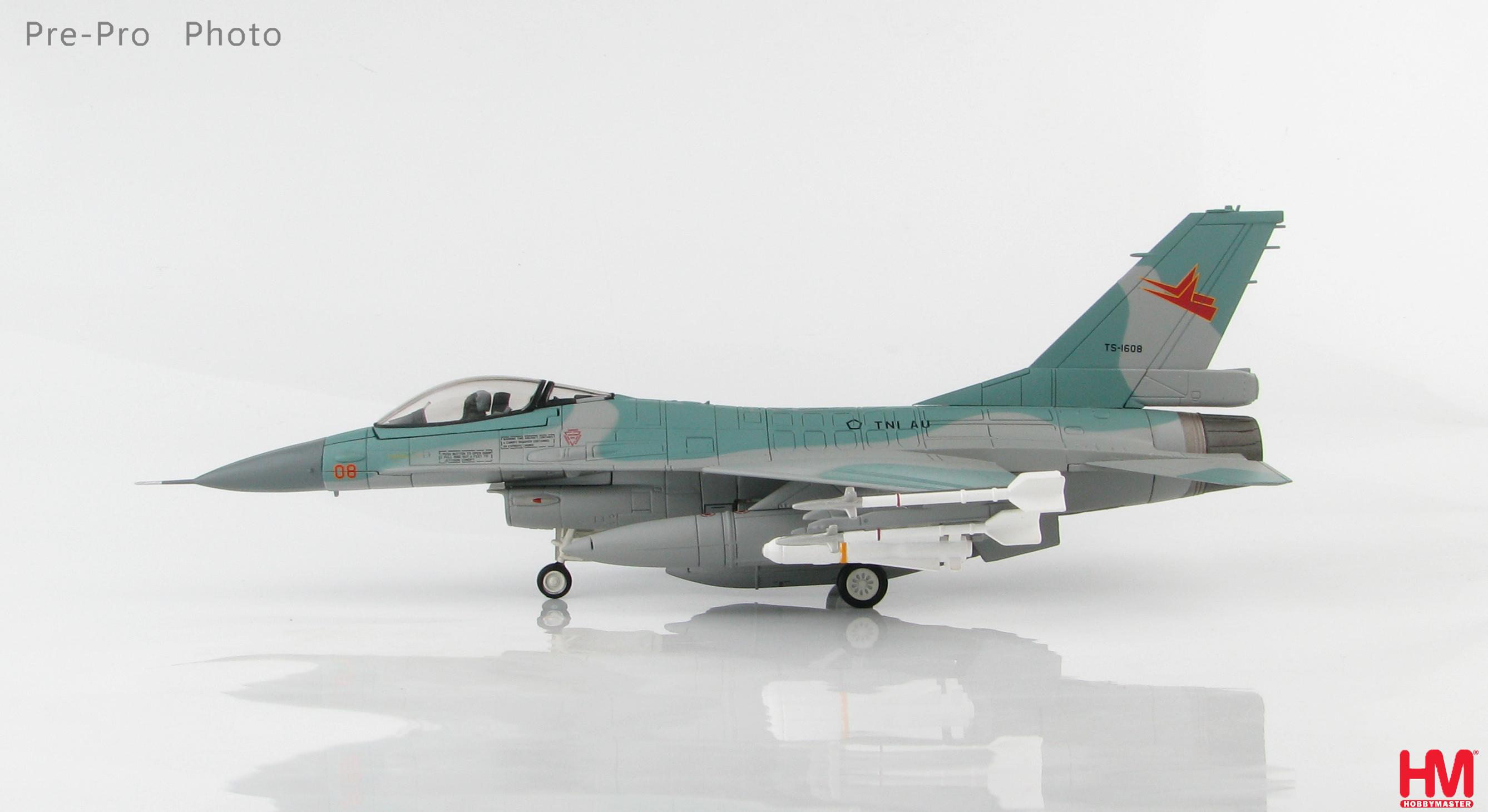
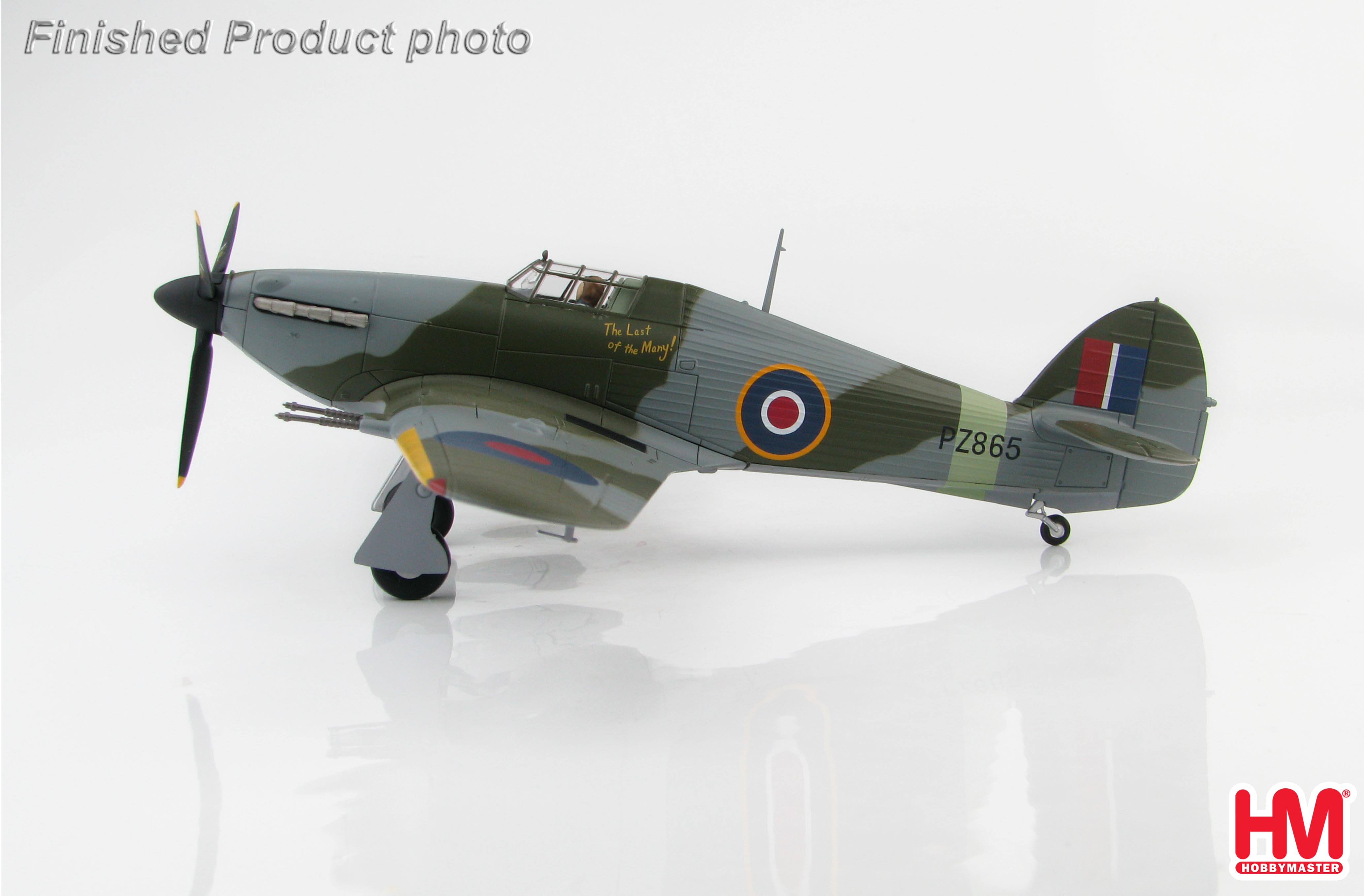
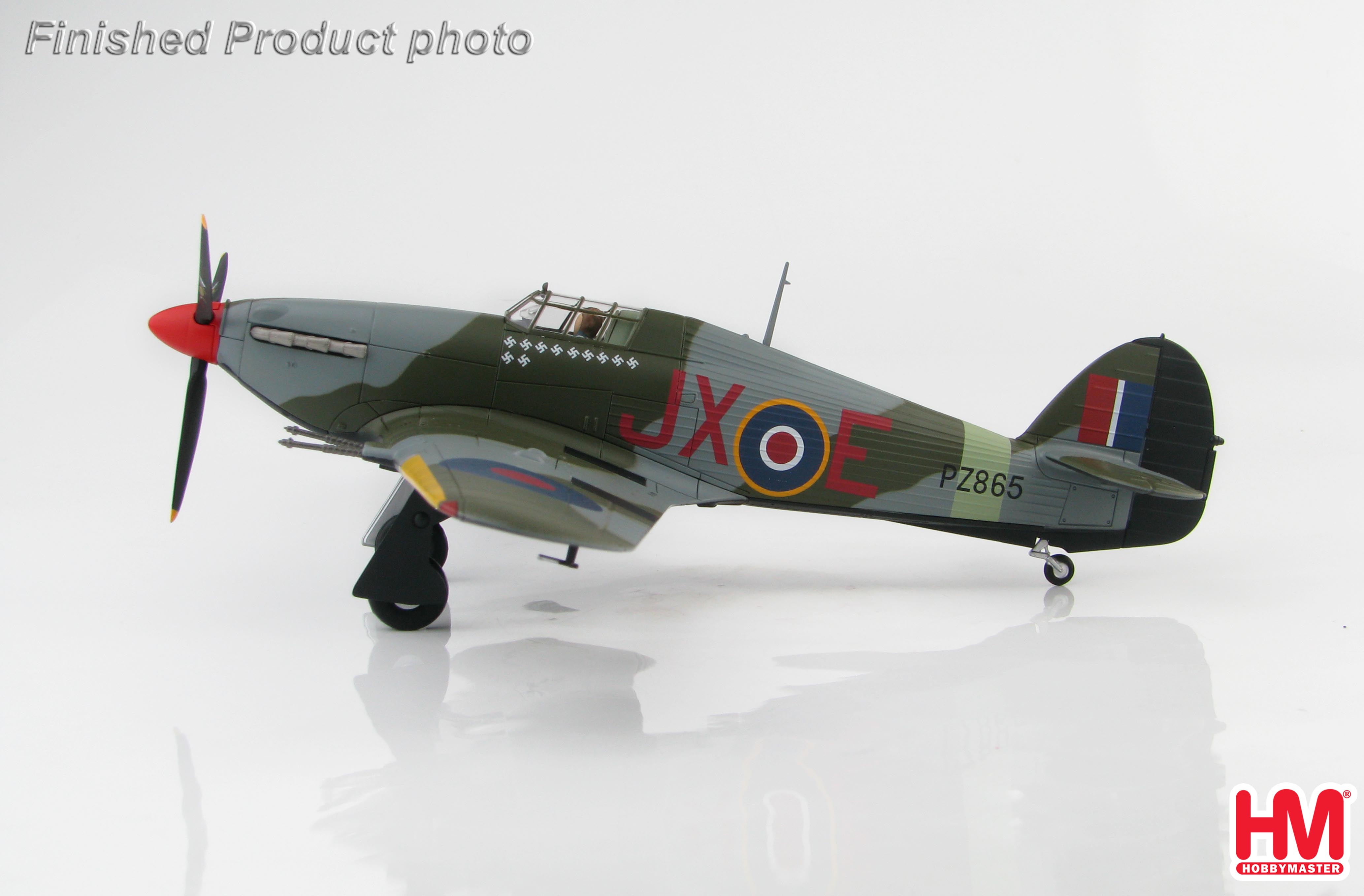
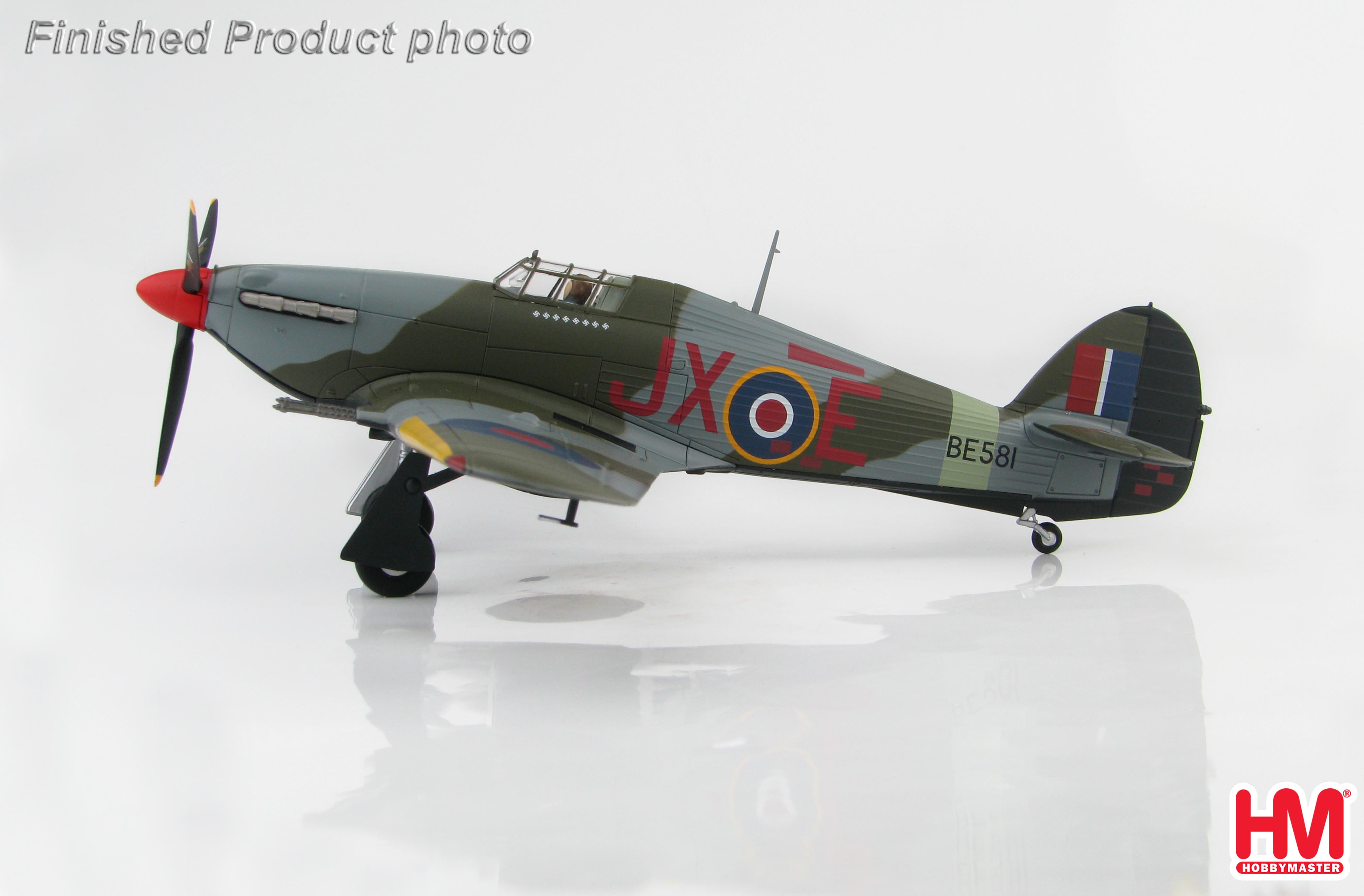
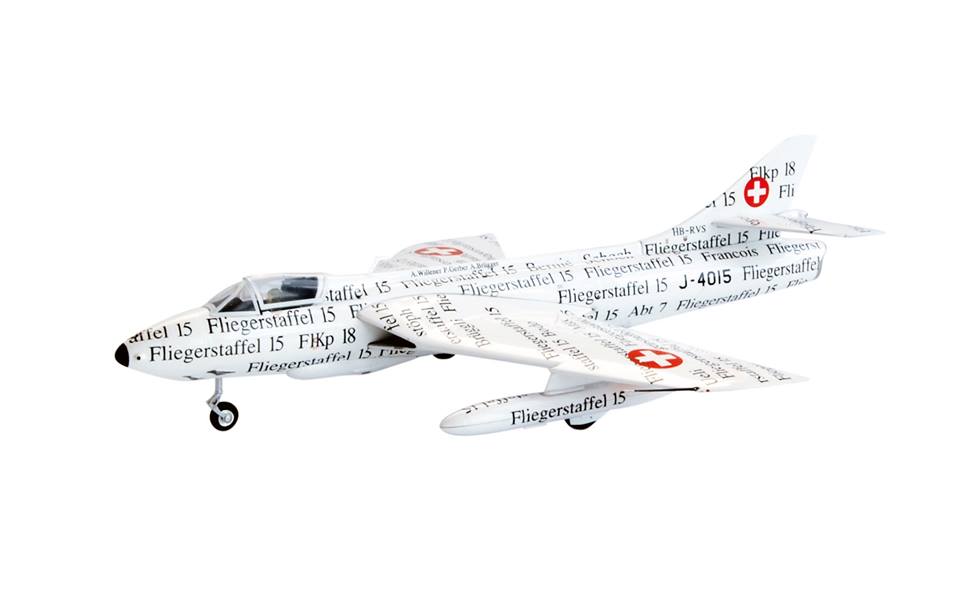
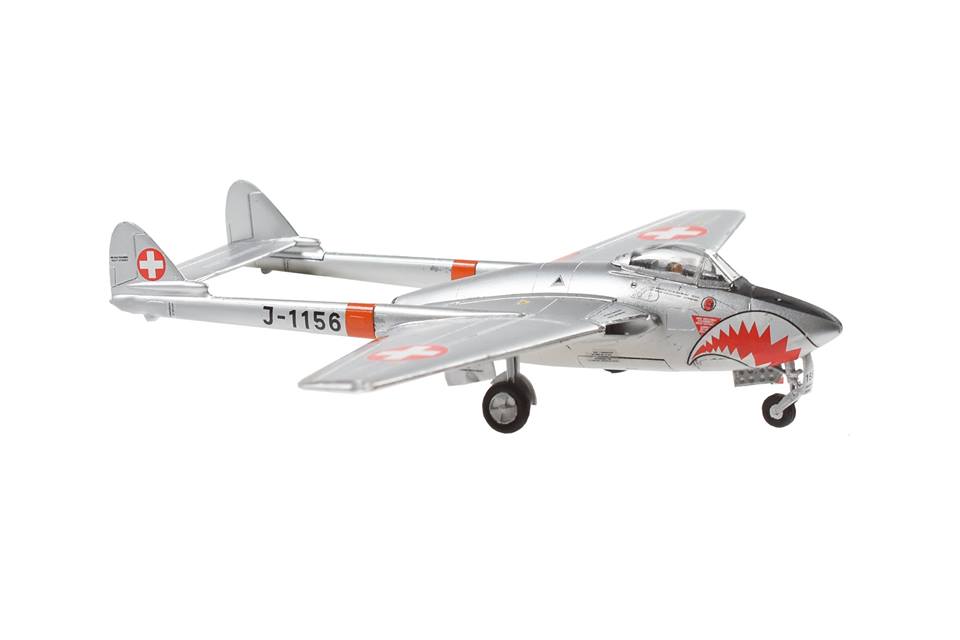
Arcico New model arrivals this week.
New Arwico models have arrived at Flying Tigers this week and are available to order at Flying Tigers today.
Please click on the images / links below to go to the model of your choice, or CLICK HERE to see them all in the Arwico Models section.
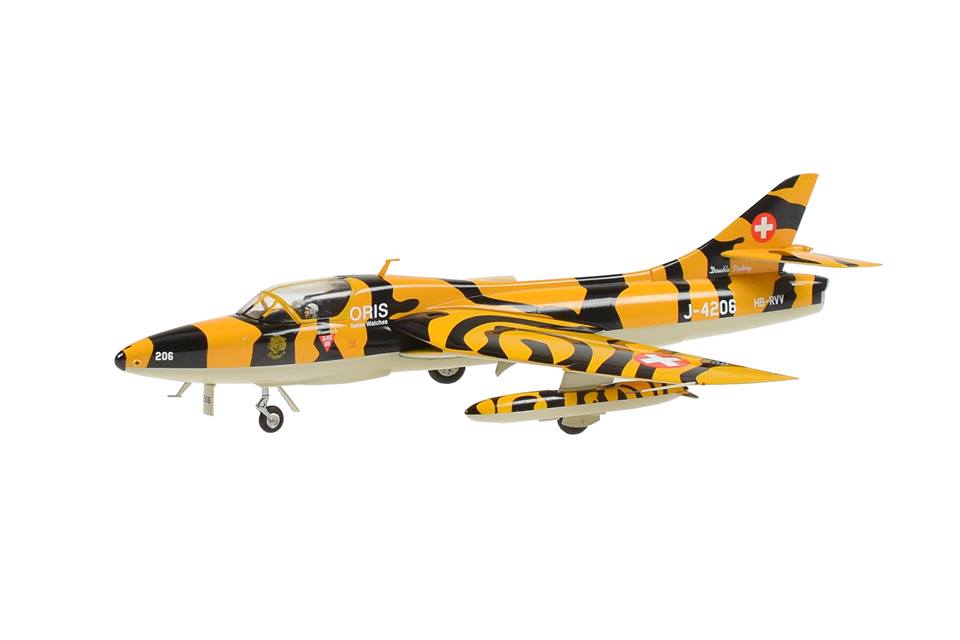
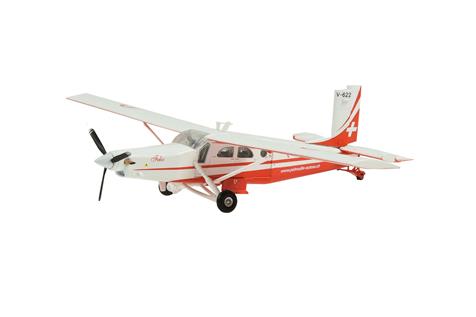
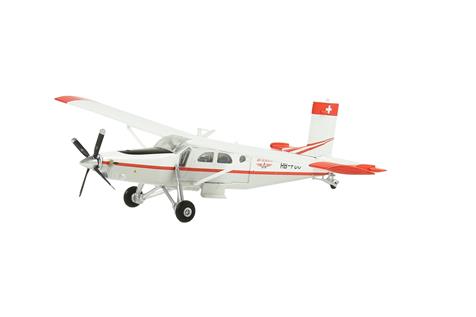
Hobbymaster News and Updated Photo Gallery.
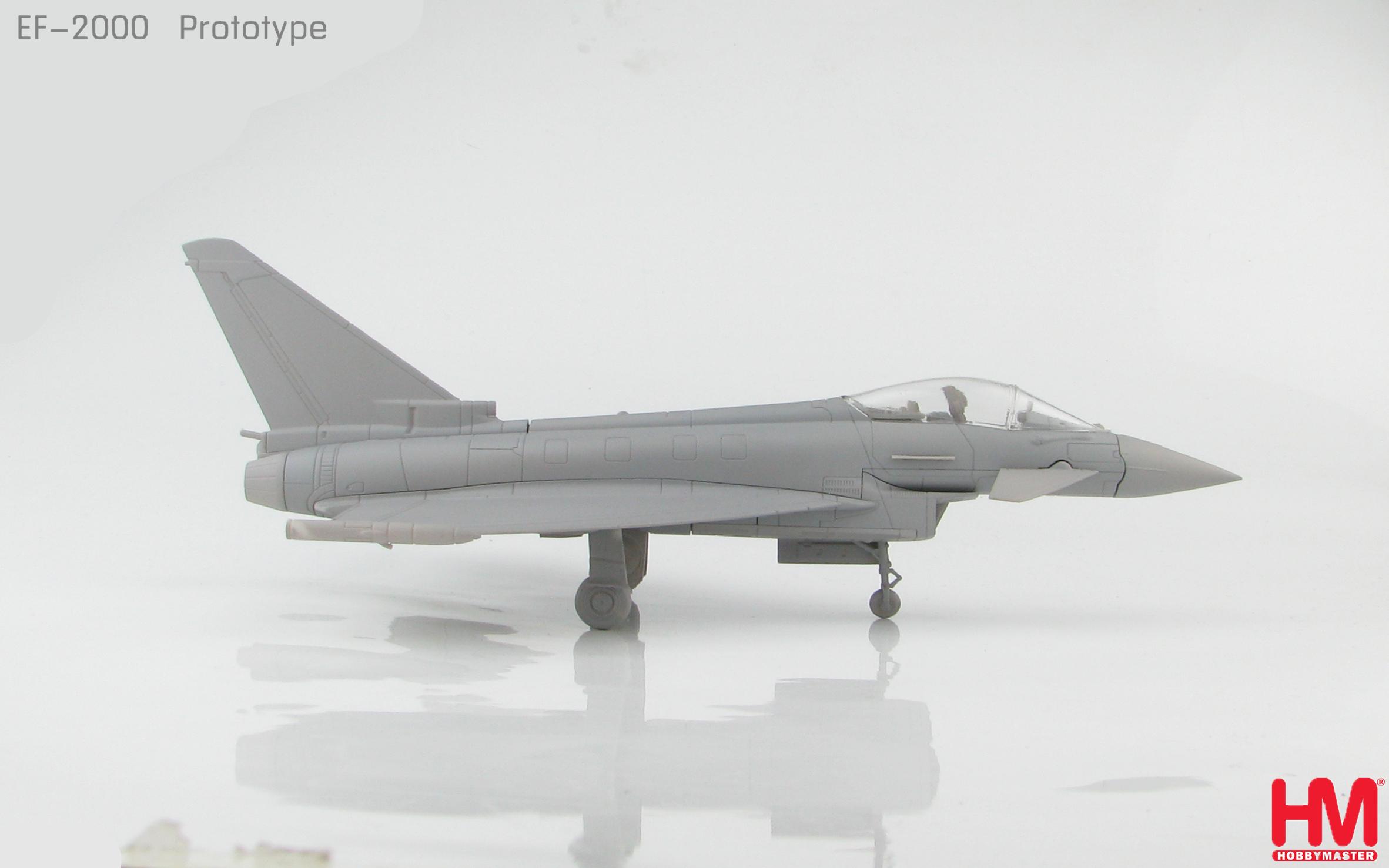
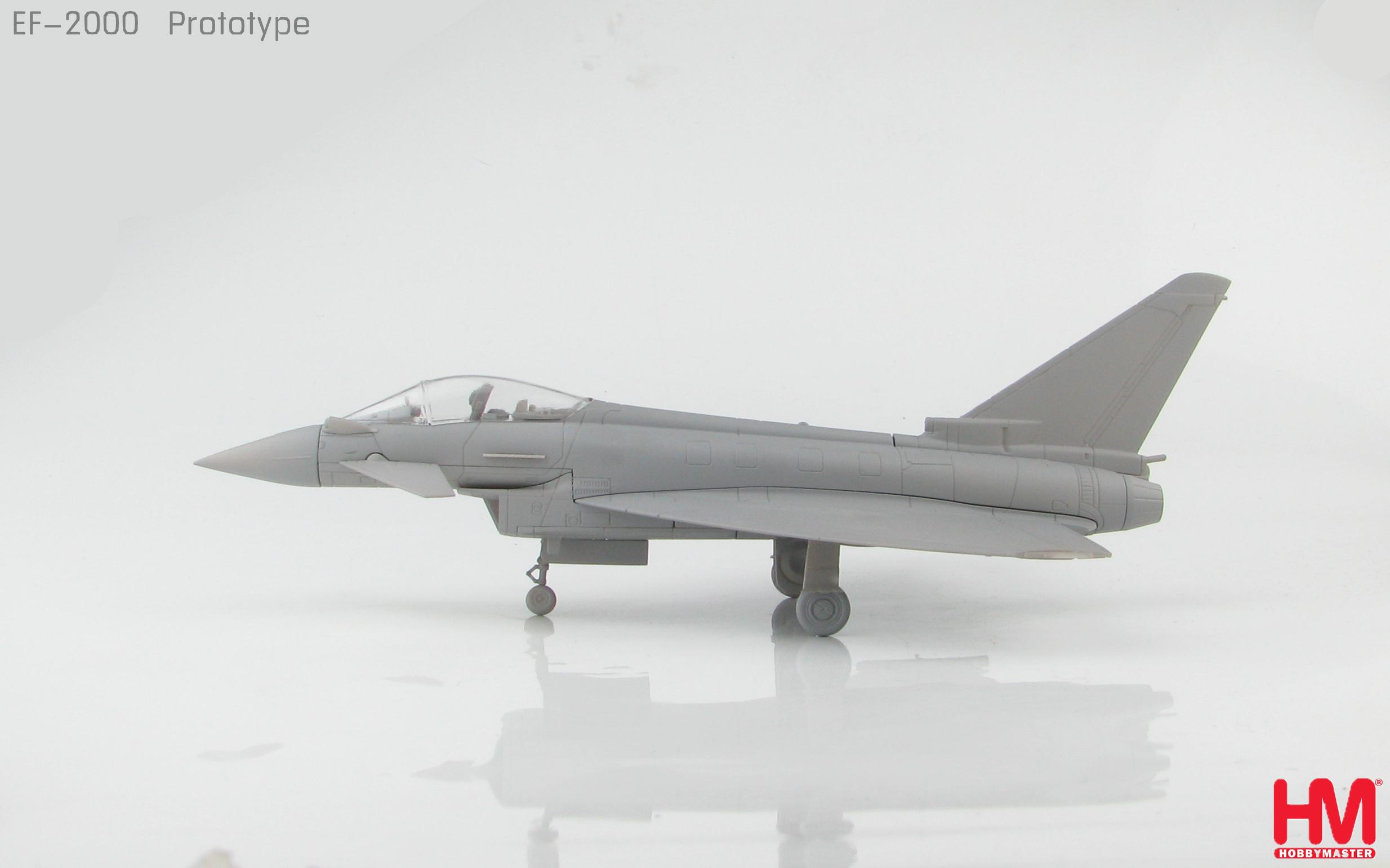
Hobbymaster has announced the NEW TOOLING of the Eurofighter. Here are some early photos of the prototype mould for you to view. Flying Tigers will publish more information when and as it becomes available.
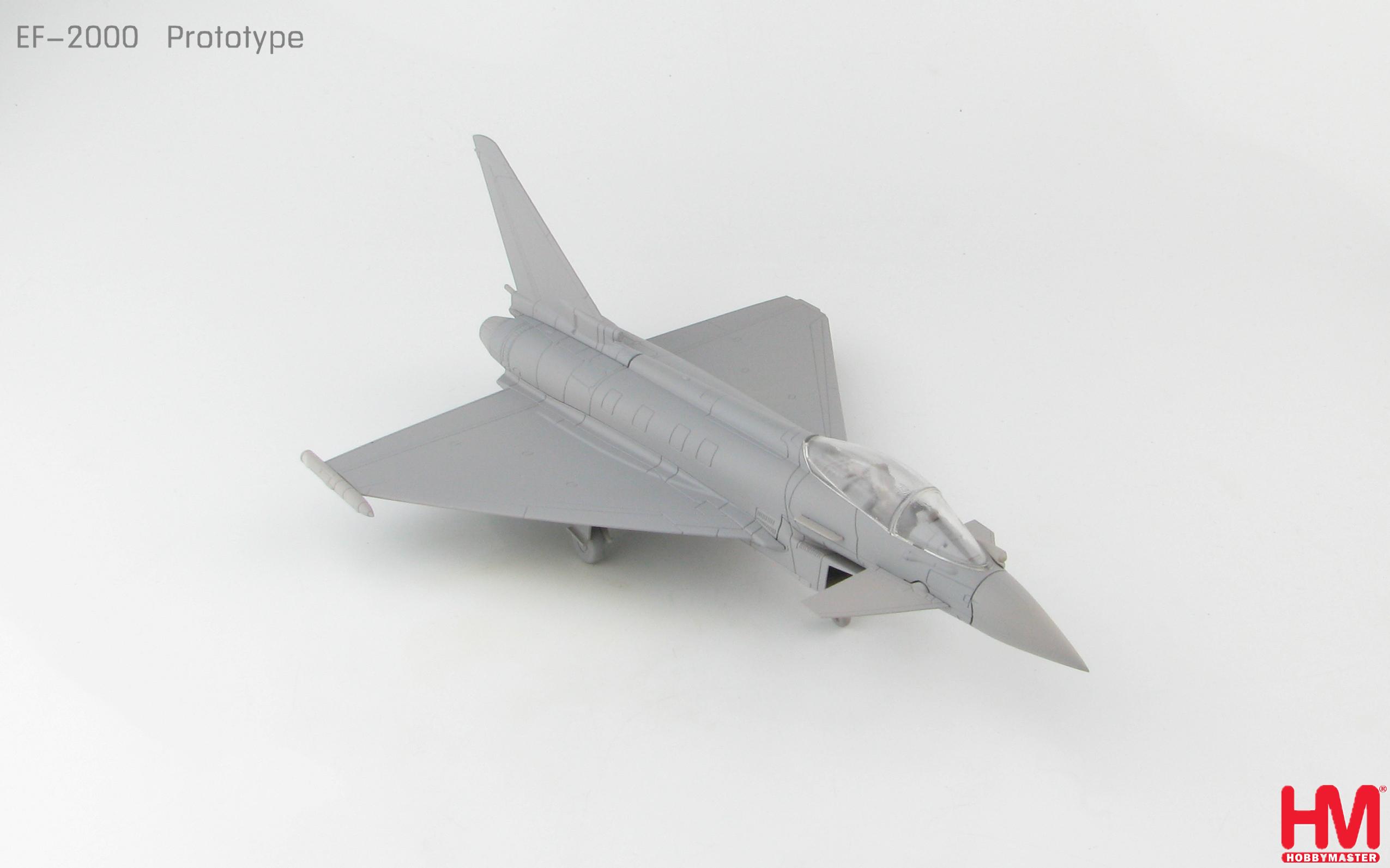
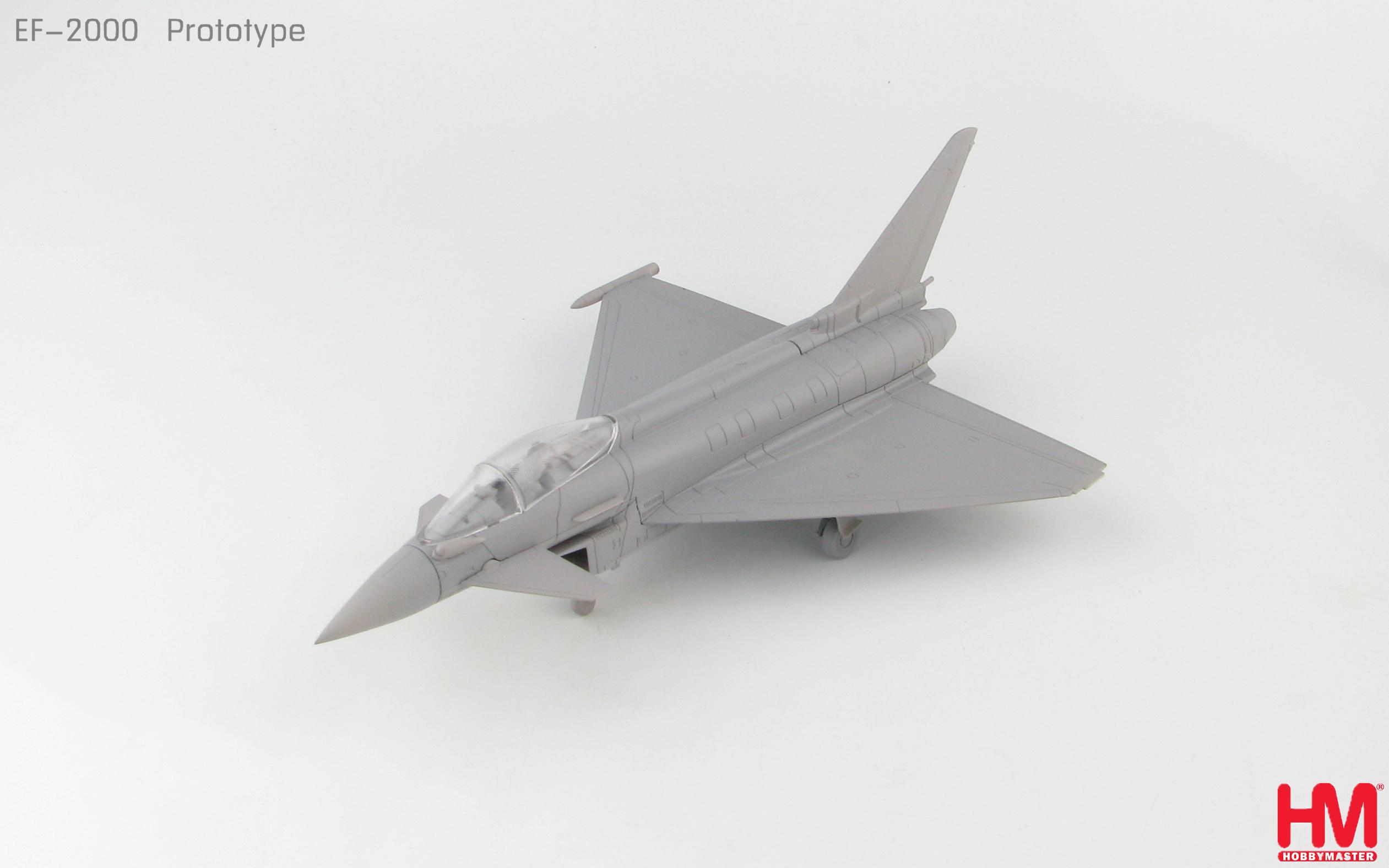
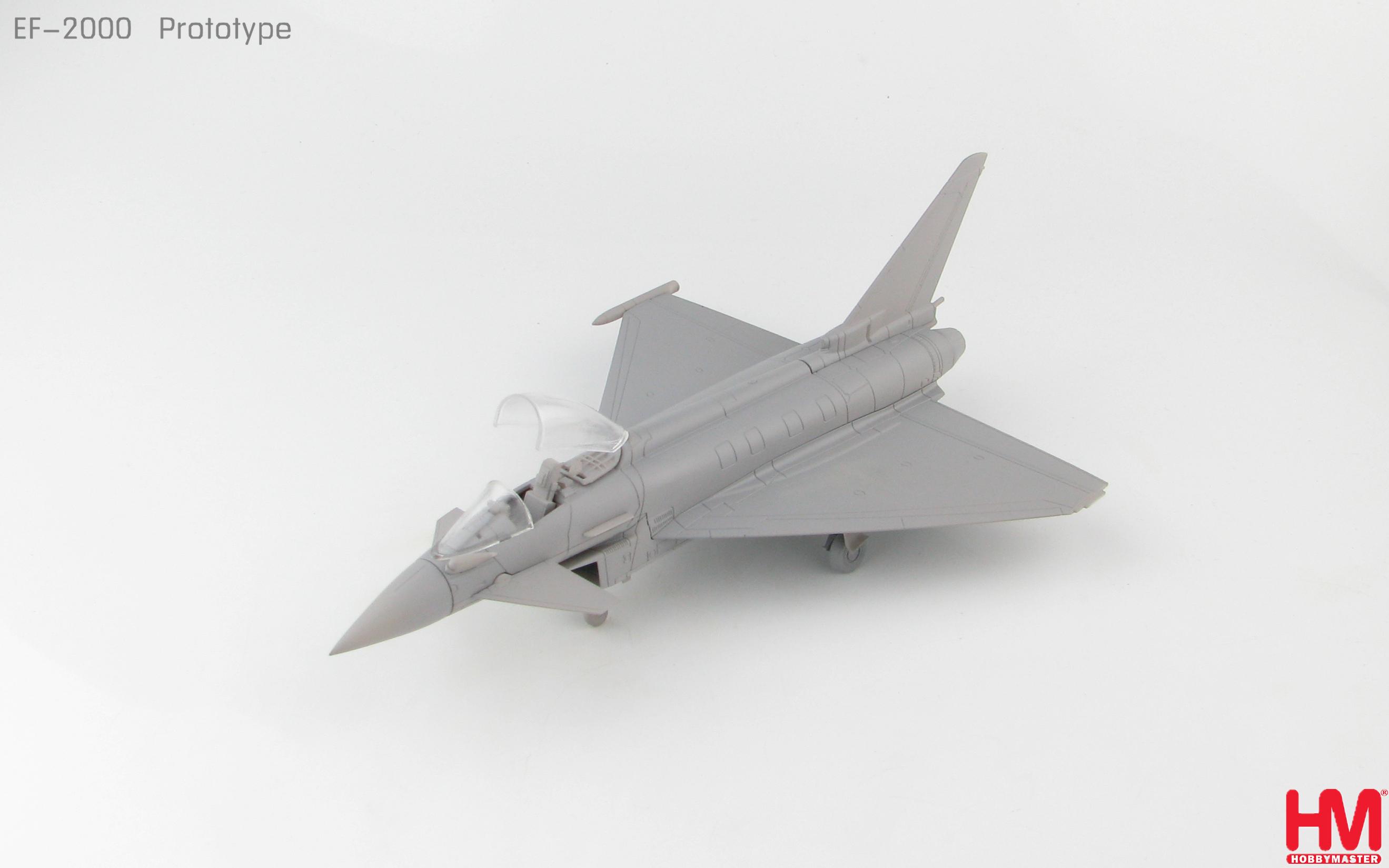
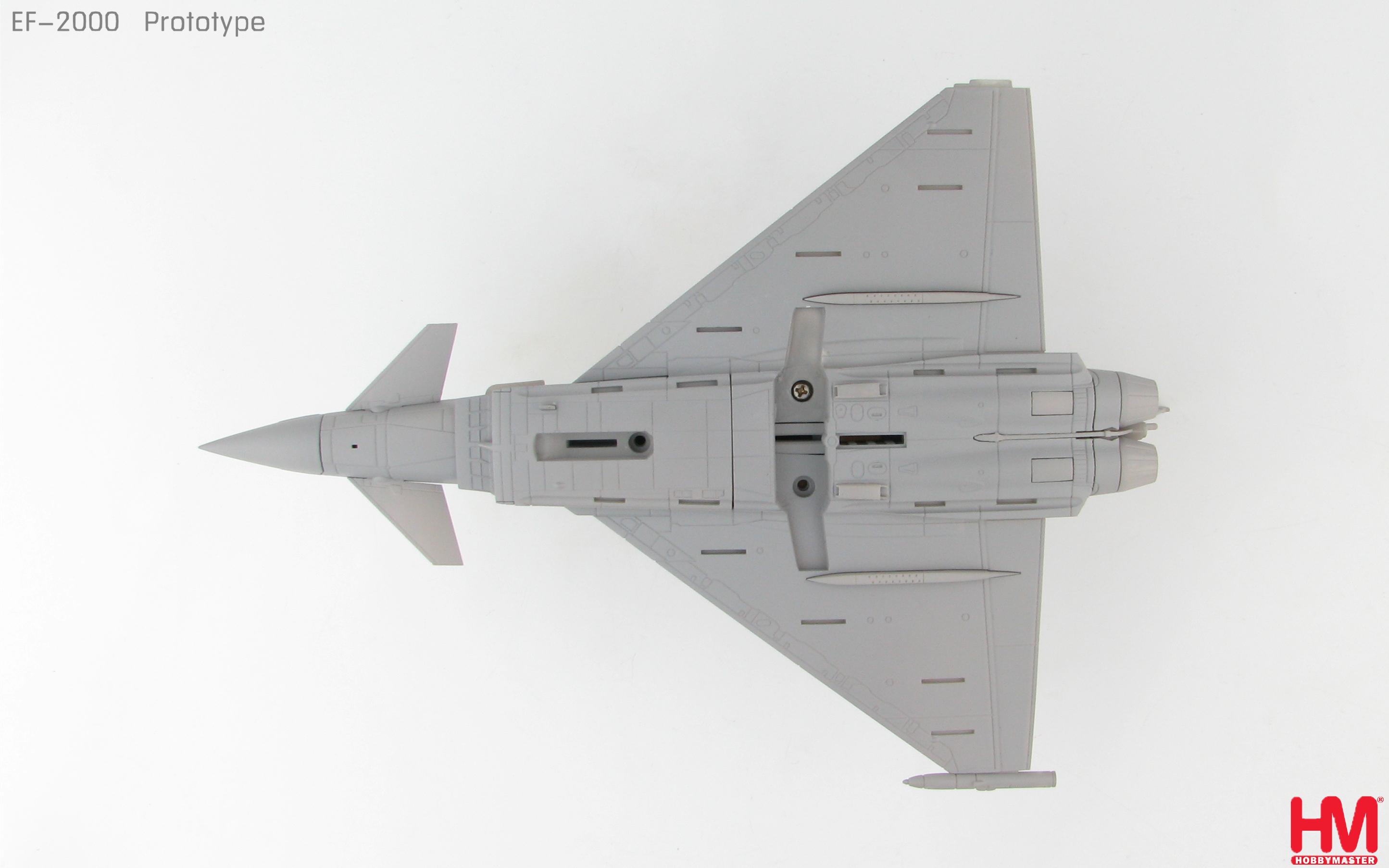
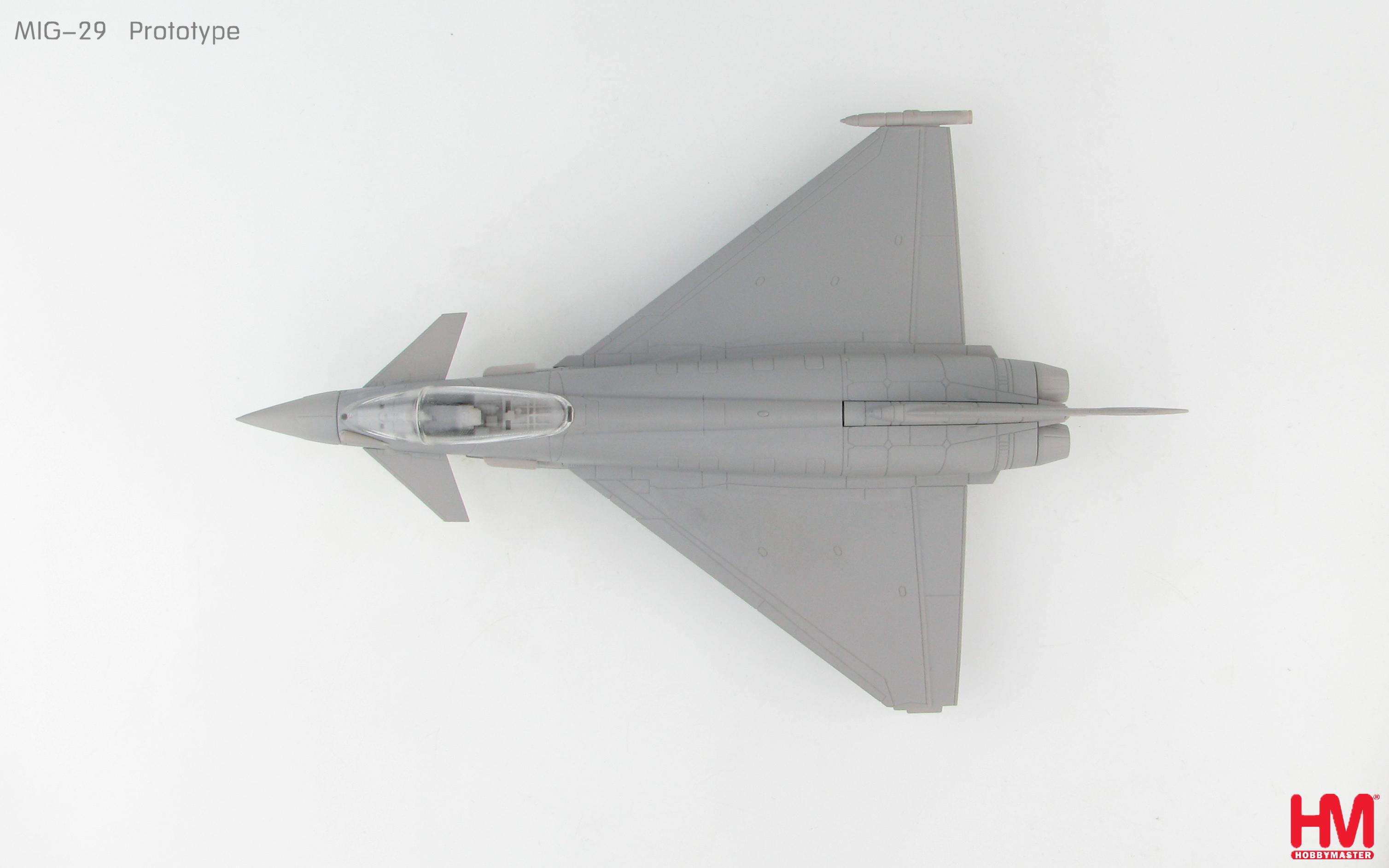
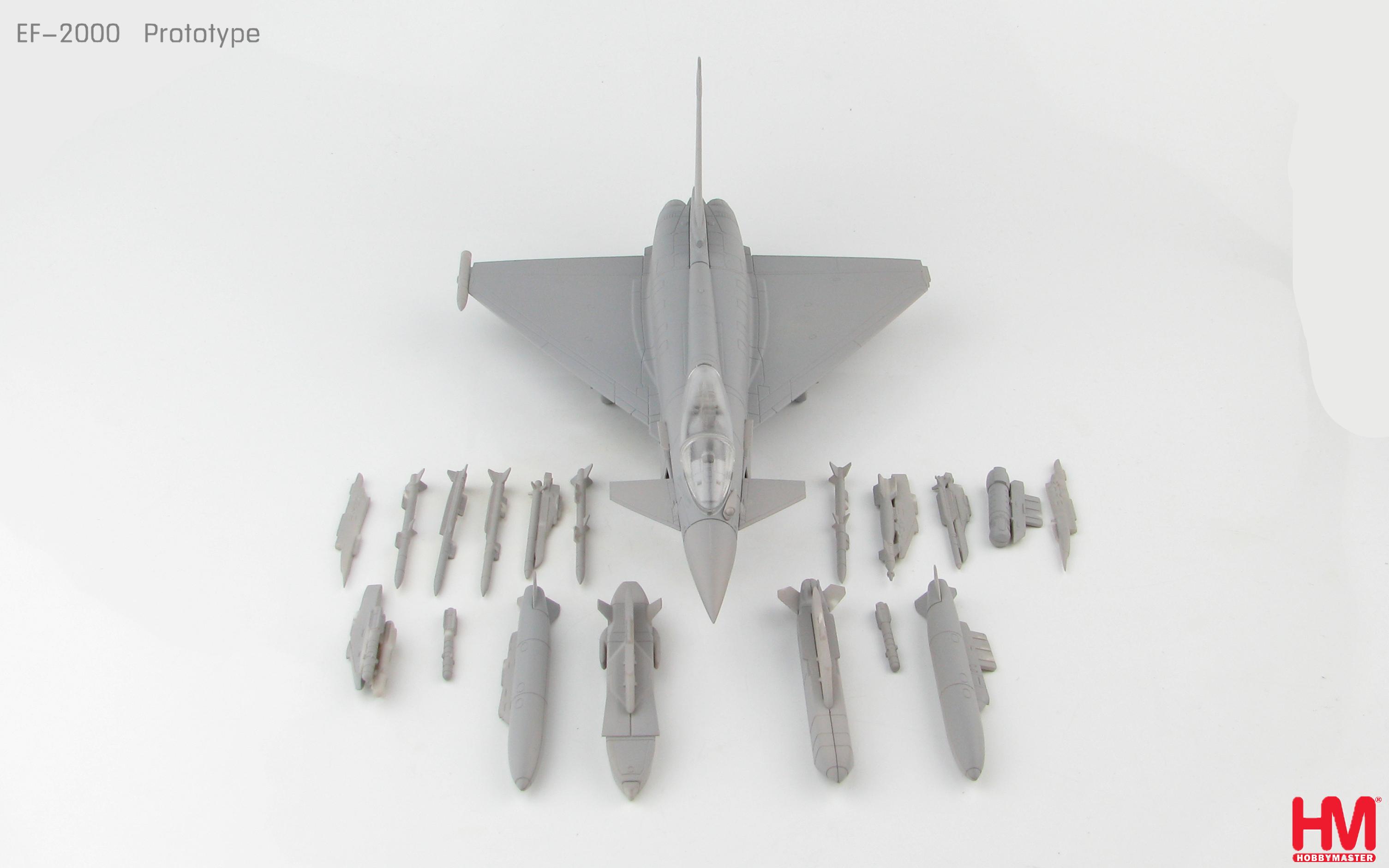
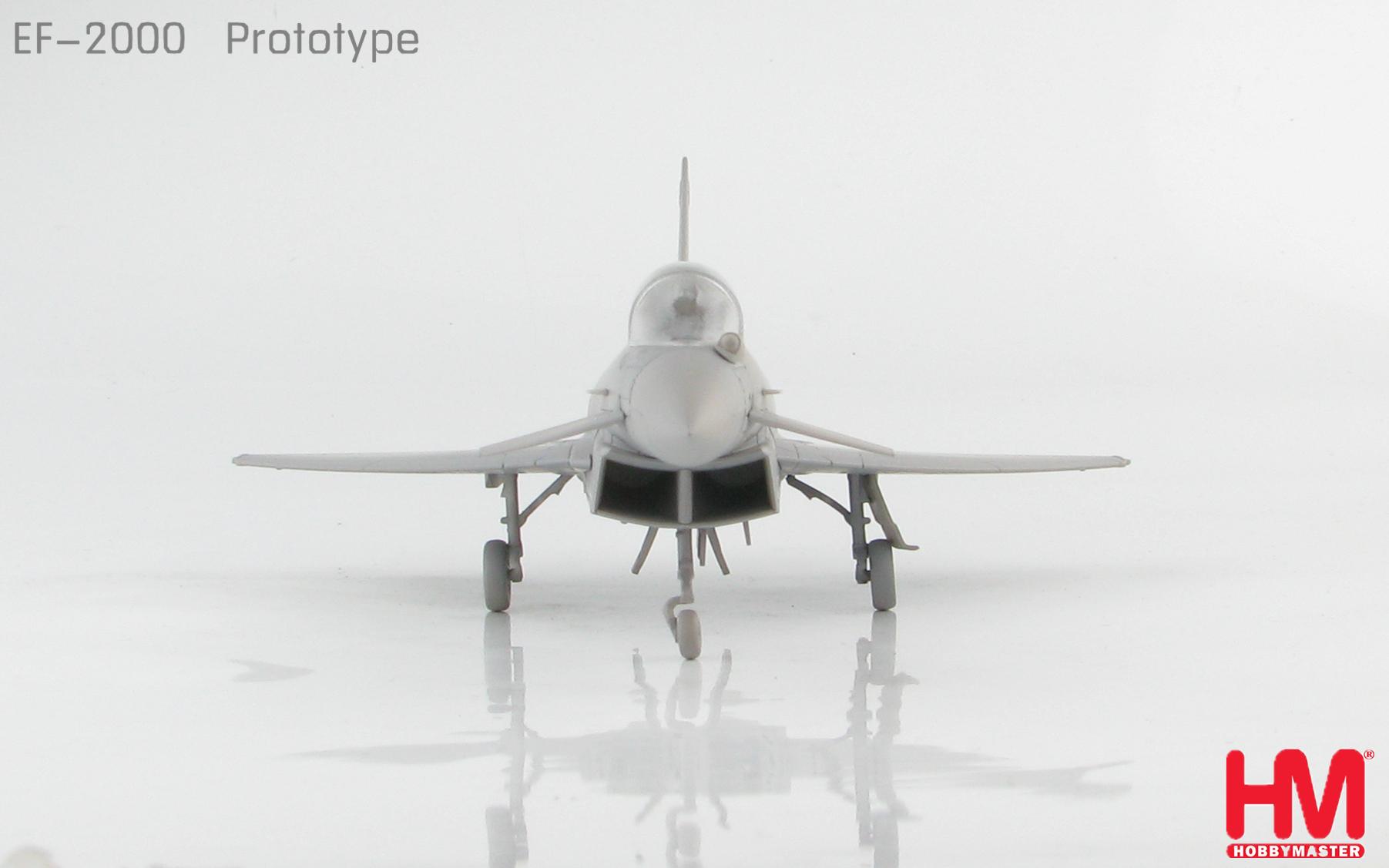
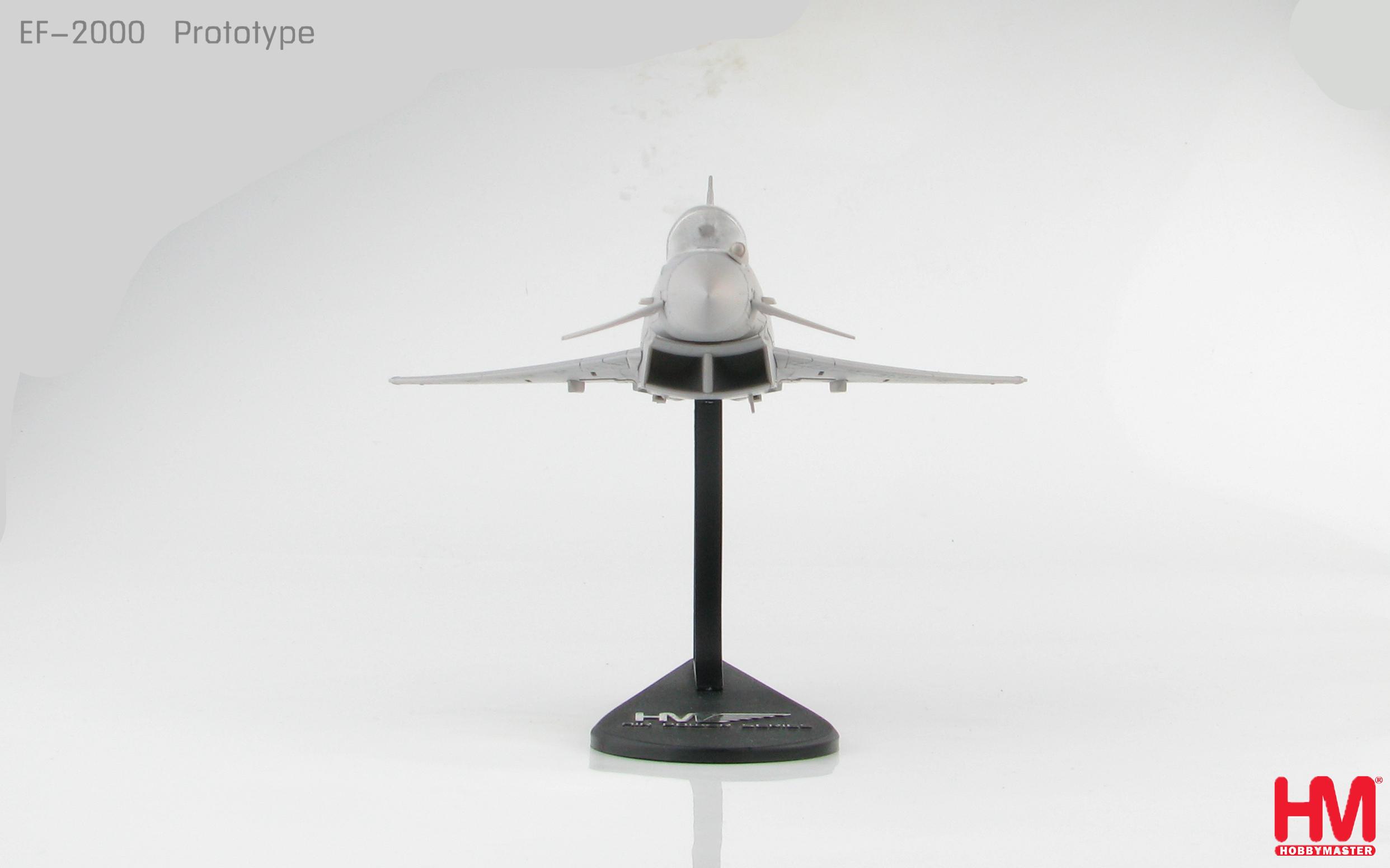
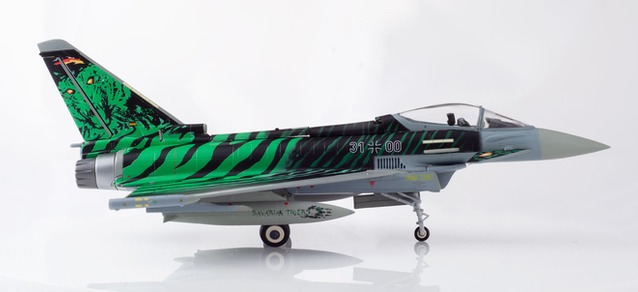
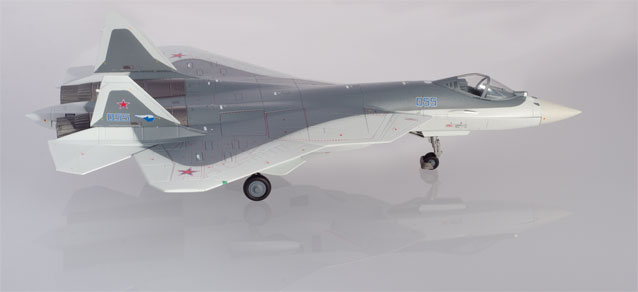
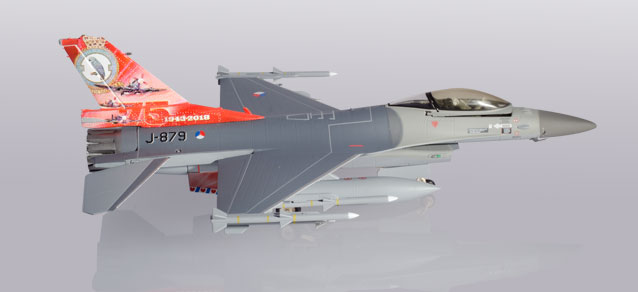
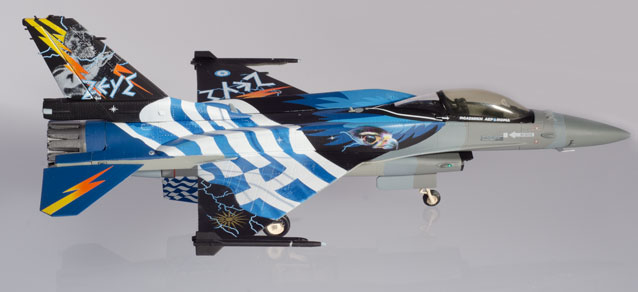
Updated Herpa and Hobbymaster Photo Gallery
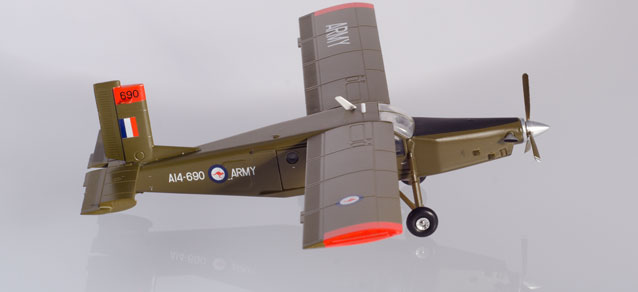
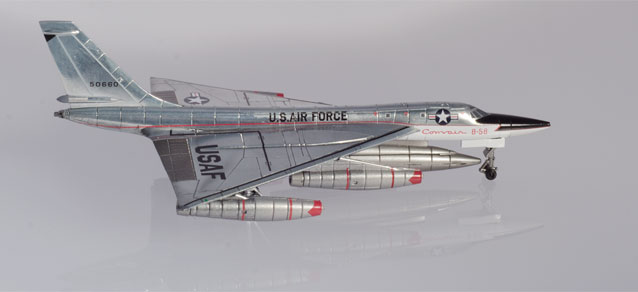
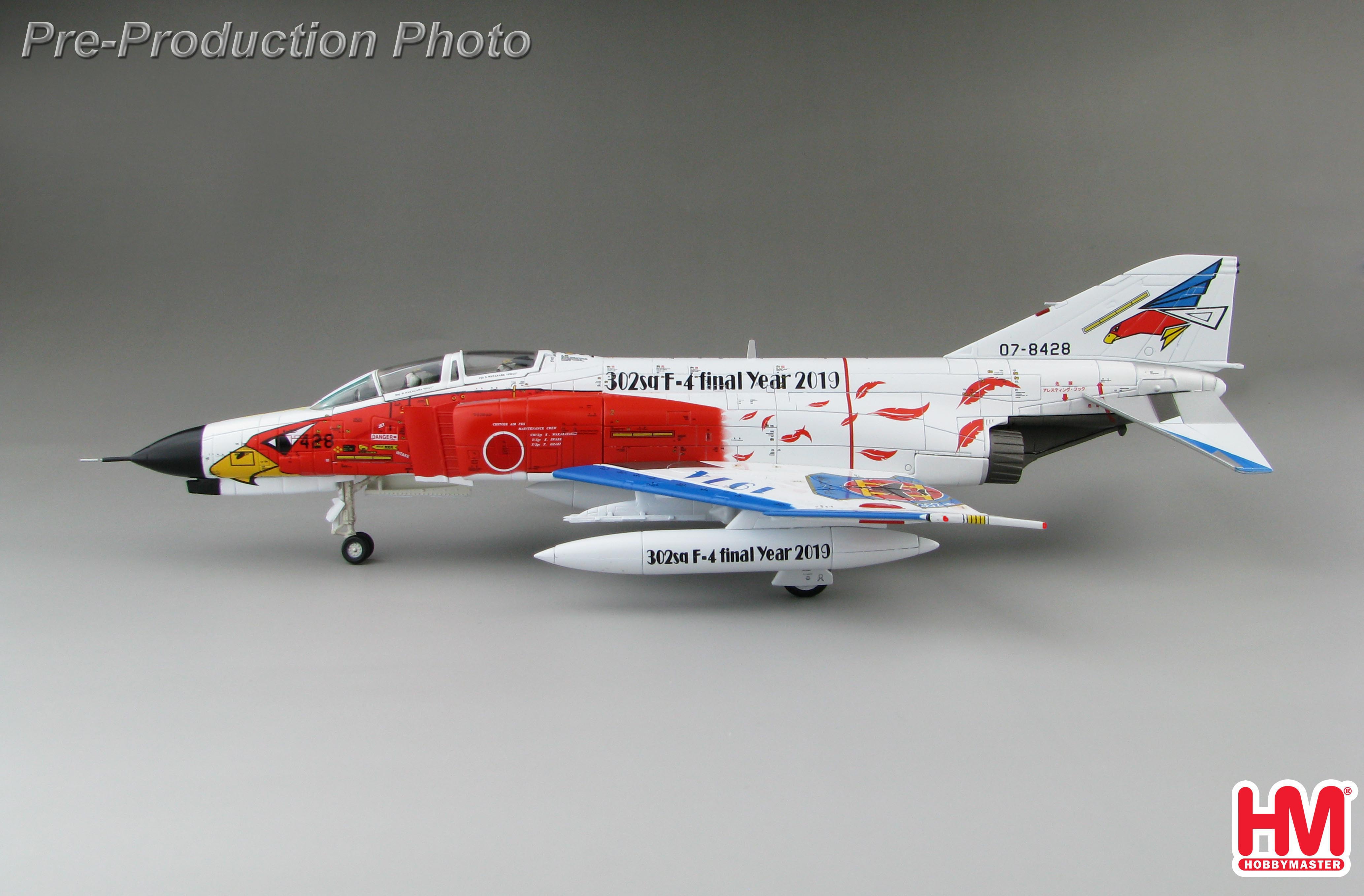
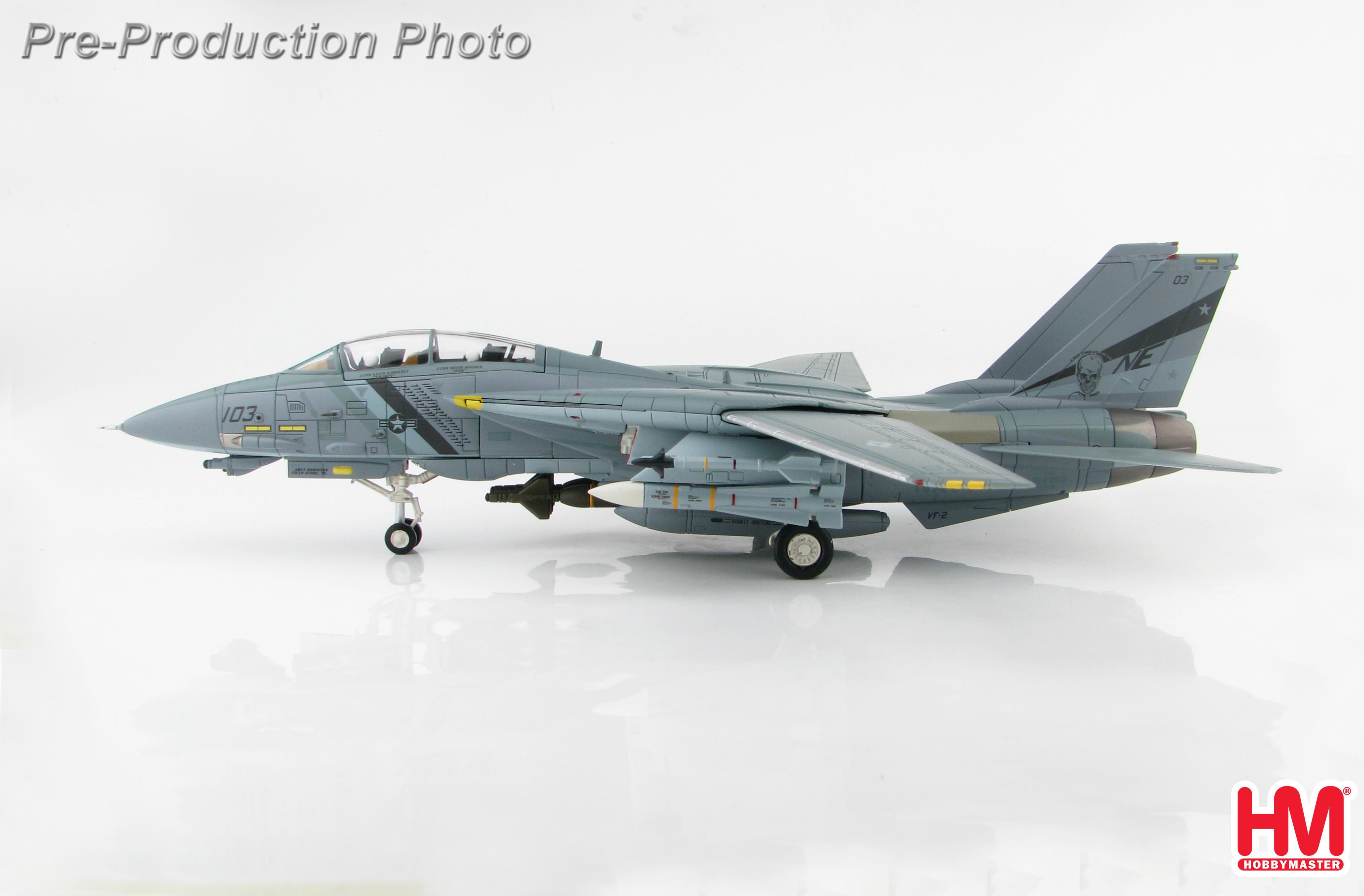
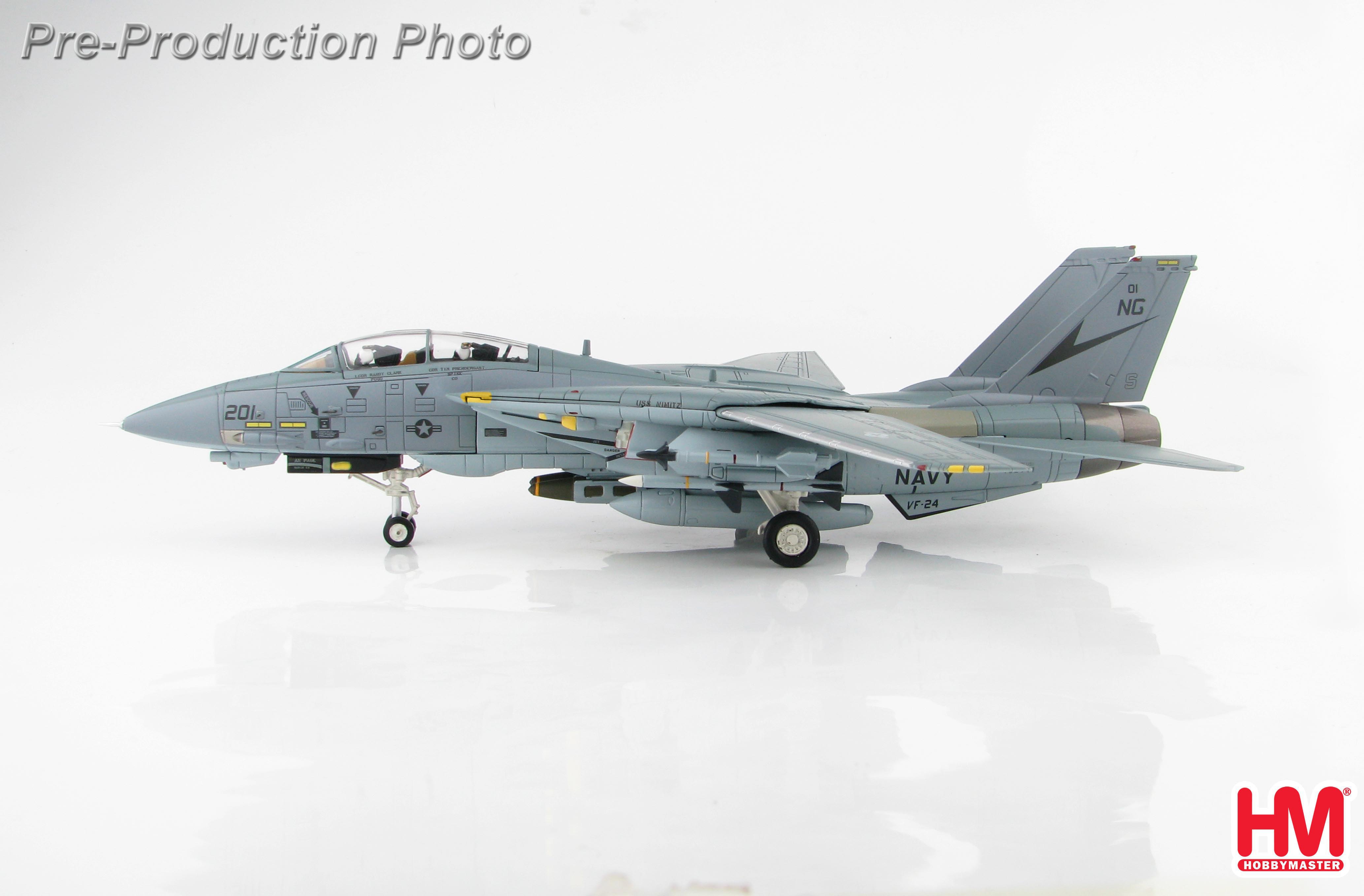
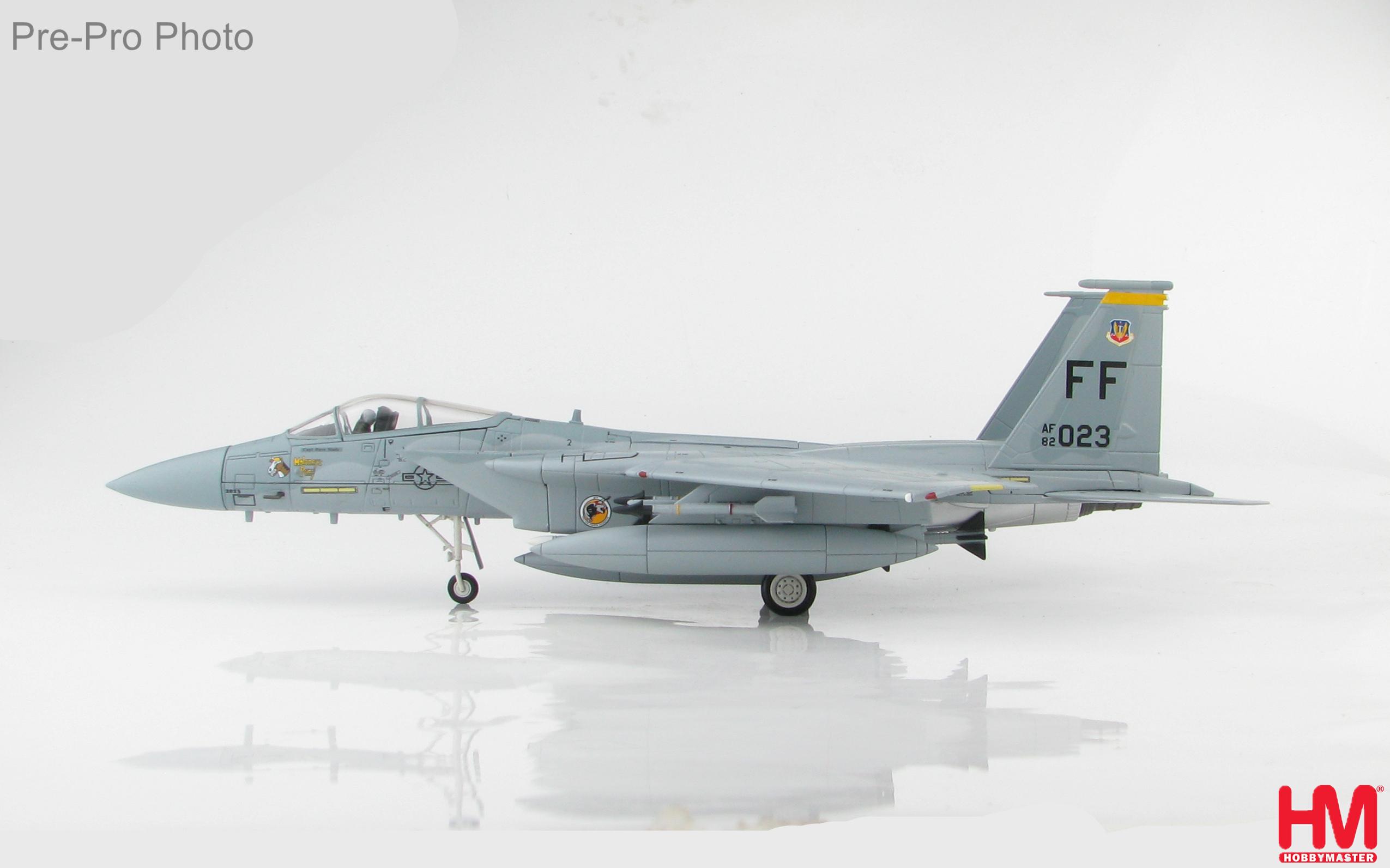
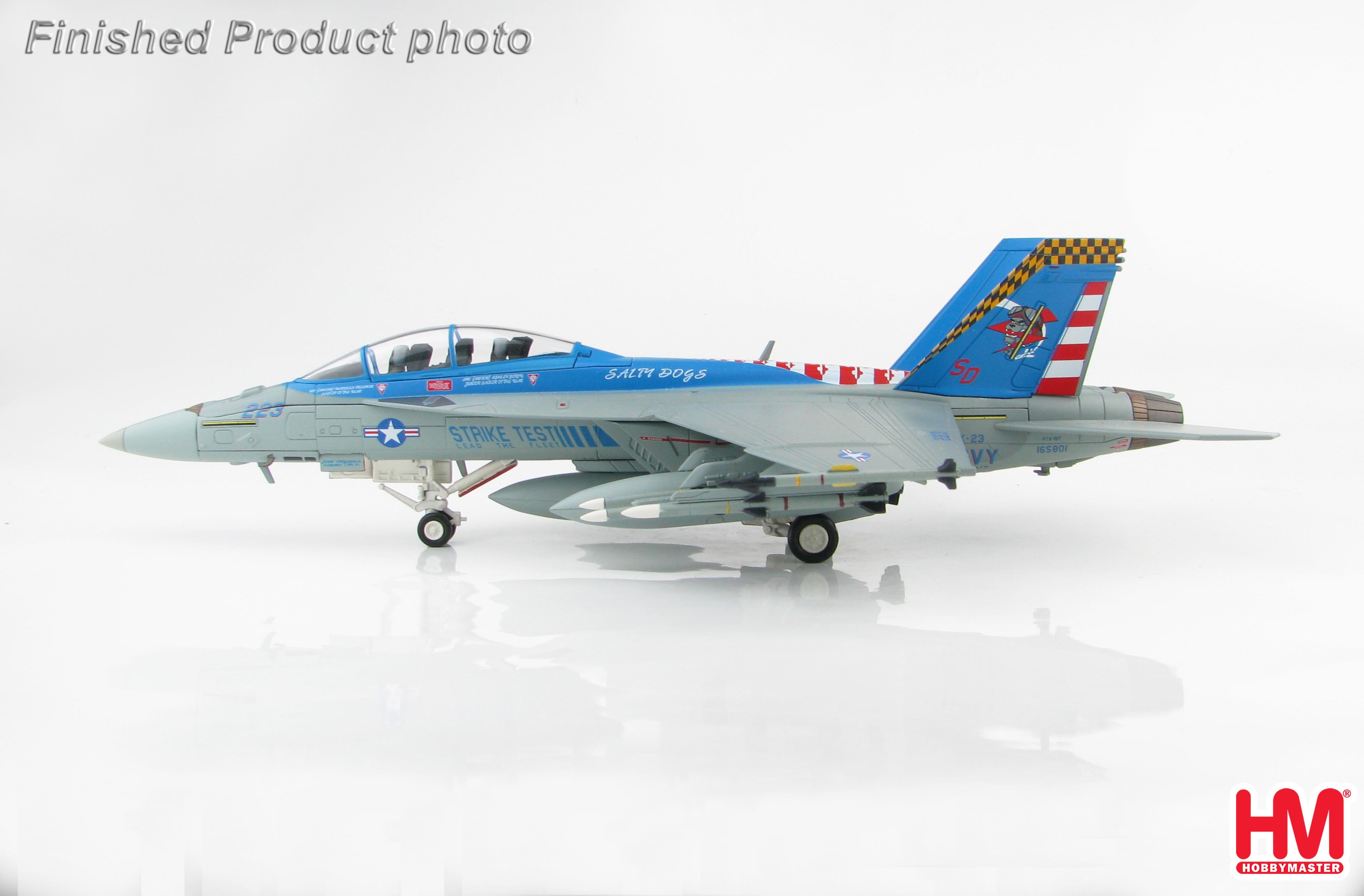
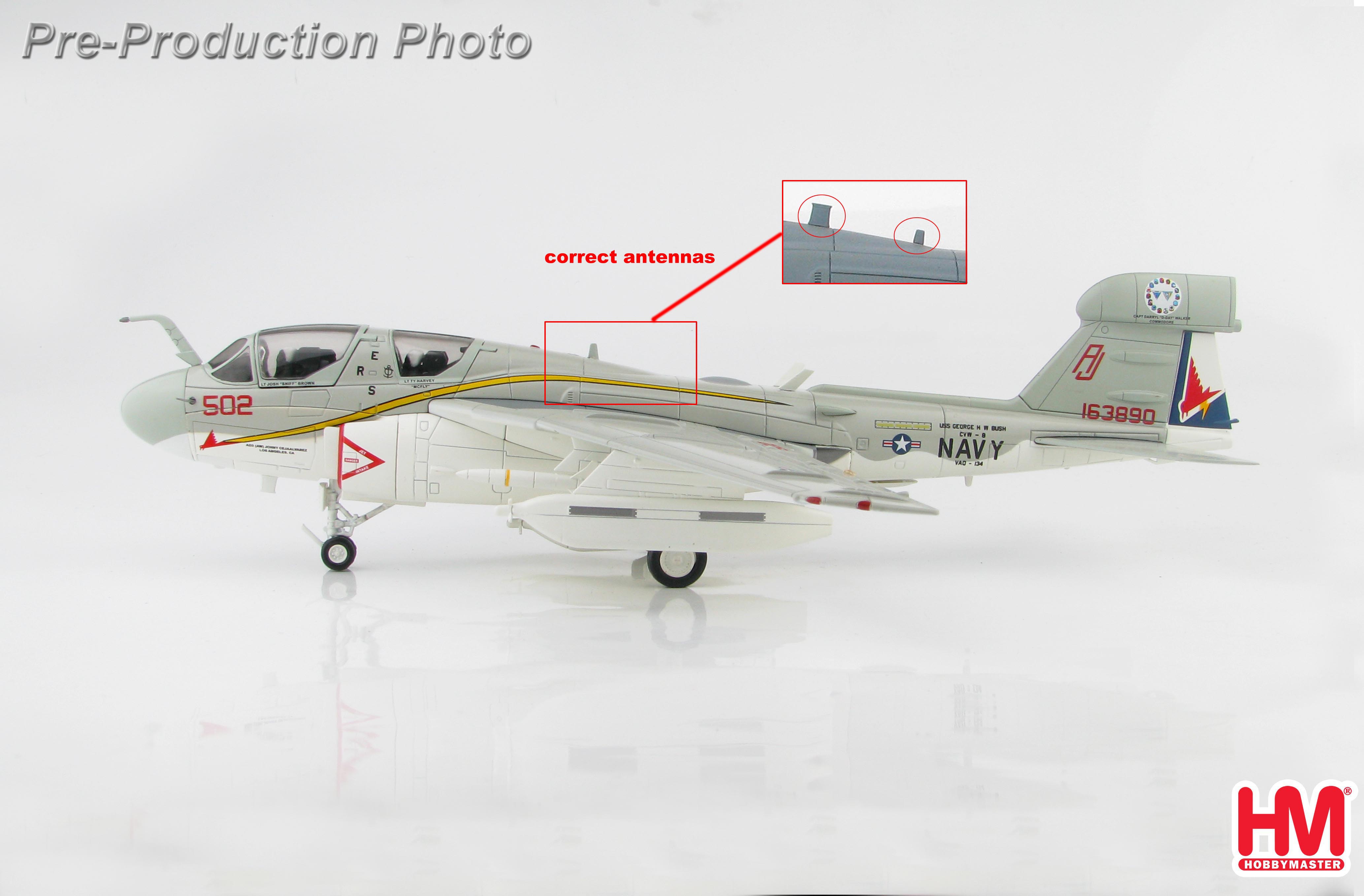
Check out the latest updated photos . Please click on the image of your choice to go straight to the model page to order.
That is all for this week
Thank you for reading this week’s Newsletter.
Richard.
Flying Tigers.