Tornado GR1 ZD720 ‘AG’ 9 Squadron
Number 9 Squadron (otherwise known as No. IX (Bomber) Squadron or No. IX (B) Squadron) is the oldest dedicated Bomber Squadron of the Royal Air Force. Formed in December 1914, it saw service throughout the First World War, including at the Somme and Passchendaele. During the Second World War, No. IX (B) Squadron was one of two Avro Lancaster units specialising in heavy precision bombing (the other was No. 617 Squadron) and sank the battleship Tirpitz on 12th November 1944 in Operation Catechism. Between 1962 and April 1982, the Squadron flew the Avro Vulcan B.2 as part of the V-Force. In June 1982, it became the first front-line squadron in the world to operate the Panavia Tornado GR.1. In May 1998, No. IX (B) Squadron received the RAF’s first Tornado GR.4, which it operated until reequipping with the Eurofighter Typhoon FGR.4 at its present home base of RAF Lossiemouth on 1st April 2019.
Aircraft operated
Aircraft operated include:
- Royal Aircraft Factory B.E.2a (Dec 1914–Feb 1915)
- Farman MF.7 (Dec 1914–Feb 1915; Apr 1915–Nov 1915)
- Blériot XI (Dec 1914–Mar 1915; Apr 1915–Aug 1915)
- Farman MF.11 (Dec 1914–Mar 1915)
- Blériot XI Parasol (Jan 1915–Mar 1915)
- Royal Aircraft Factory B.E.2b (Jan 1915–Feb 1915)
- Royal Aircraft Factory B.E.2c (Jan 1915–Feb 1915; Aug 1915–Oct 1916)
- Royal Aircraft Factory B.E.2 (Apr 1915–Jul 1915)
- Royal Aircraft Factory B.E.8a (Jul 1915–Nov 1915)
- Avro 504 (Jul 1915–Nov 1915)
- Martinsyde S.1 (Jul 1915–Nov 1915)
- Royal Aircraft Factory R.E.7 (Nov 1915–Nov 1915)
- Bristol Scout (Dec 1915–Jun 1916)
- Royal Aircraft Factory B.E.2d (Jun 1916–Sep 1916)
- Royal Aircraft Factory B.E.2e (Aug 1916–Jun 1917)
- Royal Aircraft Factory R.E.8 (May 1917–May 1919)
- Bristol F.2b (Jul 1918–Oct 1918; Feb 1919–Jul 1919)
- Vickers Vimy (Apr 1924–Oct 1925)
- Vickers Virginia Mk.IV (Sep 1924–Mar 1927)
- Vickers Virginia Mk.V (Jan 1925–May 1926)
- Vickers Virginia Mk.VI (Jun 1925–Apr 1927)
- Vickers Virginia Mk.VII (Jul 1926–Jun 1930)
- Vickers Virginia Mk.VIII (Jan 1927–Mar 1927)
- Vickers Virginia Mk.IX (Jul 1927–Feb 1932)
- Vickers Virginia Mk.X (Jan 1929–Apr 1936)
- Handley Page Heyford Mk.III (Mar 1936–May 1939)
- Vickers Wellington Mk.I (Jan 1939–Dec 1939)
- Vickers Wellington Mk.Ia (Sep 1939–Sep 1940)
- Vickers Wellington Mk.Ic (Feb 1940–Oct 1941; May 1942–Jun 1942)
- Vickers Wellington Mk.II (Mar 1941–Aug 1941)
- Vickers Wellington Mk.III (Jul 1941–Aug 1942)
- Avro Lancaster Mk.I (Sep 1942–Dec 1945; May 1946–Jul 1946)
- Avro Lancaster Mk.III (Sep 1942–Dec 1945; May 1946–Jul 1946)
- Avro Lancaster Mk.VII (Nov 1945–Apr 1946)
- Avro Lincoln B.2 (Jul 1946–May 1952)
- English Electric Canberra B.2 (May 1952–Jun 1956)
- English Electric Canberra B.6 (Sep 1955–Jul 1961)
- Avro Vulcan B.2 (Apr 1962–Apr 1982)
- Panavia Tornado GR.1 (Jan 1982–1999)
- Panavia Tornado GR.4 (May 1998–Mar 2019)
- Eurofighter Typhoon FGR.4 (Feb 2019–present)
History
First World War
No. 9 Squadron was formed on 8th December 1914 at Saint-Omer in France, the first outside of the UK, from a detachment of the Royal Flying Corps (RFC) HQ Wireless Flight. Known as No. 9 (Wireless) Squadron, it was tasked with developing the use of radio for reconnaissance missions through artillery spotting. This lasted until 22nd March 1915 when the squadron was disbanded and had its equipment dispersed amongst Nos. II, V, 6 and 16 Squadron.
The Squadron reformed at Brooklands on 1st April 1915 under the command of Major Hugh Dowding (later commander of RAF Fighter Command during the Battle of Britain) as a radio-training squadron, flying the Farman MF.7, Blériot XI and Royal Aircraft Factory B.E.2s. The Bats moved to Dover on 23rd July, re-equipping with the Royal Aircraft Factory B.E.8a, Avro 504 and a single Martinsyde S.1, before returning to Saint-Omer on 12th December as an army co-operation squadron. Moving to Bertangles on 24th December, No. 9 Squadron commenced bombing missions on 17th January 1916 with the B.E.2c. It flew reconnaissance and artillery spotting missions during the Battle of the Somme in 1916, assisting XIII Corps on the first day. It later operated during the Second Battle of Arras in 1917.

A Royal Aircraft Factory R.E.8, similar to what No. 9 Squadron operated between 1917 and 1918.
It re-equipped with Royal Aircraft Factory R.E.8s in May 1917, using them for artillery spotting and contact patrols during the Battle of Passchendaele, during which it suffered 57 casualties, and carrying out short range tactical bombing operations in response to the German Spring Offensive in March 1918. While it started to receive Bristol Fighters in July 1918, it did not completely discard its R.E.8s until after the end of the war. No. 9 Squadron returned to the UK in August 1919, arriving at Castle Bromwich where it remained until disbanding on 31st December 1919.
Between the wars
The Squadron’s life as a bomber unit began on 1st April 1924, reforming at RAF Upavon, quickly moving to RAF Manston, with the Vickers Vimy. Less than a year later, the Squadron re-equipped with the Vickers Virginia heavy bomber, occasionally supplemented by Vickers Victoria transports, which it retained until this was replaced by the Handley Page Heyford in 1936.
The squadron badge was approved by King Edward VIII in 1936, one of the few to be introduced during his short reign. The badge reflects the Squadron’s development as a specialized night-operations unit, and is a gentle leg-pull in the direction of Air Marshal Hugh “Boom” Trenchard, widely credited as the founder of the RAF as an independent military force, who once famously remarked “Only bats and bloody fools fly at night!” The squadron emblem is accordingly a bat, with the motto “We Fly by Night”.
On 31st January 1939, No. IX Squadron became the third RAF squadron to receive the modern Vickers Wellington monoplane, when their first Wellington arrived at RAF Stradishall – reaching full strength by April.
Second World War
The Second World War began with the unit one of the few equipped with modern aircraft, the Vickers Wellington bomber, flying out of RAF Honington; the Wellington later gave way to the Avro Lancaster in September 1942 upon the Squadron’s move to RAF Waddington, with which the unit would complete its most famous sorties.

Vickers Wellington Mk.Is of No. 9 Squadron, on a mission in WW2, flying in formation.
On 4th September 1939, the Squadron’s Wellington aircraft and crews were the first to hit the enemy, the first to get into a dogfight, possibly the first to shoot down an enemy aircraft, the first to be shot down by one and, towards the end of the war, the first to hit the German battleship Tirpitz with the Tallboy 12,000-pound bomb, an achievement by the crew of an Avro Lancaster on her 102nd operation with the Squadron.
No. IX Squadron fought with RAF Bomber Command in Europe all the way through the Second World War, took part in all the major raids and big battles, pioneered and proved new tactics and equipment, produced several of the leading figures in The Great Escape, such as Les ‘Cookie’ Long, as well as Colditz inmates – including the legendary ‘Medium Sized Man’ Flight Lieutenant Dominic Bruce OBE MC AFM originator of the famous ‘tea chest’ escape. They became one of the two specialised squadrons attacking precision targets with the Tallboy bomb, and led the final main force raid, on Berchtesgaden, 25th April 1945.
The sinking of Tirpitz (1944)
The battleship Tirpitz had been moved into a fjord in Northern Norway where she threatened the Arctic convoys and was too far north to be attacked by air from the UK. She had already been damaged by a Royal Navy midget submarine attack and a second attack from carrier born aircraft of the Fleet Air Arm. But both attacks had failed to sink her. The task was given to No. 9 and No. 617 Squadrons who, operating from a base in Russia, attacked Tirpitz with Tallboy bombs which damaged her so extensively that she was sent to Tromsø to be used as a floating battery. This fjord was in range of bombers operating from Scotland. There in October from a base in Scotland she was attacked again. Finally on 12th November 1944, the two squadrons attacked Tirpitz.

A No. 9 Squadron aircrew shortly after returning from a raid in January 1944.
The first bombs missed their target, but following aircraft scored three direct hits in quick succession causing the ship to capsize. All three RAF attacks on Tirpitz were led by Wing Commander J. B. “Willy” Tait, who had succeeded Cheshire as CO of No. 617 Squadron in July 1944. Both squadrons claim that it was their bombs that actually sank Tirpitz, however it was the Tallboy bomb dropped from a No. 9 Sqn Lancaster WS-Y (LM220) piloted by Flying Officer Dougie Tweddle to which the sinking of the warship is attributed. F/O Tweddle was awarded the Distinguished Flying Cross (DFC) for his part in the operations against Tirpitz. F/O Tweddle’s DFC citation reads as follows, “This officer has taken part in all three attacks on the battleship ‘Tirpitz’. He has shown great determination and the keenest enthusiasm to operate and bomb his target in spite of all the hazards of enemy opposition and bad weather. In the first attack he made the long and arduous journey to the Russian base, and in the actual attack made every effort to bomb the target, despite cloud and smoke-screen. In the second attack he made the same endeavours to bomb the ship, and on the third occasion, unhampered by weather, launched his attack successfully. F/O Tweddle has always displayed courage and cheerful enthusiasm which has been of utmost value to his crew, whilst his captaincy and airmanship have consistently been of the highest order. In addition, F/O Tweddle undertook the extra hazard of wind finding for the Squadron, a task he accomplished most successfully, thereby contributing to the success of the operations even further.”
Tirpitz Bulkhead
Due to the sinking of Tirpitz having been attributed to No. IX (B) Squadron, an intense rivalry developed between No. 617 (a.k.a. the Junior Squadron) and No. IX (B) Squadron after the sinking of the warship. The Tirpitz Bulkhead that was presented to Bomber Command by the Royal Norwegian Air Force, in commemoration of friendship and co-operation during World War II was of particular interest with both squadrons “owning” the bulkhead at various times until 2002 when the bulkhead was presented to the Bomber Command Museum.

Avro Lancaster B.3, ED831 ‘WS-H’, of No. 9 Squadron taking off from RAF Bardney, Lincolnshire, for a raid on the Zeppelin works at Friedrichshafen in Germany.
1945
On 25th April 1945, No. IX Squadron flew their last operational mission of the war when they, along with No. 617 Squadron, attacked Obersalzberg – targeting the Berghof, Eagle’s Nest (residences of Adolf Hitler) and the local SS barracks. 17 Lancasters of No. IX Squadron participated, with 11 bombing the primary target and one bombing a local bridge. With the end of the war in Europe, No. IX Squadron was assigned to the ‘Tiger Force’, which was composed of multiple Bomber Command squadrons, with the intention of striking the Japanese Empire. However, due to the Atomic bombings of Hiroshima and Nagasaki in August 1945 the war was brought to an end before this could be carried out, although No. IX Squadron was deployed to India to carry out aerial survey work until April 1946.
Post–War
After the War, the Lancasters were replaced by Avro Lincolns until 1952, when the Squadron re-equipped with English Electric Canberra B.2 jet-bombers. These aircraft were used during three months of operations in Malaya in 1956 and during the Suez Crisis. No. IX (Bomber) Squadron was disbanded on 13th July 1961.

No. IX (B) Squadron Avro Vulcan B.2 XJ784 at Offutt AFB, 1976.
Reforming on 1st March 1962 at RAF Coningsby, No. IX (B) Squadron converted to the Avro Vulcan B.2 and became part of the V-Force of RAF Bomber Command. Their Vulcans were equipped in late 1966 with WE.177 laydown nuclear bombs at RAF Cottesmore in the low-level penetration role and assigned to SACEUR, before spending six years in the same role 1969-74 at RAF Akrotiri, Cyprus, as part of the Near East Air Force Wing (NEAF) where the squadron formed part of the United Kingdom’s commitment to CENTO. The years 1975-82 were spent based at RAF Waddington, again assigned to SACEUR, and still equipped with WE.177 nuclear laydown bombs in the low-level penetration role before disbanding in April 1982.
Tornado GR (1982–2019)
1982–1990 (Honington to Brüggen)
No. IX (B) Squadron began to form at RAF Honington in Suffolk in early 1982 under Wing Commander P. J. Gooding, with the Squadron receiving its first Panavia Tornado GR.1 ZA586 on 6th January. The first IX (B) Squadron Tornado GR.1 sortie was made from RAF Honington on 6th April. The Squadron was officially reformed on 1st June thus becoming the world’s first operational Tornado squadron. No. 9 Squadron was again equipped with WE.177 nuclear laydown bombs, handed down from the Vulcan force. The Squadron was officially declared combat ready to SACUER in January 1983. No. IX (B) Squadron suffered the RAF’s first Tornado loss on 27th September 1983, when Tornado GR.1 ZA586 suffered complete electrical failure causing the pilot Sqn. Ldr. M. Stephens to order ejection. The navigator, Flt. Lt. N. Nickles, safely ejected from the aircraft however Sqn. Ldr. M. Stephens failed to eject and was lost in the crash.
During their time at RAF Honington, the Squadron featured in the 1985 RAF recruitment film Tornado, produced by the Central Office of Information. The film features a training exercise in which Tornado crews prepare and execute a strike on a coastal surface-to-air missile site. On 1st October 1986, No. IX (B) Squadron moved to RAF Brüggen as part of RAF Germany, becoming the fourth Tornado squadron to be based there.
1991–1998 (Op GRANBY, 1991)
In the build up to the First Gulf War in 1990, personnel of No. IX (B) Squadron were deployed to Tabuk Air Base and Dhahran Airfield in Saudi Arabia as well as Muharraq Airfield in Bahrain. As part of Operation Granby, crews from these bases flew their first sorties on 17th January 1991 to gain air superiority over Iraqi airspace. Initial bombing raids were focused on Iraqi air bases with Tornado GR.1s delivering unguided 1000lb bombs and JP233 to knock-out runways. On 20th January, the Squadron lost Tornado GR.1 ZD893 near Tabuk when its control column failed to respond properly shortly after take off. After jettisoning their external stores, the crew attempted two landings to no avail forcing the crew to eject. Over the course of the campaign, No. IX (B) Squadron flew 200 sorties dropping 300 1000lb bombs. The Squadron suffered no loses in combat throughout the conflict, only losing ZD893 outside of combat.

No. IX (B) Squadron Panavia Tornado GR.1 ZD810 in Gulf War markings at RAF Alconbury, 1991.
In the aftermath of Op GRANBY, no-fly zones were set up over Iraq: Op WARDEN beginning in 1991 in the North and Op JURAL in the South in 1992. No. IX (B) Squadron along with other RAF Brüggen-based squadrons, Nos. 14, 17 and 31, each conducted four month long tours of duty as part of Operation Jural. Returning home to RAF Brüggen after Operation Granby, No. IX (B) Squadron continued to maintain their nuclear delivery role until 1994. On 11th May 1998, the first Tornado GR.4 was delivered to No. IX (B) Squadron at RAF Brüggen. The 1998 Strategic Defence Review decided that in 2001 No. 9 Squadron, along with No. 31 Squadron, would relocate from RAF Brüggen to RAF Marham, Norfolk.
1999–2002 (Op ENGADINE, 1999)
No. IX (B) Squadron participated in the 1999 NATO bombing of Yugoslavia to liberate Kosovo as part of Operation Engadine (called Operation Allied Force by NATO). Initial sorties were flown from RAF Brüggen but the Squadron later deployed to Solenzara Air Base, Corsica, along with No. 31 Squadron. In 1999, No. IX (B) Squadron became the first operational Tornado GR.4 squadron.

No. IX (B) Squadron Panavia Tornado GR.4 ZD748 in 1998.
2003–2009 (Op TELIC, 2003)
Under the command of Wing Commander Derek Watson, the Squadron formed a part of the RAF’s contribution to the Second Gulf War (Operation Telic) after being deployed in February 2003. Nos. II (AC), IX (B), XIII, 31 and 617 Squadrons contributed to Tornado GR.4 Wing 1 based at Ali Al Salem Air Base, Kuwait. No. IX (B) Squadron suffered its only loss of the war on 22nd March 2003 when one of their aircraft was engaged by a Patriot battery in Kuwait while returning from a mission. The pilot, Flt. Lt. Kevin Barry Main, and navigator, Flt. Lt. David Rhys Williams, were both killed. Immediately after the incident it was claimed that the RAF crew had failed to switch on their IFF beacon. However a US journalist embedded with the U.S. Army unit operating the Patriot battery said the “army Patriots were mistakenly identifying friendly aircraft as enemy tactical ballistic missiles.”

No. IX (B) Squadron Panavia Tornado GR.4 ZA469 at RIAT in 2007. (This aircraft is today preserved at IWM Duxford).
While all Tornado GR.4s were capable of carrying the ALARM anti-radiation missile, Nos. IX (B) and 31 Squadrons specialised in the role, in which they were known as “Pathfinder” squadrons. From 2004 to 2010, No. 9 Squadron annually deployed in support of Op TELIC.
2010 (Op HERRICK, 2010)
No. IX (B) Squadron saw its first tour of duty on Operation Herrick at Kandahar Airfield, Afghanistan in early January 2010, taking over from No. 31 Squadron. The Squadron’s Tornado GR.4s flew both close air support (CAS) missions for ground forces as well as flying multiple reconnaissance missions using the RAPTOR (Reconnaissance Airborne Pod for Tornado) and LITENING III pod. No. IX (B) Squadron handed over their duties to No. II (AC) Squadron on 13th April after a three month deployment. In that time the Squadron launched 450 times, amassed nearly 1,600 flying hours and undertook almost 40 CAS missions. The penultimate leg of the Squadron’s journey home was completed aboard HMS Albion from Santander due to air travel disruption after the 2010 Eyjafjallajökull eruption.
2011 (Op ELLAMY, 2011)
In March 2011, No. IX(B) Squadron was the first RAF Tornado squadron to participate in Operation Ellamy. The Squadron performed the second-longest ranged attack sorties in the history of the RAF and the first to be launched from the UK mainland since the Second World War, launching Storm Shadow strikes from the Squadron’s home base at RAF Marham and hitting targets deep inside Libya. The Squadron then deployed forward to continue operations from Gioia del Colle in Southern Italy. After a brief respite from the action, during which it was relieved by No. II (AC) Squadron, No. IX (B) Squadron was selected to return to Gioia del Colle. Aircrew of No. IX (B) Squadron were inside Libyan airspace on 20th October 2011 when the conflict came to an end with the capture of Colonel Gaddafi by NTC fighters. The Squadron returned home on 1st November 2011 after participating in one of the most successful NATO operations ever conducted (Operation Unified Protector). Nos. IX (B), II (AC) and 47 Squadrons were the only RAF squadrons awarded the right to emblazon the battle honour Libya 2011 on their squadron standards.

Two Panavia Tornado GR1 of No. 9 Squadron RAF
2012–2014 (Op HERRICK, 2012–14)
No. IX (B) Squadron returned to Kandahar Airfield in Afghanistan as part of Operation HERRICK in December 2012, taking over from No. II (AC) Squadron. No. IX (B) Squadron were deployed for four months before returning to RAF Marham on 18th March 2013. The squadron participated in Exercise Red Flag 14-1 at Nellis Air Force Base, U.S.A., between 27th January to 14th February 2014, operating alongside and against the United States Air Force, Navy, Marine Corps and the Royal Australian Air Force.
No. IX (B) Squadron’s last deployment to Afghanistan was in June 2014 when they again took over from No. II (AC) Squadron before being replaced by No. 31 Squadron in September – the last RAF Tornados to be deployed. To celebrate 100 years of No. IX (B) Squadron, Tornado GR.4 ZA356 was painted in a special commemorative scheme to mark the occasion.
2014–2019 (Op SHADER, 2014–19)
After an emergency meeting at the Cabinet Office Briefing Rooms on 11th August 2014, it was decided to deploy RAF Tornado GR.4s from RAF Marham to RAF Akrotiri to help support aid efforts to refugees in the Iraqi Sinjar Mountains who were under attack by Daesh.On 26th September, Parliament voted in favour of airstrikes against IS, with the first strikes occurring on the 30th September. No. IX(B) Squadron contributed to the 1,300 missions conducted by RAF Tornado GR.4s and General Atomics MQ-9 Reapers during the first year of action against Daesh. On 8th December 2014, squadron members both past and present held a service at Saint-Omer to mark 100 years since No. 9 Squadron was first formed. After Parliament approved strikes in Syria on 2nd December 2015, No. IX (B) Squadron Tornado GR.4s carried attacks the same day on Daesh owned oil fields in al-Omar, Syria.

No. IX (B) Squadron Panavia Tornado GR.4 ZA456 in a special scheme celebrating 100 years of No. 9 Squadron, 2015.
On 14th April 2018, No. IX (B) Squadron aircrew participated in the missile strikes against Syria in response to the Syrian government’s suspected chemical attack in Douma. On 4th and 5th February 2019, the eight Tornado GR.4s of No. IX (B) Squadron and No. 31 Squadron that had been deployed to RAF Akrotiri returned home to RAF Marham ahead of the Tornado’s retirement on 31st March 2019.
On 10th July 2018, nine Tornado GR.4s of No. IX (B) Squadron and No. 31 Squadron participated in a flypast over London to celebrate the Royal Air Force’s 100th anniversary. On 6th November 2018, the RAF unveiled Tornado GR.4 ZG775 in a special commemorative No. IX (B) Squadron scheme to celebrate the Squadron’s 37 years of Tornado operations, the first of three Tornado retirement schemes to be made public. Nos. IX (B) and 31 Squadrons held a joint parade at RAF Marham on 14th March 2019 to mark the impending disbandment of the Tornado GR Force. Although the parade flypast was Tornado’s last planned sortie in RAF service, both squadrons maintained readiness for operations until the type’s out-of-service date of 31st March 2019. The two squadron commanders simultaneously lowered their pennants at 0931hrs GMT on the following day, making No. IX(B) the world’s first and the RAF’s joint-last operational Tornado squadron.

No. IX (B) Squadron Tornado GR.4 ZG775 in a special scheme to mark the retirement of the Tornado, 2019.
Eurofighter Typhoon (2019 onwards)
Four Typhoon FGR4s (ZJ913, ZJ921, ZJ924 and ZJ935) were assigned to No. IX (B) Squadron (Designate) at RAF Lossiemouth in February 2019, the first appearing in Squadron markings on 13th February. No. IX (B) Squadron formally re-equipped as an aggressor and air defence squadron operating Eurofighter Typhoon Tranche 1 at 0931hrs GMT on 1st April 2019, thereby continuing in unbroken service upon Tornado’s retirement. The Squadron marked its change of aircraft, role and location with a further parade on 2nd May 2019. On 24th March 2020, No. IX (B) Squadron were awarded the battle honour ‘Afghanistan 2001–2014’ (without the right to emblazon) by Her Majesty Queen Elizabeth II due to their participation in Operation Herrick.

No. IX (B) Squadron Eurofighter Typhoon FGR.4 ZJ913 at RIAT, 2019.
Corgi Aviation Archive 2024 New Model Announcements !
Check out Corgi Aviation Archive 2024 models that have just been announced and are available to pre-order at Flying Tigers today. If you want any of these models it is always safer to pre-order as quantities are limited.
Don’t forget NO DEPOSIT necessary with Flying Tigers and if you order with your debit or credit card your payment is not taken until your model is available to dispatch.
Standard UK delivery only £4.95 (click here for details)
Flying Tigers will also consolidate your U.K. orders to save on postage costs across all brands for only £7.00 (click here for details)
Standard US delivery from only £22.00 (click here for details)
European tracked delivery from only £16.00 (click here for details)
Rest of World tracked delivery from only £25.00 (click here for details)
Flying Tigers will also consolidate your orders to save on postage costs across all brands !
Please click on the images / links below to go to the model of your choice, or CLICK HERE to see them all in the Future Models section.
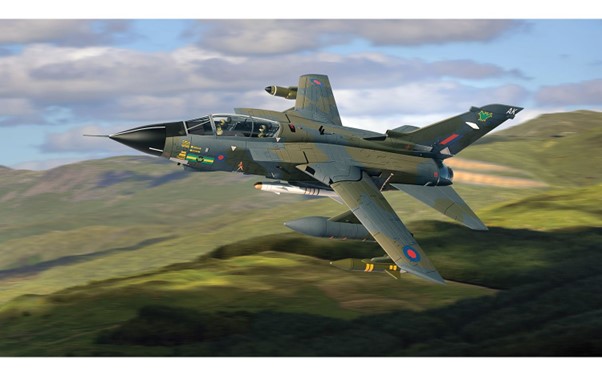
As the oldest dedicated bomber squadron in the Royal Air Force, it was somehow fitting that No.IX Squadron took the honour of becoming the world’s first operational Panavia Tornado unit in front-line service when it was equipped with the GR.1 variant in June 1982.
The Tornado was a highly advanced, nuclear-capable strike attack and reconnaissance aircraft of the late Cold War era, with its potentially devastating capabilities meaning that at least four squadrons were usually based in Germany for much of its early service.
Tornado ZD748 was produced as a GR.1 variant in 1984 and delivered to No.IX Squadron at RAF Brüggen on 8th October that same year, where she wore the code AK and was referred to colloquially as ‘Anola Kay’.
Proud of their celebrated squadron history, ZD748 later benefitted from some special artwork in commemoration of wartime Avro Lancaster B.I W4964, one of only 35 Lancasters which completed at least 100 operational missions: the celebrated ‘Centurions’.
This famous aircraft was ‘J for Johnnie’ and carried the Johnny Walker whiskey brand artwork on its nose, along with the firm’s equally famous motto, ‘Still Going Strong’ and its impressive mission tally scoreboard.
This aircraft dropped a 12,000Ib Tallboy bomb on the German Battleship Tirpitz on 15th September 1944. Tornado ZD748 was still carrying her ‘Johnnie Walker’ artwork when she was pictured in the static aircraft display at the RAF Waddington Airshow in the summer of 1993.

Martin B-26B-15-MA Marauder 41-31576/AN-Z ‘Dinah Might’, was given the important task of leading an anti-beach fortification raid against Widerstandsnest 5 (which means ‘nest of resistance’, or ‘strongpoint’) overlooking Utah beach. The raid happened only a couple of minutes before the landing craft released their troops on their assigned beaches on D-Day itself, one of the final missions to take place before the landings.
Flown by Major David Dewhurst, the experienced Commander of the 553rd Bomb Squadron, US 8th Air Force, this was one final opportunity to neutralise German defensive fortifications, therefore giving Allied troops a better chance of making it off their assigned landing beach in the terrifying hours to come.
Dewhurst’s aircraft, which was named ‘Dinah Might’ after a Bing Crosby tune of the day, released its bombs at exactly 06.24.30 on D-Day, with navigation and timing critical to the success of the mission and the safety of the men waiting to make their historic seaborne assault.
The details behind this final bombing raid of D-Day clearly illustrate why the Utah Beach D-Day Museum elected to finish their preserved Marauder in this historic scheme and why it forms such a poignant centrepiece for their impressive museum.
‘Dinah Might’s’ target on that fateful morning in June 1944 was only metres from where this magnificent preserved aircraft is displayed today, even though it’s actually only a representation of that famous wartime aircraft.

Undoubtedly one of the most effective aircraft types operated by the Luftwaffe during the Second World War, the Junkers Ju 88 was developed as a speedy ‘Schnell Bomber’, but it was flexible enough to become arguably the most useful German aircraft of the entire war. In its C-6 variant configuration, the Junkers had been optimised for the heavy fighter role, easily making the transition to supporting the Luftwaffe’s nightfighter force.
Initially, single-engined fighters were used to defend German territory at night, however, due to the limitations of the German night defence network, they had neither the range nor firepower to pose a serious threat to British night intruders. The Junkers Ju 88, however, was a very different proposition, with its size, speed and firepower making this the consummate nocturnal hunter and many a Bomber Command aircraft would fall prey to their guns.
The Luftwaffe airfield at Catania on Sicily was the principle airfield in the region and was used as the staging point for many Axis airborne operations across the Mediterranean and into North Africa. The airfield was also home to the nightfighting Junkers Ju 88 heavy fighters of I./NJG2, even though their fighters were regularly deployed across the entire Mediterranean Theatre.
This aircraft was recalled to Catania during the Summer of 1942, presumably to provide night defence support for the proposed Axis invasion of Malta, as increased Allied night air incursions were expected.
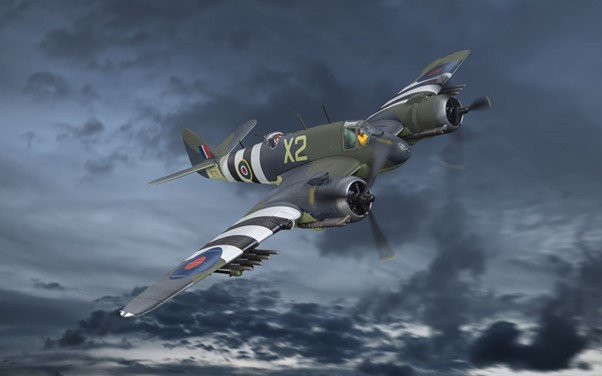
No. 455 Squadron Royal Australian Air Force began operations in the ETO as part of RAF Bomber Command but transferred to Coastal Command at the end of April 1942. Still flying the Handley Page Hampden at that time, crews were immediately required to train in the delivery of airborne torpedo attacks, in advance of flying anti-shipping operations against Axis vessels operating in Norwegian coastal waters.
Flying from their home base at Leuchars in Fife, their Hampdens were not particularly suitable for this type of mission and initial success rates were disappointing, with many crews paying the ultimate price for their aircraft’s lack of capability. Things improved from December 1943 onwards, when the unit traded their Hampdens for Beaufighters, with crews immediately developing tactics to maximise the impact of their capable new aircraft.
Operating in tandem with No.489 Squadron (RNZAF), the two formed the ‘ANZAC Strike Wing’, using the combined strength of both squadrons to launch devastating attacks against Axis shipping in the North Sea. Beaufighters configured as heavy fighters attacked and neutralised enemy anti-aircraft defences before the bomb and torpedo-equipped aircraft swooped to deliver their destructive blows.
The Strike Wing’s tactics proved so effective that they were later called upon to clear the sea lanes of the English Channel in the months leading up to D-Day, paying particular attention to the E-boats which posed such a threat to Allied invasion planning.
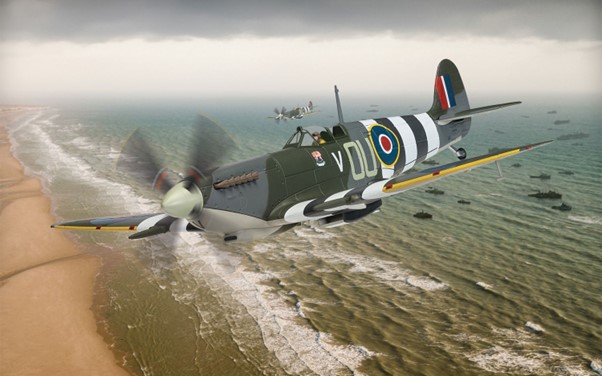
Constructed as a Mk IXc variant at the famous Castle Bromwich ‘Shadow Factory’ in early 1944, Supermarine Spitfire ML407 stamped her name in history as the first Allied fighter to claim a Luftwaffe aircraft shot down following the Allied amphibious landings on D-Day. It also boasts an impressive post-war flying career which continues to this day.
She flew operationally throughout the final months of the Second World War, serving with six different squadrons of the RAF’s 2nd Tactical Air Force and amassing 176 combat sorties and 319 hours of combat flying in the process. She was delivered to No. 485 (New Zealand) Squadron on 29th April 1944, where she became the aircraft assigned to Flying Officer Johnnie Houlton in preparation for operations covering the D-Day landings.
No. 485 Squadron moved to operate from RAF Selsey, as this was the closest UK mainland airfield to the landing beaches the squadron’s aircraft would have to protect on 6th June 1944. On D-Day, Houlton caught sight of a Junkers Ju-88 attempting to find cover in the clouds, and, having adjusted his new gyroscopic gunsight for a longer distance shot, gave the Luftwaffe aircraft short burst from around 500 yards.
The Ju-88 burst into flames and plummeted earthwards, with the crew taking to their parachutes. Houlton and Spitfire ML407 had just become the first Allied pilot/aircraft combination to shoot down an enemy aircraft following the D-Day landings.

A French-born American citizen, Robert Soubiran felt it was his duty to go and fight for the country of his birth at the start of the First World War, travelling to France at his own expense, to join the French Foreign Legion on his arrival. He joined with fellow future Lafayette Escadrille pilots James Bach, Bert Hall, Kiffin Rockwell, Paul Rockwell and William Thaw and served with the 2nd Foreign Regiment in the Battle of Champagne, with the 170th Line Infantry Regiment.
Injured during the fighting in October 1915, he spent four months recuperating, during which time he applied for and was accepted into the French Service Aeronautique, graduating on 20th October 1916 and joining Escadrille Américaine two days later. Around one year of combat flying later, Soubiran was awarded the Croix de Guerre with Palm for actions covering an attack against German Drachen balloons, where he was credited with his only aerial victory of the war.
He transferred to the 103rd Pursuit Squadron US Army Air Service following America’s entry into the war, where he continued to fly combat missions, eventually rising to the position of Commanding Officer. One of the first American nationals to arrive in France in 1914, Soubiran was also one of the last to leave in 1919 following the end of the war, having accumulated over 400 hours of combat flying.
Hobbymaster updated photo gallery.
Check out the latest HM photos below. Please click on the images or links to go straight to the model page to order your model now.
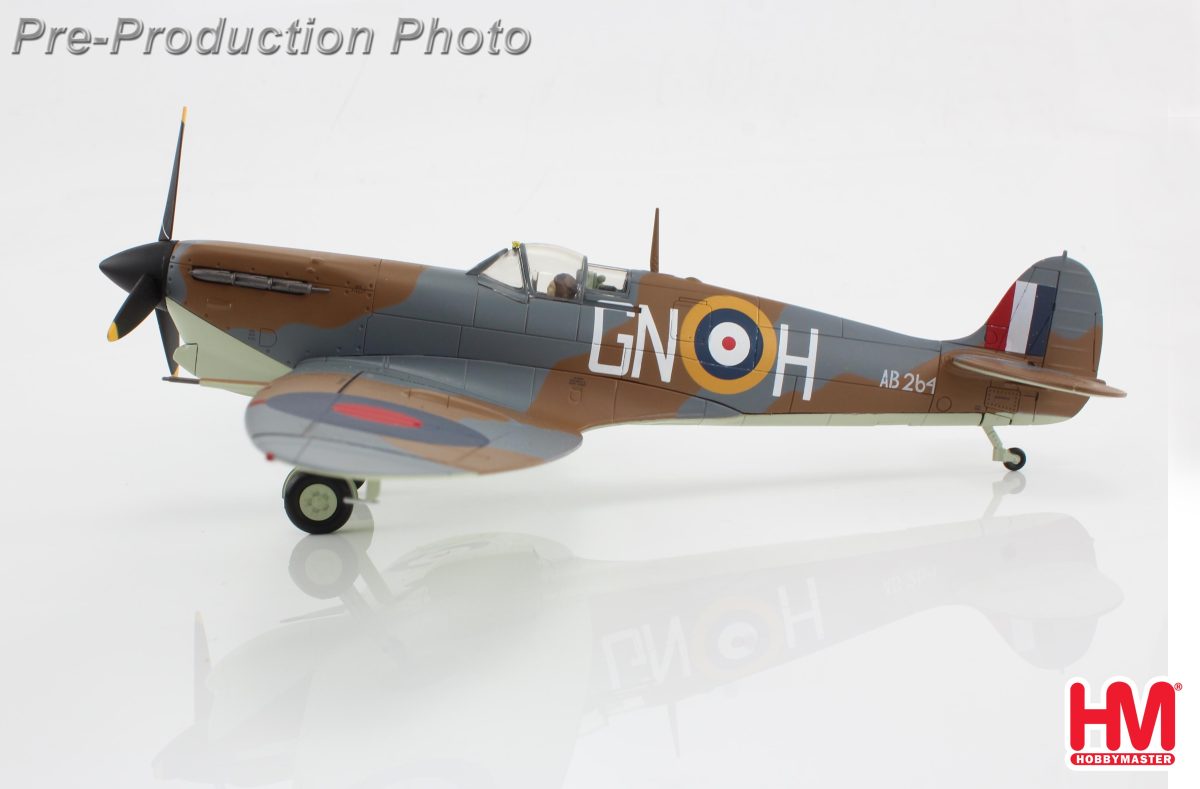
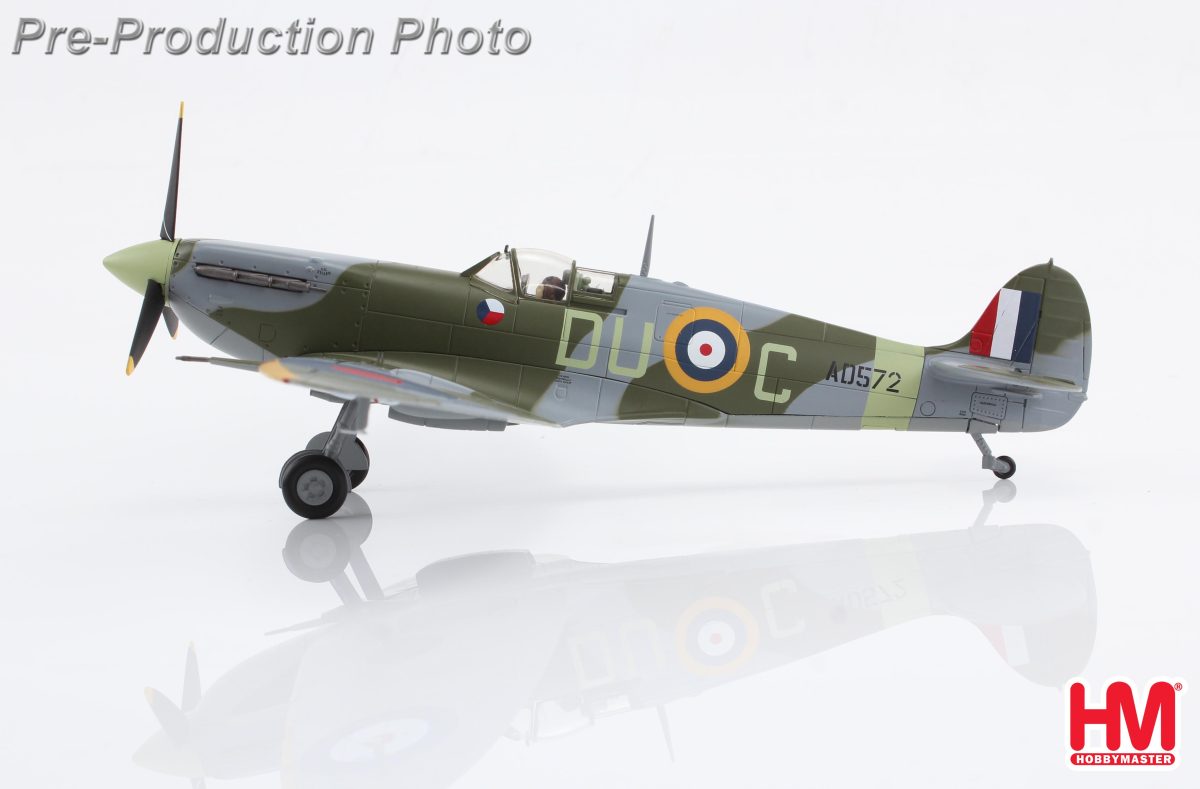
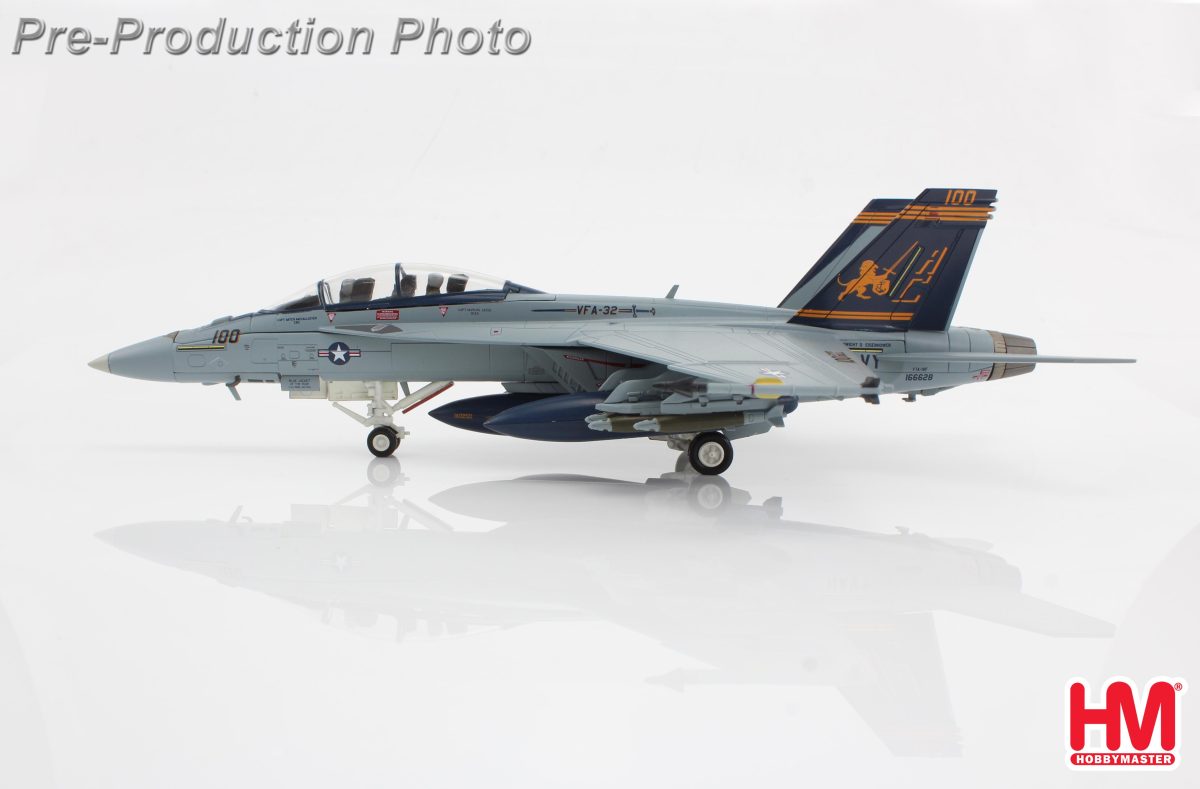
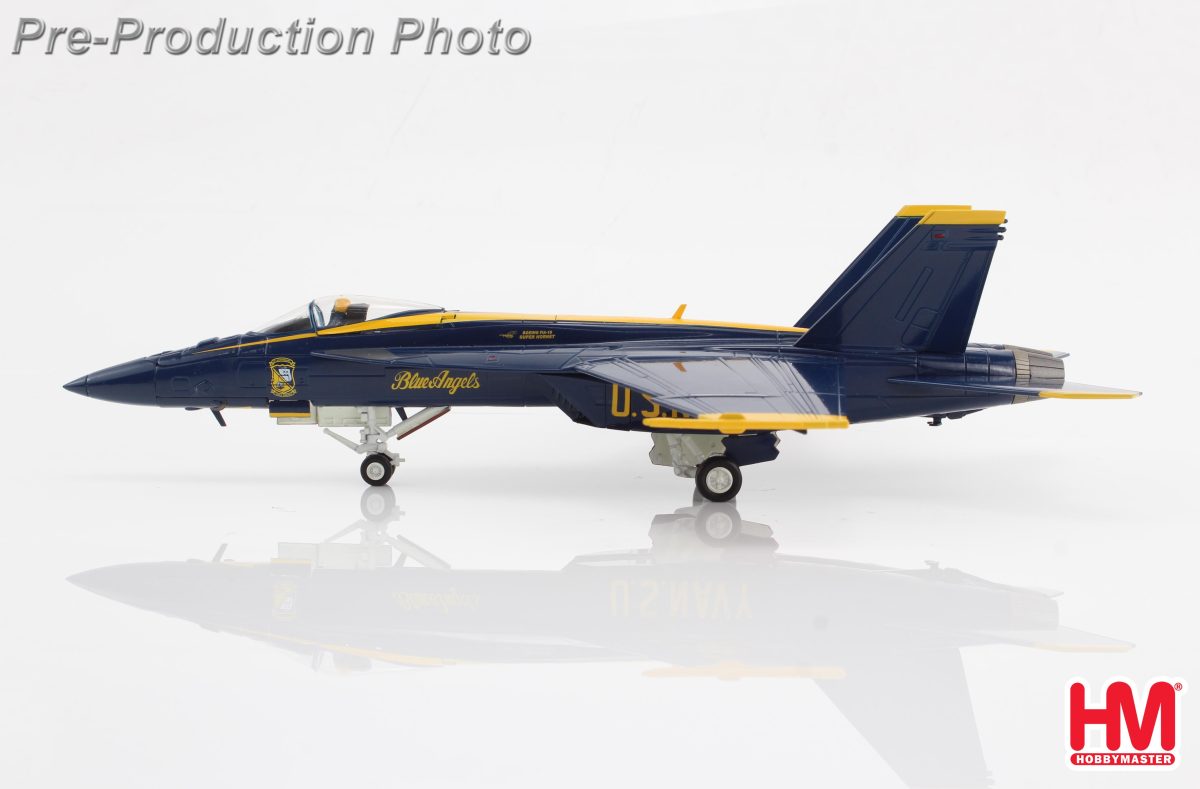
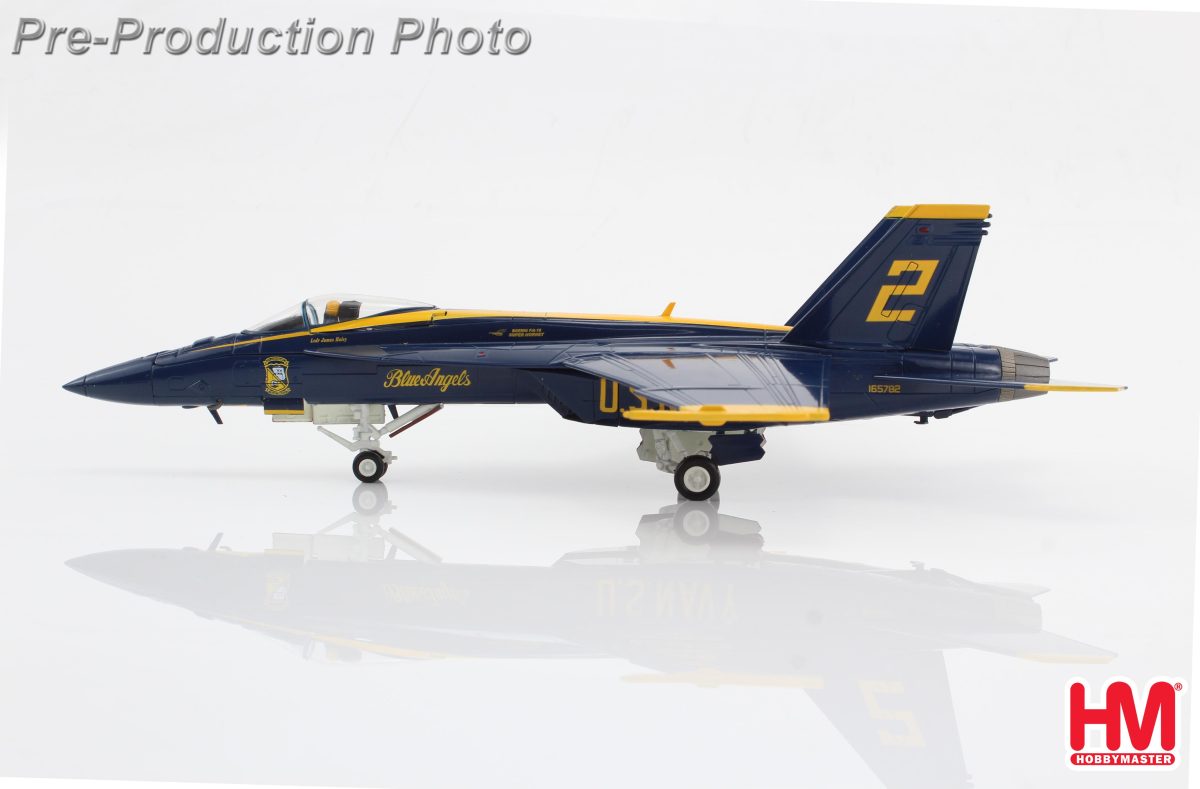
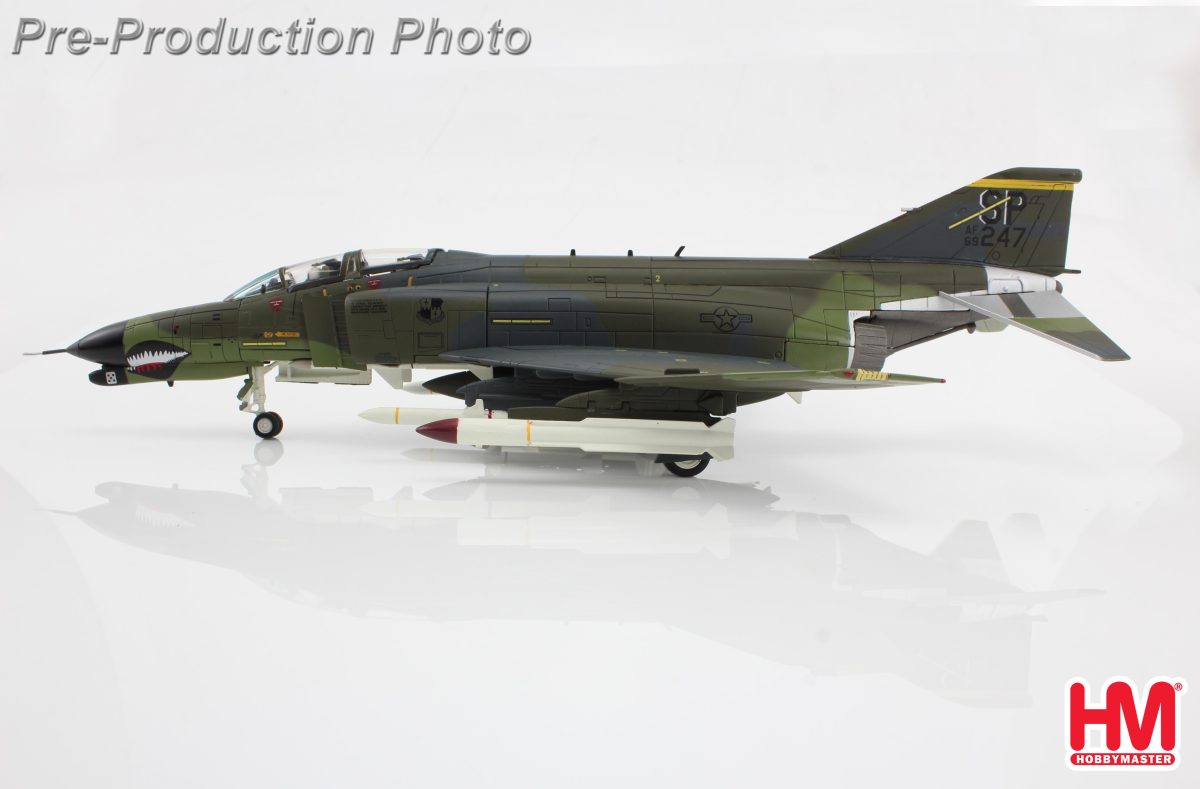
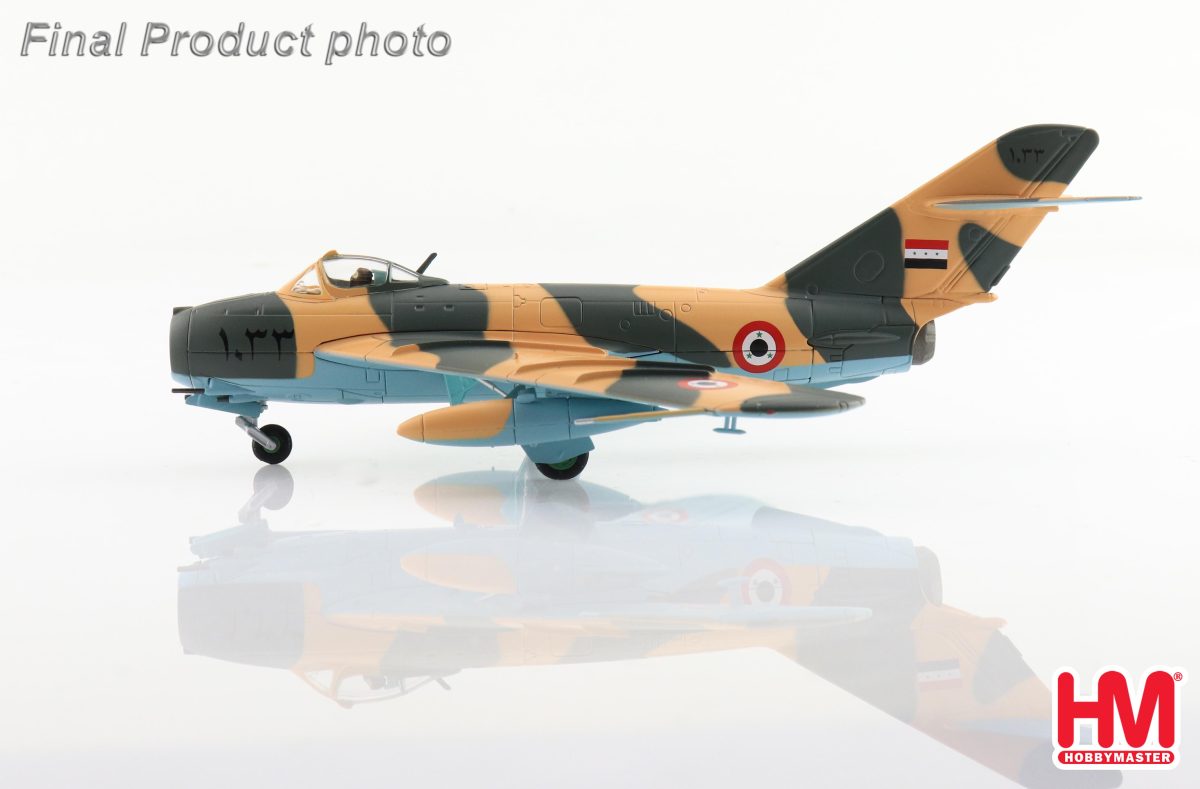
HA5912 Hobbymaster 1/72nd scale MiG-17F Fresco Syrian Air Force, 1968 SOLD OUT AT PRE-ORDER STAGE
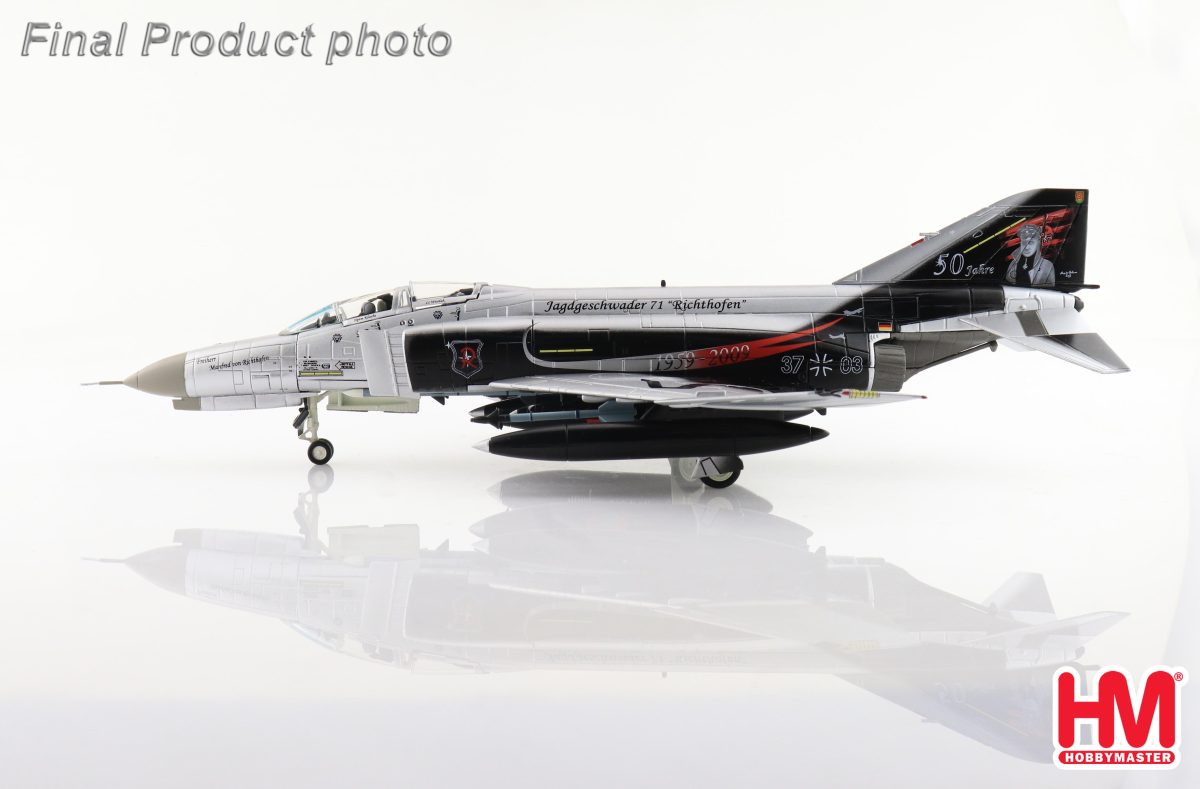
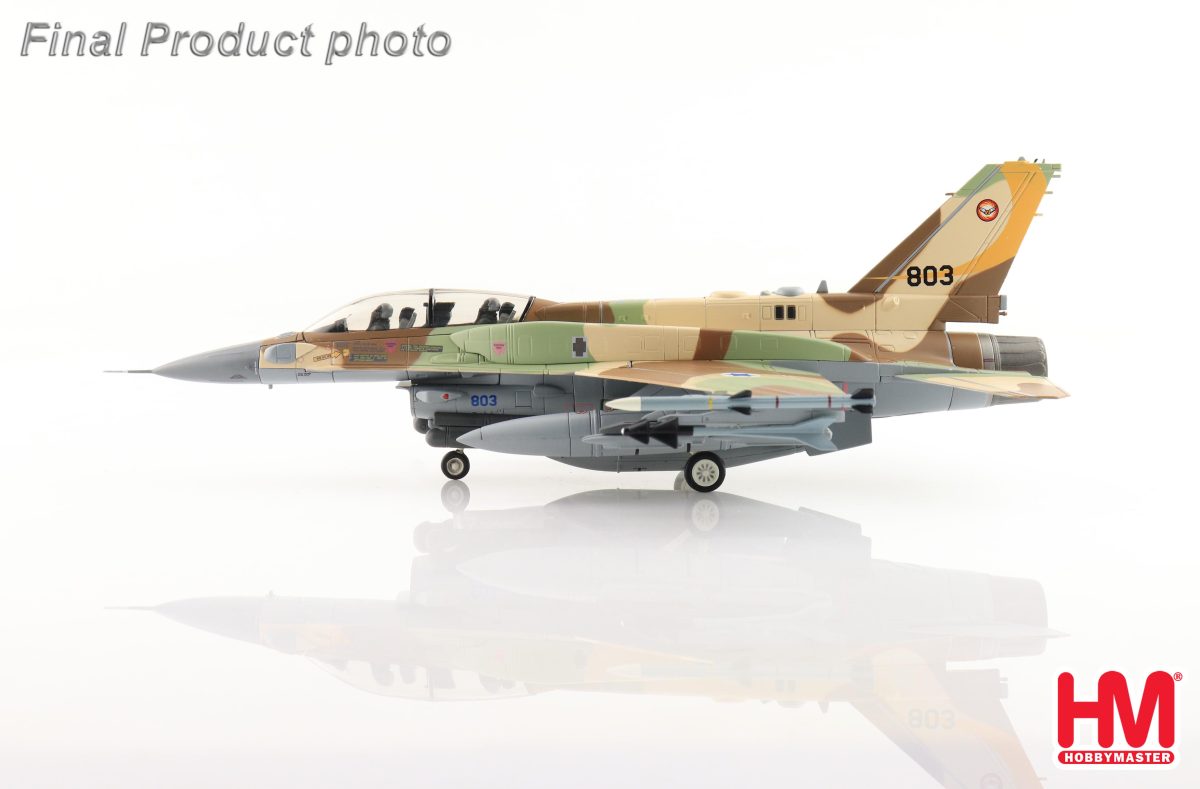
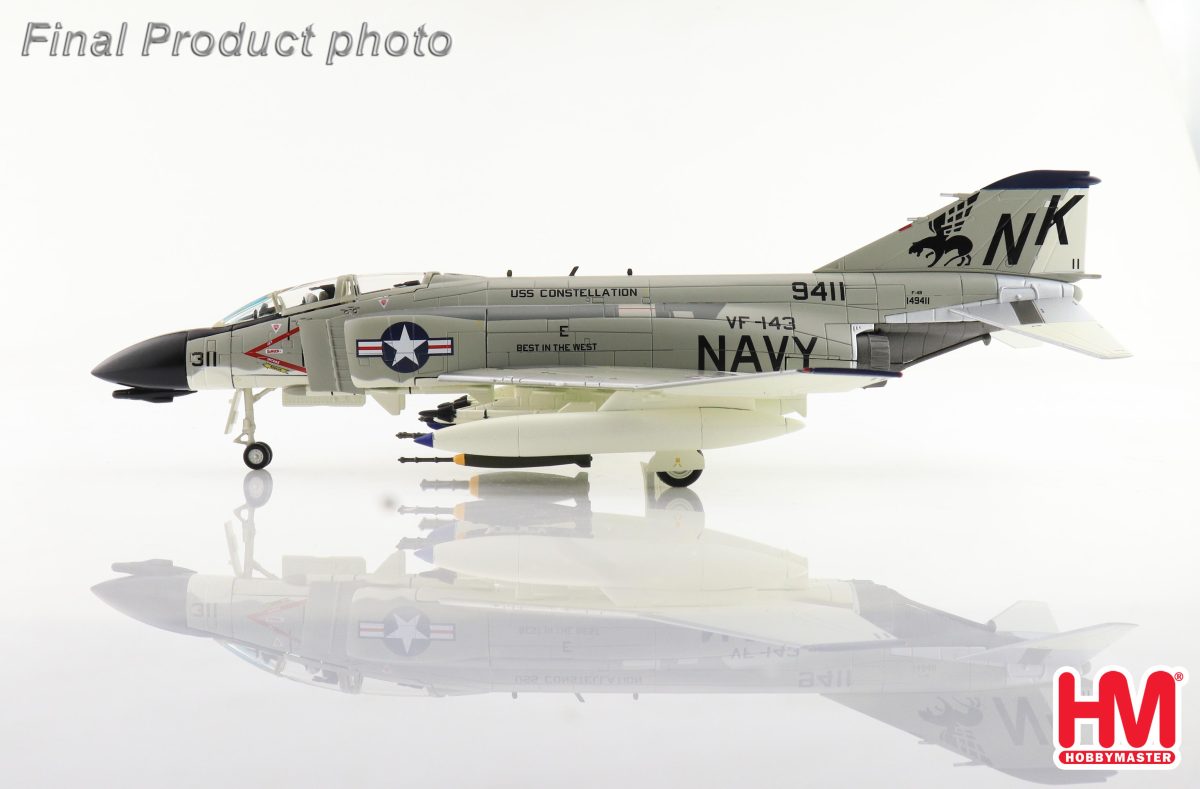
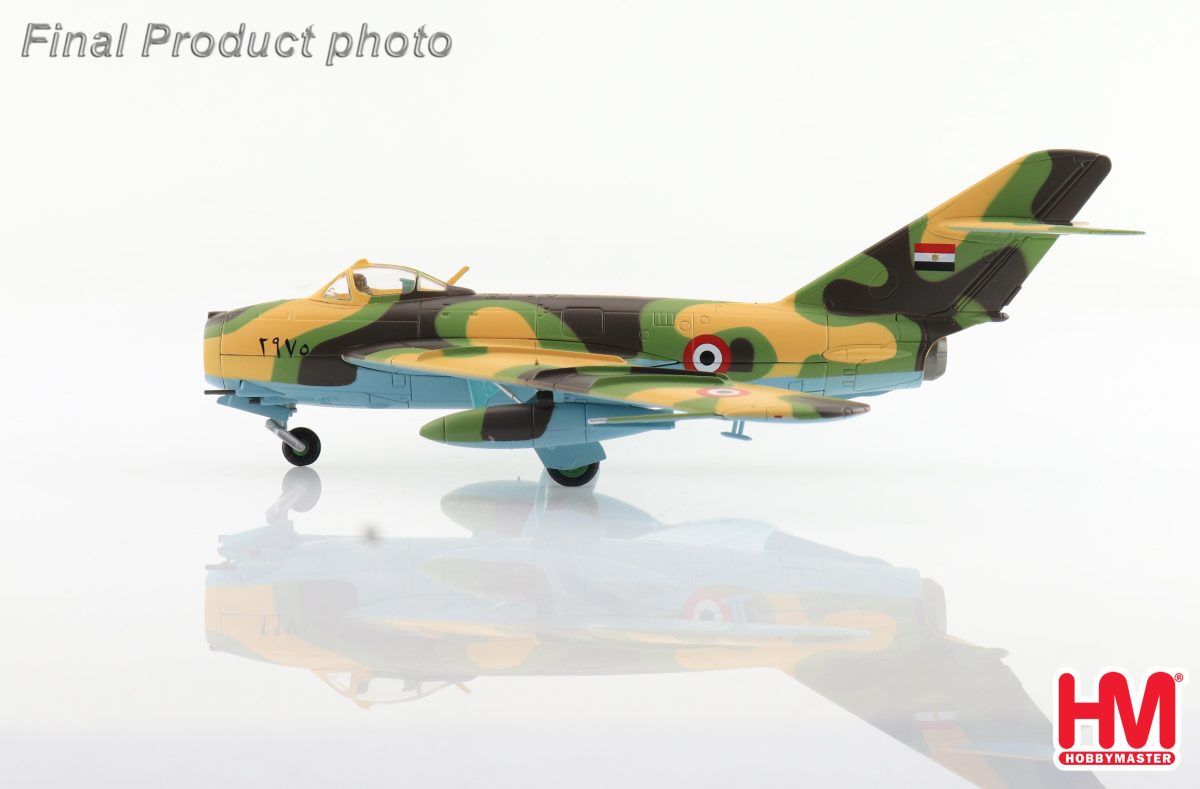
HA5911 Hobbymaster 1/72nd scale MiG-17F Fresco “Nile Delta” Egyptian Air Force, 1973 SOLD OUT AT PRE-ORDER STAGE
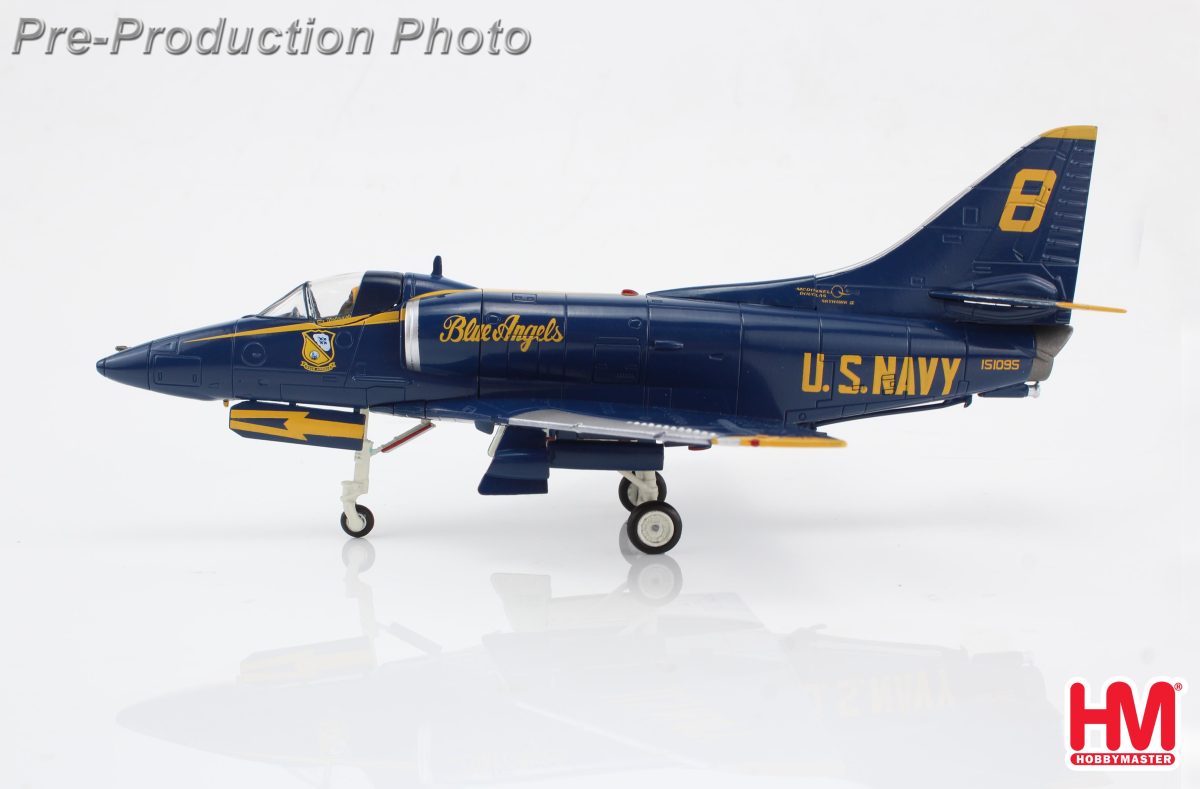
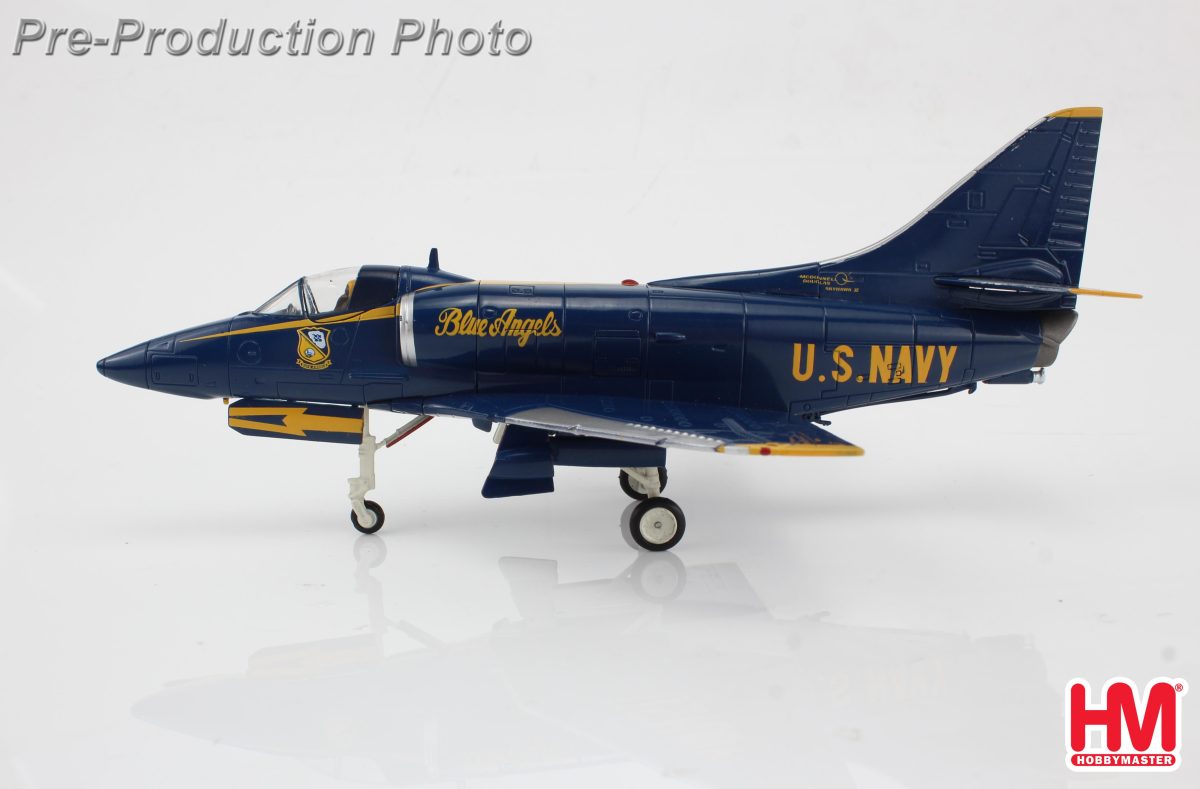
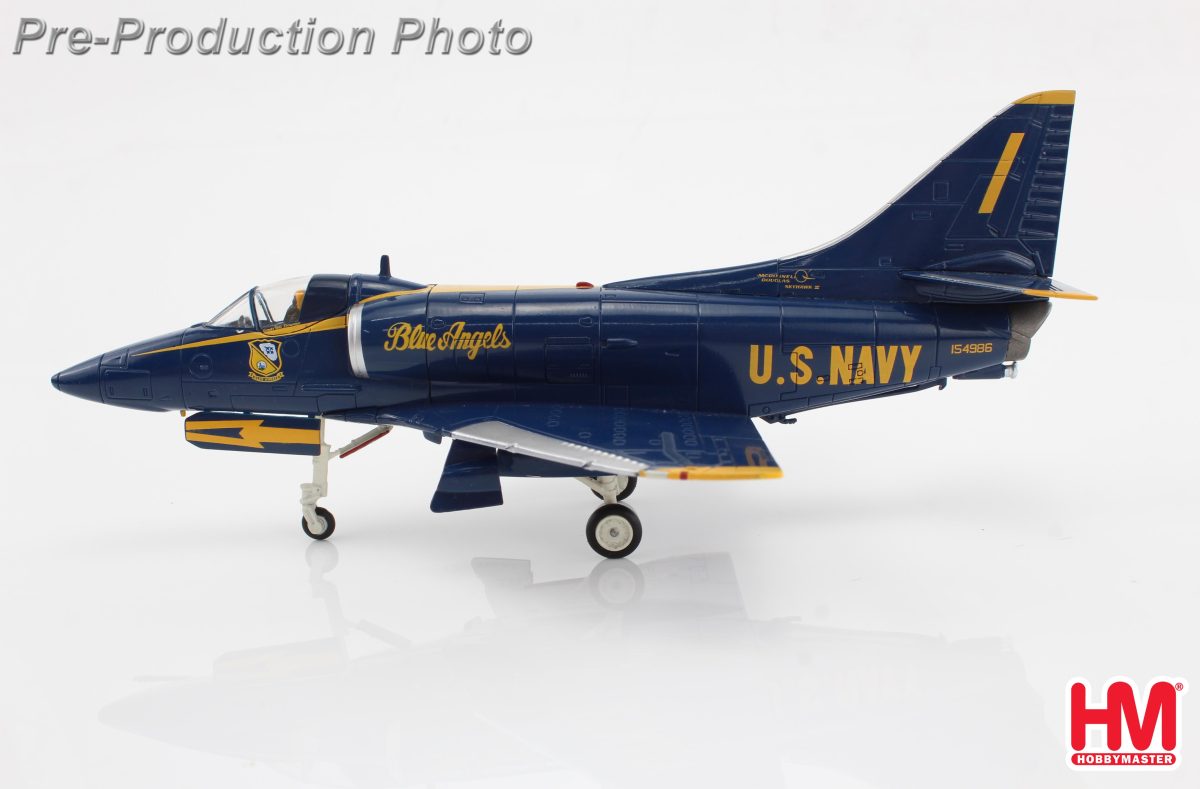
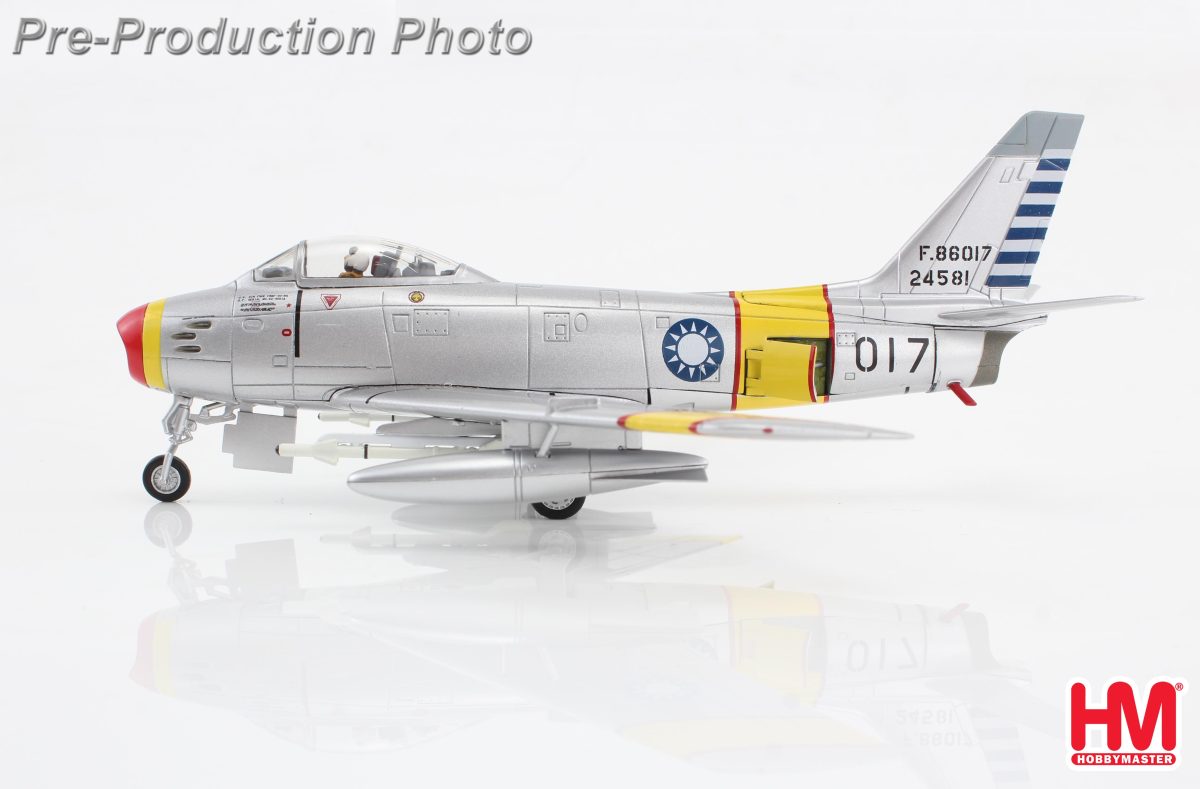
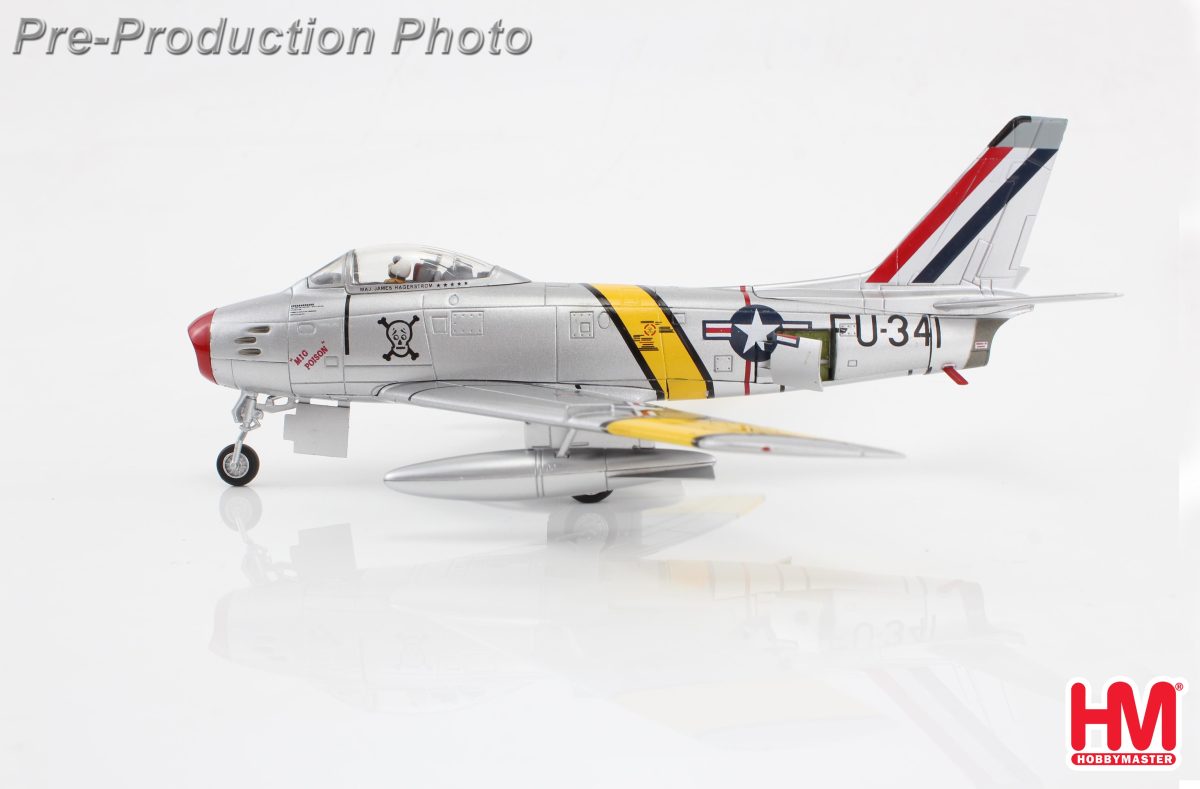
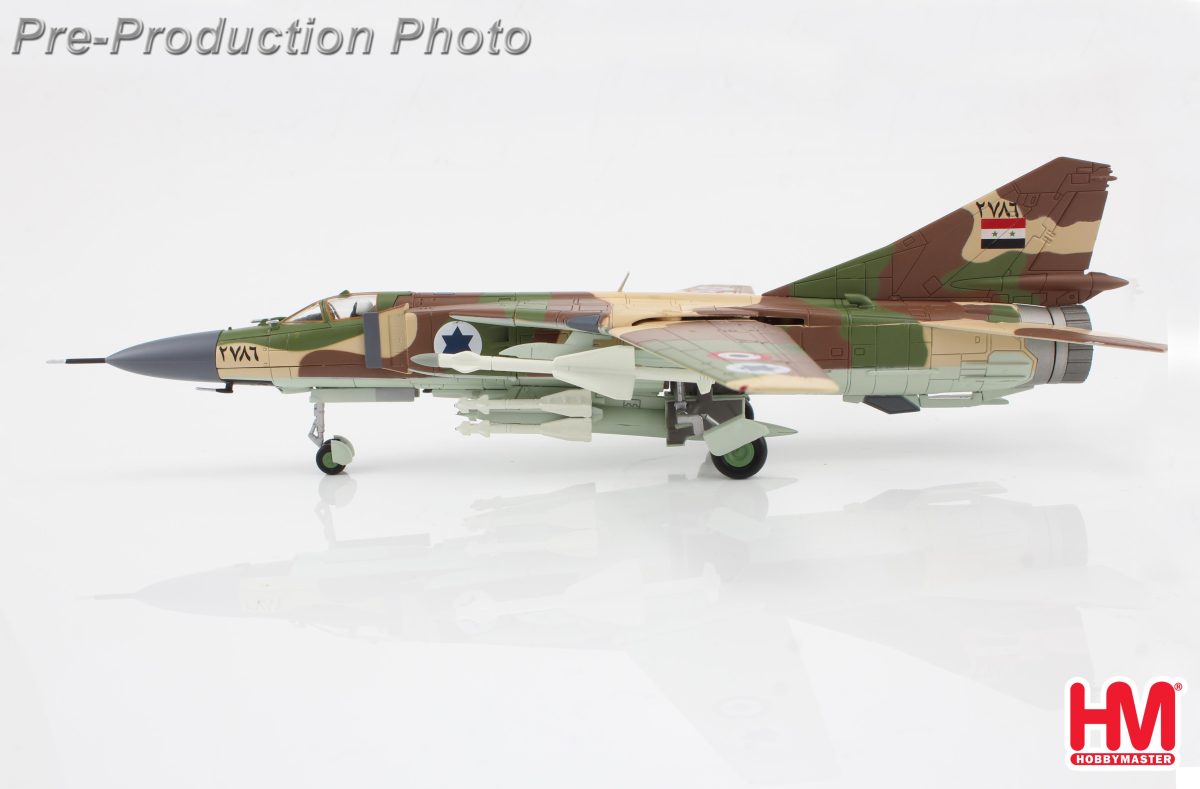

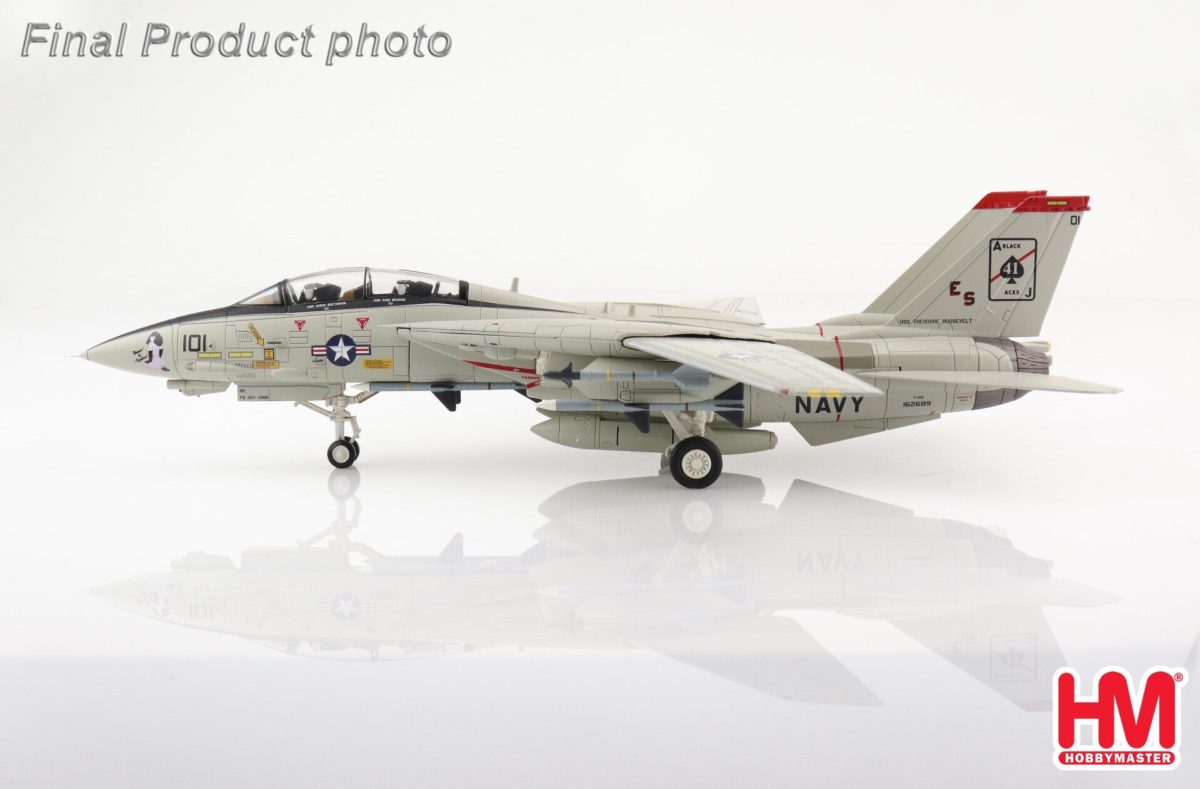
HA5230 Hobbymaster 1/72nd scale Grumman F-14A “Queen of Spades” 162689, VF-41 “Black Aces”, Operation Desert Storm, June 1991 SOLD OUT AT PRE-ORDER STAGE
Thank you for reading this week’s Newsletter.
Richard.
Flying Tigers.