F-4Bs in the 1972 Screaming Eagle (also known as the Supersonic Can Opener) paint scheme
VF-51, Fighter Squadron 51 was an aviation unit of the United States Navy known as the “Screaming Eagles”. It was originally established as VF-1 on February 1st, 1943, redesignated as VF-5 on July 15th, 1943, redesignated as VF-5A on November 15th, 1946, redesignated VF-51 on August 16th, 1948 and disestablished in March 1995.
History
Until its disestablishment, VF-51 was the oldest fighter squadron in continuous service with the Pacific Fleet. VF-51’s roots are traced back to 1927 when the Screaming Eagles insignia could be seen with the VF-3S Striking Eagles which flew the Curtis F6C-4.
In October 1947, the Screaming Eagles became the first Navy squadron to enter the jet age with delivery of the North American FJ-1 Fury; the squadron used this fighter to conduct the USN’s first operational all-jet aircraft carrier landing at sea on 10th March 1948 aboard USS Boxer. After transitioning to the Grumman F9F-2 Panther, VF-51 became the first squadron to take jets into combat and score the first air-to-air kills in the Korean War. Future astronaut and first man to walk on the Moon, Neil Armstrong, was also a Naval Aviator in VF-51 during this period.

F9F-2s launching from USS Essex in 1951
During the Vietnam War, VF-51 was the first squadron to evaluate the air-to-ground capability of the F-8 Crusader, and because of this, VF-51 was picked to fly secret interdiction missions into Laos in June 1964. In 1965 VF-51 flew F-8 Crusaders off the USS Ticonderoga (CVA 14) flying missions into Vietnam and Laos. The squadron became MiG killers when they shot down two North Vietnamese MiG-21s in 1968. In 1971 VF-51 transitioned to the F-4 Phantom and shot down four MiG-17s. VF-51 flew from USS Coral Sea since November 1971 till July 1975.
In 1976, VF-51 and the rest of Carrier Air Wing 15 was deployed on a peacetime Mediterranean cruise on USS Franklin D. Roosevelt, returning in April 1977. The purpose of this cruise on a soon-to-be scrapped carrier was to take the first squadron of United States Marine Corps AV-8A Harriers to sea.
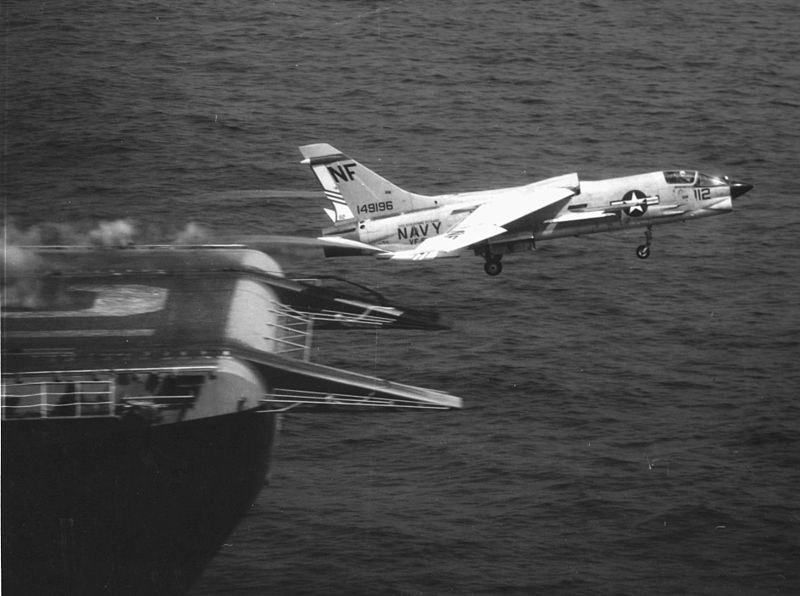
VF-51 F-8E launching from USS Bon Homme Richard in 1970
Following this Mediterranean cruise and return to NAS Miramar, VF-51 phased out its F-4 Phantom IIs. On 16th June 1978, VF-51 transitioned to the Block 100 version of the F-14A Tomcat and their first cruise with the F-14 was in May 1979 with Carrier Air Wing 15 aboard USS Kitty Hawk. As part of CVW-15, VF-51 remained partnered with its sister squadron, VF-111, also flying the F-14. This cruise, originally slated to end in early December 1979, was extended by Presidential direction during the Kitty Hawk Battle Group’s final port call in the Philippines in late November 1979 as a result of the seizure of the American Embassy in Iran the same month and the subsequent Iranian Hostage Crisis. Both squadrons participated in the preparatory efforts to rescue American hostages in Iran, frequently intercepting both Iranian and Soviet aircraft in the region, but departing the Indian Ocean in February 1980 and turning responsibilities over to the USS Nimitz Battle Group and its embarked Carrier Air Wing 8 with VF-41 and VF-84 prior to execution of Operation Eagle Claw. For this 1979–1980 deployment, VF-51 was awarded the Battle E as the top fighter squadron in the Pacific Fleet. After one more cruise with Kitty Hawk, the air wing moved to the East coast for a short period of time, flying from the newly introduced USS Carl Vinson from March to October 1983 as the ship transited to its new homeport of NAS Alameda, California and assignment to the Pacific Fleet.
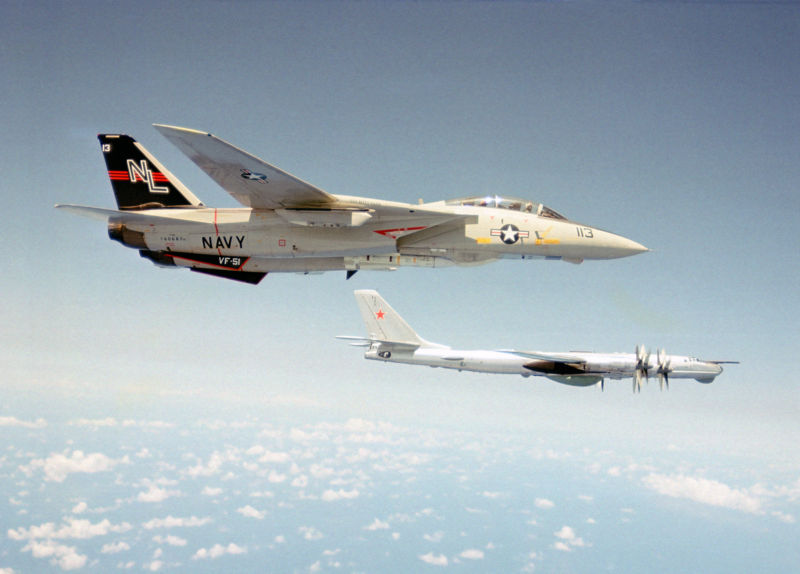
VF-51 F-14A intercepting a Tu-95 Bear.
VF-51 is credited to be the first F-14 squadron to intercept Soviet Tu-26 Backfire bombers, armed MiG-23 Floggers and Su-15 Flagons using the Tomcat’s TCS (Television Camera Sight). The TCS allowed the crew to passively identify a target to determine if it was hostile or not.
During the 1986–1987 cruise with USS Carl Vinson, VF-51 conducted operations in the Bering Sea during the winter. In February 1990, USS Carl Vinson conducted operations in the Western Pacific and Indian Ocean. VF-51 and VF-111 took part in several exercises with regional air forces, including Singapore, Malaysia and Thailand. The air wing returned home on 29th July.
Original Navy plans saw VF-51 and VF-111 becoming the first deployable squadrons to transition to the F-14D Super Tomcat, however these plans were cancelled in December 1991 and VF-51 spent its time to its disestablishment in March 1995 flying the same F-14As it had transitioned to in 1978.
Popular media
In 1985, VF-51 was one of several NAS Miramar based squadrons to participate in the filming of Top Gun. Some VF-51 and VF-111 aircraft were repainted in fictitious squadron markings for the film. To be able to film the sequences, the F-14s were fitted with cameras mounted in pods attached to the underbelly Phoenix pallets and the under wing pylons, as well as using ground mounted cameras. Late in the film, Tom Skerritt’s character mentions that he flew with VF-51 off USS Oriskany with the main character’s father, and several VF-51 pilots appear in the film credits. VF-51 never flew F-4s off Oriskany, as the Phantom was too large for that carrier; VF-51 begin to fly F-4 Phantom since 1971 on CV-43 Coral Sea. Although there may be some plausibility in the claim as VF-51 were flying F-8s off the Oriskany during the 1965 cruise, the year mentioned in the photo shown by Maverick earlier in the film. In Top Gun: Maverick, Robert “Bob” Floyd is shown with a “VFA-51” helmet bag. This is fictitious due to VF-51 being disestablished rather than transitioned to the F/A-18.

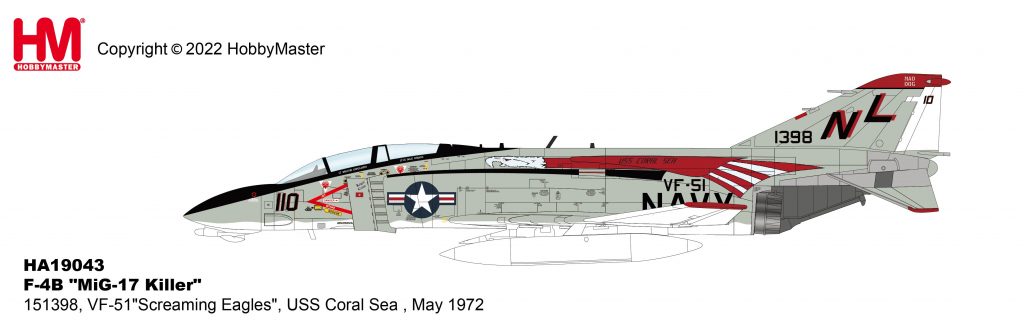
F-4B Phantom II VF-51 Screaming Eagles USS Coral Sea (CVA-43) in 1971-72.
Hobbymaster 1/72nd scale F-4B “MiG-17 Killer” 151398, VF-51 “Screaming Eagles”, USS Coral Sea , May 1972
F-4B 151398 had served with 5 other squadrons since its 1963 maiden flight and in May 1972 F-4B 151398 belonged to VF-51 “Screaming Eagles” on board the USS Coral Sea. The aircraft was assigned to Lt. Winston “Mad Dog” Copeland and Lt(jg) Dale Arends but on May 10,1972 the aircraft was crewed by Lt. Ken “Ragin Cajun” Cannon and Bud Morris. That day they destroyed a MiG-17 with an AIM-9. Returning from SEA the aircraft was upgraded to an “N” variant and transferred to the VF-161 based in Japan and scrapped in 1993.
Please click on the image/links below to go straight to the model page.
Hobbymaster model delivery just arrived early at Flying Tigers!
This Hobbymaster model delivery has just arrived ahead of schedule at Flying Tigers and models are now available from stock.
Pre-ordered models will be dispatched over the next few days.
Flying Tigers will also consolidate your orders to save on postage costs across all brands !
Please click on the images / links below to go to the model of your choice, or CLICK HERE to see them all.


HA4565 Hobbymaster 1/72nd scale Boeing F-15SG “20 Years of Peace Carvin V” AF05-0005, 428th FS Flagship, 2017 RRP £114.00 Flying Tigers only £84.99 SOLD OUT AT PRE-ORDER STAGE


HA6107 Hobbymaster 1/72nd scale Su-25K Frogfoot Red 03, flown by Lt. Col. Alexander Rutskoy, 4th August 1988 SOLD OUT AT PRE-ORDER STAGE

HA6206 Hobbymaster 1/72nd scale Lockheed F-35C Lightning II 168843, NAWDC , July 2020 RRP £102.00 Flying Tigers only £62.99 SOLD OUT AT PRE-ORDER STAGE


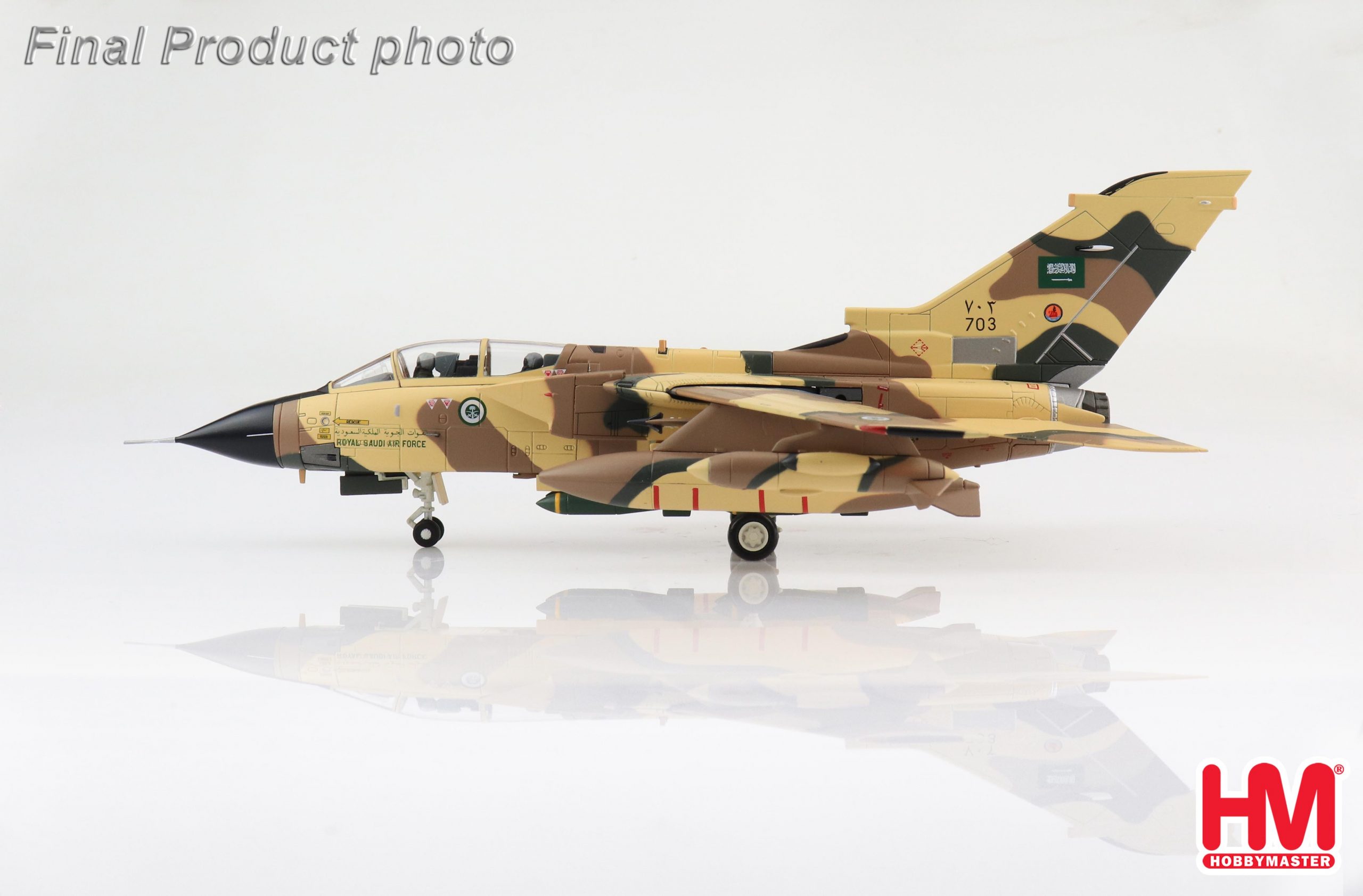
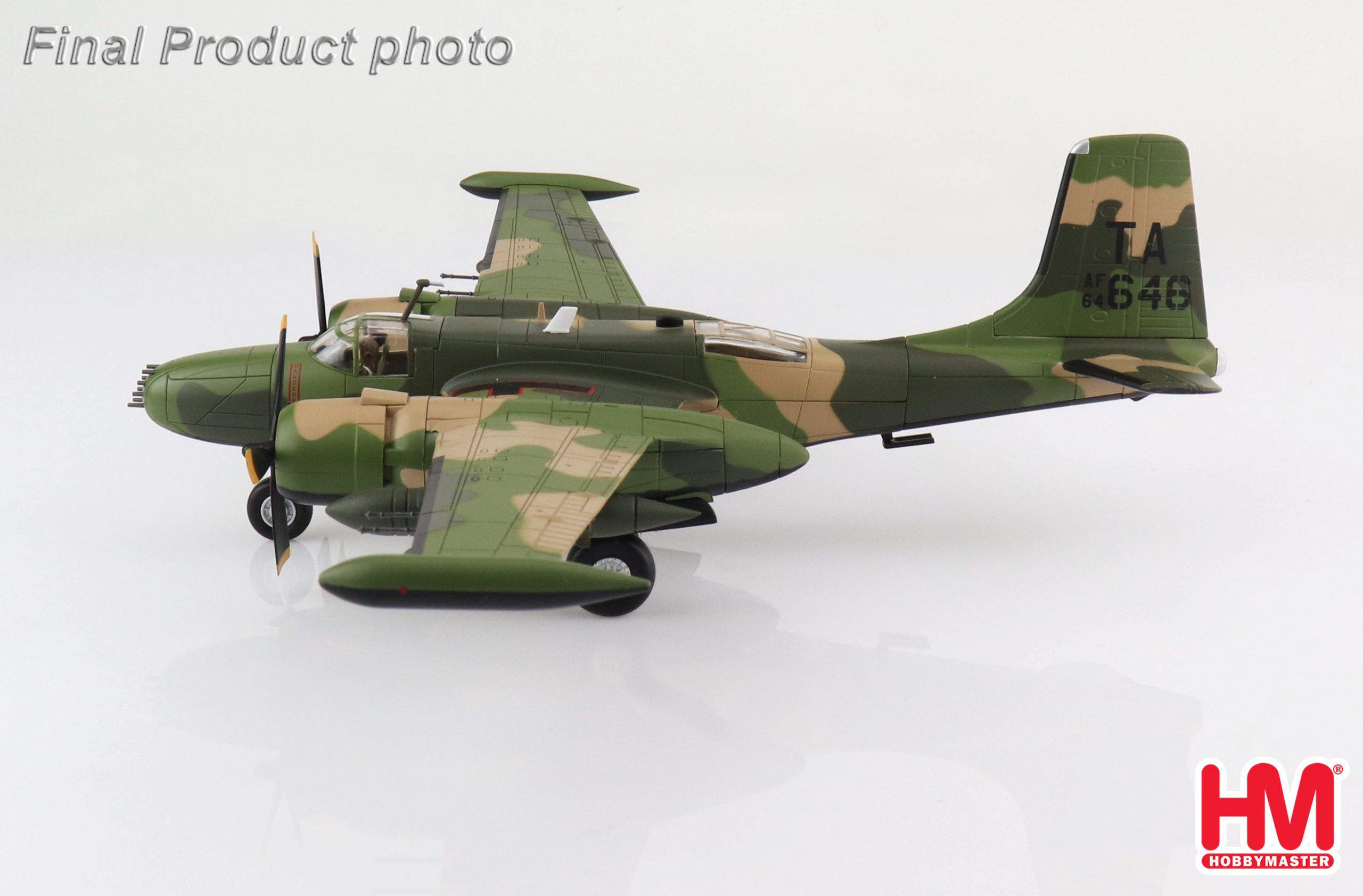
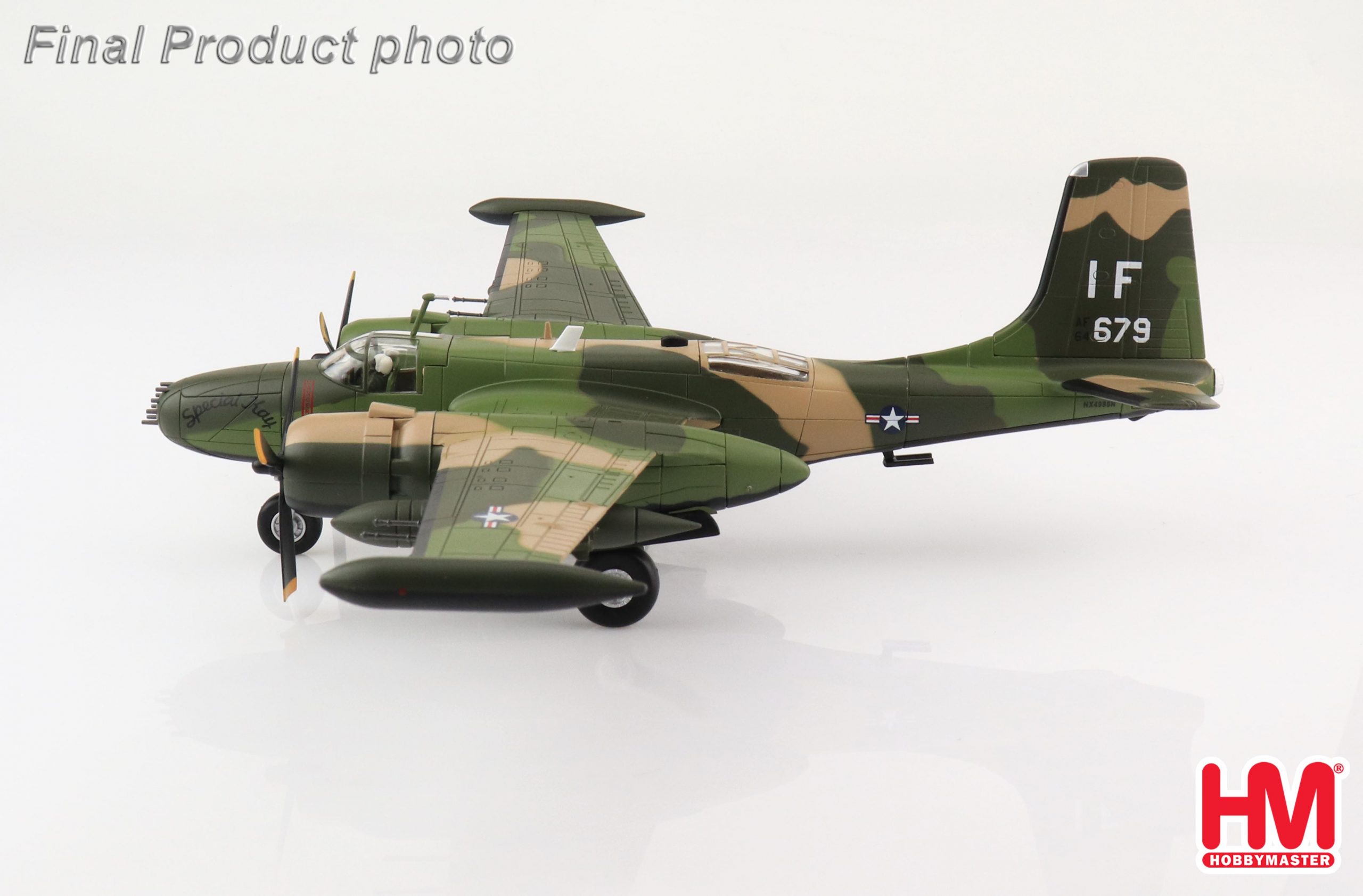
Hobbymaster Updated Photo Gallery
Check out the all latest photos from Hobbymaster that have now been added to the Flying Tigers website. Please click on the images / links below to go to the model page.
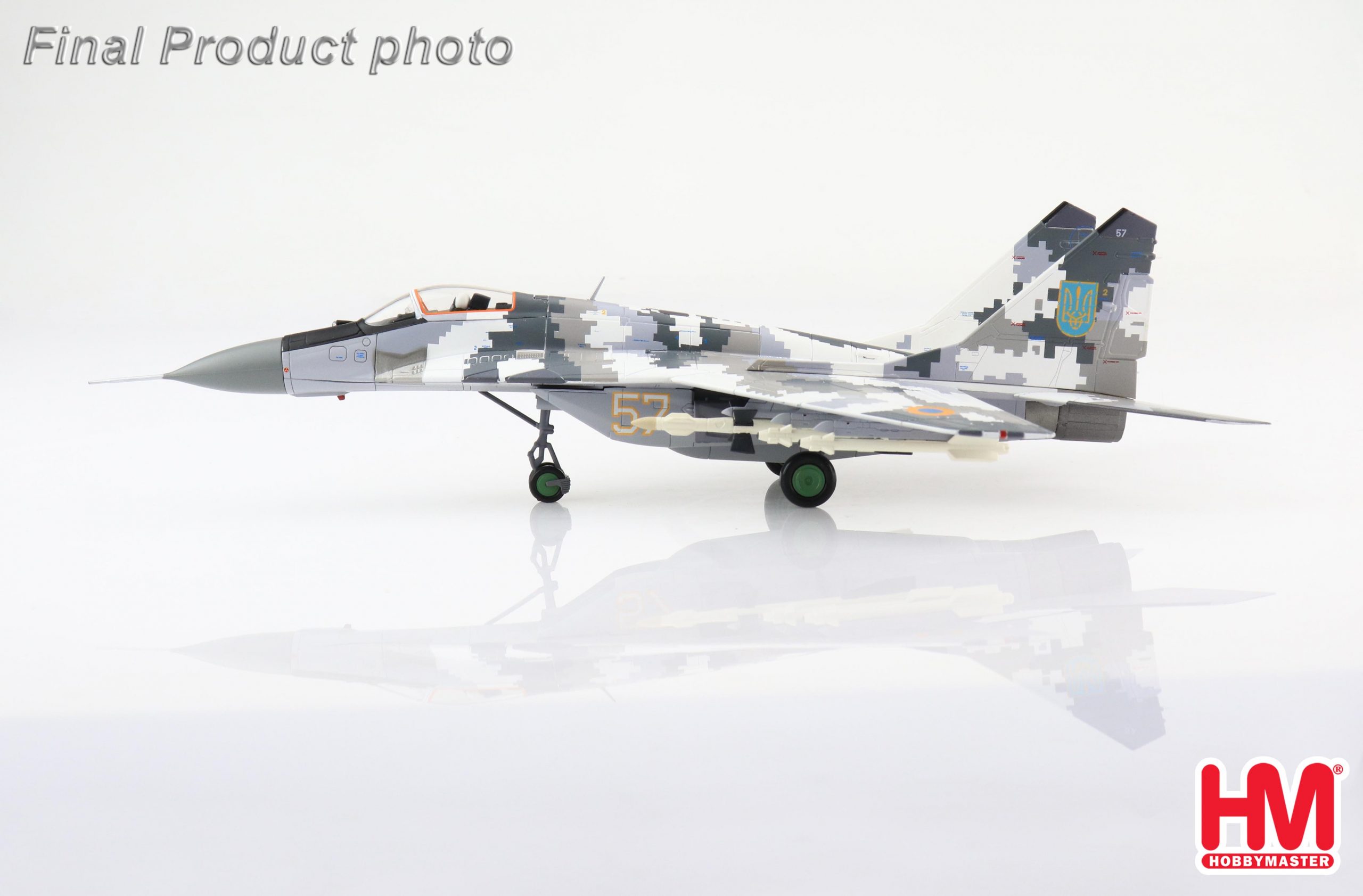

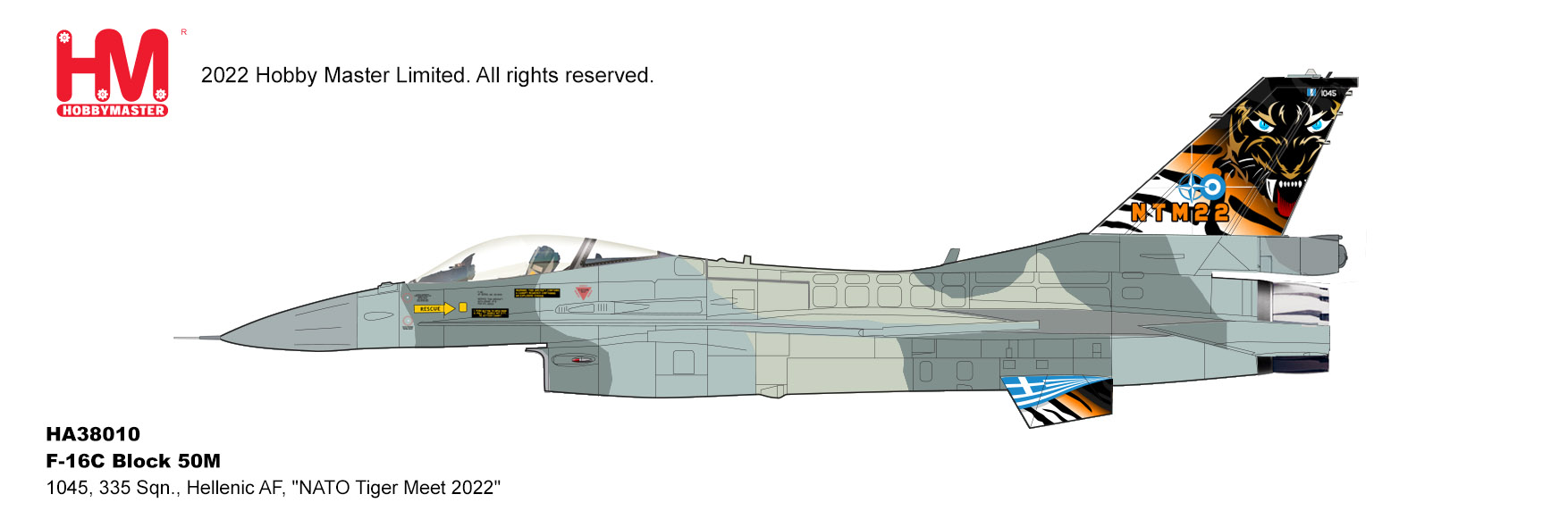
That is all for this week.
Thank you for reading this week’s Newsletter.
Richard.
Flying Tigers.