Horten Ho 229
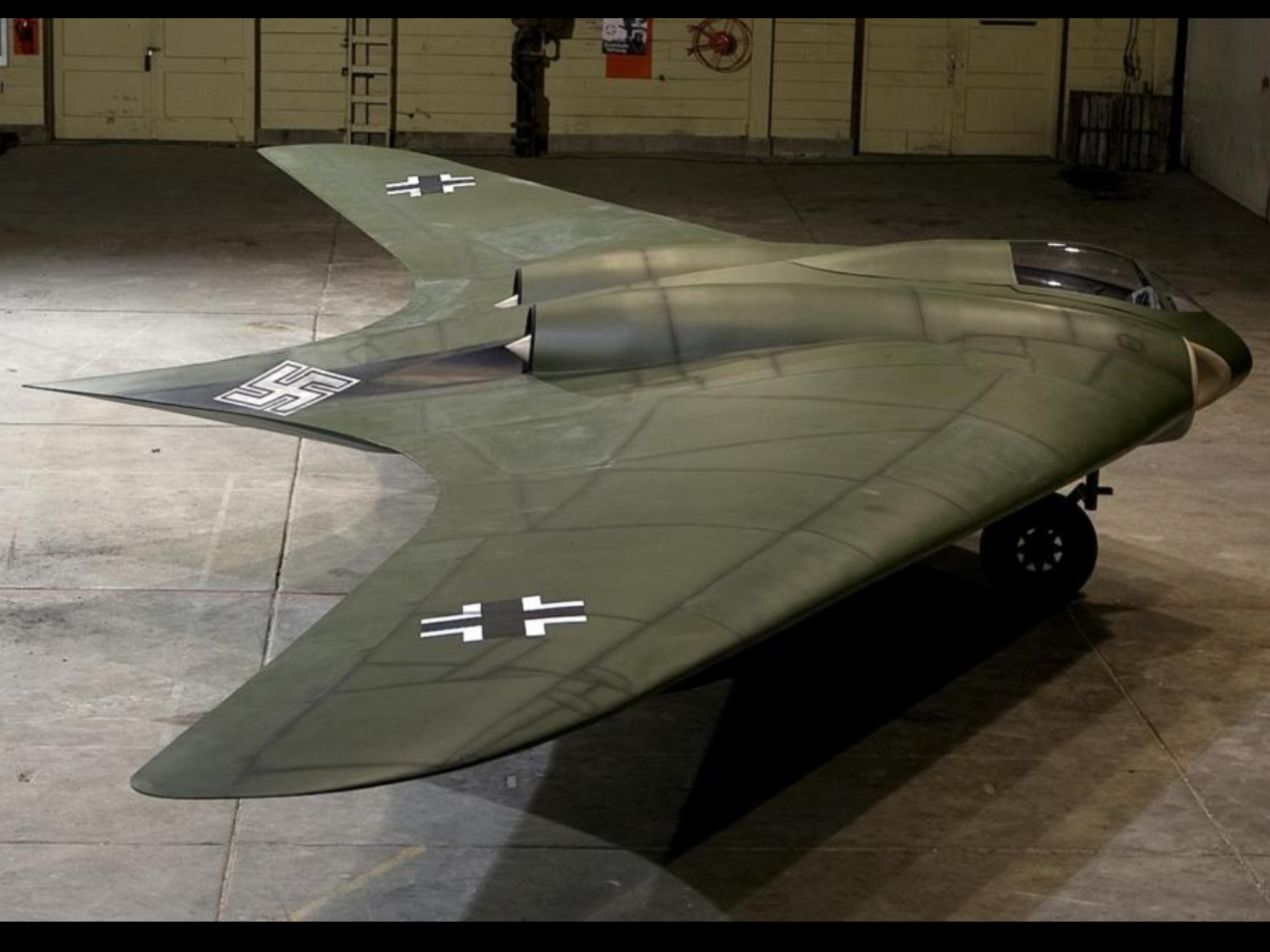
The Horten H.IX, RLM designation Ho 229 (or Gotha Go 229 for extensive re-design work done by Gotha to prepare the aircraft for mass production) was a German prototype fighter/bomber initially designed by Reimar and Walter Horten to be built by Gothaer Waggonfabrik late in World War II. It was the first flying wing to be powered by jet engines.
The design was a response to Hermann Göring’s call for light bomber designs capable of meeting the “3×1000” requirement; namely to carry 1,000 kilograms (2,200 lb) of bombs a distance of 1,000 kilometres (620 mi) with a speed of 1,000 kilometres per hour (620 mph). Only jets could provide the speed, but these were extremely fuel-hungry, so considerable effort had to be made to meet the range requirement. Based on a flying wing, the Ho 229 lacked all extraneous control surfaces to lower drag. It was the only design to come even close to the 3×1000 requirements and received Göring’s approval. Its ceiling was 15,000 metres (49,000 ft).

Horten Ho 229
In the early 1930s, the Horten brothers had become interested in the flying wing design as a method of improving the performance of gliders. The German government was funding glider clubs at the time because production of military and even motorized aircraft was forbidden by the Treaty of Versailles after World War I. The flying wing layout removed the need for a tail and associated control surfaces and theoretically offered the lowest possible weight, using wings that were relatively short and sturdy, and without the added drag of the fuselage. The result was the Horten H.IV.
In 1943, Reichsmarschall Göring issued a request for design proposals to produce a bomber that was capable of carrying a 1,000 kilograms (2,200 lb) load over 1,000 kilometres (620 mi) at 1,000 kilometres per hour (620 mph); the so-called “3×1000 project”. Conventional German bombers could reach Allied command centres in Great Britain, but were suffering devastating losses from Allied fighters. At the time, there was no way to meet these goals—the new Junkers Jumo 004B turbojets could provide the required speed, but had excessive fuel consumption.

Horten Ho 229
The Hortens concluded that the low-drag flying wing design could meet all of the goals: by reducing the drag, cruise power could be lowered to the point where the range requirement could be met. They put forward their private project, the H.IX, as the basis for the bomber. The Government Air Ministry (Reichsluftfahrtministerium) approved the Horten proposal, but ordered the addition of two 30 mm cannons, as they felt the aircraft would also be useful as a fighter due to its estimated top speed being significantly higher than that of any Allied aircraft.
The H.IX was of mixed construction, with the center pod made from welded steel tubing and wing spars built from wood. The wings were made from two thin, carbon-impregnated plywood panels glued together with a charcoal and sawdust mixture. The wing had a single main spar, penetrated by the jet engine inlets, and a secondary spar used for attaching the elevons. It was designed with a 7g load factor and a 1.8× safety rating; therefore, the aircraft had a 12.6g ultimate load rating.
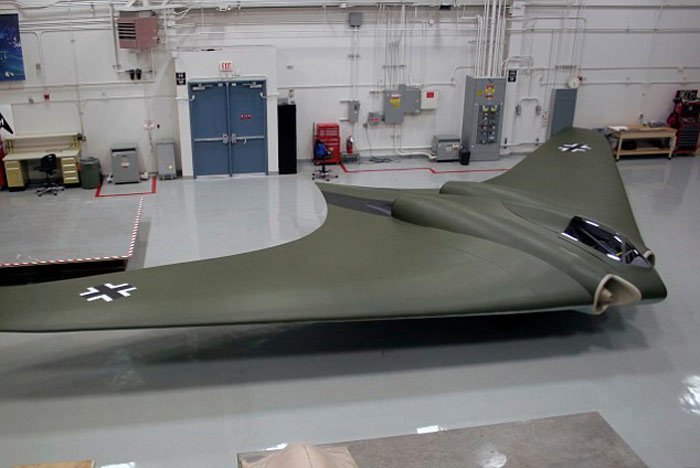
The Horten Ho 229 being restored at Steven F. Udvar-Hazy Center (Credits: Cynrik de Decker)
The wing’s chord/thickness ratio ranged from 15% at the root to 8% at the wingtips. The aircraft utilized retractable tricycle landing gear, with the nosegear on the first two prototypes sourced from a He 177’s tailwheel system, with the third prototype using an He 177A main gear wheelrim and tire on its custom-designed nosegear strutwork and wheel fork. A drogue parachute slowed the aircraft upon landing. The pilot sat on a primitive ejection seat. A special pressure suit was developed by Dräger. The aircraft was originally designed for the BMW 003 jet engine, but that engine was not quite ready, and the Junkers Jumo 004 engine was substituted.
Control was achieved with elevons and spoilers. The control system included both long-span (inboard) and short-span (outboard) spoilers, with the smaller outboard spoilers activated first. This system gave a smoother and more graceful control of yaw than would a single-spoiler system.
Given the difficulties in design and development, Russell Lee, the chair of the Aeronautics Department at the National Air and Space Museum, suggests an important purpose of the project for the Horten Brothers was to prevent them and their workers from being assigned to more dangerous roles by the German military.

The Horten Ho 229 being restored at Steven F. Udvar-Hazy Center
The first prototype H.IX V1, an unpowered glider with fixed tricycle landing gear, flew on 1st March 1944. Flight results were very favorable, but there was an accident when the pilot attempted to land without first retracting an instrument-carrying pole extending from the aircraft. The design was taken from the Horten brothers and given to Gothaer Waggonfabrik. The Gotha team made some changes: they added a simple ejection seat, dramatically changed the undercarriage to enable a higher gross weight, changed the jet engine inlets, and added ducting to air-cool the jet engine’s outer casing to prevent damage to the wooden wing.
The H.IX V1 was followed in December 1944 by the Junkers Jumo 004-powered second prototype H.IX V2; the BMW 003 engine was preferred, but unavailable. Göring believed in the design and ordered a production series of 40 aircraft from Gothaer Waggonfabrik with the RLM designation Ho 229, even though it had not yet taken to the air under jet power. The first flight of the H.IX V2 was made in Oranienburg on 2nd February 1945. All subsequent test flights and development were done by Gothaer Waggonfabrik. By this time, the Horten brothers were working on a turbojet-powered design for the Amerika Bomber contract competition and did not attend the first test flight. The test pilot was Leutnant Erwin Ziller. Two further test flights were made: on 2nd February 1945 and on 18th February 1945. Another test pilot used in the evaluation was Heinz Scheidhauer .

The Horten Ho 229 being restored at Steven F. Udvar-Hazy Center (Credits: Cynrik de Decker)
The H.IX V2 reportedly displayed very good handling qualities, with only moderate lateral instability (a typical deficiency of tailless aircraft). While the second flight was equally successful, the undercarriage was damaged by a heavy landing caused by Ziller deploying the brake parachute too early during his landing approach. There are reports that during one of these test flights, the H.IX V2 undertook a simulated “dog-fight” with a Messerschmitt Me 262, the first operational jet fighter, and that the H.IX V2 outperformed the Me 262.
Two weeks later, on 18th February 1945, disaster struck during the third test flight. Ziller took off without any problems to perform a series of flight tests. After about 45 minutes, at an altitude of around 800 m, one of the Jumo 004 turbojet engines developed a problem, caught fire and stopped. Ziller was seen to put the aircraft into a dive and pull up several times in an attempt to restart the engine and save the precious prototype. Ziller undertook a series of four complete turns at 20° angle of bank. Ziller did not use his radio or eject from the aircraft. He may already have been unconscious as a result of the fumes from the burning engine. The aircraft crashed just outside the boundary of the airfield. Ziller was thrown from the aircraft on impact and died from his injuries two weeks later. The prototype aircraft was completely destroyed.

Unloading of captured Horten Ho 229 V3 in the USA
Despite this setback, the project continued with sustained energy. On 12th March 1945, nearly a week after the U.S. Army had launched Operation Lumberjack to cross the Rhine River, the Ho 229 was included in the Jäger-Notprogramm (Emergency Fighter Program) for accelerated production of inexpensive “wonder weapons”. The prototype workshop was moved to the Gothaer Waggonfabrik (Gotha) in Friedrichroda, western Thuringia. In the same month, work commenced on the third prototype, the Ho 229 V3.
The V3 was larger than previous prototypes, the shape being modified in various areas, and it was meant to be a template for the pre-production series Ho 229 A-0 day fighters, of which 20 machines had been ordered. The V3 was meant to be powered by two Jumo 004C engines, with 10% greater thrust each than the earlier Jumo 004B production engine used for the Me 262A and Ar 234B, and could carry two MK 108 30 mm cannons in the wing roots. Work had also started on the two-seat Ho 229 V4 and Ho 229 V5 night-fighter prototypes, the Ho 229 V6 armament test prototype, and the Ho 229 V7 two-seat trainer.

Horten Ho 229 at the Mary Baker Engen Restoration Hangar in VA with detached plywood wings
During the final stages of the war, the U.S. military initiated Operation Paperclip, an effort to capture advanced German weapons research, and keep it out of the hands of advancing Soviet troops. A Horten glider and the Ho 229 V3, which was undergoing final assembly, were transported by sea to the United States as part of Operation Seahorse for evaluation. On the way, the Ho 229 spent a brief time at RAE Farnborough in the UK, during which it was considered whether British jet engines could be fitted, but the mountings were found to be incompatible with the early British turbojets, which used larger-diameter centrifugal compressors as opposed to the slimmer axial-flow turbojets the Germans had developed. The Americans were just starting to create their own axial-compressor turbojets before the war’s end, such as the Westinghouse J30, with a thrust level only approaching the BMW 003A’s full output.

Rear view of Horten Ho 229 prototype
The only surviving Ho 229 airframe, the V3—and the only surviving World War II-era German jet prototype still in existence—has been at the Smithsonian National Air and Space Museum’s Paul E. Garber Restoration Facility in Suitland, Maryland, U.S. In December 2011, the National Air and Space Museum moved the Ho 229 into the active restoration area of the Garber Restoration Facility, and it is being reviewed for full restoration and display. The central section of the V3 prototype was meant to be moved to the Smithsonian NASM’s Steven F. Udvar-Hazy Center in late 2012 to commence a detailed examination of it before starting any serious conservation/restoration efforts and has been cleared for the move to the Udvar-Hazy facility’s restoration shops as of summer 2014, with only the NASM’s B-26B Marauder Flak Bait medium bomber ahead of it for restoration, within the Udvar-Hazy facility’s Mary Baker Engen Restoration Hangar. As of early 2018, the surviving Horten Ho 229 has been moved to display in the main hall, alongside other WWII German aircraft.

Horten Ho 229 V3 prototype at the Smithsonian’s Garber restoration facility (National Air and Space Museum)
Radar absorbent material (RAM)
After the war, Reimar Horten said he mixed charcoal dust in with the wood glue to absorb electromagnetic waves (radar), which he believed could shield the aircraft from detection by British early-warning ground-based radar that operated at 20 to 30 MHz, with a wavelength of 10 to 15m (top end of the HF band), known as Chain Home.
A team of engineers from Northrop Grumman ran electromagnetic tests on the V3’s multilayer wooden center-section nose cones. They tested over a frequency range of 12 to 117 THz, with wavelengths of the order of 10 microns. The cones are 19 mm (0.75 in) thick and made from thin sheets of veneer. The team concluded that there was some form of conducting element in the glue, as the radar signal attenuated considerably as it passed through the cone. The Smithsonian Institution has performed a technical study of the materials used and determined that there is “no evidence of carbon black or charcoal in the Horten jet” thus invalidating the proposed mechanism for an essentially non-existent radar absorbent property as compared to the control sample of plywood used in the original testing.

Radar-testing H.IX V3 reproduction at the San Diego Air and Space Museum
Radar cross section (RCS) and shape
A jet-powered flying wing design such as the Horten Ho 229 has a smaller radar cross-section (RCS) than conventional contemporary twin-engine aircraft because the wings blended into the fuselage and there are no large propeller disks or vertical and horizontal tail surfaces to provide a typical identifiable radar signature.
In early 2008, Northrop Grumman paired up television documentary producer Michael Jorgensen and the National Geographic Channel to produce a documentary to determine whether the Ho 229 was the world’s first true “stealth” fighter-bomber. Northrop Grumman built a full-size non-flying reproduction of the V3, made out of wood primarily, unlike the original aircraft which had an extensive steel space-frame to which the wooden skin was bolted. The space-frame for the real aircraft was made from steel tubes up to 160mm in diameter, and provided the entire structure for the center section of the aircraft. After an expenditure of about US$250,000 and 2,500 man-hours, Northrop’s Ho 229 reproduction was tested at the company’s RCS test range at Tejon, California, where it was placed on a 15-meter (50 ft) articulating pole and exposed to electromagnetic energy sources from various angles, using the same three HF/VHF-boundary area frequencies in the 20–50 MHz range used by the Chain Home.
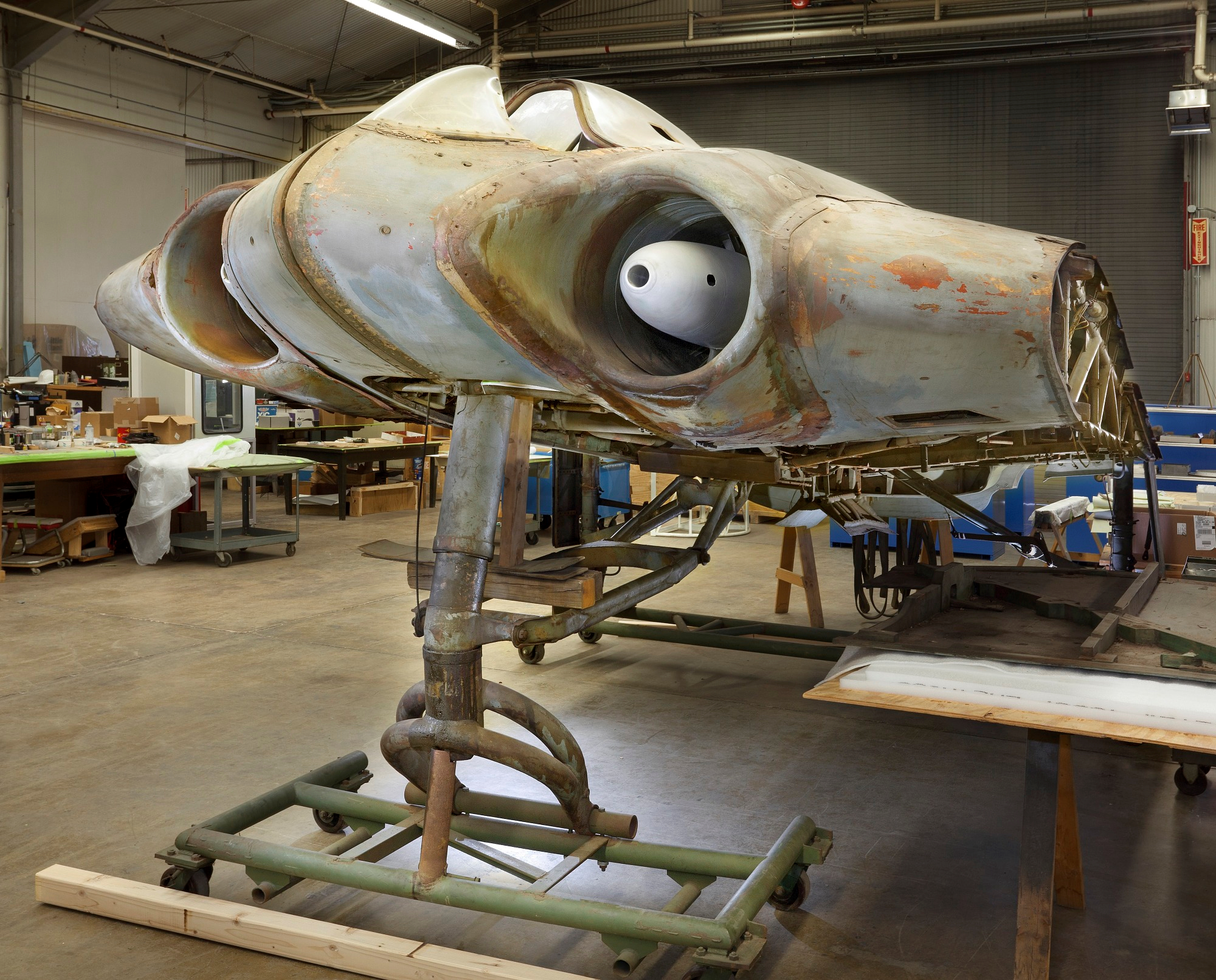
Horten Ho 229
Radar simulations showed that a hypothetical Ho 229, with the radar characteristics of the mockup which had neither metal frame nor engines, approaching the English coast from France flying at 885 kilometres per hour (550 mph) at 15–30 metres (49–98 ft) above the water would have been visible to CH radar at a distance of 80% that of a Bf 109 This implies a frontal RCS of only 40% that of a Bf 109 at the Chain Home frequencies.
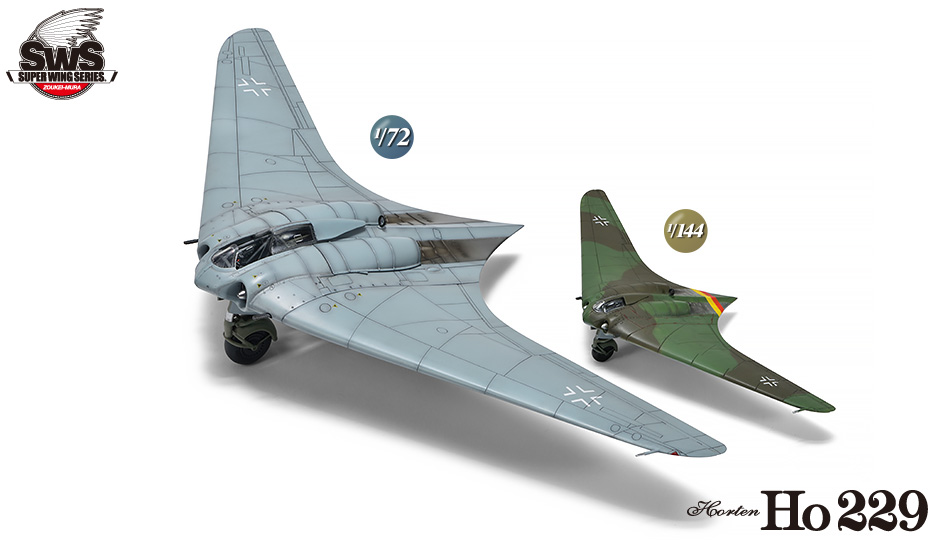
Zoukei-Mura Horten Ho 229 new model kit announcement.
The Horten H.IX, RLM designation Ho 229 (or Gotha Go 229 for extensive re-design work done by Gotha to prepare the aircraft for mass production) was a German prototype fighter/bomber initially designed by Reimar and Walter Horten to be built by Gothaer Waggonfabrik late in World War II. It was the first flying wing to be powered by jet engines.
Check out the Horten Ho 229 model kit from Zoukei-Mura now available to pre-order from Flying Tigers. Please click on the image below to go straight to the model page.
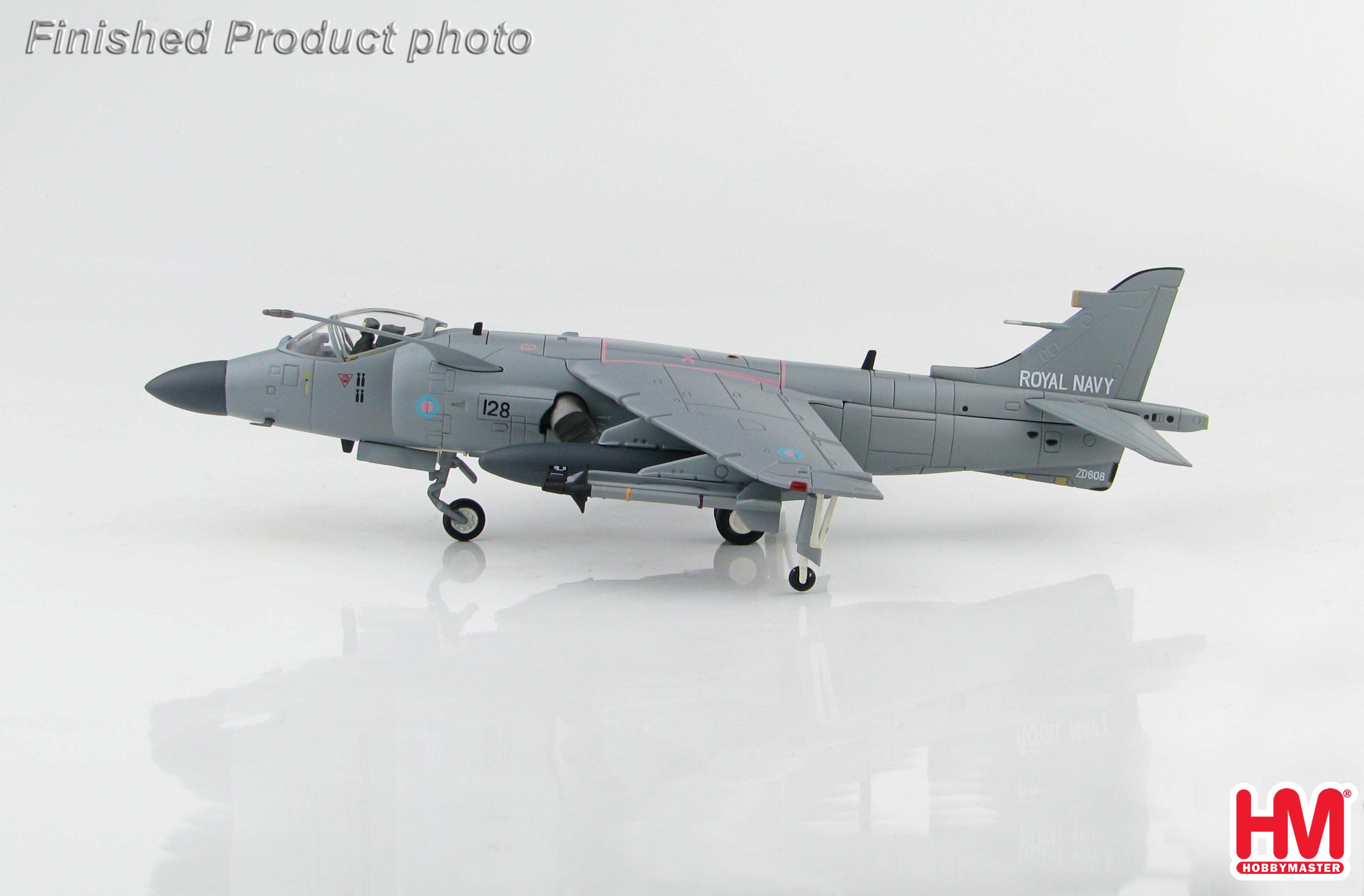
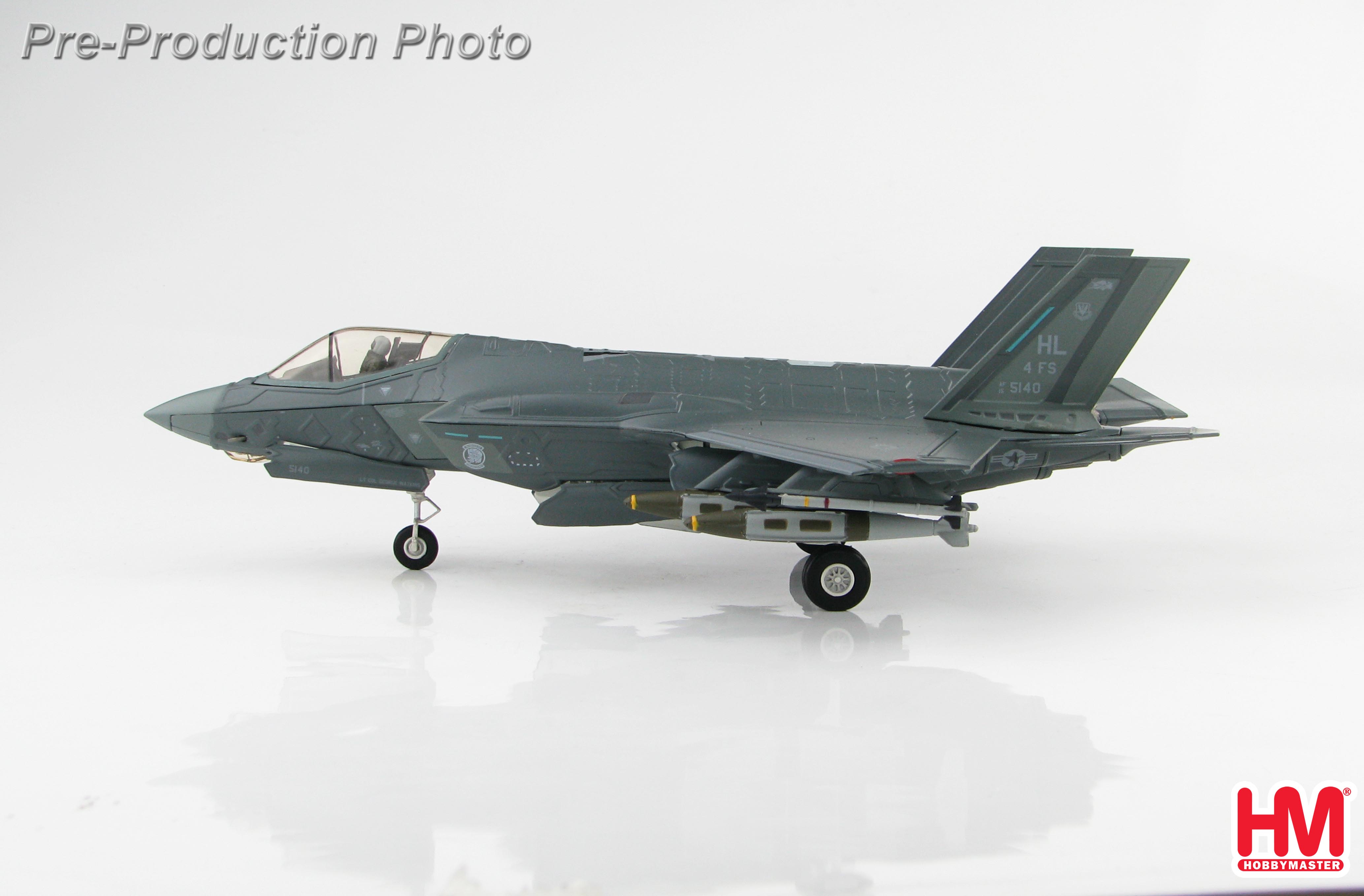
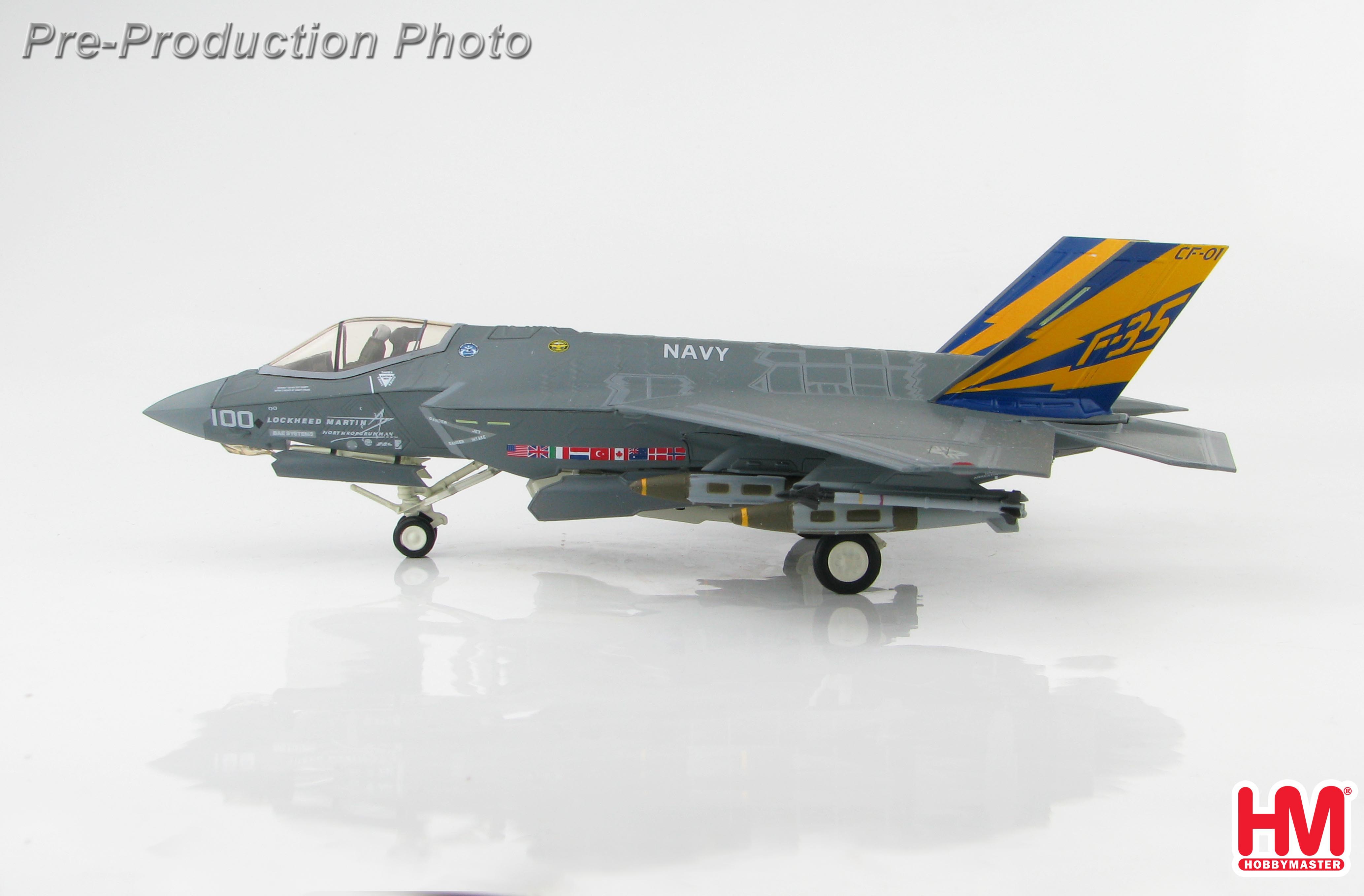
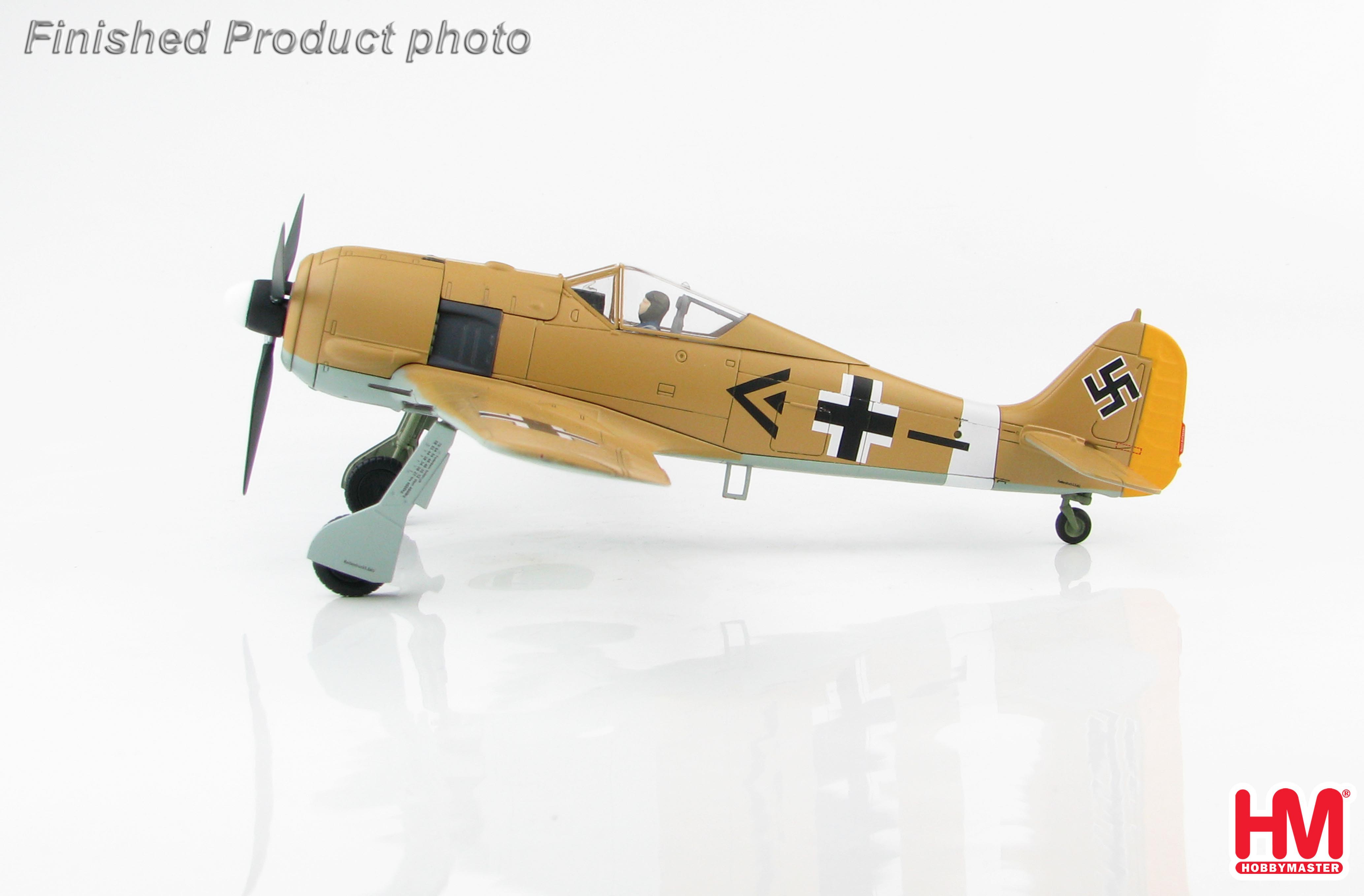
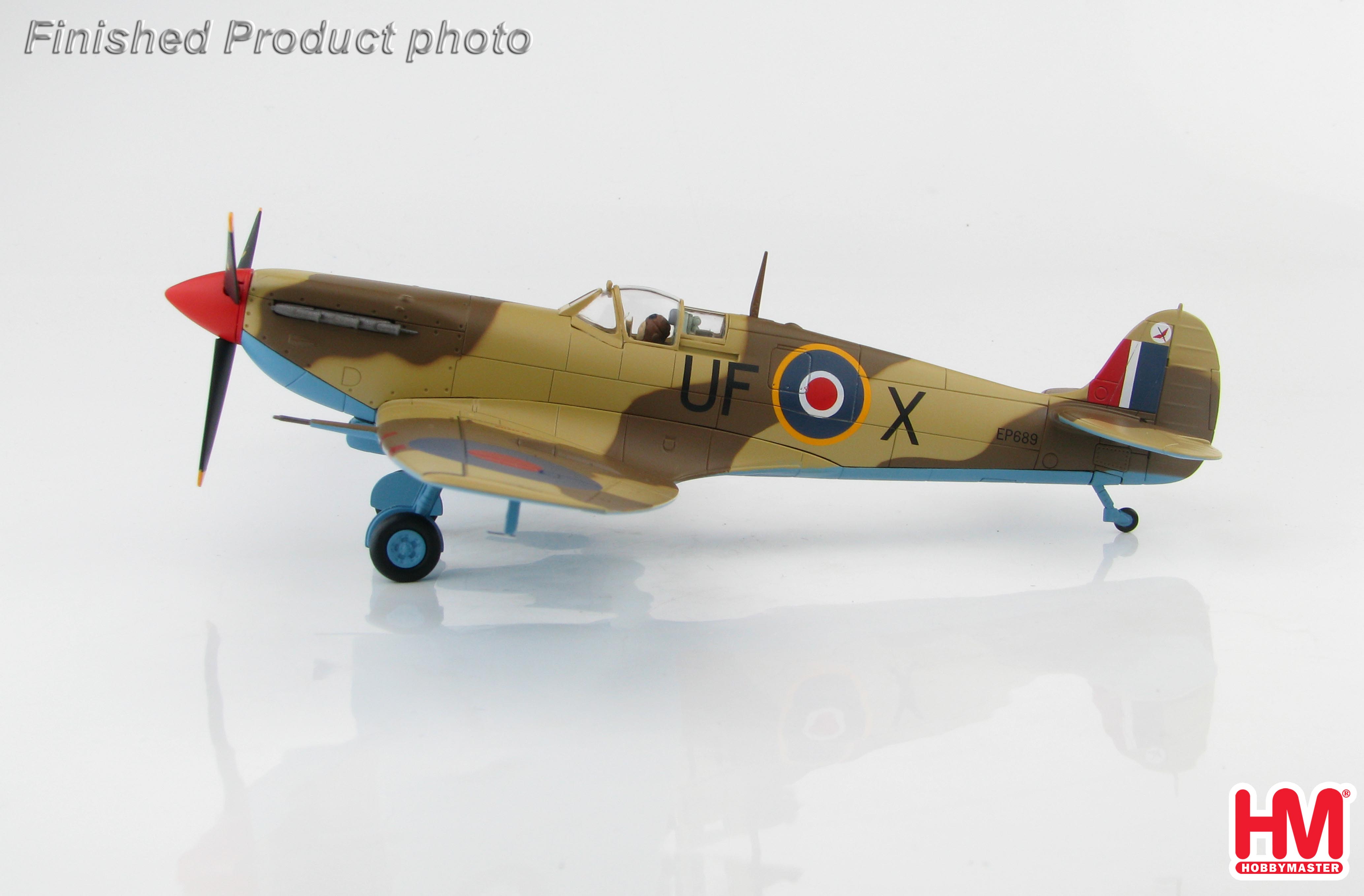
Hobbymaster new model arrivals now in stock.
New Hobbymaster models have arrived. Just a few left now after all the pre-orders have been dispatched.
Please click on the images / links below to go to the model of your choice, or CLICK HERE to see them all in the Future Models section.




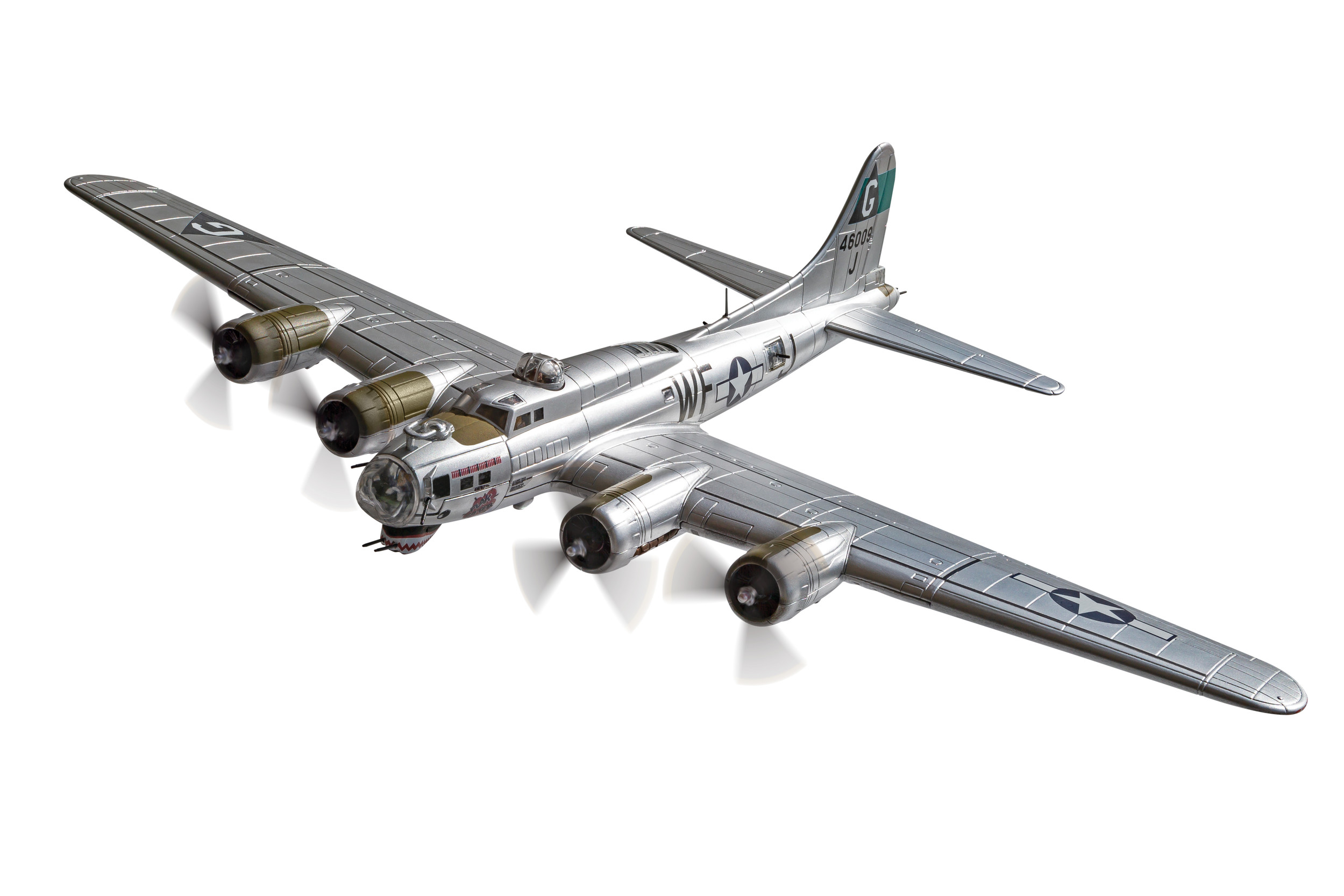
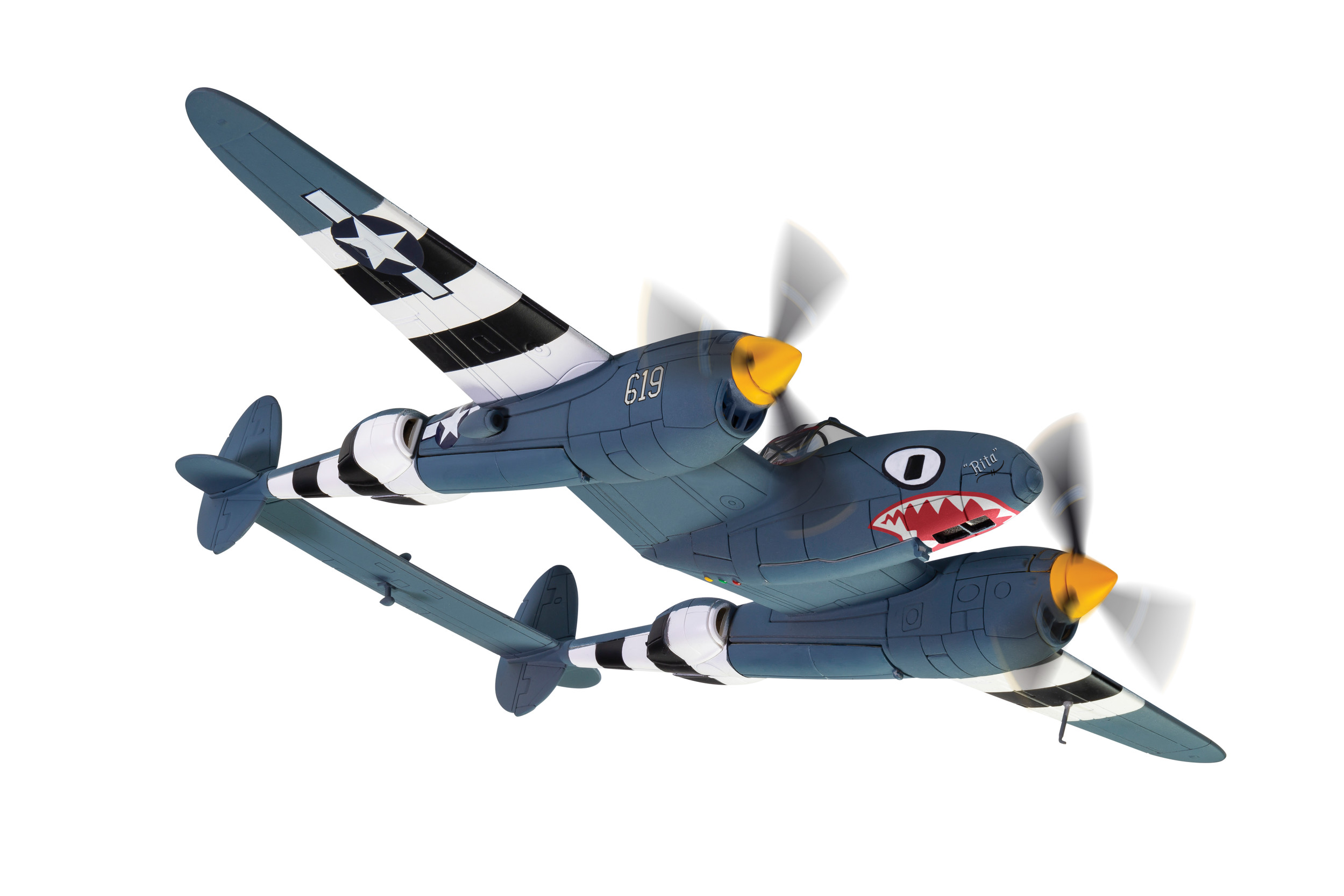
Corgi Aviation Archive model arrivals now in stock.
The following models are now in stock. If you haven’t ordered yours yet don’t delay, not many left. Please click on the photo of your choice to go straight to the model page.
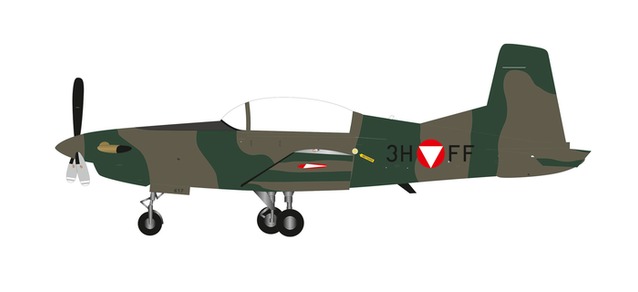
Herpa 1/72nd scale new model announcements
Check out the latest Herpa 1/72nd scale new model announcements. Please click on the images below to go straight to the model page of your choice to order now. Click HERE to see all Herpa 1/72nd scale models available from Flying Tigers.

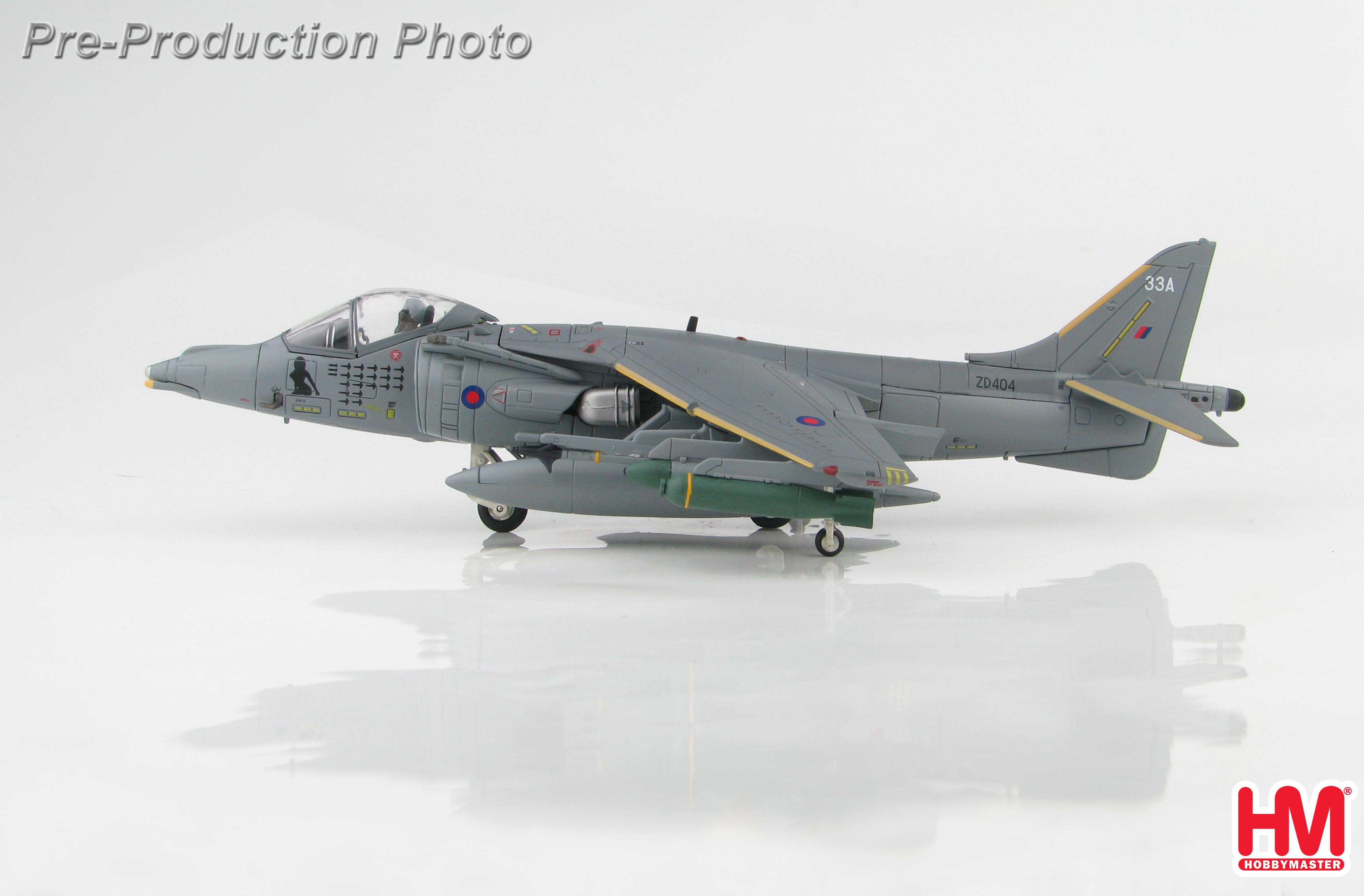
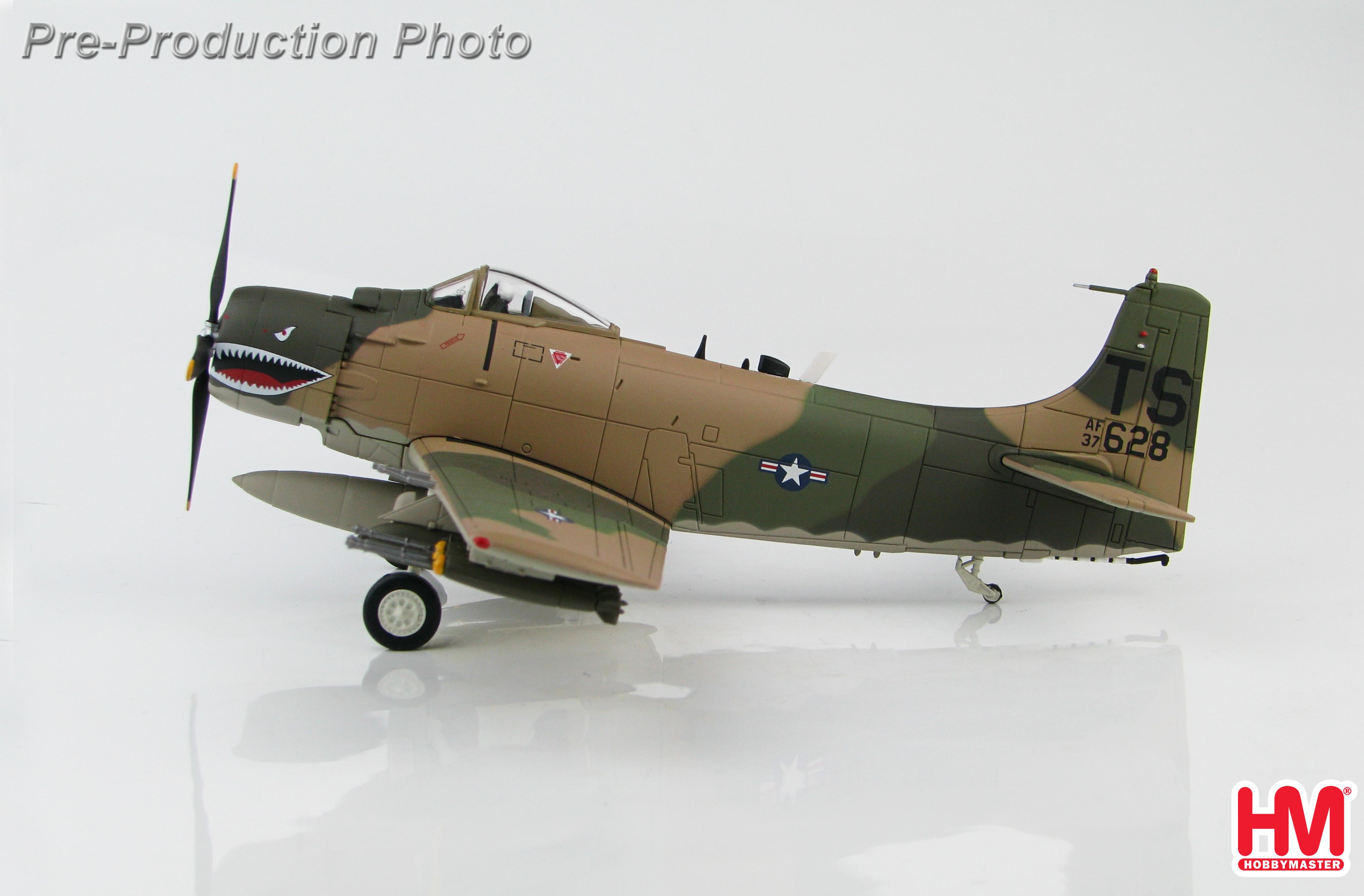
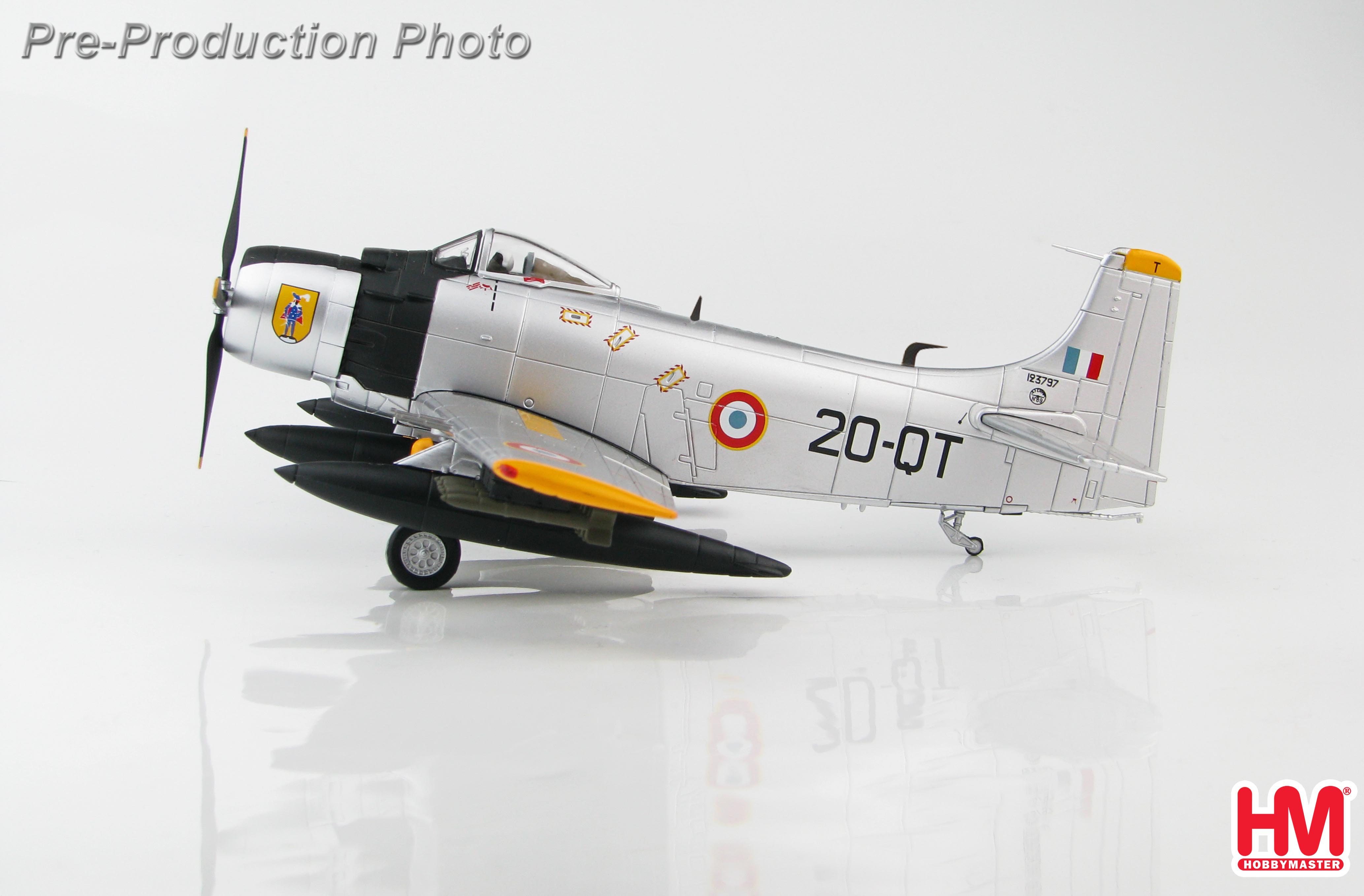
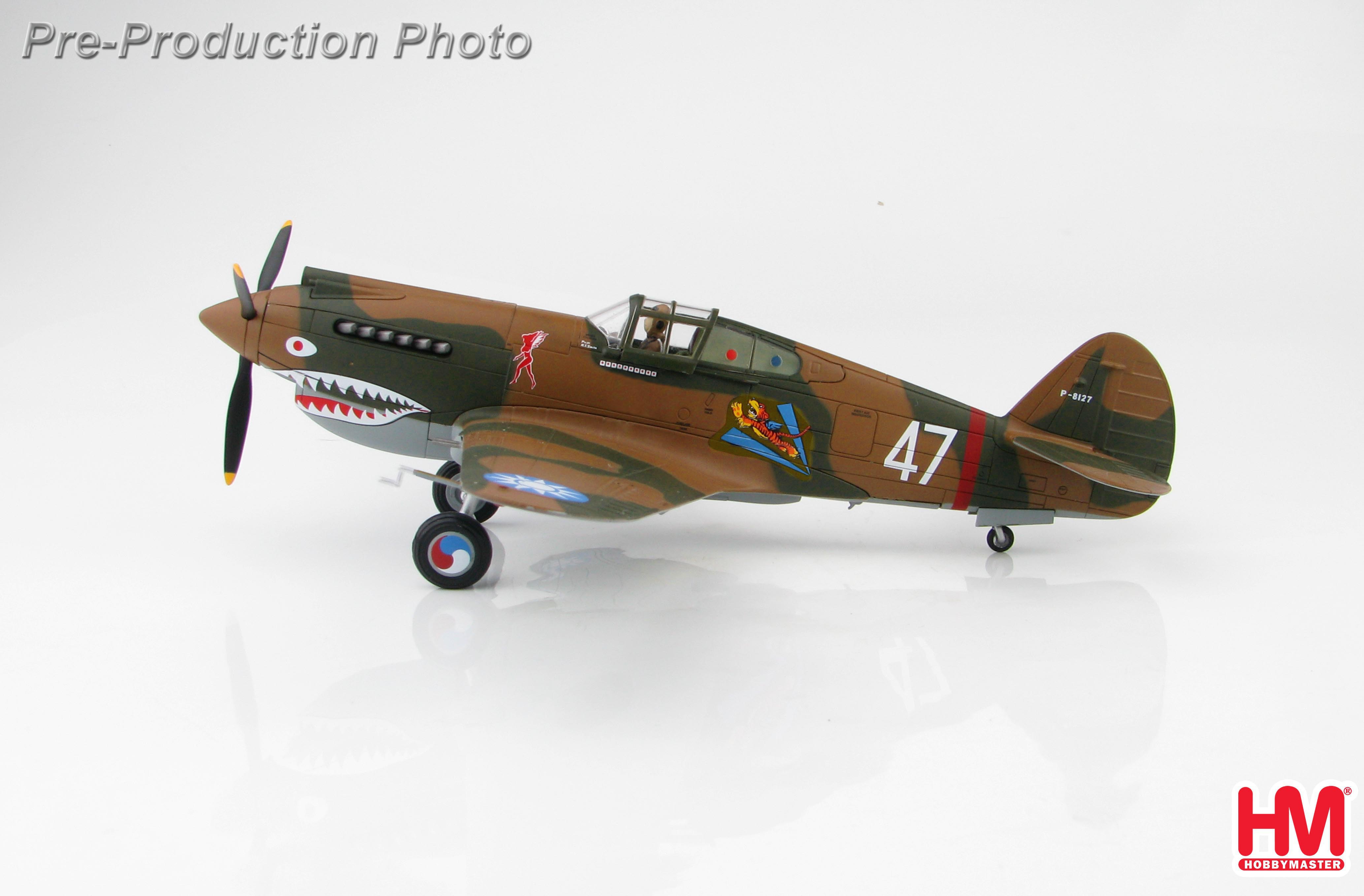
Hobbymaster New model arrivals in two weeks.
New Hobbymaster models are due to arrive in the next two weeks and are available to pre-order at Flying Tigers today. If you want any of these models it is always safer to pre-order as quantities are very limited.
Don’t forget NO DEPOSIT necessary with Flying Tigers and if you order with your debit or credit card your payment is not taken until your model is available to dispatch.
Flying Tigers will also consolidate your orders to save on postage costs across all brands !
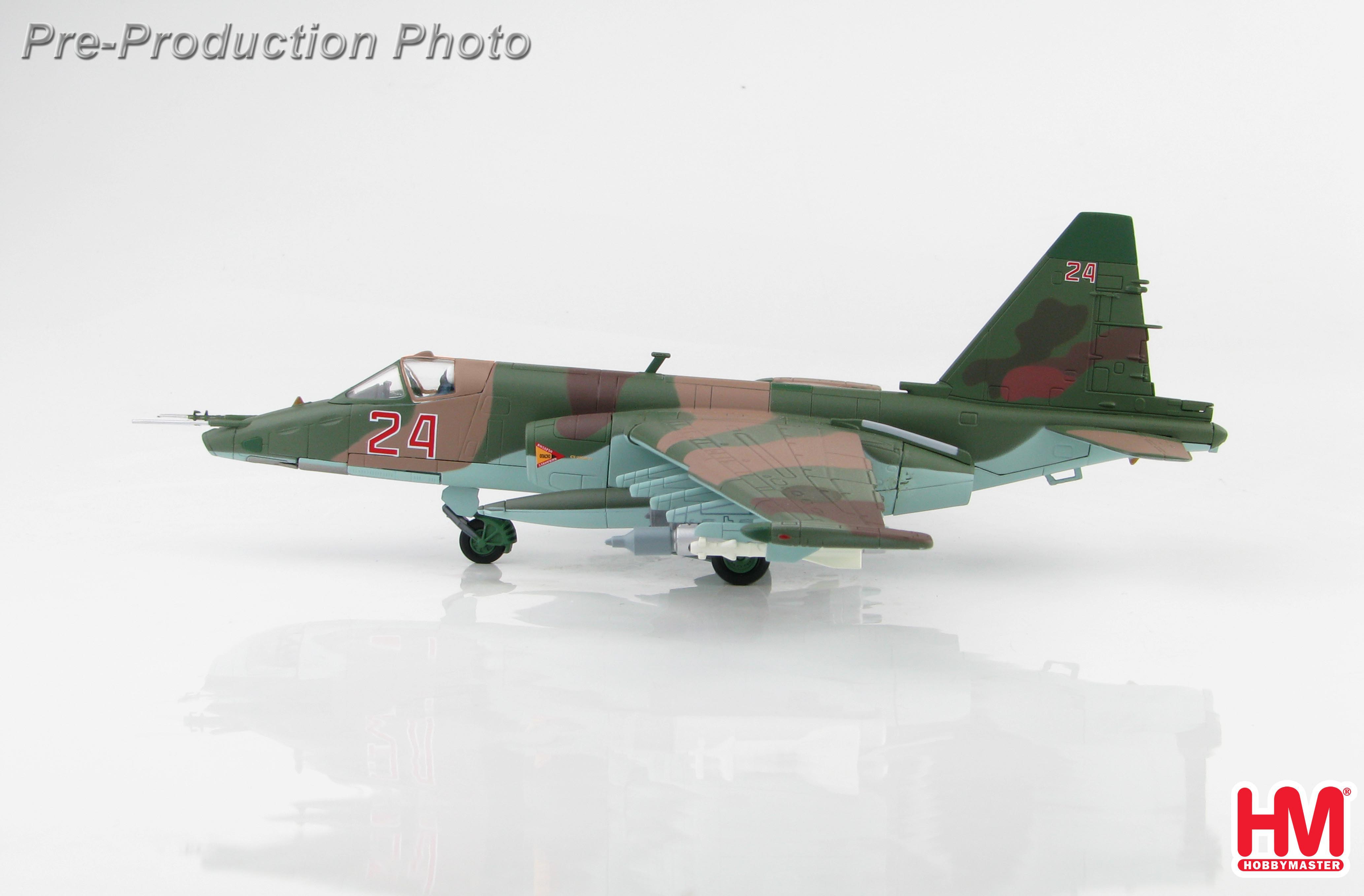
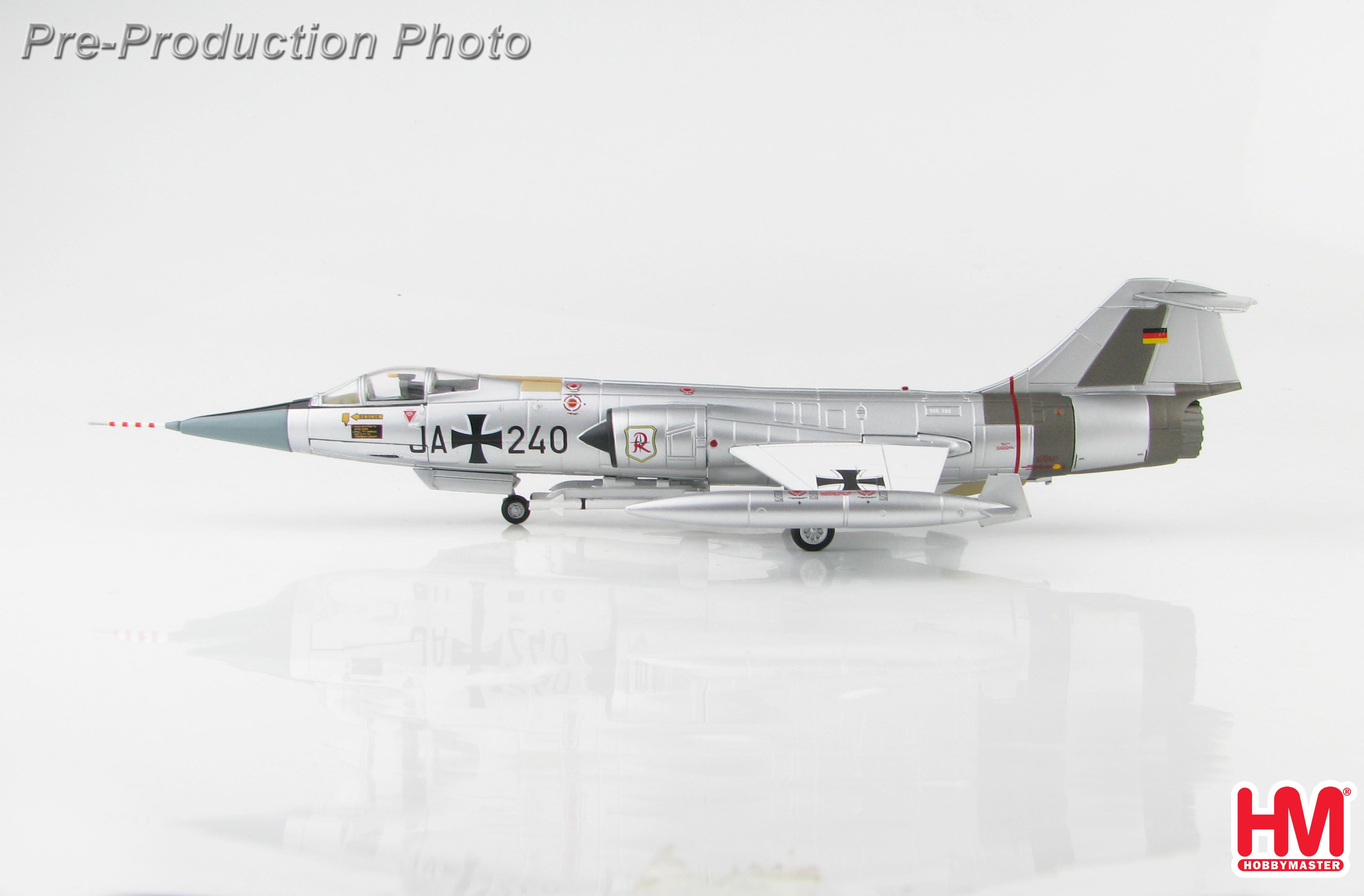
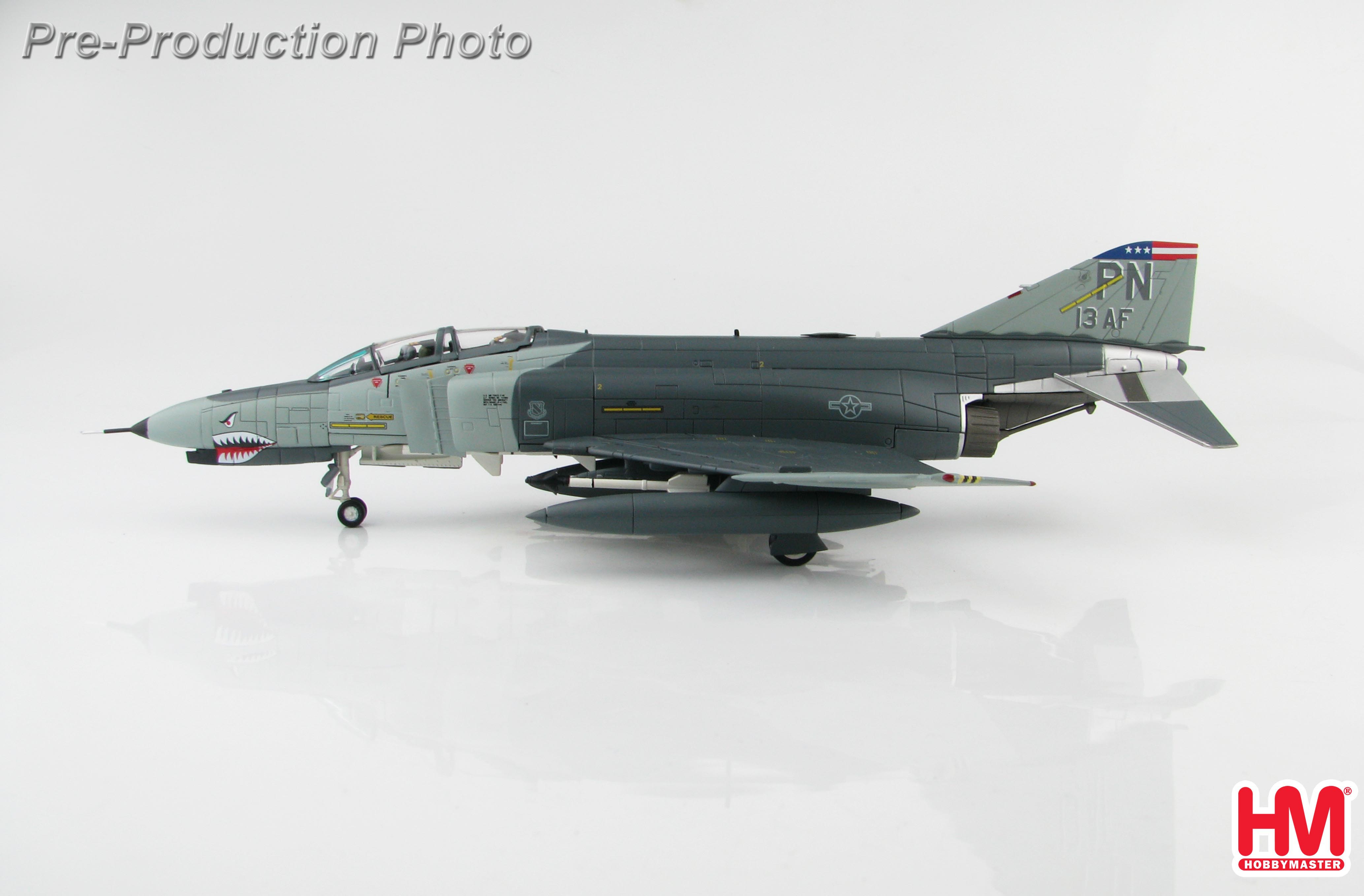
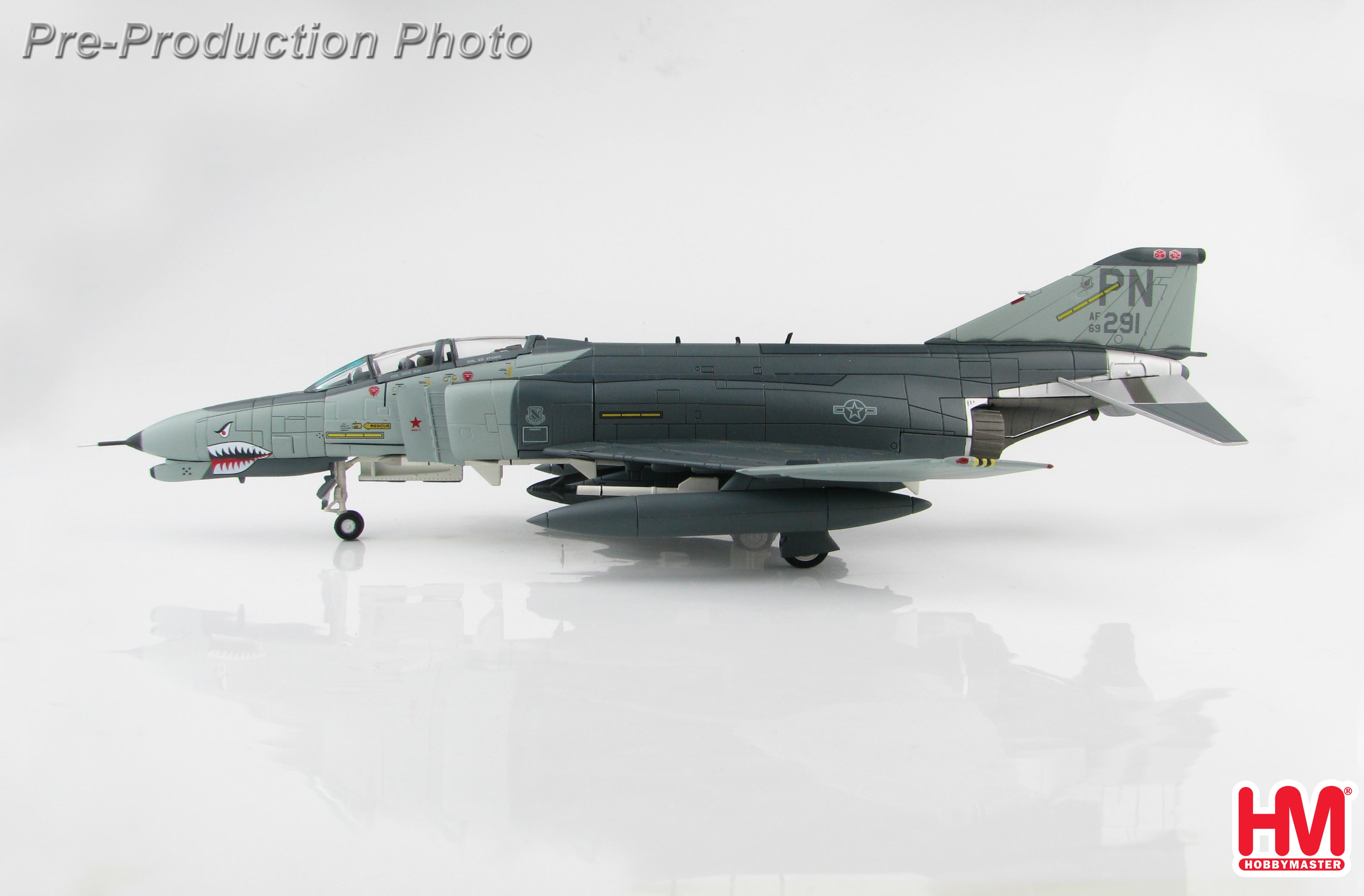
Please click on the images / links below to go to the model of your choice, or CLICK HERE to see them all in the Future Models section.


That’s all for this week.
Thank you for reading this week’s Newsletter.
Richard.
Flying Tigers.