Sukhoi Su-27UB in July 2011.
The Ukrainian Air Force is a part of the Armed Forces of Ukraine. Ukrainian Air Force headquarters is located in the city of Vinnytsia. When the Soviet Union dissolved in 1991, a large number of aircraft were left on Ukrainian territory. Ever since, the Ukrainian air force has been downsizing and upgrading its forces. In spite of these efforts, the main inventory of the air force consists of Soviet-made aircraft. Currently 36,300 personnel and 144 aircraft are in service in the Ukrainian air force and air defence forces but approximately only eighty aircraft are airworthy. All ICBMs and strategic bombers have been taken out of service (some however were given to Russia). Since 1991’s Ukrainian independence the air force has suffered from chronic underinvestment, leading to the bulk of its inventory becoming mothballed or otherwise becoming inoperable. Despite this Ukraine still possesses the world’s 27th largest air force and the 7th largest air force in Europe, largely due to the ability of its domestic defence industry Ukroboronprom and its Antonov subsidiary to maintain its older aircraft.
The air force currently takes part in the War in Donbass. Following the 5th September 2014 ceasefire Ukraine Air Force has been forbidden from carrying out missions in the contested areas of Donbass
The tasks of the Air Force of Ukraine are: winning operational air superiority, delivering air strikes against enemy units and facilities, covering troops against enemy air strikes, providing air support to the Land Force and the Navy, disrupting enemy military and state management, damaging and destroying enemy communication, and providing support by air in the form of reconnaissance, air drops, troops and cargo transportation.
The major mission of the Air Force is to protect the air space of Ukraine. In peace-time, this is carried out by flying air-space control missions over the entire territory of Ukraine (603,700 square km), and by preventing air space intrusion along the aerial borders (totaling almost 7,000 km, including 5,600 km of land and 1,400 km of sea). Every single day, more than 2,200 service personnel and civilian employees of the Air Force, employing 400 items of weapons and equipment, are summoned to perform defense duties. On average, the Ukrainian radar forces detect and track more than 1,000 targets daily. As a result, in 2006 two illegal crossings of the state border were prevented and 28 violations of Ukrainian air space were prevented. Due to such increased strengthening of air space control, the number of air space violations decreased by 35% compared to the previous year, even though the amount of air traffic increased by 30%.

Ukrainian Galician Army Nieuport 17
Ukrainian military aviation takes its roots from 1917 when in autumn was created an aviation of Ukrainian Army headed by former commander of the Kiev Military District Lieutenant Colonel Viktor Pavlenko. Previously during the World War I on the Eastern Front, Pavlenko was in charge of air security of the Russian Stavka.
Sometimes in 1918 the West Ukrainian People’s Republic created its own aviation corps with the Ukrainian Galician Army headed by Petro Franko, a son of renown Ukrainian writer Ivan Franko. In 1918 he organized an aviation school of the Ukrainian Galician Army Command Center which was active until 1920.
Among the airplanes used by the Ukrainian aviation were Belgium-built SPAD S.VIIs. The Ukrainian Galician Army used Nieuport 17 biplanes.

Ukrainian Su-25UB
The Ukrainian Air Force was established on March 17th, 1992, in accordance with a Directive of the General Staff Chief of the Armed Forces. The headquarters of the 24th Air Army of the Soviet Air Force in Vinnytsia served as the basis to create Air Force headquarters. Also present on Ukrainian soil were units of the former Soviet 5th, 14th, and 17th Air Armies, plus five regiments (185th, 251st, 260th, 341st Heavy Bomber Aviation Regiments and 199th Reconnaissance Aviation Regiment) of the 46th Air Army, Long Range Aviation. In addition, the 161st Maritime Fighter Aviation Regiment, at Limanskoye in Odessa Oblast, came under Ukrainian control. It had formerly been part of the 119th Maritime Fighter Aviation Division of the Black Sea Fleet.
The new Air Force inherited the 184th Guards Heavy Bomber Aviation Regiment (201st Heavy Bomber Aviation Division) of Tupolev Tu-160 ‘Blackjack’ which were based at Pryluky. Discussions with Russia concerning their return bogged down. The main bone of contention was the price. While Russian experts, who examined the aircraft at Pryluky in 1993 and 1996, assessed their technical condition as good, the price of $3 billion demanded by Ukraine was unacceptable. The negotiations led to nowhere and in April 1998, Ukraine decided to commence scrapping the aircraft under the Nunn-Lugar Cooperative Threat Reduction Agreement. In November, the first Tu-160 was ostentatiously chopped up at Pryluky. In April 1999, immediately after NATO began air attacks against Serbia, Russia resumed talks with Ukraine about the strategic bombers. This time they proposed buying back eight Tu-160s and three Tu-95MS models manufactured in 1991 (those in the best technical condition), as well as 575 Kh-55MS missiles. An agreement was finally reached and a contract valued at $285 million was signed. That figure was to be deducted from Ukraine’s debt for natural gas. A group of Russian military experts went to Ukraine on 20th October 1999 to prepare the aircraft for the trip to Engels-2 air base. Between November 1999 and February 2001 the aircraft were transferred to Engels. One Tu-160 remains on display in Poltava.

An Mi-8 helicopter on lift off from the military training academy in Odessa
Ukraine also had Tupolev Tu-22s, Tupolev Tu-22Ms and Tupolev Tu-95s for a period after the collapse of the Soviet Union. The 106th Heavy Bomber Aviation Division, part of the 37th Air Army operated some of them. However, these have all been scrapped, apart from a handful displayed in museums. TU-16 and TU-22M bombers were among the aircraft destroyed under the Conventional Forces in Europe treaty. It is reported that Tu-16s based with the 251st Heavy Bomber Aviation Regiment at Belaya Tserkov were dismantled in 1993. By 1995, the IISS Military Balance 1995/96 listed no Tu-22 Blinders in service, though a listing for one division HQ and two regiments of Tu-22M Backfires remained in the Military Balance from 1995/96 to 2000/01.
From January 24th, 1992, after the collapse of the USSR, 28th Air Defence Corps, previously subordinate to 2nd Air Defence Army was transferred under the 8th Air Defence Army of Ukraine. Units stationed in Moldova were transferred to the Moldovan Armed Forces (275th Guards Anti-Aircraft Rocket Brigade, battalions and companies from the 14th Radio-Technical Brigade). There were about 67,000 air defence troops in 1992. The headquarters of the Ukrainian Air Defence Forces was formed on the basis of HQ 8th Air Defence Army. There were also three air defence corps: the 28th (Lvov), 49th (Odessa), and 60th (Dnipropetrovsk). Holm reports that all three air defence corps were taken over by Ukraine on 1st February 1992, and that the 28th ADC became the Western AD Region on 1st June 1992. The first issue of the Military Balance after the Soviet collapse, 1992–93, listed one Air Defence army, 270 combat aircraft, and seven regiments of Su-15s (80), MiG-23s (110) and MiG-25s (80). By March 1994 Air Forces Monthly reported three air defence regions: the Southern with the 62nd and 737th Fighter Aviation Regiments, the Western with the 92nd (transferred from 14th Air Army and based at Mukachevo), 179th, and 894th Fighter Aviation Regiments (from 28th AD Corps/2nd Air Defence Army), and the Central with the 146th (Vasilkov), 636th (Kramatorsk, seemingly disbanded 1996 and its Su-15s broken up for scrap), and 933rd Fighter Aviation Regiments. The Military Balance 95/96 said that six fighter regiments had been disbanded.

An Aero L-39C Albatros on the taxi way
In March 1994 the 14th Air Army became the 14th Air Corps, and on 18 March 1994 the 5th Air Army was redesignated the 5th Air Corps. The two air corps remained active in 1996: the 14th in the Carpathian MD and the 5th in the Odessa MD, which by that time incorporated the former Kiev MD area. The long-range bomber division at Poltava was still operational, reporting directly to Air Force headquarters. This division headquarters was probably the 13th Guards Heavy Bomber Aviation Division.
Since 1991’s Ukrainian independence the air force has suffered from chronic underinvestment, leading to the bulk of its inventory becoming mothballed or otherwise becoming inoperable.
The structural reorganization of the Air Force had set as goals for itself the sufficient reduction in the total number of command and control levels, and increasing the efficiency of command and control processes. The reorganization of command and control elements of the air force is still underway. The first step of this organization was to transition from the existing air commands to the Command and Control and warning center systems. This will not only help eliminate duplications at the command and control levels, but will also contribute to an increased centralization of the command and control system, the multi-functionality of the command and control elements, and effectiveness of response to the change of air conditions. 2006 saw the definition of the functions and tasks, organization and work of the C2 and Warning Center as well as the mechanism of interaction with the establishment of the Air Operations Center and Joint Operational Command. During the command and staff exercise one of the Air Force Commands has in effect performed control of “C2 and Warning Center – formation (unit)” level.

Ukrainian MiG-29
The An-24 and An-26 aircraft, as well as the anti-aircraft artillery systems S-300 and “Buk M1”, have been continually modernized, and their service life has been extended. An organizational basis and technological means for modernizing MiG-29, Su-24, Su-25, Su-27, L-39 has been produced. Given sufficient funding from the Verkhovna Rada, the Defence Industrial Complex of Ukraine, in cooperation with foreign companies and manufacturers, is capable of fully renewing the aircraft arsenal of the Ukrainian armed forces.
In 2005, the UAF was planning to restructure in an effort to improve efficiency. Moreover, Ukraine was planning to put more advanced jet aircraft into service in upcoming years. Possibly buying newer SU-27s and MiG-29s from Russia. The plans were that from approximately 2012, Ukraine would have to either take bold steps to create a new combat aircraft or purchase a large number of existing combat aircraft. Due to the lack of funding however, technical modernization was continually postponed. The Ukrainian air-force continued to use armament and military equipment which functioned mainly thanks to so-called ‘cannibalization’ (obtaining spare parts from other units), thus gradually depleting their total capabilities. Faced with the threat of losing military capability, initiating the process of technical modernization became a necessity.

Ukranian Sukoi Su-24M MR of the 7th brTA Tactical Aviation Brigade Starokostyantyniv
In 2006, a large number of aging weapons and equipment were decommissioned from combat service by the Air Force. This presented an opportunity to use the released funds to the modernization of various items of aviation and anti-aircraft artillery weapons and equipment, radio communication equipment, and flight maintenance equipment, as well as an improvement of Air Force personnel training.
In 2011 International Institute for Strategic Studies estimates that Ukraine’s Air Force includes one Sukhoi Su-24M regiment, 5 regiments with Mikoyan MiG-29s and Sukhoi Su-27, one regiment with Sukhoi Su-25, two squadrons with Sukhoi Su-24MR, three transport regiments, some support helicopter squadrons, one helicopter training regiment, and some air training squadrons with L-39 Albatros. The IISS said they were grouped into the 5th and 14th Aviation Corps, the 35th Aviation Group, which is a multi-role rapid reaction formation, and a training aviation command. The IISS assesses the overall force size as 817 aircraft of all types and 43,100 personnel. The aviation corps had actually be reorganised into regional air commands in about 2004. Russian sources list three aviation groups (West, South, and Centre.
The automated systems of collection, processing and transmission of radio information have been adopted as a component part of the Automated Command and Control System for aviation and air defense. Operational service testing of the circular surveillance radar station has also been completed. Prototypes of high-precision weapons systems, electronic warfare devices, and navigation equipment have been created and developed for state testing.

An Su-27 on take off from Belbek air base
Following the March 2014 Russian annexation of Crimea and the following violence and insurgency in east Ukraine, Ukraine tried to increase its defence spending and capabilities – with returning equipment to service being a key part of the spending drive. During the 2014 Crimean crisis the air force did not fight but lost several aircraft to Russia; most were returned to Ukraine. The air force is currently taking part in the conflict against the 2014 insurgency in Donbass. During this conflict it has lost several planes and helicopters.
In 2014, the air force announced that it will be bringing back 68 aircraft that have been in reserve since the collapse of the Soviet Union, including the Tupolev Tu-141 reconnaissance drone.
Since 12thuly 2014 the Ukrainian Air Force has been put on full combat alert. Around this date the Air Forces started restoring its former military airfields in Voznesensk, Buyalyk and Chervonohlynske (both in Odessa Oblast). Wall Street Journal published USA embassy in Kiev report that Ukraine lost 19 planes and helicopters in the period 22nd April – 22nd July 2014.
Ukraine inherited a large inventory of aircraft from the Soviet Union, these were mostly decommissioned and stored as the nation had little use or funding to keep a large fleet active. However, in 2014 Ukraine began a program of restoring the stored aircraft to active order. In April 2014 two MiG-29 aircraft were restored. In August a decommissioned An-26 transport aircraft was also restored to active service by a volunteer group. On 5th January 2015 the air force received another 4 newly restored airplanes, two MiG-29s and two Su-27s, as well as two Mi-8 and Mi-2 helicopters.

Ukrainian Air Force MiGs and Sukhois
As a result of the War in Donbass the government of Ukraine has realized the importance of drone surveillance in locating enemy troops and recommissioned 68 Soviet era Tu-141 drones to be repaired. Analysts point out that despite being designed in 1979 the Tu-141 has a powerful camera, it likely uses similar airborne radar and infrared sensor as the Soviet-era Su-24 which would make it prone to jamming by Russian forces as they use the same equipment.
A crowd funding project for a “people’s drone” was also conducted. The goal was to collect funds to purchase an already functioning American or Israeli drone. However, Ukrainian designers and engineers were able to build their own model based on the commercially available DJI Phantom 2 drone.
In October 2014 Students from Ivano-Frankivsk designed their own drone to be used in the War in Donbass. The newly build drone has the ability to broadcast footage live, unlike the Tu-141 which relies on film that must be recovered. The drone was built from off the shelf components and funded by volunteers. The drone was also stated to have an operational ceiling of 7,000 meters, a range of 25 kilometers, and cost about 4,000 USD to build.
Ukroboronprom has received an order for 2.5 million hryvnia ($166,000) to refit several Mil Mi-24 helicopter gunships part of which included fitting them with night vision capabilities. The Mi-24 proved to be highly vulnerable to Russian separatist attacks during the 2014 Russian military intervention in Ukraine. Besides captured planes on Crimea airbases the Mi-24 had the highest loss rate of all aircraft in Ukraine’s inventory, with 5 being shot down and 4 damaged during the conflict.

A Ukrainian Air Force Su-25M1
During the 2014 Crimean crisis the Ukrainian Air Force equipment in Crimea was seized by Russia during its annexation of Crimea. On 8th April 2014 an agreement had been reached between Russia and Ukraine “for the withdrawal of an undisclosed number of Ukrainian aircraft seized in Crimea”. It should be noted that the numbers below may not reflect actual inventory, due to combat losses during the current conflict in eastern Ukraine. Wall Street Journal on July 22nd has published USA embassy report from Kiev that rebels during the period 22nd April – 22nd July destroyed 19 Ukrainian aircraft.
According to an unverified October 2015 report by Swiss technology company RUAG the Air Force had lost nearly half of its (combat) aircraft (since early 2014).RUAG believed that 222 of the Air Force’s 400 aircraft had been lost

Ukranian Sukoi Su-24M/MR’s of the 7th brTA Tactical Aviation Brigade Starokostyantyniv
Ukrainian Air Force models available from Flying Tigers.
The following Ukranian Air Force models are available to order from Flying Tigers. Please click on the images / links below to go to the model page.
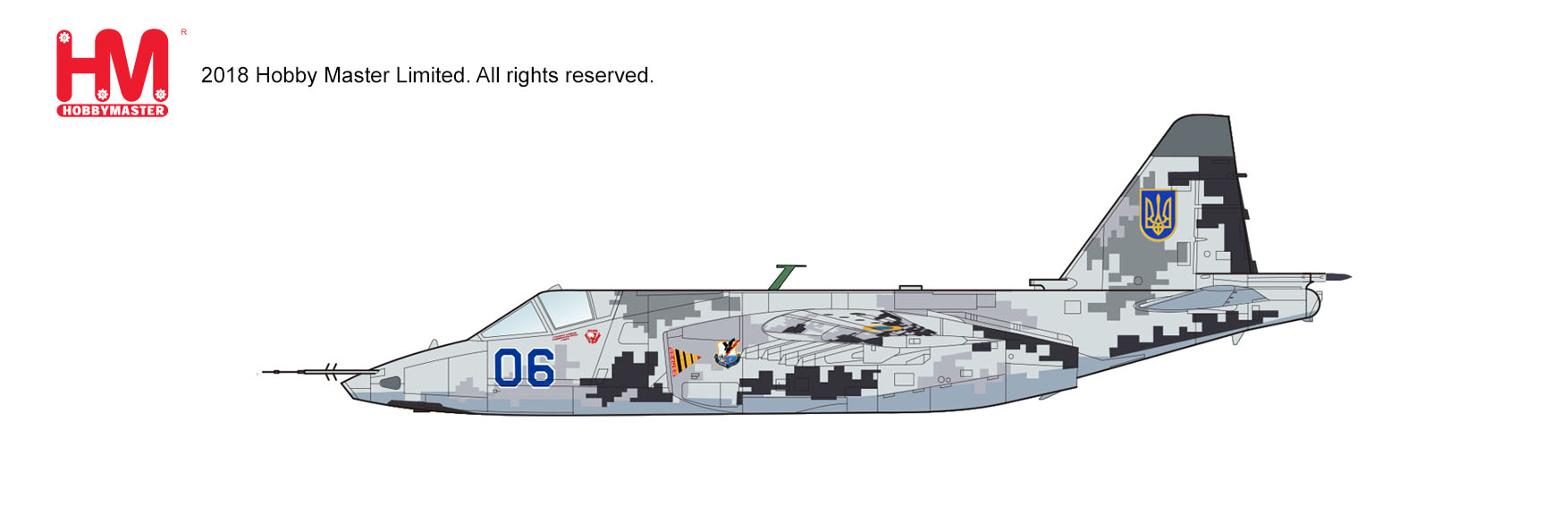
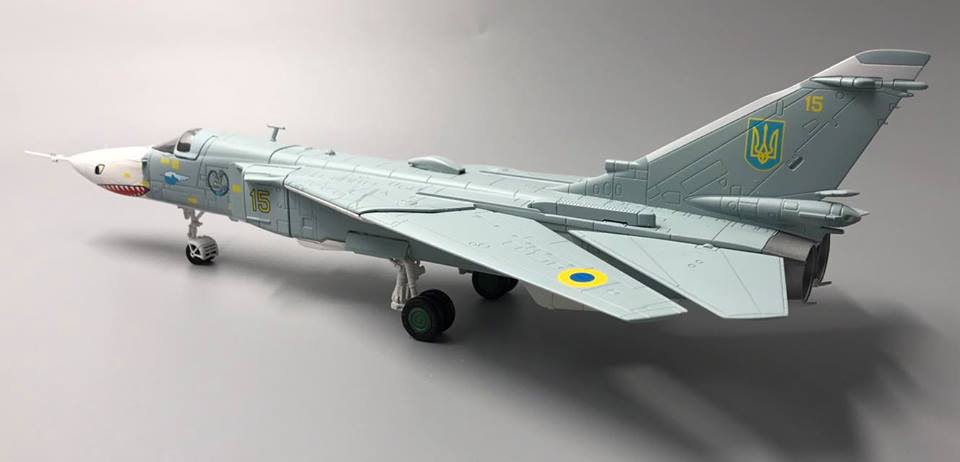
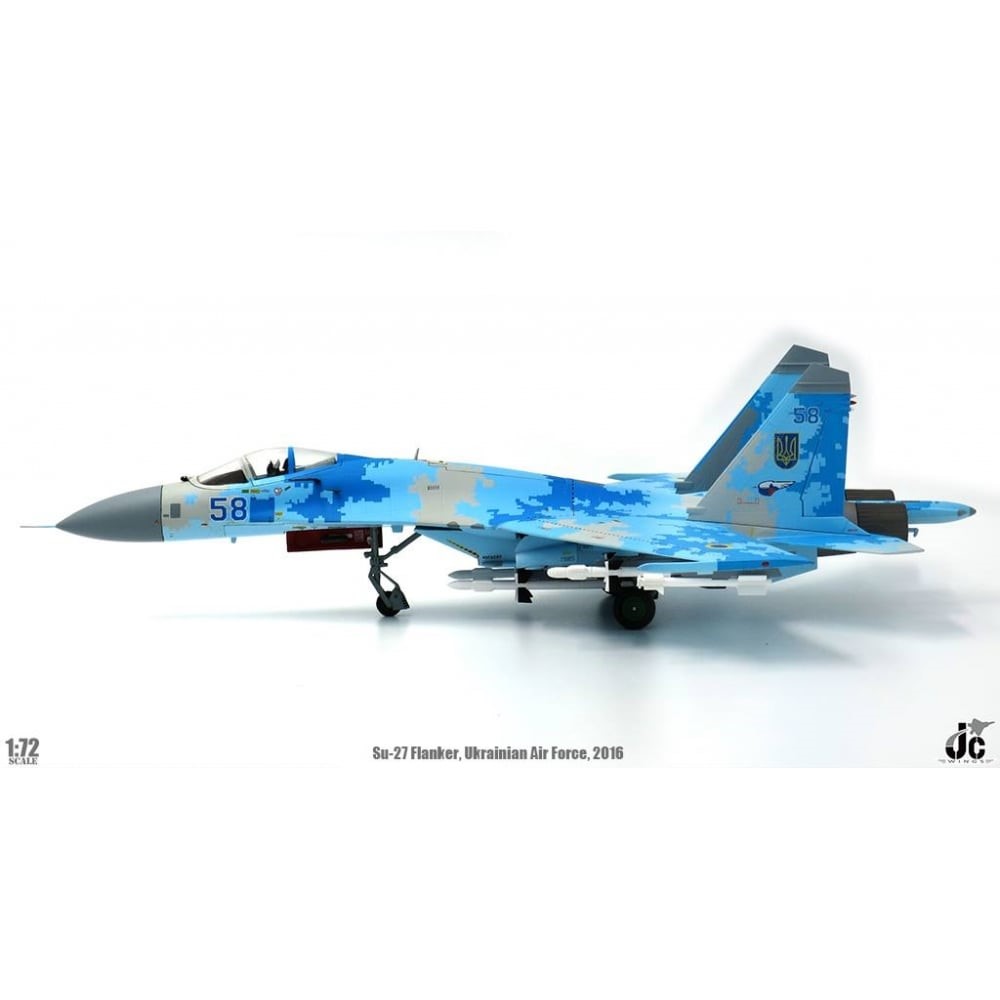
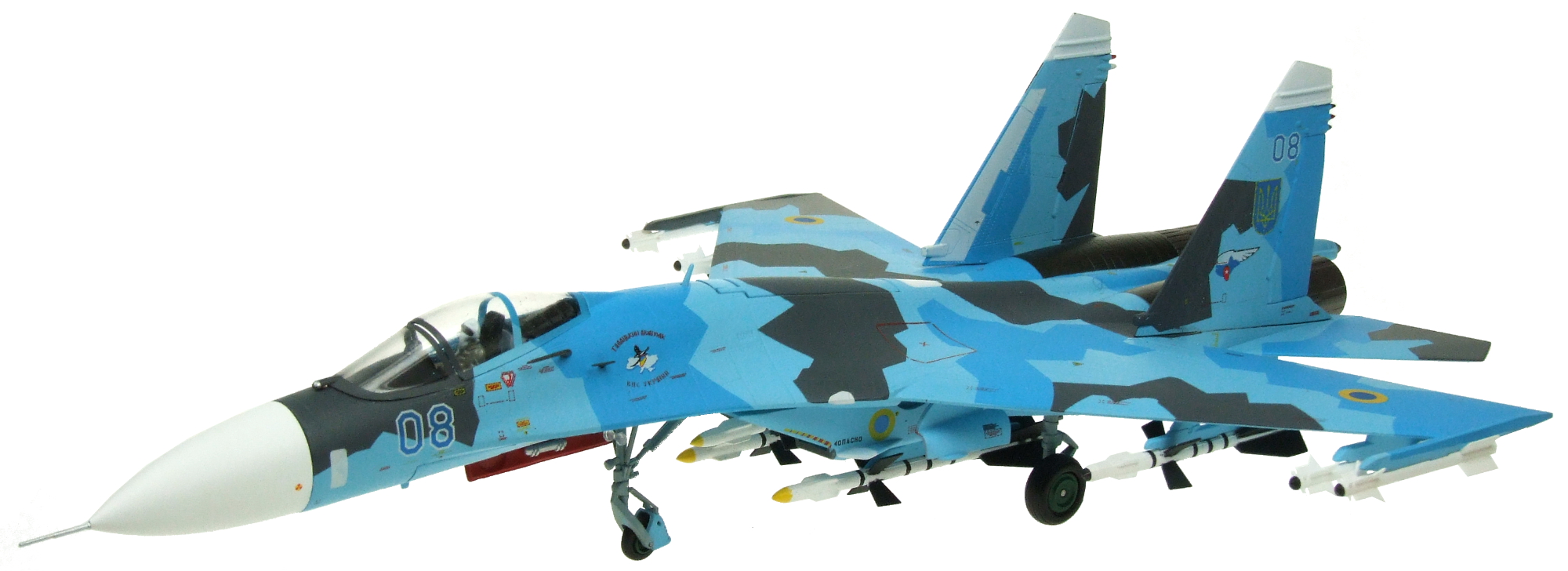
Hobbymaster New Model Announcement.
The following model is now available to pre-order from Flying tigers. Simply click on the image below to go straight to the model page.
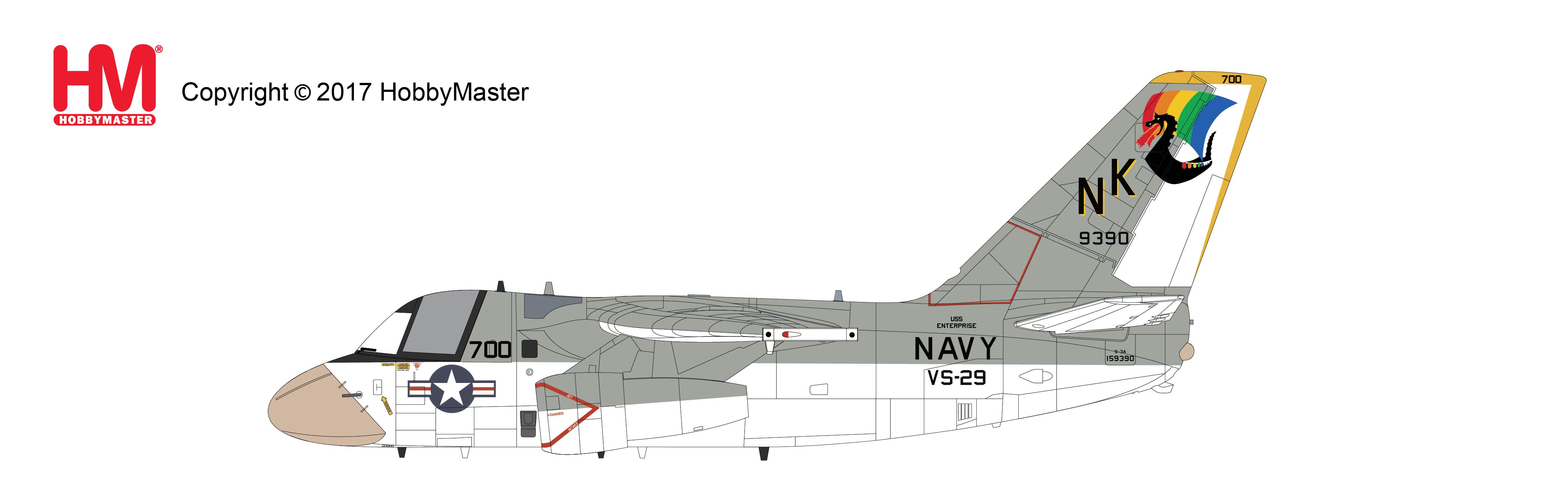
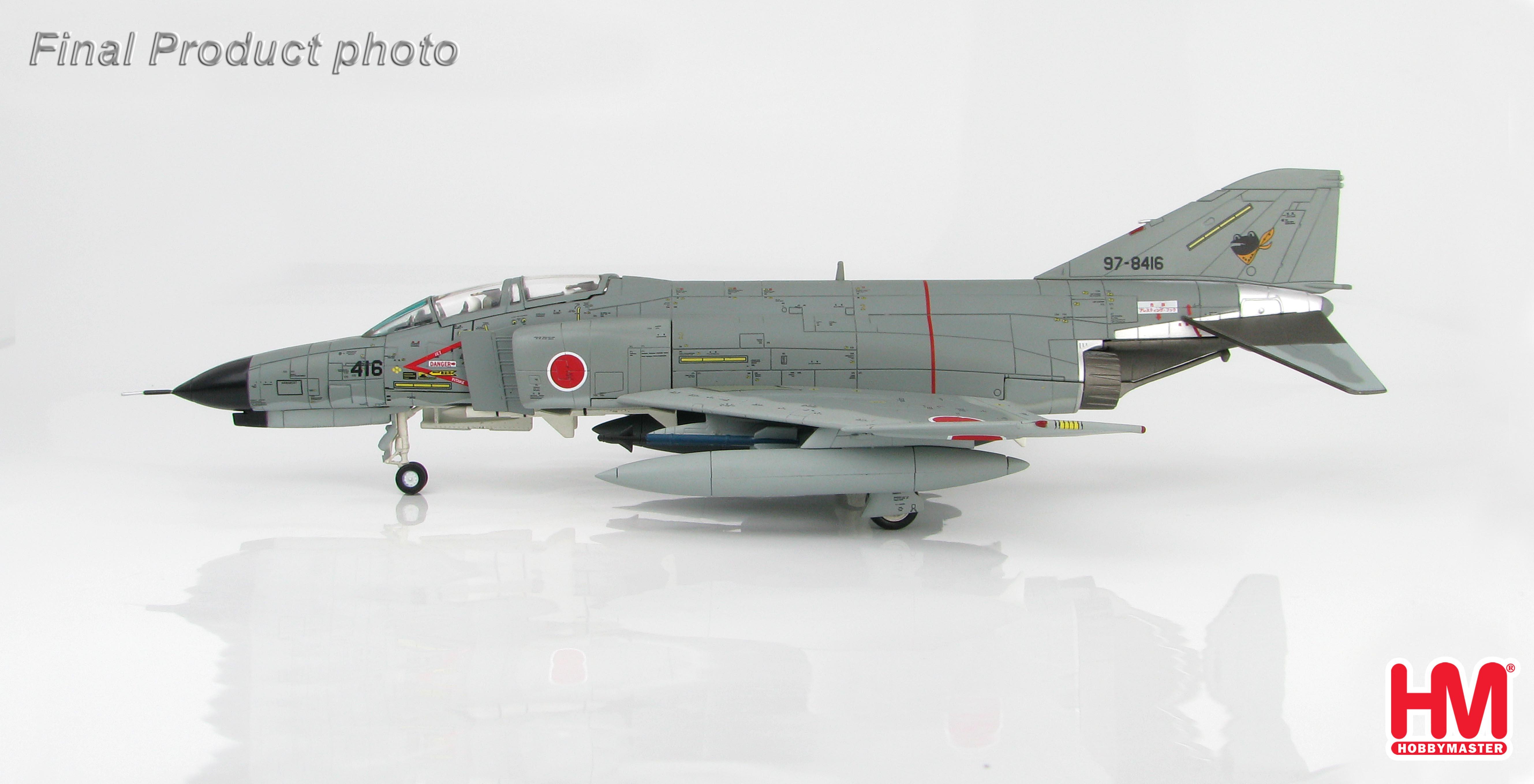
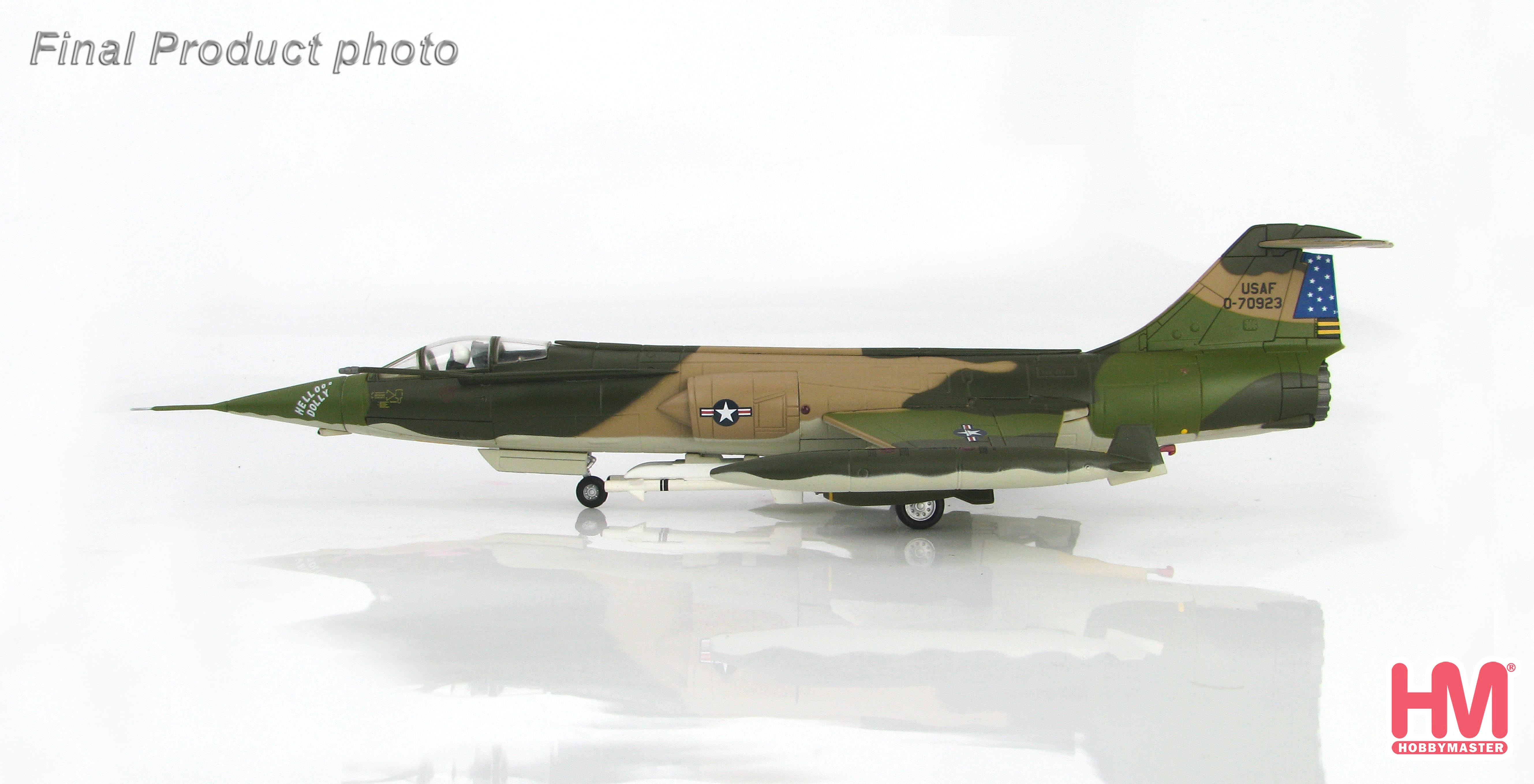
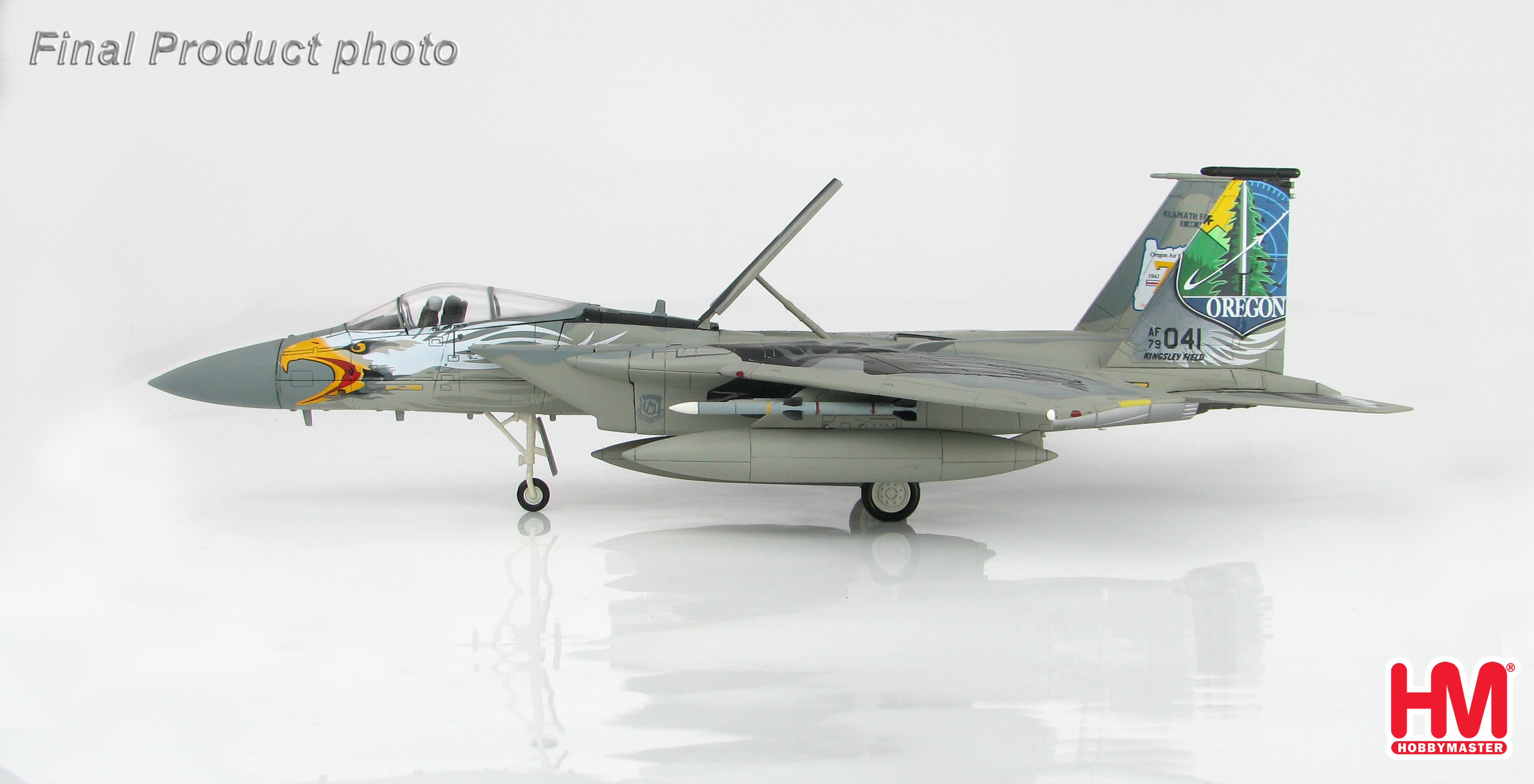
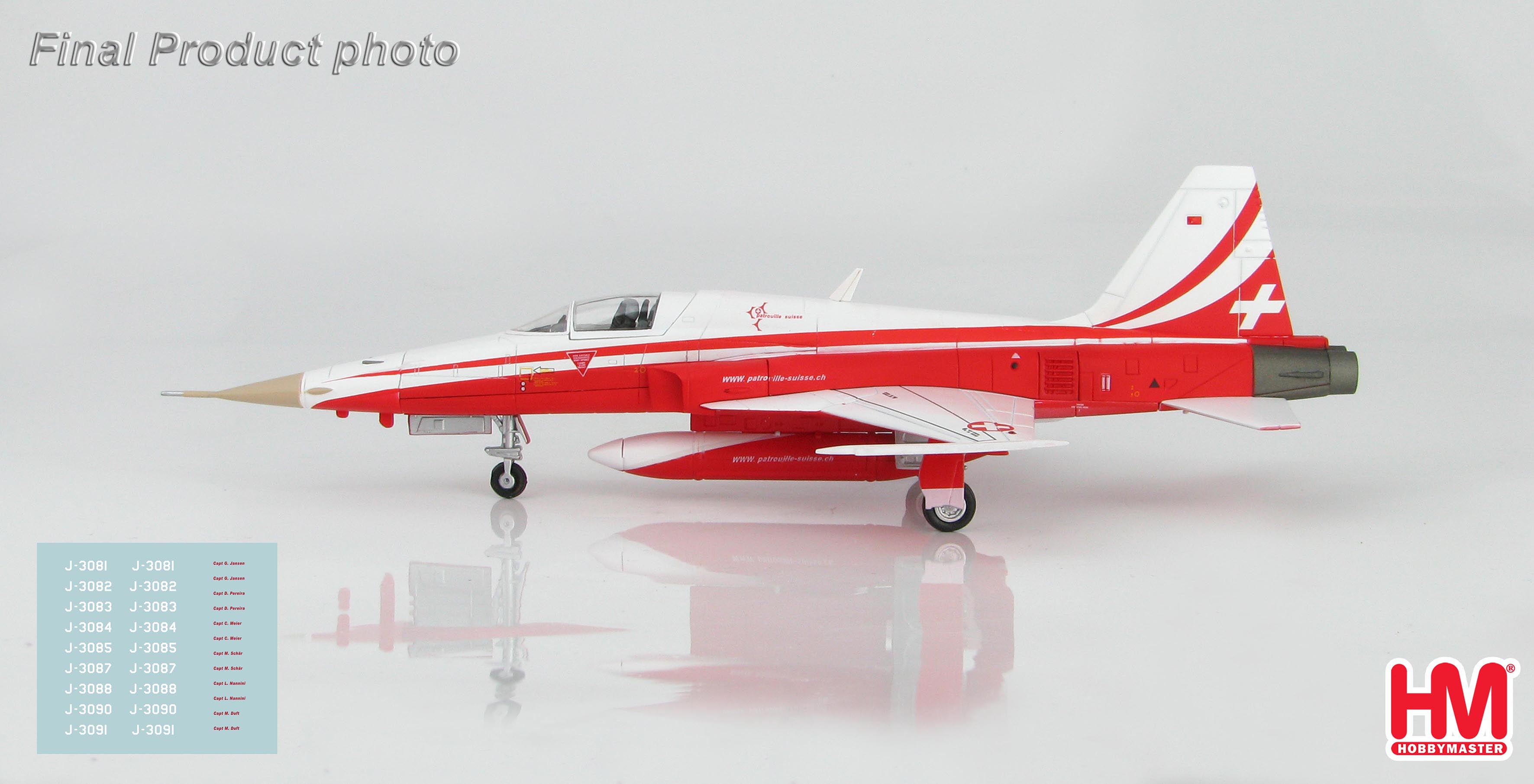
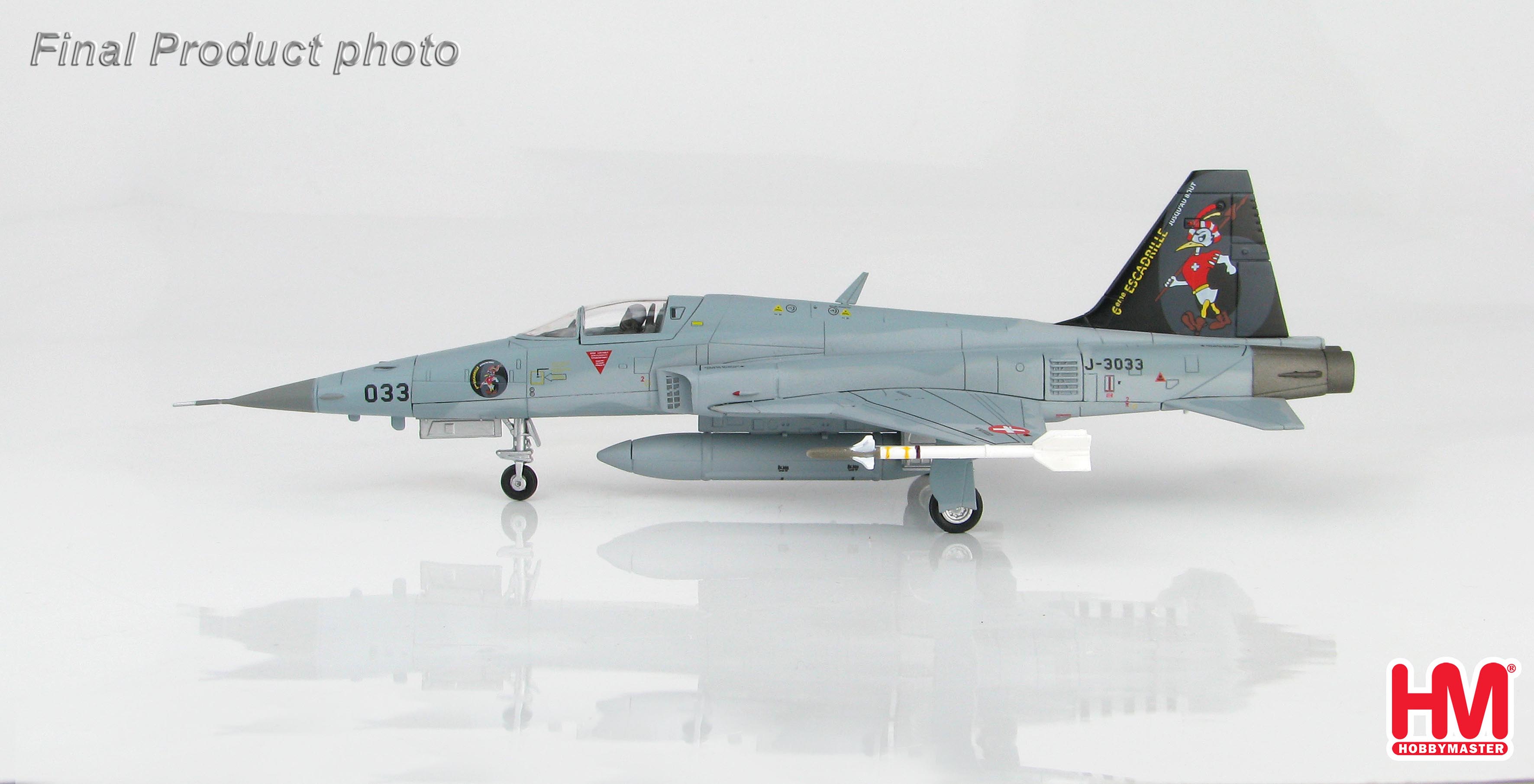
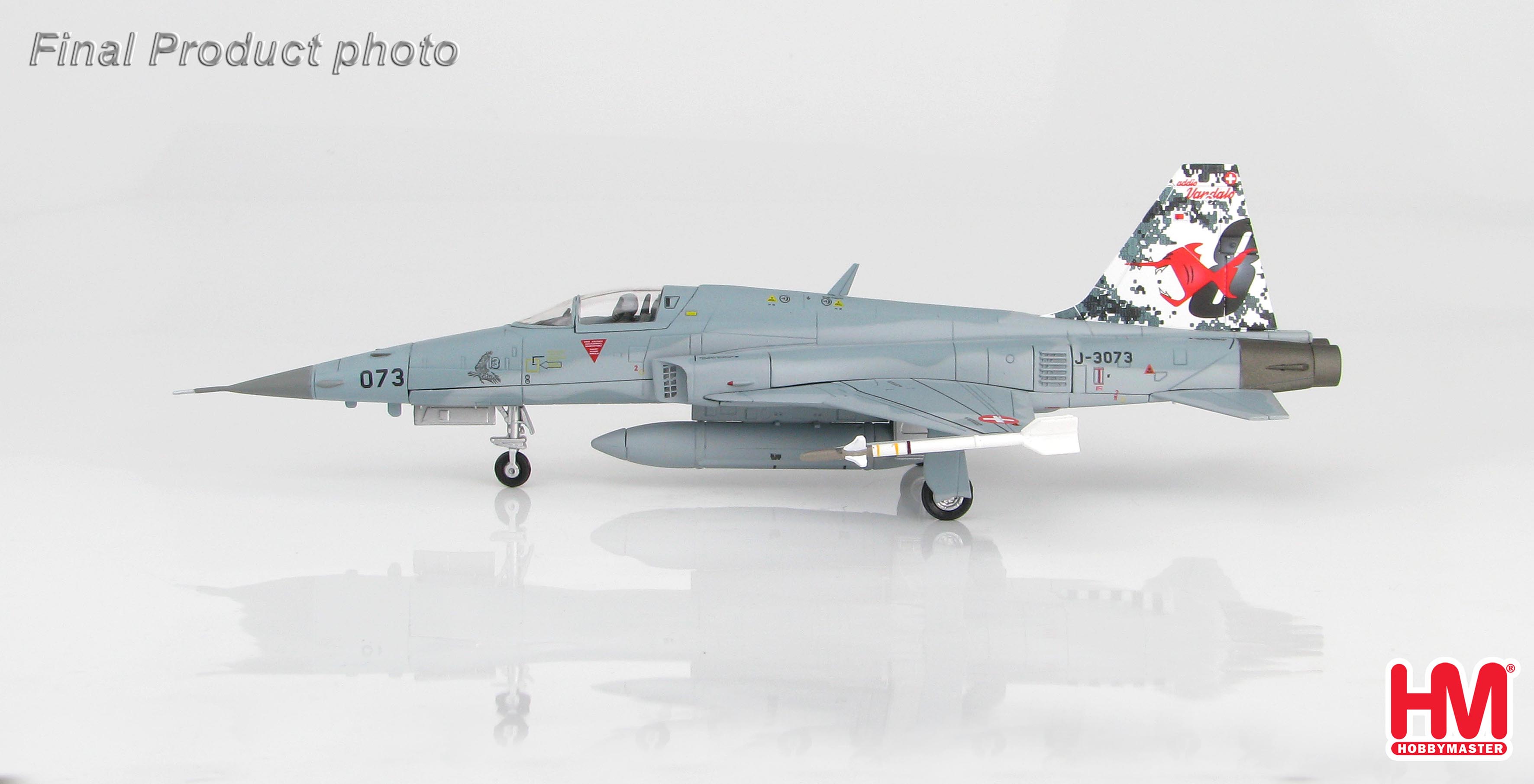
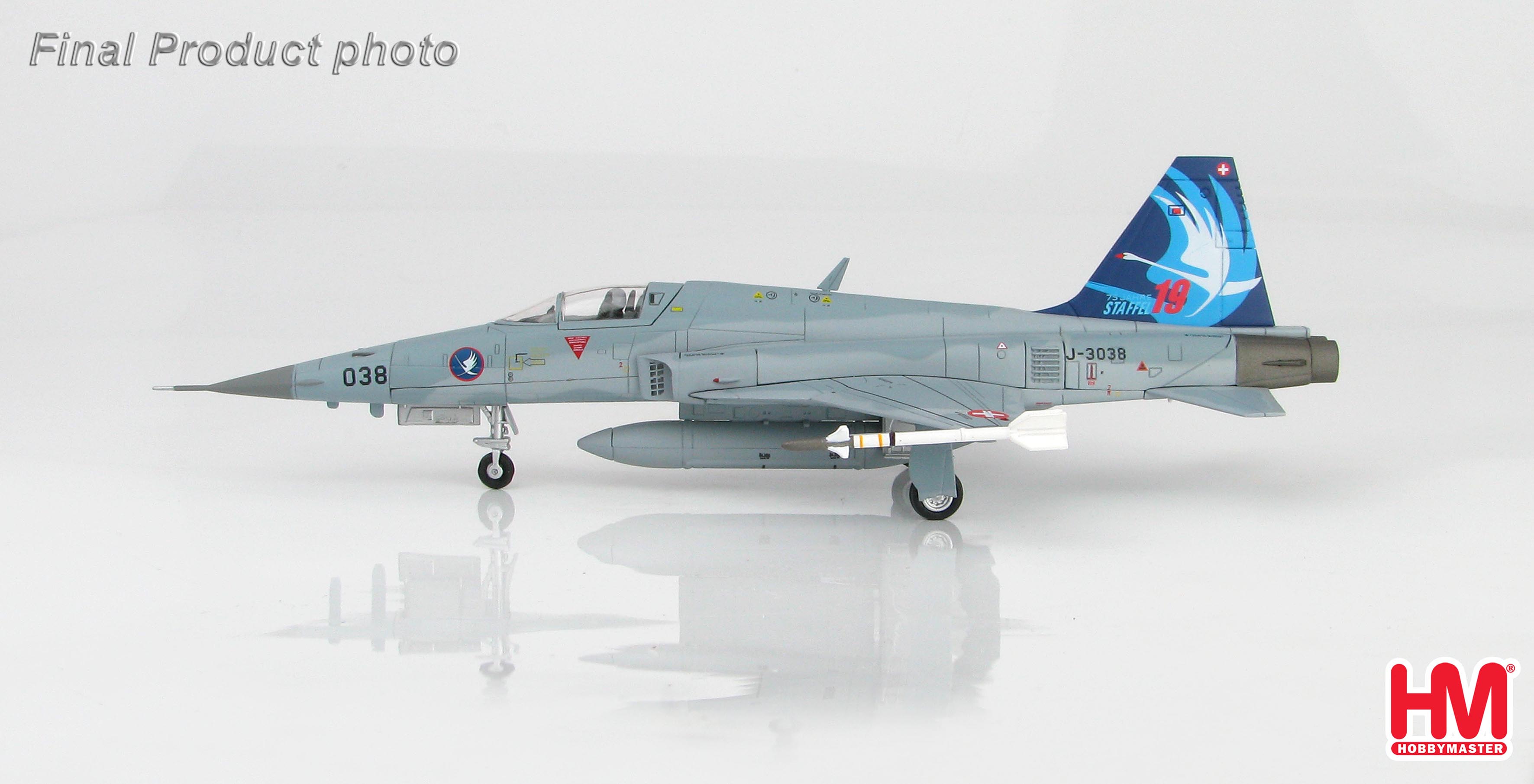
Hobbymaster new model arrivals this week.
The following models have been delivered by Hobbymaster this week. Pre-ordered models are being sent out on arrival. There are very few left on the shelf . Please click on the images / links below to go to the model page, or CLICK HERE to see all models in the New Model Arrivals section.


That’s all for this week.
Thank you for reading this week’s Newsletter.
Richard.
Flying Tigers.