UH-60s equipped with machine guns near An Najaf, Iraq in May 2005.
The Sikorsky UH-60 Black Hawk is a four-bladed, twin-engine, medium-lift utility helicopter manufactured by Sikorsky Aircraft. Sikorsky submitted the S-70 design for the United States Army’s Utility Tactical Transport Aircraft System (UTTAS) competition in 1972. The Army designated the prototype as the YUH-60A and selected the Black Hawk as the winner of the program in 1976, after a fly-off competition with the Boeing Vertol YUH-61.
Named after the Native American war leader Black Hawk, the UH-60A entered service with the U.S. Army in 1979, to replace the Bell UH-1 Iroquois as the Army’s tactical transport helicopter. This was followed by the fielding of electronic warfare and special operations variants of the Black Hawk. Improved UH-60L and UH-60M utility variants have also been developed. Modified versions have also been developed for the U.S. Navy, Air Force, and Coast Guard. In addition to U.S. Army use, the UH-60 family has been exported to several nations. Black Hawks have served in combat during conflicts in Grenada, Panama, Iraq, Somalia, the Balkans, Afghanistan, and other areas in the Middle East.
In the late 1960s, the United States Army began forming requirements for a helicopter to replace the UH-1 Iroquois, and designated the program as the Utility Tactical Transport Aircraft System (UTTAS). The Army also initiated the development of a new, common turbine engine for its helicopters that would become the General Electric T700. Based on experience in Vietnam, the Army required significant performance, survivability and reliability improvements from both UTTAS and the new powerplant. The Army released its UTTAS request for proposals (RFP) in January 1972. The RFP also included air transport requirements. Transport aboard the C-130 limited the UTTAS cabin height and length.

U.S. Army UH-60A MEDEVAC evacuating simulated casualties during a training exercise
The UTTAS requirements for improved reliability, survivability and lower life-cycle costs resulted in features such as dual-engines with improved hot and high altitude performance, and a modular design (reduced maintenance footprint); run-dry gearboxes; ballistically tolerant, redundant subsystems (hydraulic, electrical and flight controls); crashworthy crew (armored) and troop seats; dual-stage oleo main landing gear; ballistically tolerant, crashworthy main structure; quieter, more robust main and tail rotor systems; and a ballistically tolerant, crashworthy fuel system.
Four prototypes were constructed, with the first YUH-60A flying on 17th October 1974. Prior to delivery of the prototypes to the US Army, a preliminary evaluation was conducted in November 1975 to ensure the aircraft could be operated safely during all testing. Three of the prototypes were delivered to the Army in March 1976, for evaluation against the rival Boeing-Vertol design, the YUH-61A, and one was kept by Sikorsky for internal research. The Army selected the UH-60 for production in December 1976. Deliveries of the UH-60A to the Army began in October 1978 and the helicopter entered service in June 1979.

An Australian Army S-70A-9 Black Hawk
After entering service, the helicopter was modified for new missions and roles, including mine laying and medical evacuation. An EH-60 variant was developed to conduct electronic warfare and special operations aviation developed the MH-60 variant to support its missions.
Due to weight increases from the addition of mission equipment and other changes, the Army ordered the improved UH-60L in 1987. The new model incorporated all of the modifications made to the UH-60A fleet as standard design features. The UH-60L also featured more power and lifting capability with upgraded T700-GE-701C engines and a stronger gearbox, both developed for the SH-60B Seahawk. Its external lift capacity increased by 1,000 lb (450 kg) up to 9,000 lb (4,100 kg). The UH-60L also incorporated the automatic flight control system (AFCS) from the SH-60 for better flight control due to handling issues with the more powerful engines. Production of the L-model began in 1989.
Development of the next improved variant, the UH-60M, was approved in 2001, to extend the service life of the UH-60 design into the 2020s. The UH-60M incorporates upgraded T700-GE-701D engines, improved rotor blades, and state of the art electronic instrumentation, flight controls and aircraft navigation control. After the U.S. DoD approved low-rate initial production of the new variant, manufacturing began in 2006, with the first of 22 new UH-60Ms delivered in July 2006. After an initial operational evaluation, the Army approved full-rate production and a five-year contract for 1,227 helicopters in December 2007. By March 2009, 100 UH-60M helicopters had been delivered to the Army. In November 2014, US military ordered 102 aircraft of various H-60 types, worth $1.3 billion.
Following an operation in May 2011, it emerged that the 160th SOAR used a secret version of the UH-60 modified with low-observable technology which enabled it to evade Pakistani radar. Analysis of the tail section, the only remaining part of the aircraft which crashed during the operation, revealed extra blades on the tail rotor and other noise reduction measures, making the craft much quieter than conventional UH-60s. The aircraft appeared to include features like special high-tech materials, harsh angles, and flat surfaces found only in stealth jets. Low observable versions of the Black Hawk have been studied as far back as the mid-1970s.

A view of a UH-60L cockpit
In September 2012, Sikorsky was awarded a Combat Tempered Platform Demonstration (CTPD) contract to further improve the Black Hawk’s durability and survivability. The company is to develop new technologies such as a zero-vibration system, adaptive flight control laws, advanced fire management, a more durable main rotor, full-spectrum crashworthiness, and damage tolerant airframe; then they are to transition them to the helicopter. Improvements to the Black Hawk are to continue until the Future Vertical Lift program is ready to replace it.
In December 2014, the 101st Airborne Division began testing of new resupply equipment called the Enhanced Speed Bag System (ESBS). Soldiers pinned down in the field requiring quick resupply have depended on speed bags, bags filled with items airdropped from a UH-60. However, all systems were ad-hoc with bags not made to keep things secure from impacts, so up to half of the airdropped items would be damaged upon hitting the ground. Started in 2011, the ESBS sought to standardize the airdrop resupply method and keep up to 90 percent of supplies intact. The system includes a hands-free reusable linear brake and expendable speed line and multipurpose cargo bag; when the bag is deployed, the brake applies friction to the rope, slowing it down enough to keep the bag oriented down on the padded base, a honeycomb and foam kit inside to dissipate energy. The ESBS not only better protects helicopter-dropped supplies, it allows the Black Hawk to fly higher above the ground, 100 ft (30 m) up from 10 feet, while traveling 20 knots (23 mph; 37 km/h), limiting exposure to ground fire. Each bag can weigh 125–200 lb (57–91 kg) and up to six can be deployed at once, dropping 40–50 feet per second (12–15 m/s). Since supplies can be delivered more accurately and the system can be automatically released on its own, the ESBS can enable autonomous resupply from unmanned helicopters.

U.S. Soldiers assigned to the 2nd Squadron, 2nd Cavalry Regiment conduct air movement training in preparation for their upcoming deployment at the Joint Multinational Training Command’s Grafenwoehr Training Area, Bavaria, Germany, Aug. 13, 2013
The UH-60 features four-blade main and tail rotors, and is powered by two General Electric T700 turboshaft engines. The main rotor is fully articulated and has elastomeric bearings in the rotor head. The tail rotor is canted and features a rigid crossbeam. The helicopter has a long, low profile shape to meet the Army’s requirement for transporting aboard a C-130 Hercules, with some disassembly. It can carry 11 troops with equipment, lift 2,600 pounds (1,200 kg) of cargo internally or 9,000 pounds (4,100 kg) of cargo (for UH-60L/M) externally by sling.
The Black Hawk helicopter series can perform a wide array of missions, including the tactical transport of troops, electronic warfare, and aeromedical evacuation. A VIP version known as the VH-60N is used to transport important government officials (e.g., Congress, Executive departments) with the helicopter’s call sign of “Marine One” when transporting the President of the United States. In air assault operations, it can move a squad of 11 combat troops or reposition a 105 mm M119 howitzer with 30 rounds ammunition, and a four-man crew in a single lift. The Black Hawk is equipped with advanced avionics and electronics for increased survivability and capability, such as the Global Positioning System.

Black Hawk of the Colombian Air Force launching flares, 2011.
The UH-60 can be equipped with stub wings at the top of fuselage to carry fuel tanks or various armaments. The initial stub wing system is called External Stores Support System (ESSS). It has two pylons on each wing to carry two 230 US gal (870 L) and two 450 US gal (1,700 L) tanks in total. The four fuel tanks and associated lines and valves form the external extended range fuel system (ERFS). U.S. Army UH-60s have had their ESSS modified into the crashworthy external fuel system (CEFS) configuration, replacing the older tanks with up to four total 200 US gal (760 L) crashworthy tanks along with self-sealing fuel lines. The ESSS can also carry 10,000 lb (4,500 kg) of armament such as rockets, missiles and gun pods. The ESSS entered service in 1986. However, it was found that the four fuel tanks obstruct the field of fire for the door guns; thus, the external tank system (ETS), carrying two fuel tanks on the stub wings, was developed.
The unit cost of the H-60 models varies due to differences in specifications, equipment and quantities. For example, the unit cost of the Army’s UH-60L Black Hawk is $5.9 million while the unit cost of the Air Force HH-60G Pave Hawk is $10.2 million.

UH-60A Black Hawks over Port Salinas during the invasion of Grenada, 1983. The conflict saw the first use of the UH-60 in combat.
The UH-60 entered service with the U.S. Army’s 101st Combat Aviation Brigade of the 101st Airborne Division in June 1979. The U.S. military first used the UH-60 in combat during the invasion of Grenada in 1983, and again in the invasion of Panama in 1989. During the Gulf War in 1991, the UH-60 participated in the largest air assault mission in U.S. Army history with over 300 helicopters involved. Two UH-60s (89-26214 and 78-23015) were shot down, both on 27th February 1991, while performing Combat Search and Rescue of other downed aircrews, an F-16C pilot and the crew of a MEDEVAC UH-1H that were shot down earlier that day.

U.S. Army MH-60L during the Battle of Mogadishu in 1993
In 1993, Black Hawks featured prominently in the assault on Mogadishu in Somalia. Black Hawks also saw action in the Balkans and Haiti in the 1990s. U.S. Army UH-60s and other helicopters conducted many air assault and other support missions during the 2003 invasion of Iraq. The UH-60 has continued to serve in operations in Afghanistan and Iraq.
Customs and Border Protection Office of Air and Marine (OAM) uses the UH-60 in its operations specifically along the southwest border. The Black Hawk has been used by OAM to interdict illegal entry into the U.S. Additionally, OAM regularly uses the UH-60 in search and rescue operations.
Highly modified H-60s were employed during the U.S. Special Operations mission that resulted in the death of Osama bin Laden on 1st May 2011. One such MH-60 helicopter crash-landed during the operation, and was destroyed by the team before it departed in the other MH-60 and a backup MH-47 Chinook with bin Laden’s remains. Two MH-47s were used for the mission to refuel the two MH-60s and as backups. News media reported that the Pakistani government granted the Chinese military access to the wreckage of the crashed ‘stealth’ UH-60 variant in Abbotabad; Pakistan and China denied the reports, and the U.S. Government has not confirmed Chinese access.

Israel Air Force UH-60 Yanshuf
The Israeli Air Force (IAF) received 10 surplus UH-60A Black Hawks from the United States in August 1994. Named Yanshuf (English: Owl) by the IAF, the UH-60A began replacing Bell 212 utility helicopters. The IAF first used the UH-60s in combat during 1996 in southern Lebanon in Operation “Grapes of Wrath” against the Hezbollah.

A Turkish Land Forces UH-60 inside of a Boeing C-17 Globemaster III while being transported to Afghanistan in order to support Operation Enduring Freedom.
Turkey has operated the UH-60 during NATO deployments to Afghanistan and the Balkans. The UH-60 has also been used in counter-terror/internal security operations.
The Black Hawk competed against the AgustaWestland AW149 in the Turkish General Use Helicopter Tender, to order up to 115 helicopters and produce many of them indigenously, with Turkish Aerospace Industries responsible for final integration and assembly. On 21st April 2011, Turkey announced the selection of Sikorsky’s T-70.
In the course of the coup d’état attempt in Turkey on 15th July 2016, eight Turkish military personnel of various ranks landed in Greece′s northeastern city of Alexandroupolis on board the Black Hawk helicopter and claimed political asylum in Greece. The helicopter was returned to Turkey shortly thereafter.

Taiwan S-70C
Taiwan operated S-70C-1/1A after the Republic of China Air Force received ten S-70C-1A and four S-70C-1 Bluehawk helicopters in June 1986, for Search And Rescue. Four further S-70C-6s were received in April 1998. The ROC Navy received the first of ten S-70C(M)-1s in July 1990. 11 S-70C(M)-2s were received beginning April 2000. In January 2010, the US announced a Foreign Military Sale of 60 UH-60Ms to Taiwan for the ROC Army.
In February 2015, the U.S. State Department approved a possible Foreign Military Sale of nine UH-60Ms with associated equipment and support to Slovakia and sent to Congress for its approval. In April 2015, Slovakia’s government approved the procurement of nine UH-60Ms along with training and support. In September 2015, Sikorsky was contracted for four UH-60Ms and equipment for Slovakia. In June 2017 the first 2 UH-60Ms were delivered. By late 2019 Slovakia is to have 9 UH-60Ms in total that will replace the old Soviet Mil Mi-17s.
Sikorsky UH-60 Black Hawk models available from Flying Tigers.
Air Force 1 have produced the following examples of the Sikorsky UH-60 Black Hawk and these are now available to order from Flying Tigers. Please click on the model of your choice to go straight to the model page.
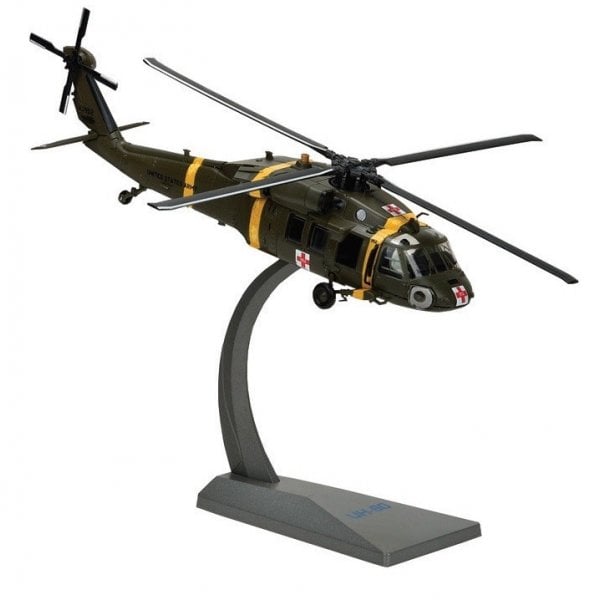
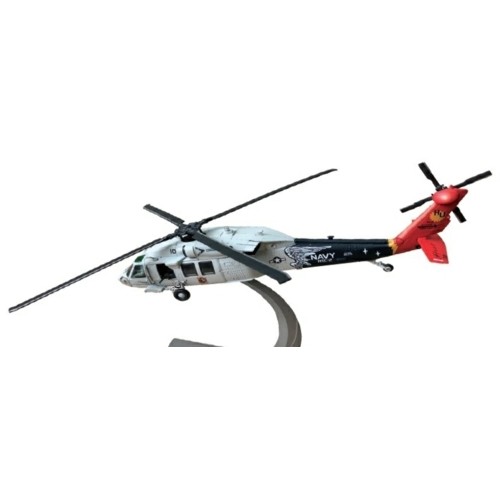
Air Force 1 New models available from Flying Tigers.
The following models are now available to buy from Flying Tigers . Please click on the model of your choice to go straight to the model page. Please CLICK HERE to view the full range of Air Force 1 models which include a number or RE-STOCK models now available again.
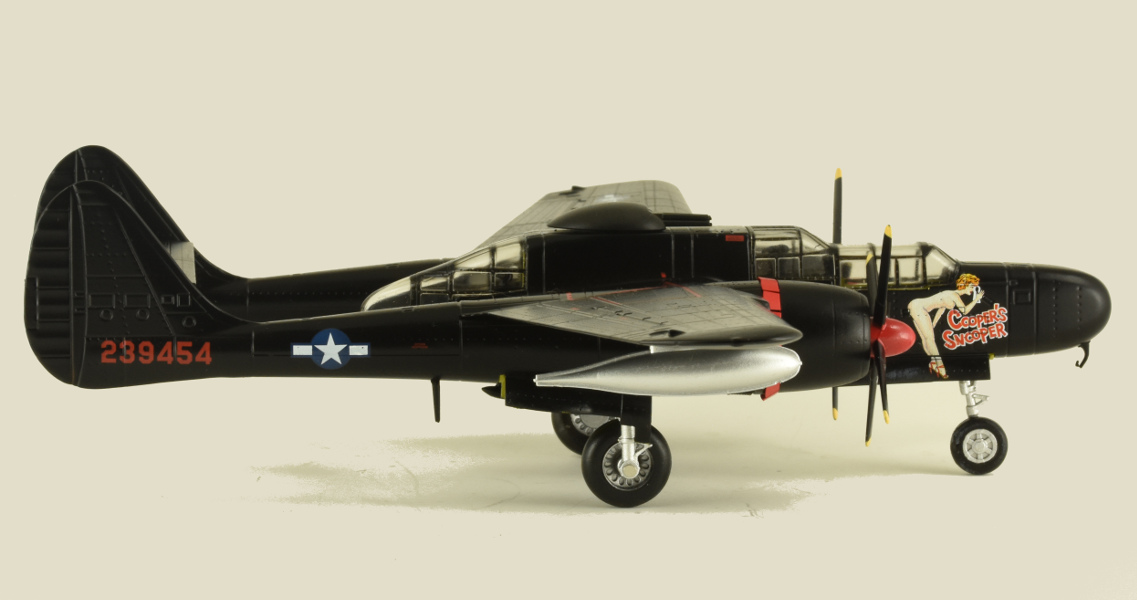
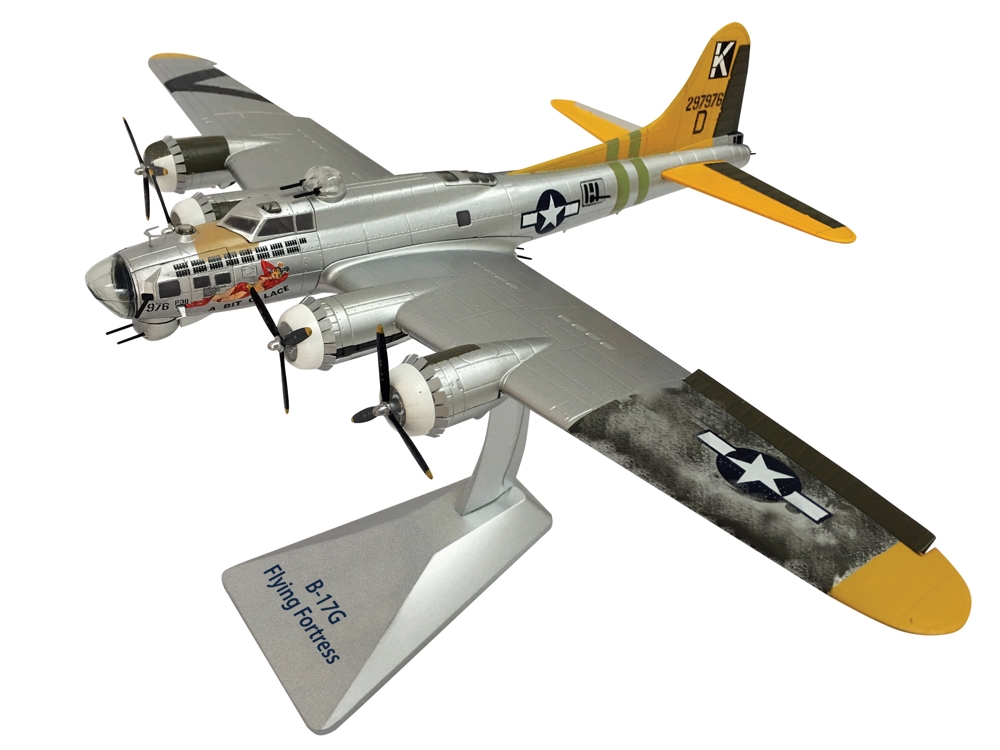
Updated Hobbymaster Photo Gallery
Check out the updated model photo gallery on Hobbymaster Pre-order models. Please click on the images / links below to go to the model of your choice, or CLICK HERE to see them all in the Future Releases section.
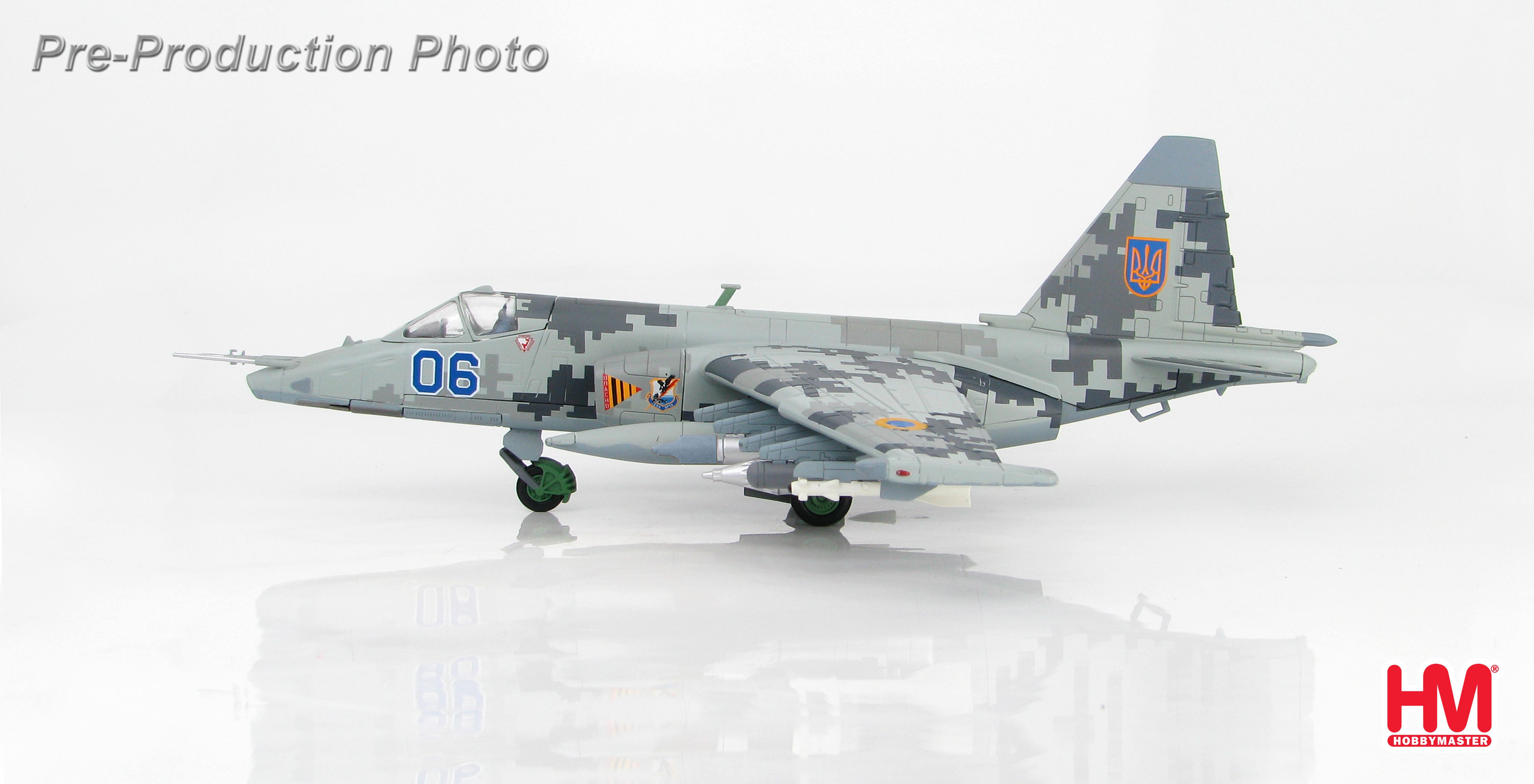
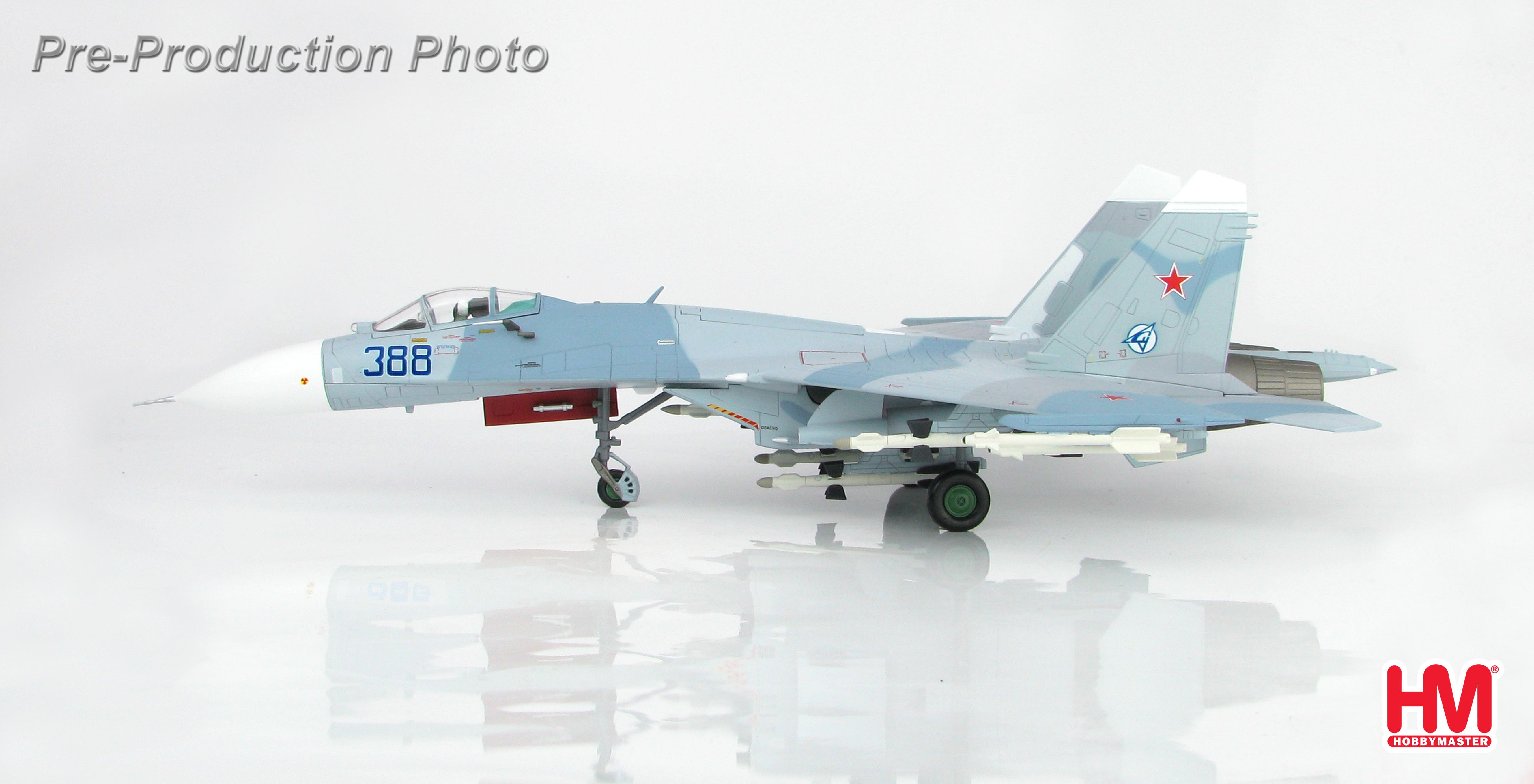
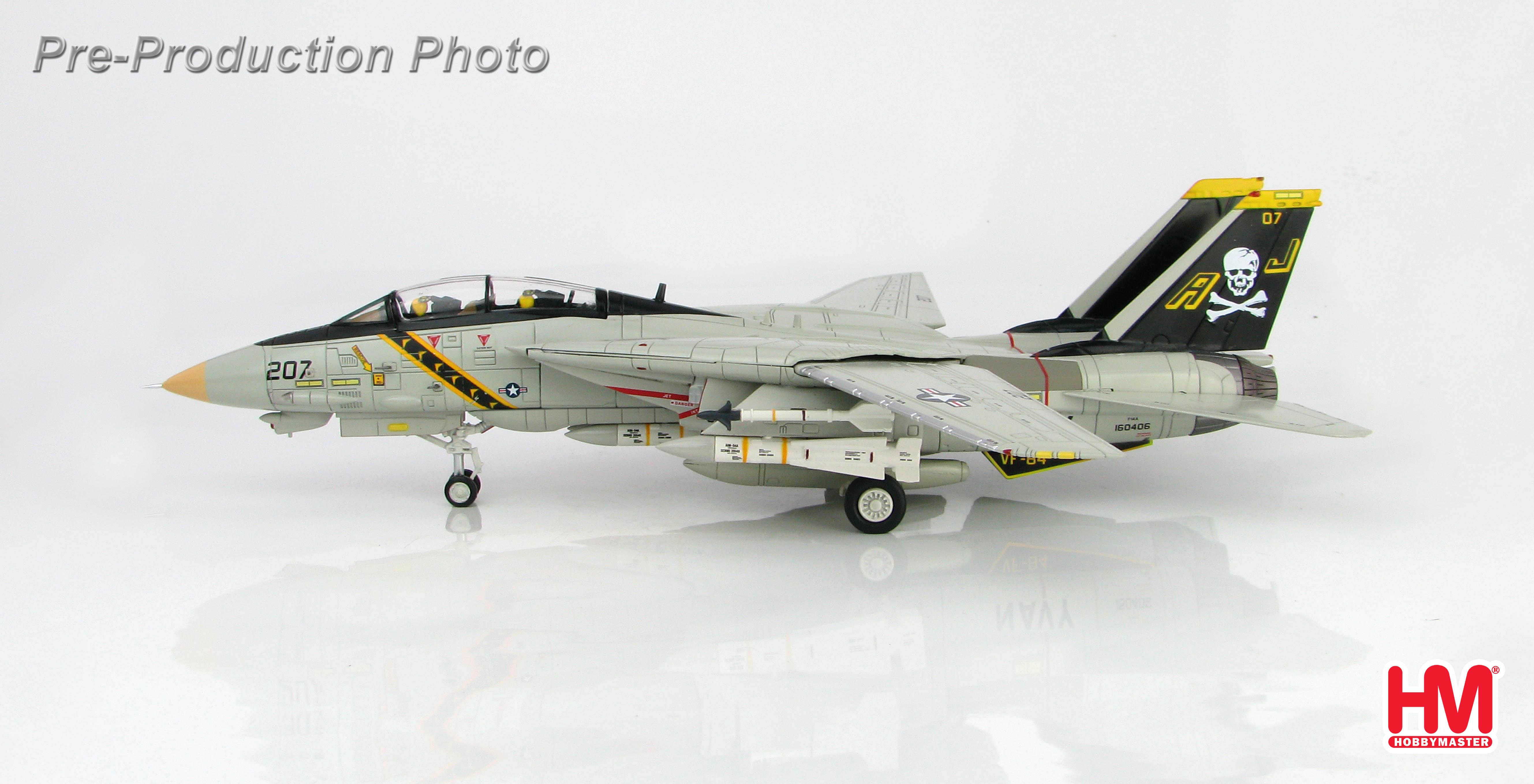
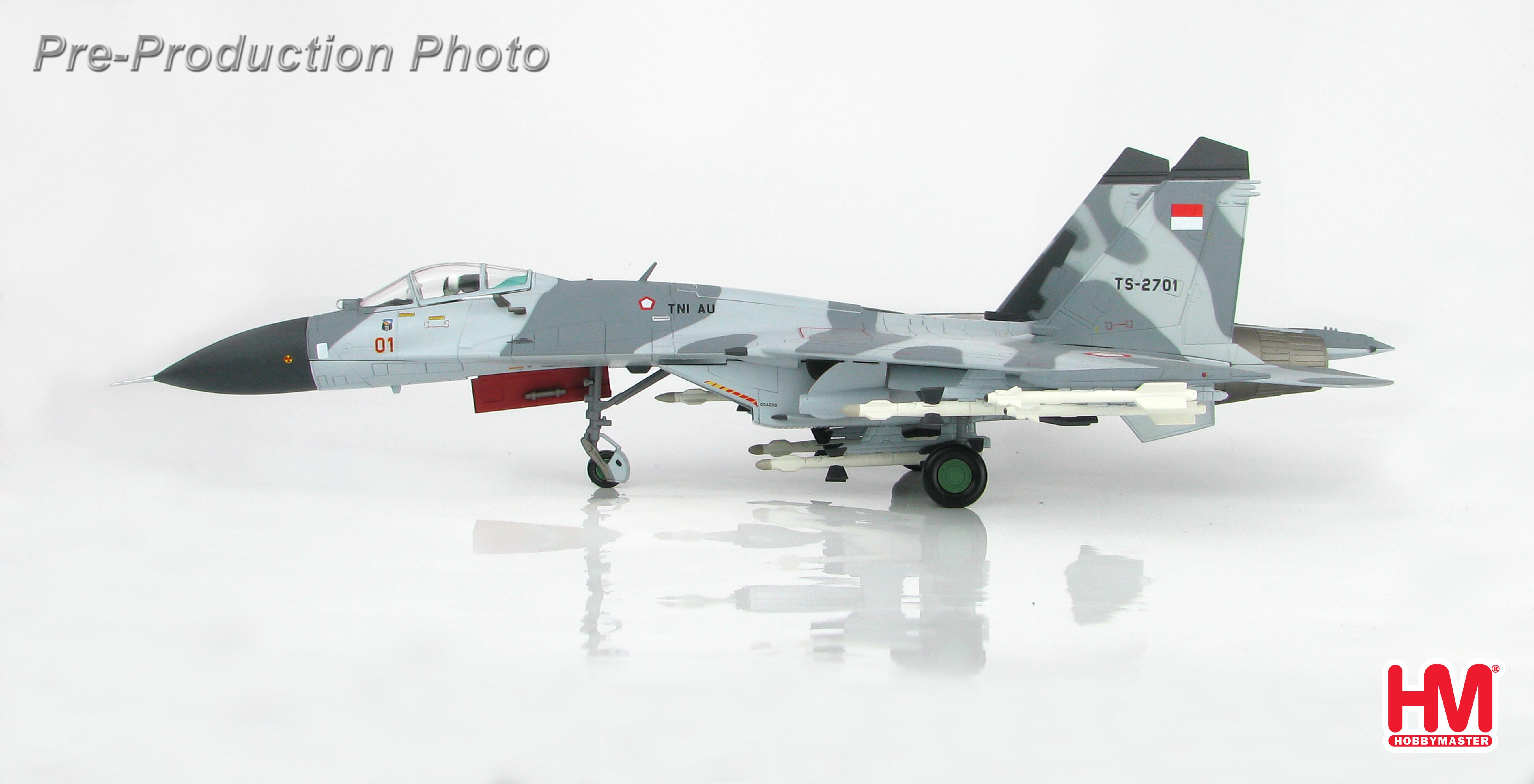


That’s all for this week. Thank you for reading this week’s Newsletter.
Richard.
Flying Tigers.