DH.89 Dragon Rapide (G-AEML) at Kemble Airport Open Day, Gloucestershire, England, 9th September 2007. Built in 1936. Photographed by Adrian Pingstone and placed in the public domain.
The de Havilland DH.89 Dragon Rapide was a 1930s short-haul biplane airliner developed and produced by British aircraft company de Havilland. Capable of accommodating 6–8 passengers, it proved an economical and durable craft, despite its relatively primitive plywood construction.
Developed during the early 1930s, the Dragon Rapide was essentially a smaller, twin-engined version of the four-engined DH.86 Express, and shared a large amount of common features, such as its tapered wings, streamlined fairings and Gipsy Six engines. First named the “Dragon Six”, the type was marketed as “Dragon Rapide” and later simply known as the “Rapide”. Upon its introduction in summer 1934, it proved to be a popular aircraft with airlines and private civil operators alike, attaining considerable foreign sales in addition to its domestic use.
Upon the outbreak of the World War II, many of the civil Rapides were impressed into service with the Royal Air Force (RAF) and Royal Navy. Referred to in military service by the name de Havilland Dominie, the type was employed for radio and navigation training, passenger transport and communications missions; hundreds of additional Dominies were also constructed during the war. Other Rapides continued to be operated by British airlines throughout the war under the auspices of the Associated Airways Joint Committee (AAJC). Postwar, many military aircraft were returned to civilian service. Shortly after the end of the Second World War, de Havilland introduced a Dragon Rapide replacement, the de Havilland Dove.
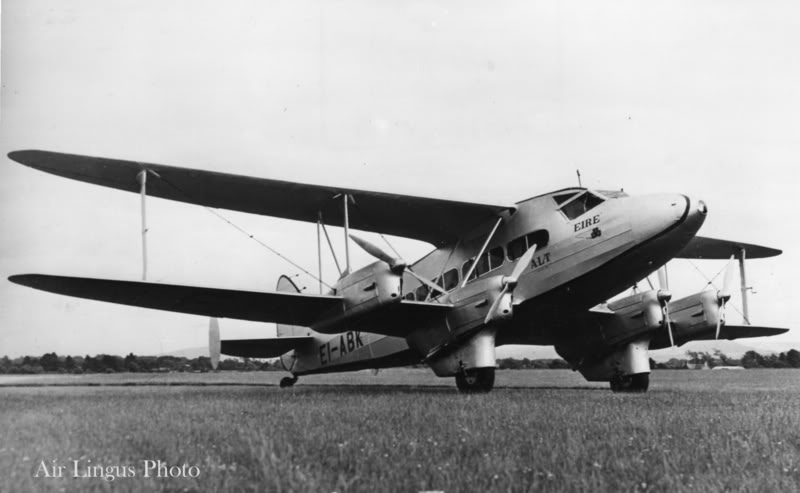
The D.H.86 Dragon Express was conceptually a four-engined enlargement of the successful de Havilland Dragon, but of more streamlined appearance with tapered wings.
During summer 1933, the de Havilland aircraft company commenced work upon an aircraft to meet an Australian requirement, producing a four-engined faster passenger aircraft capable of seating ten passengers DH.86 Dragon Express. An important feature of the DH.86 was the newly developed and powerful Gipsy Six engine, a six-cylinder variant of the four cylinder Gipsy Major engine. The DH.86 would serve as the a key starting point for the later DH.89.
During late 1933, a team at de Havilland, lead by aircraft designer Arthur Ernest Hagg, began working on a new design, intended to be a faster and more comfortable successor to the earlier DH.84 Dragon. The new aircraft was, in effect, a twin-engined, scaled-down version of the four-engined DH.86 Express. It shared many common features with the earlier DH.86 Express, including its tapered wings, streamlined fairings and fuselage, as well as the same Gipsy Six engines. However, the DH.89 demonstrated none of the operational vices of the Express.
On 17th April 1934, the prototype conducted its maiden flight at Hatfield Aerodrome, Hertfordshire. Flown by senior de Havilland test pilot H.S. Broad, it was powered by a pair of 200 hp Gypsy Six engines. Even prior to the prototype’s first flight, plans to proceed with serial production of DH.89 had already received the go-ahead from management. During May 1934, airworthiness trials commenced at RAF Martlesham Heath using the prototype; during one such flight, upon attaining a speed of roughly 175 MPH, the tip of the aircraft’s nose buckled. In response to this event, a maximum permissible speed of 160 MPH was implemented for all DH89. Upon the conclusion of trials, the prototype was sold.
By November 1934, series production of the Rapide had reached full swing. Originally referred to as the “Dragon Six”, the aircraft was first marketed as the “Dragon Rapide”, although the type later came to be popularly referred to as simply the “Rapide”. Prior to the outbreak of the Second World War, 205 aircraft were manufactured for airlines and other private owners all around the world. The Rapide is perhaps the most successful British-built short-haul commercial passenger aircraft to be produced during the 1930s.

De Havilland DH89 Dragon Rapide G-AERN of West Coast Air Services in March 1937
In response to the issuing of Specification G.18/35 by the British Air Ministry, de Havilland decided to design and produce a single prototype of a modified Rapide for undertaking coastal reconnaissance. Trials using the prototype, K4772, were performed between April and June 1935 at RAF Martlesham Heath and RAF Gosport. However, it ultimately lost out to its rival, the Avro Anson. K4772 was later used by the Royal Aircraft Establishment (RAE) in automatic landing trials before being broken down for spares. Work on a militarised version of the Rapide was not wasted as multiple sales were soon completed with other military customers, the first of which being to the Spanish government in December 1935.
Sensing demand for the type, de Havilland continued to modify the Rapide’s design following its entry to service, creating both refinements and entirely new derivatives as a result. Aiming to produce a faster version of the Rapide, a smaller, lighter and externally cleaner version, designated as the DH.90 Dragonfly, emerged; first flying in August 1935, the DH.90 failed to achieve a similar rate of sales to the Rapide and production was terminated in 1938 after 67 aircraft had been completed. In November 1935, the 60th airframe to be produced, G-ADWZ, was modified and used by de Havilland as a trials aircraft. Fitted with elongated rear windows, cabin heating, thickened wing tips, and a strengthened airframe to allow for an elevated gross weight of 5,500 lb, G-ADWZ later participated in trials at Martlesham Heath, after which the higher gross weight was cleared for service.

De Havilland DH 90A Dragonfly
In response to the announcement of an air race between Britain and Johannesburg, South Africa, de Havilland’s design team produced a specialised variant of the Rapid, designated as the DH.92 Dolphin. This one-off derivative featured a retractable undercarriage, an expanded wingspan of 53 ft 7 in, a modified nose section, and an increased all-up weight of 6,600 lb; however, flight tests in August 1936 revealed there to be no performance improvement over the standard Rapide, leading to the sole Dolphin being scrapped months later.
In November 1936, in response to suggestions that the addition of flaps would aid in landing, a single Rapide was modified in order to explore their functionality. Based on this performance, in February 1937, de Havilland announced that flaps would be fitted to all production aircraft from that year onwards, while other improvements such as a downwards-facing recognition light and metal propellers could be fitted as options. From 1937, to signify the fitting of improved trailing edge flaps, aircraft thus equipped were accordingly re-designated as DH.89A; earlier-built Rapides were commonly retrofitted to this standard during their service life as well.
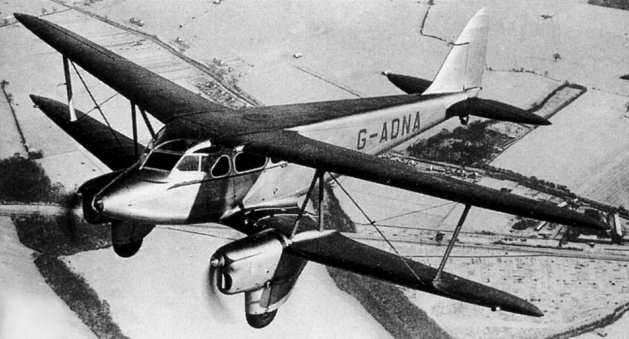
De Havilland – Dolphin D.H.92 – 1936
During July 1934, the first production Rapide, G-ACPM, performed the type’s public debut at Hatfield with its entry into the 1934 King’s Cup Race. While having achieved an average speed of 158 MPH, G-ACPM had to be withdrawn from the race during Heat 9 of Round 2 when the wing sustained damage caused by hail while flying over Waddington, Lincolnshire. Another purpose-built Rapide, ZK’-ACO, was entered into the 1934 MacRobertson Air Race; fitted with three additional fuel tanks within the fuselage to extend the aircraft’s range to 1,000 miles, the aircraft, flown by Squadron Leader J.D. Hewett and Mr C.E. Kay, took sixth place in the handicap race and fifth place in the speed race.
In the summer of 1934, the type entered service with UK-based airlines, with Hillman Airways Ltd being first to take delivery in July. The Anglo-Persian Oil Company was another early company to purchase the Rapide; used for quick communications purposes between individual oil fields spread out over vast distances, the aircraft quickly became popular in the oil industry, with the Iraq Petroleum Company and the Asiatic Petroleum Company also procuring their own Rapides.
From August 1934, Railway Air Services (RAS) operated a fleet of Dragon Rapides on routes linking London, the north of England and on to Northern Ireland and Scotland. The RAS DH.89s were named after places on the network, for example “Star of Lancashire”. Isle of Man Air Services operated a fleet of Rapides on scheduled services from Ronaldsway Airport near Castletown to airports in north-west England including Blackpool, Liverpool and Manchester. Some of its aircraft had been transferred to it after operation by Railway Air Services.
During late 1935, the first of an initial batch of 16 Rapides were shipped to the manufacturer’s Canadian branch, de Havilland Canada, for modification and re-sale purposes. Canadian aircraft received various changes, including an extended dorsal fin and a modified undercarriage arrangement, allowing for either wheels, skis, or float to be interchangeably installed, dependent upon usage and weather conditions. The sole Canadian prototype, CF-AEO, was sold onto Quebec Airways in June 1935. Further Rapides were delivered to other customers in Canada, such as Canadian Airways, who used it on their West Coast and maritime routes.

Railway Air Services Dragon Rapide
On 30th January 1942, the majority of major Canadian operators were amalgamated into Canadian Pacific Air Lines, who continued to use the type. Further Canadian sales of the Rapide would occur both during and after the end of the Second World War. During 1938, British operator Airwork Limited placed an initial order for nine Rapides to serve as navigation trainers. The order had been motivated by policy changes within the British Air Ministry, which soght to expand this capability. Repeat orders were placed by Airwork in the lead up to the Second World War, upon which point the firm’s fleet of Rapides were all taken on by the Royal Air Force (RAF).
Edward, Prince of Wales (later Edward VIII), owned a single Dragon Rapide (G-ADDD), which he frequently used for carrying out his royal duties. He flew this aircraft to London on his accession as king in 1936, making him the first British monarch to fly.
One famous incident involving the Rapide occurred during July 1936 when a pair of British SIS agents, Cecil Bebb and Major Hugh Pollard, flew Francisco Franco in Rapide G-ACYR from the Canary Islands to Spanish Morocco, at the start of the military rebellion which began the Spanish Civil War. The aircraft involved has since been placed on public display in the Museo del Aire, Madrid, Spain.

DH.89s Women of the Empire and Women of Britain
At the start of Second World War on 3rd September 1939, all British civil transport aircraft were requistioned by the Ministry of Aircraft Production. A number of Dragon Rapides were used to provide internal flights under the control of National Air Communications (NAC). Perhaps one of the most significant early uses of the Rapide during the war occurred during the crucial weeks of May–June 1940, in which the Battle of France occurred; Rapides of No. 24 Squadron acted as aerial couriers between Britain and France; out of 24 aircraft, 10 Rapides were lost during this intense period of fighting.
Following the closure of the NAC network, Dragon Rapides continued to fly for British airlines during the war as part of the Associated Airways Joint Committee (AAJC). Upon the outbreak of war, all civil services had been halted, however, some routes were progressively returned to operation as and when they were deemed on value to the war effort or found to be in the national interest. The AAJC co-ordinated the majority of UK’s wartime scheduled services, which were entirely operated on over-water routes.
Other Dragon Rapides were impressed into service with the British armed forces as communications aircraft and training aircraft; Australian Rapides were also impressed by the Royal Australian Air Force (RAAF).
Furthermore, while the final production Rapide was completed in November 1941, de Havilland instead produced the military-orientated Dominie variant exclusively. Over 500 additional Dominies were manufactured for military use, powered by improved Gipsy Queen engines; by the end of production in July 1946, a total of 727 aircraft (both Rapides and Dominies combined) had been manufactured. During the war, Dominie production was performed by de Havilland and Brush Coachworks Ltd, the latter being responsible for the greater proportion of the work. The Dominies were mainly used by the Royal Air Force (RAF) and Royal Navy for radio and navigation training. Other duties they were used for included passenger and communications missions.
Throughout the course of the war, civilian Rapides were progressively substituted for by Dominies as the type became available in greater quantities. Rapides were either dispatched to perform passenger operations or occasionally converted for other purposes, such as Air Ambulances; by the end of the conflict, only a total of nine impressed Rapides were restored to their civilian registrations; however, these were joined by many Dominies which had been deemed to be surplus to requirements.
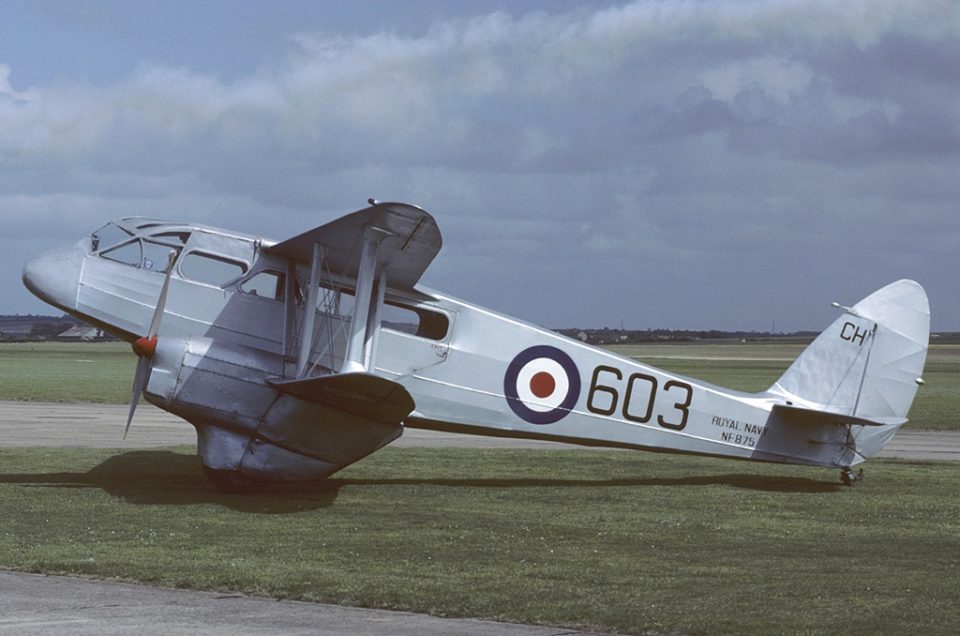
De Havilland DH-89A Dominie
Postwar, the Dominie continued to be used for some time by Royal Naval air station flights as communications aircraft. By 1960, the Royal Navy still had a fleet of 14 Dominies, although under normal circumstances only three would be actively used at any one point in time, while the others were stored at RAF Lossiemouth, Moray, Scotland. The last of the Royal Navy’s Dominies had been phased out of service during 1963; thirteen aircraft were subsequently sold on via public tender, a number of which having been converted to civil Rapide configurations.
Many ex-RAF survivors had quickly entered commercial service after the end of the conflict; according to aviation author Peter W. Moss, a typical Dominie-to-Rapide conversion performed by de Havilland involved the repainting of the exterior (replacing the wartime camouflage scheme) and the installation of sound proofing, upholstered seats and a new décor within the cabin area. Additionally, various third party companies offered and performed their own conversion schemes, including Field Aircraft Services, Airwork Limited, Air Enterprises, W.A. Rollason Limited and the Lancashire Aircraft Corporation (LAC). By 1958, 81 examples were recorded as still flying on the British register.
In the Netherlands, airline KLM, keen to restart operations, set about procuring a handful of Rapides even prior to the end of the war, commencing the first of its re-launched services during September 1945. Various British airlines also became prolific users of the type; British European Airways (BEA), formed on 1st January 1946, took order 39 Rapides during February 1947. BAE used many across its fledgling network, later focusing upon services within the Scottish, Scilly, and Channel Islands while gradually selling on displaced and excess aircraft via Airwork. Small independent British airlines that chose to resist pressure from the British government to merge into BEA also commonly operated the Rapide.

DH Dragon Rapide G-AHAG Scillonia Airways at Sywell Aerodrome 2016
In order to better distinguish between the different standards of Rapides available in the post-war environment, de Havilland established a basic mark number system. Mk 1 aircraft were those constructed pre-war, while Mk 2 and Mk 3 Rapides were ex-military conversions to a six-passenger cabin and eight-passenger cabin respectively. Those Rapides that were re-engined with a pair of de Havilland Gipsy Queen engines, giving the aircraft an increased all-up weight to 6,000 lb along with improved climb, cruise speed and single engine performance, were referred to as Mk 4s.
By 1966, use of the Rapide had gone into decline and several formerly large operators had phased out the type completely. Due to the declining stocks of spare components available, individual Rapides were commonly being broken up in order to scavenge parts to maintain other active aircraft. Regardless, demand for such an aircraft was still relatively strong at this time, according to Moss.
The DH.89 proved an economical and durable aircraft, despite its relatively primitive plywood construction and many were still flying in the early 2000s. Several Dragon Rapides are operational in the UK, while multiple operators, including Classic Wings and Plane Heritage, offer pleasure flights in them to the general public. Shortly after the end of the Second World War, de Havilland introduced a Dragon Rapide replacement, the de Havilland Dove.
De Havilland Dragon Rapides available from Flying Tigers.
There is a very full selection of Dragon Rapides and Dominies available from Flying Tigers. I have picked a few of my favourites out which can be seen below. Please click on the photo of your choice to go straight to the model page. To view all the models available please CLICK HERE.
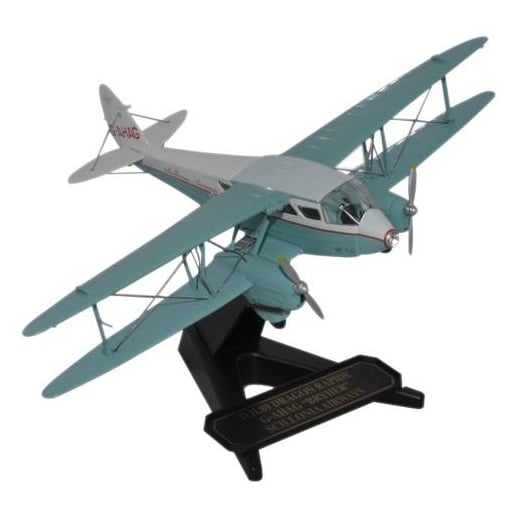
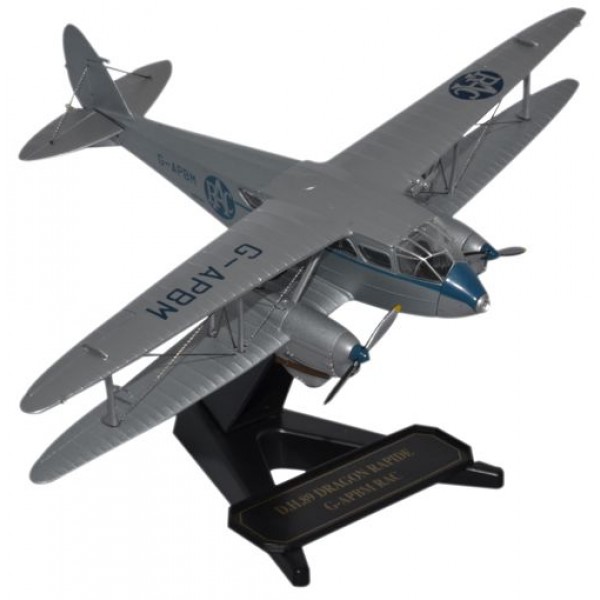

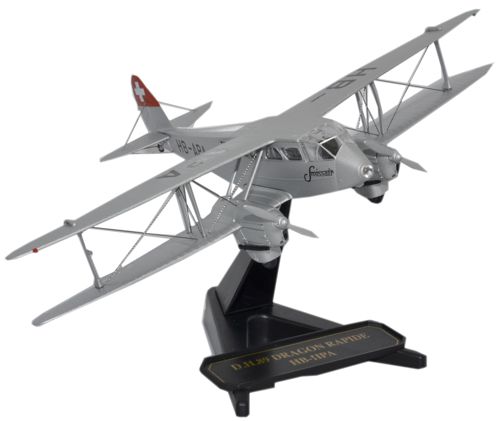
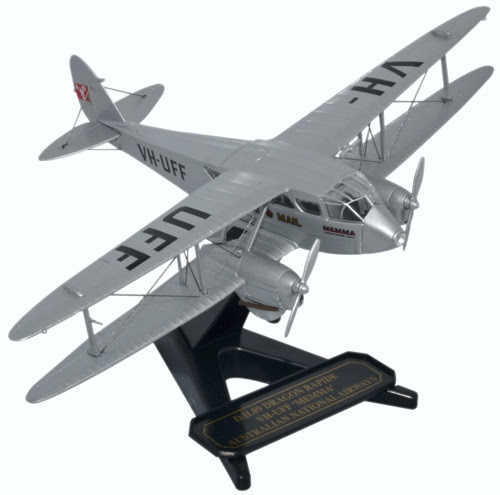


Hobbymaster updated photo gallery
I have updated the photo gallery on the following four Hobbymaster pre-order models. Some great looking models here that have already been heavily pre-ordered, even before the latest photos had been released. Please click on the photo of the model of your choice below and it will take you straight through to the model page to view the new photos. Alternatively please CLICK HERE to see them all.
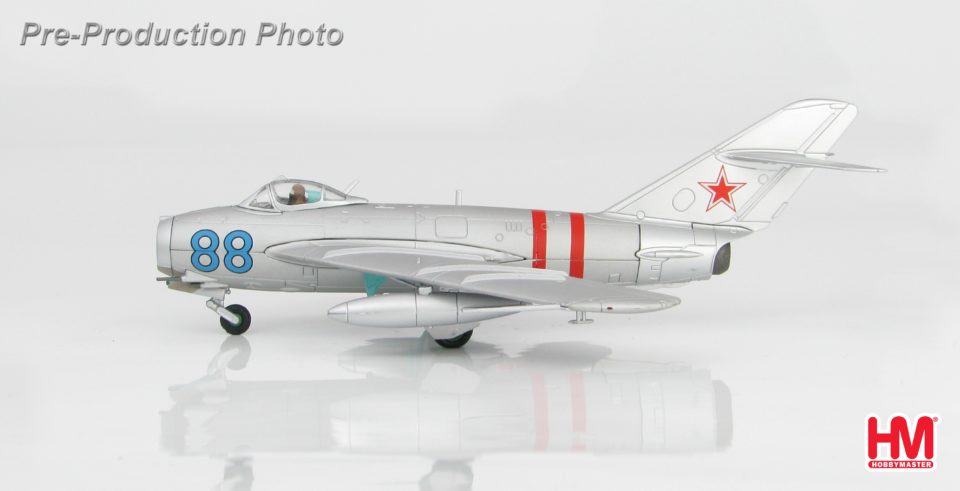
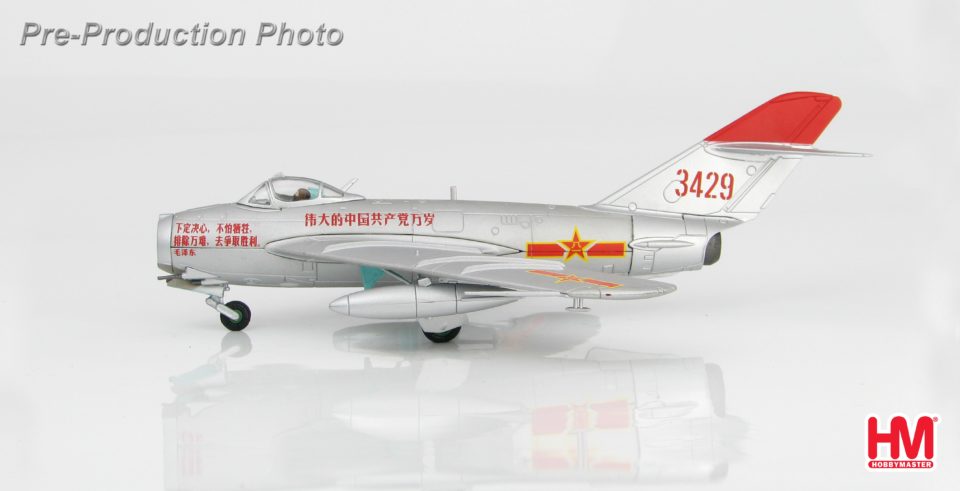
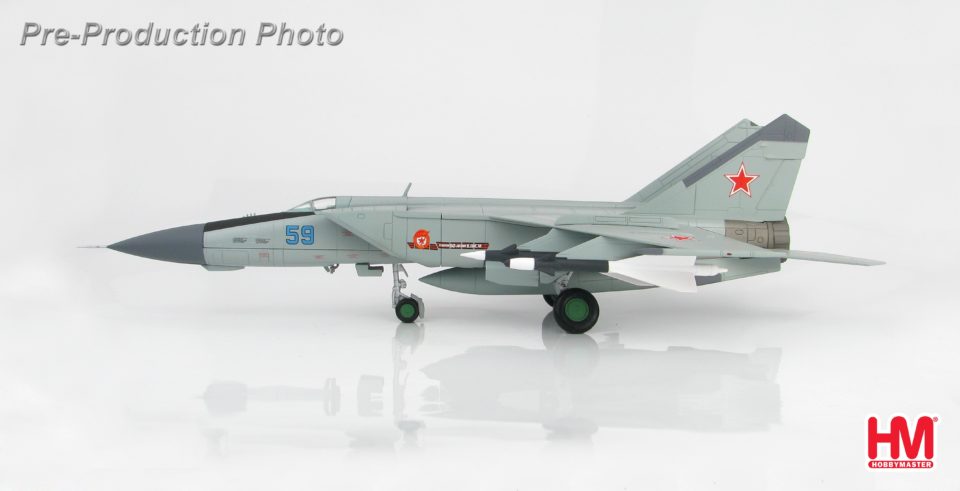
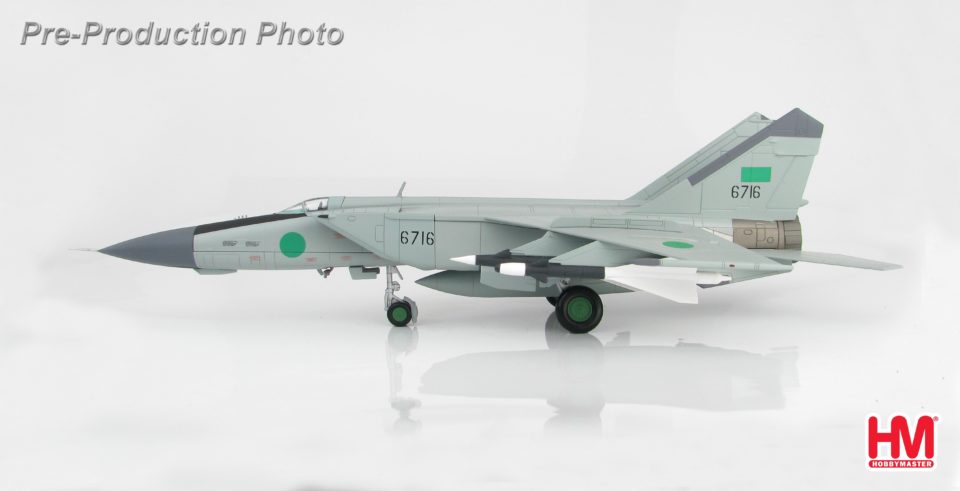
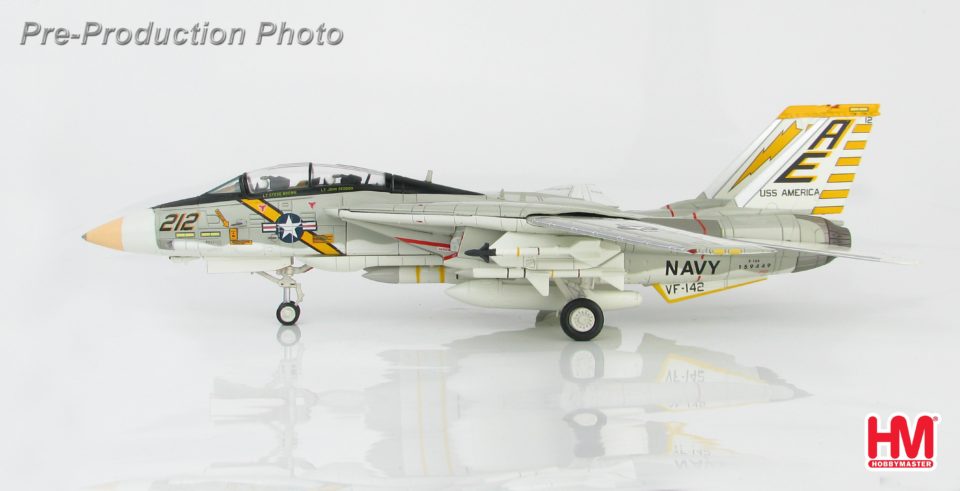
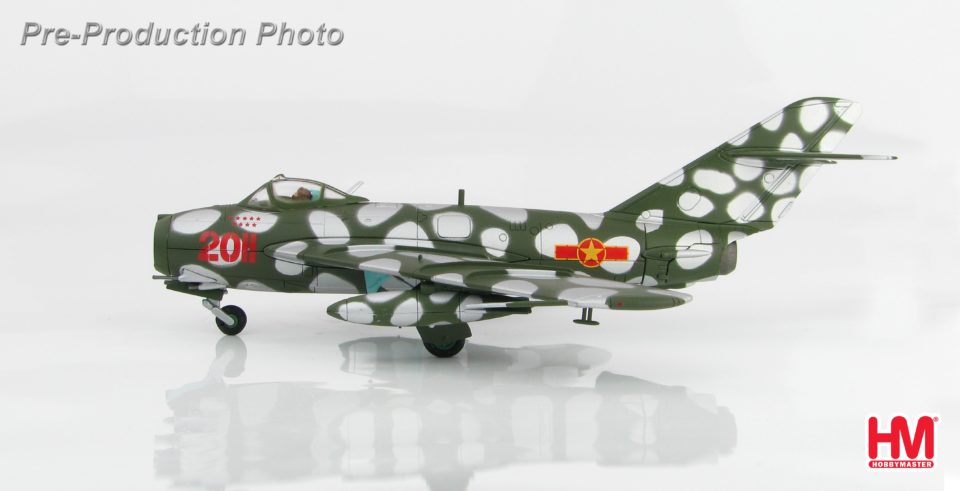
Hobbymaster new model arrivals in January 2018.
Please find listed below those models due to Flying Tigers in January next year. These are still available in small numbers to pre-order. Those models that do not appear here (and are due in a few weeks) have all already sold out at pre-order stage. Please click on the photo of your choice to go straight to the model page.
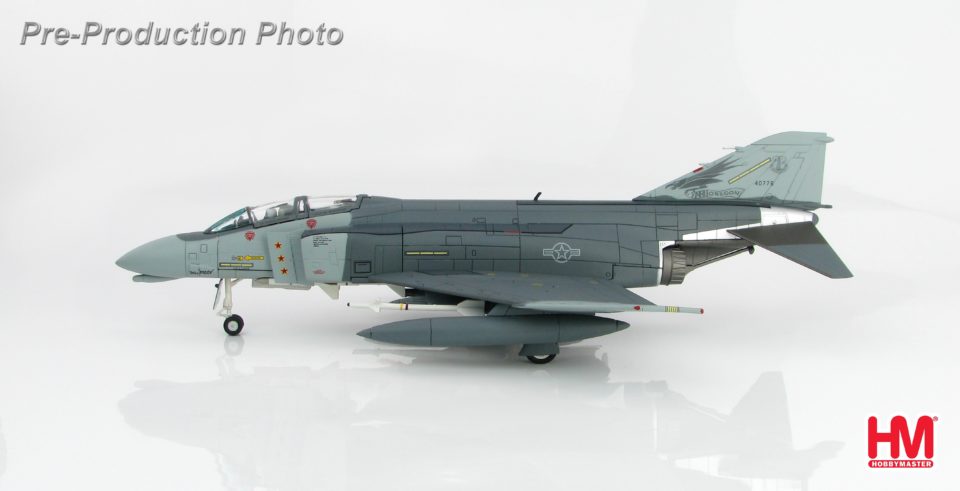
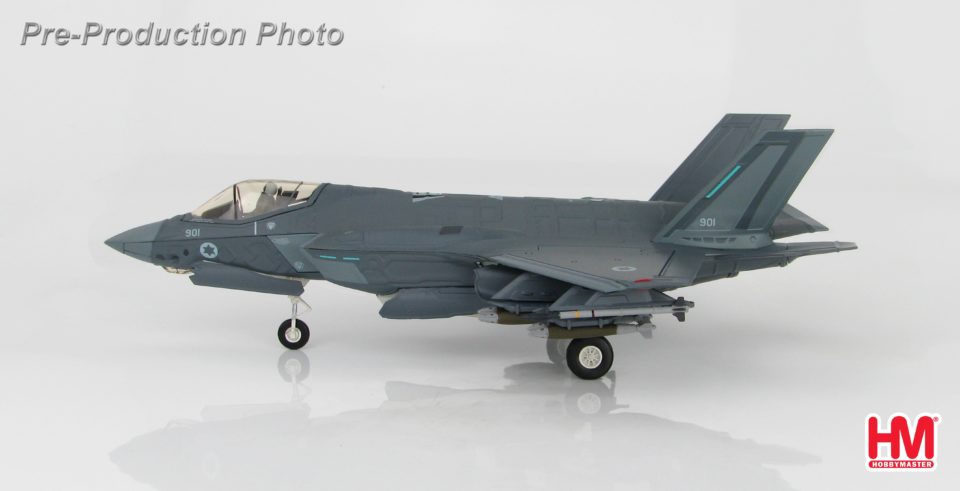
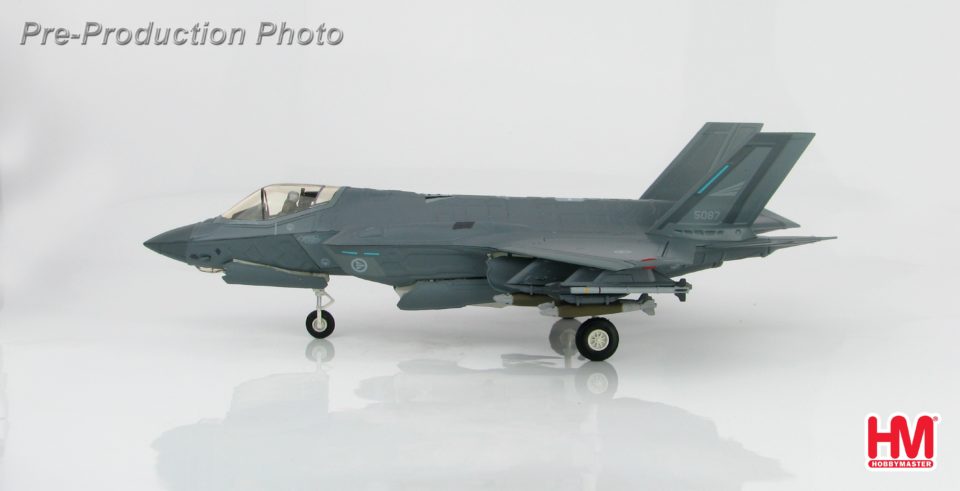
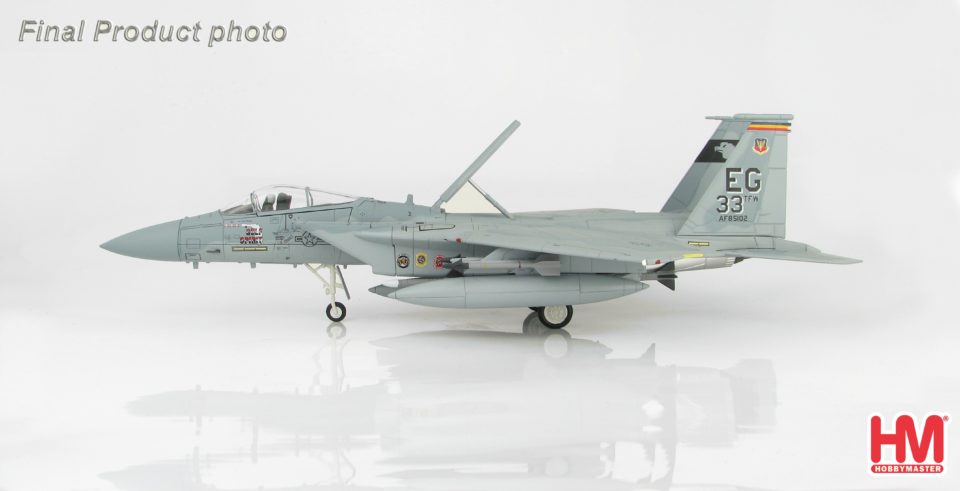
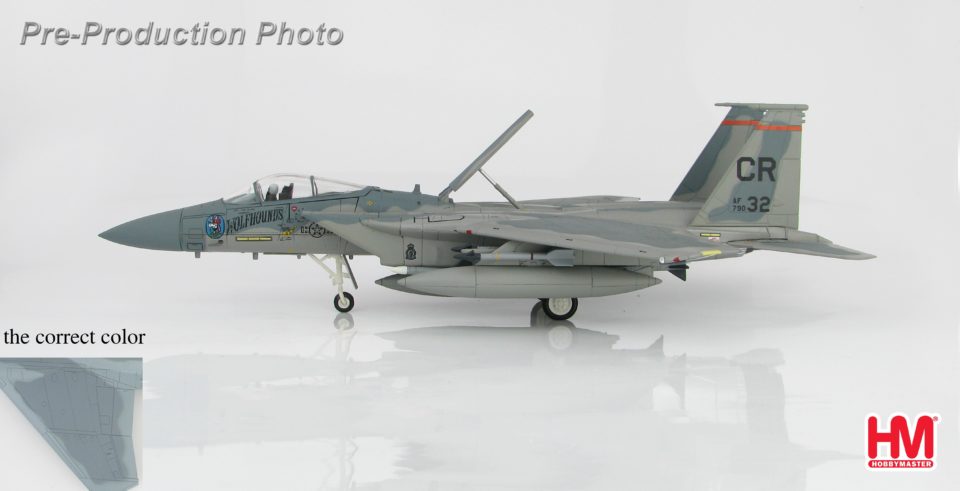
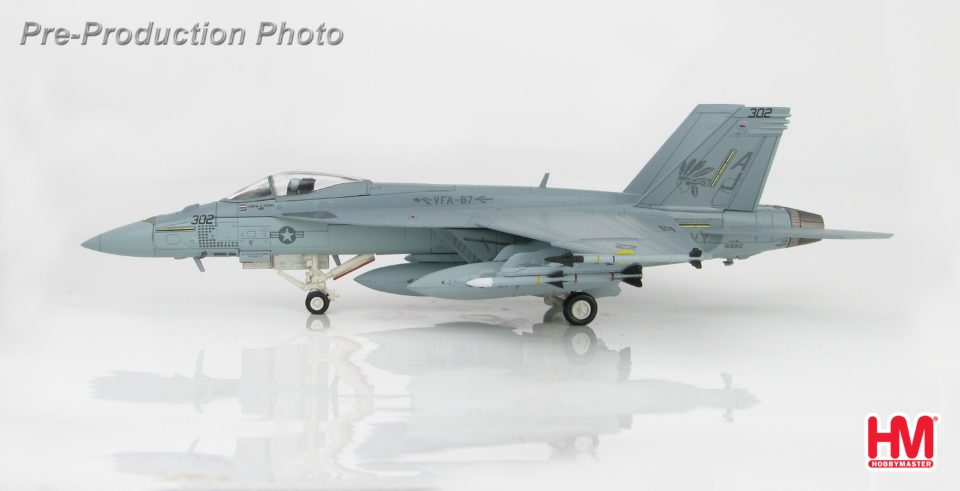

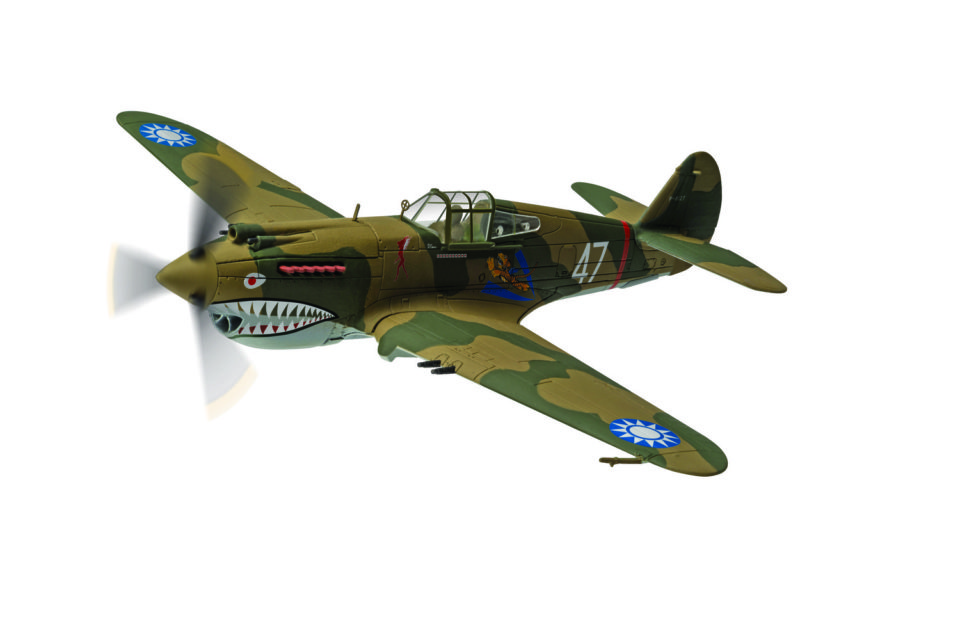
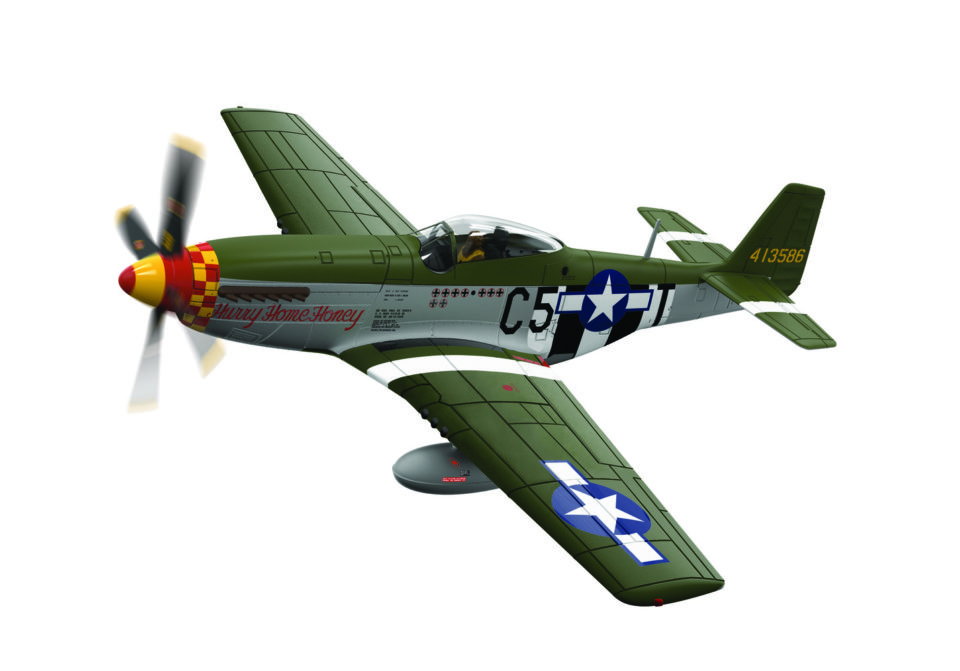
Corgi New Year Arrivals.
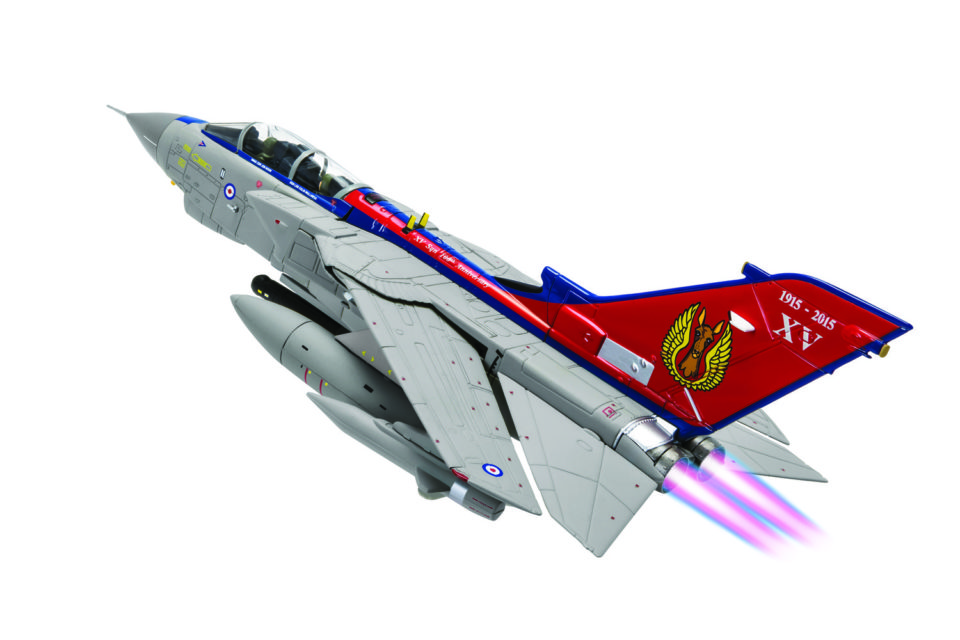
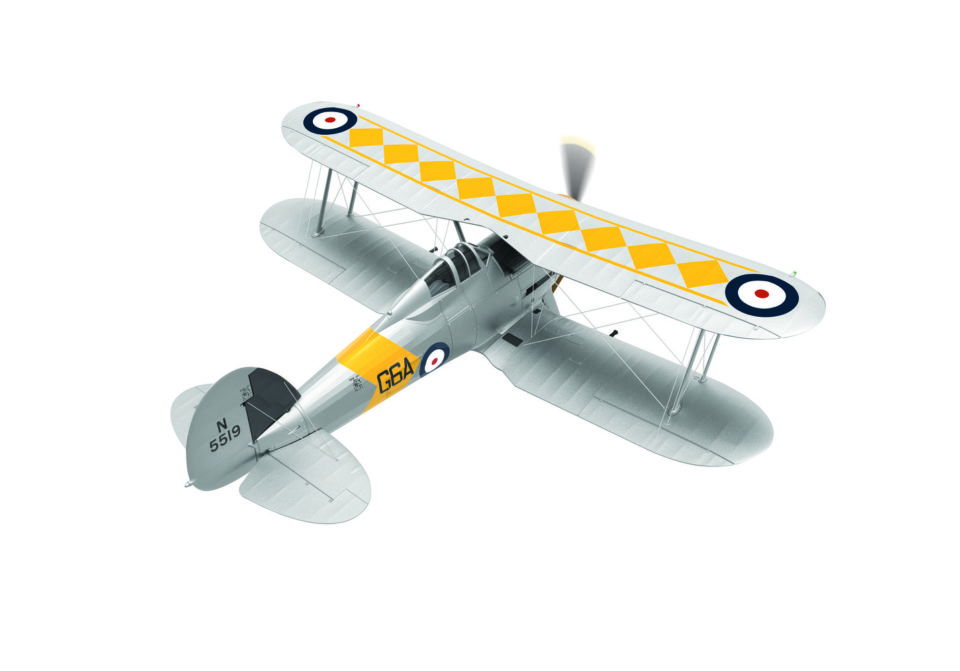
Please find the Corgi Aviation Archive models listed below due to arrive at Flying Tigers in January next year. These are still available in small numbers to pre-order.
However, Corgi have announced that prices will be going up on some of these models ( I do not know which ones yet) as from the 29th December. Obviously Flying Tigers will honour the prices on pre-orders already placed and on orders placed before this date. Please click on the photo of your choice to go straight to the model page.
If you want one of these it might be safer to place you order now rather than waiting until the New Year.





Flying Tigers Christmas and New Year Opening Times.
Flying Tigers website is OPEN for business 365 days a year 24 hours a day.
Flying Tigers office and warehouse will be open / closed on the following days:-
Friday 22nd OPEN, but no dispatches will be made.
Weekends… always closed.
Christmas Day closed
Boxing Day closed.
December 27th to the 29th closed.
New Year’s Day closed.
Tuesday 2nd January onwards business as usual.
Thank you for reading this week’s Newsletter.
Also, thank you to all my customers for their business and support throughout the year.
This is wishing you and yours a very Merry Christmas and a Happy and Prosperous New Year !
Richard.
Flying Tigers.