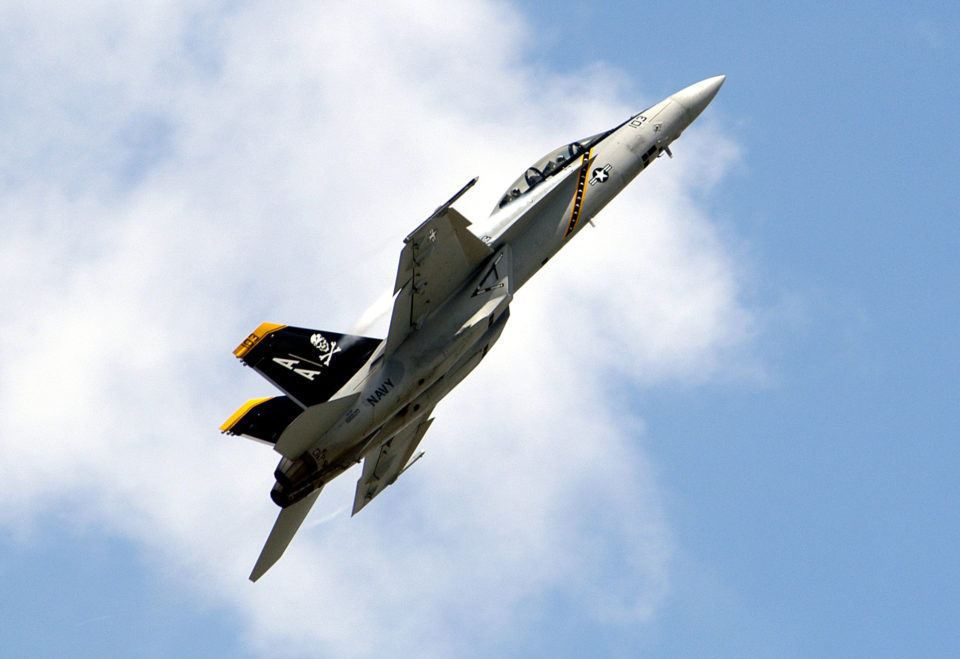
An F/A-18F Super Hornet “Jolly Rogers” of Strike Fighter Squadron One Zero Three (VFA-103).
The Boeing F/A-18E Super Hornet and related twin-seat F/A-18F are twin-engine carrier-capable multirole fighter aircraft variants based on the McDonnell Douglas F/A-18 Hornet. The F/A-18E single-seat and F/A-18F tandem-seat variants are larger and more advanced derivatives of the F/A-18C and D Hornet. The Super Hornet has an internal 20 mm M61 rotary cannon and can carry air-to-air missiles and air-to-surface weapons. Additional fuel can be carried in up to five external fuel tanks and the aircraft can be configured as an airborne tanker by adding an external air refuelling system.
Designed and initially produced by McDonnell Douglas, the Super Hornet first flew in 1995. Full-rate production began in September 1997, after the merger of McDonnell Douglas and Boeing the previous month. The Super Hornet entered service with the United States Navy in 1999, replacing the Grumman F-14 Tomcat, which was retired in 2006; the Super Hornet serves alongside the original Hornet. The Royal Australian Air Force (RAAF), which has operated the F/A-18A as its main fighter since 1984, ordered the F/A-18F in 2007 to replace its aging F-111 fleet. RAAF Super Hornets entered service in December 2010.
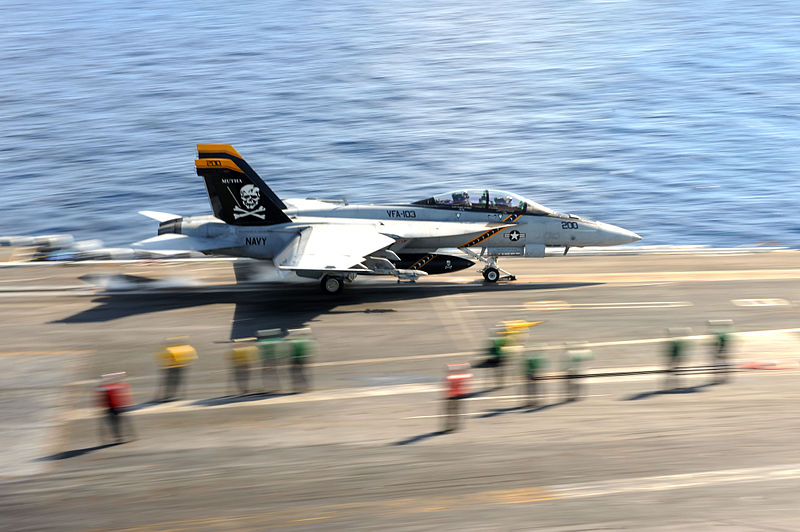
An FA-18F Super Hornet assigned to the Jolly Rogers of Strike Fighter Squadron (VFA) 103 launches from the flight deck of the aircraft carrier USS Dwight D. Eisenhower (CVN 69).
The Super Hornet is an evolutionary redesign of the McDonnell Douglas F/A-18 Hornet. The Super Hornet’s unique wing and tail configuration can be traced back to an internal Northrop project P-530, c. 1965; this had started as a substantial rework of the lightweight F-5E with a larger wing, twin tail fins and a distinctive leading edge root extension (LERX).Later flying as the Northrop YF-17 “Cobra”, it competed in the United States Air Force’s Lightweight Fighter (LWF) program to produce a smaller and simpler fighter to complement the larger McDonnell Douglas F-15 Eagle; the YF-17 lost the competition to the YF-16.
The Navy directed that the YF-17 be redesigned into the larger F/A-18 Hornet to meet a requirement for a multi-role fighter to complement the larger and more expensive Grumman F-14 Tomcat serving in fleet defence interceptor and air superiority roles. The Hornet proved to be effective but limited in combat radius. The concept of an enlarged Hornet was first proposed in the 1980s, which was marketed by McDonnell Douglas as Hornet 2000. The Hornet 2000 concept was an advanced F/A-18 with a larger wing and a longer fuselage to carry more fuel and more powerful engines.
The end of the Cold War led to a period of military budget cuts and considerable restructuring. At the same time, U.S. Naval Aviation faced a number of problems. The McDonnell Douglas A-12 Avenger II was cancelled in 1991 after the program ran into serious problems; it was intended to replace the obsolete Grumman A-6 Intruder and LTV A-7 Corsair II. The Navy considered updating an existing design as a more attractive approach to a clean-sheet program. As an alternative to the A-12, McDonnell Douglas proposed the “Super Hornet” (initially “Hornet II” in the 1980s), an improvement of the successful previous F/A-18 models, which could serve as an alternate replacement for the A-6 Intruder. The next-generation Hornet design proved more attractive than Grumman’s Quick Strike upgrade to the F-14 Tomcat, which was regarded as an insufficient technological leap over existing F-14s.
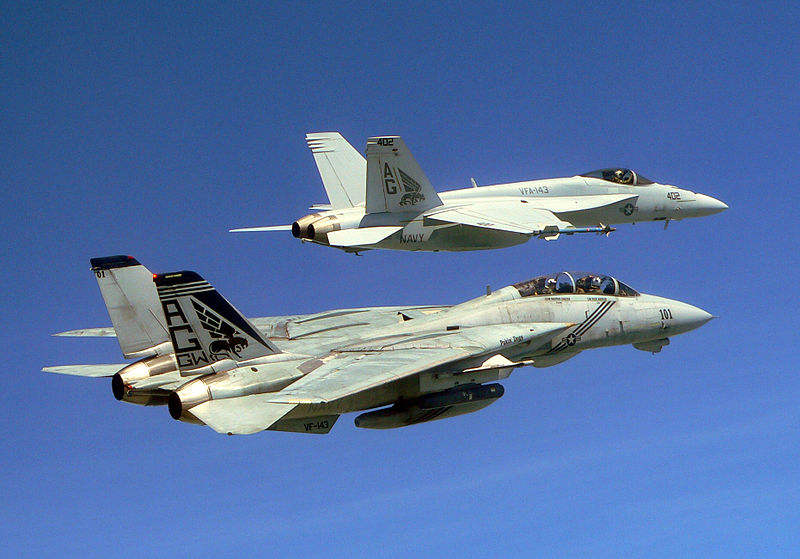
VFA-143 “Pukin Dogs” F-14B and FA-18E in 2005
At the time, the Grumman F-14 Tomcat was the Navy’s primary air superiority fighter and fleet defence interceptor. Then-Secretary of Defense Dick Cheney described the F-14 as 1960s technology, and drastically cut back F-14D procurement in 1989 before cancelling production altogether in 1991, in favour of the updated F/A-18E/F. The decision to replace the Tomcat with an all-Hornet Carrier Air Wing was controversial; Vietnam War ace and Congressman Duke Cunningham criticized the Super Hornet as unproven design that compromised air superiority. In 1992, the Navy cancelled the Navy Advanced Tactical Fighter (NATF), which would have been a navalized variant of the Air Force’s Lockheed Martin F-22 Raptor. As a cheaper alternative to NATF, Grumman proposed substantial improvements to the F-14 beyond Quick Strike, but Congress rejected them as too costly and reaffirmed its commitment to the less expensive F/A-18E/F.
The Super Hornet was first ordered by the U.S. Navy in 1992. The Navy retained the F/A-18 designation to help sell the program to Congress as a low-risk “derivative”, though the Super Hornet is largely a new aircraft. The Hornet and Super Hornet share many characteristics, including avionics, ejection seats, radar, armament, mission computer software, and maintenance/operating procedures. The initial F/A-18E/F retained most of the avionics systems from the F/A-18C/D’s configuration at the time. The design would be expanded in the Super Hornet with an empty weight slightly greater than the F-15C.
The Super Hornet first flew on 29 November 1995. Initial production on the F/A-18E/F began in 1995. Flight testing started in 1996 with the F/A-18E/F’s first carrier landing in 1997. Low-rate production began in March 1997 with full production beginning in September 1997. Testing continued through 1999, finishing with sea trials and aerial refuelling demonstrations. Testing involved 3,100 test flights covering 4,600 flight hours. The Super Hornet underwent U.S. Navy operational tests and evaluations in 1999 and was approved in February 2000.
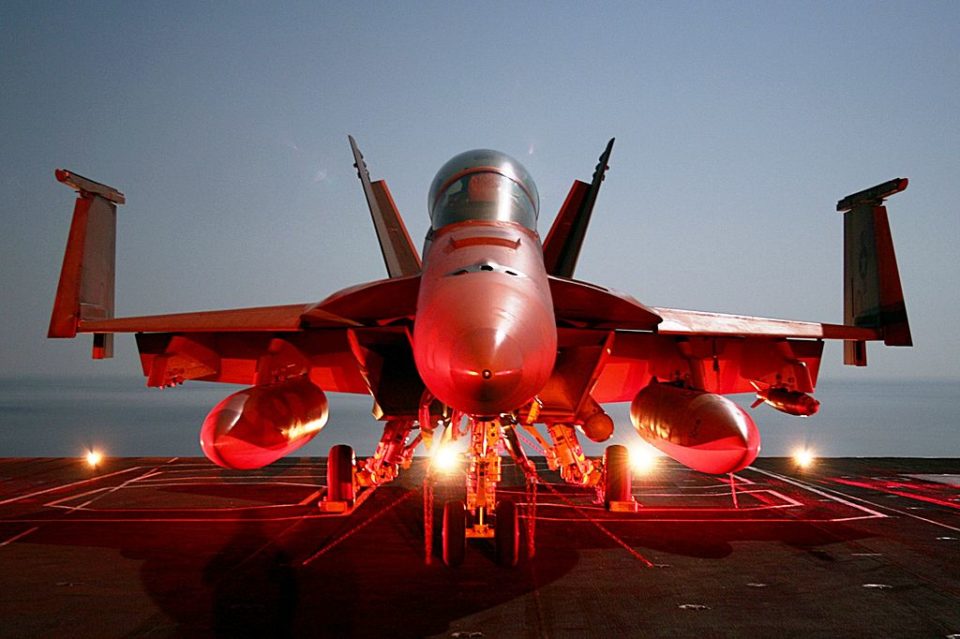
An F/A-18F parked on the flight deck of aircraft carrier Dwight D. Eisenhower, as the ship operates in the Arabian Sea, December 2006
With the retirement of the F-14 in 2006, all of the Navy’s combat jets are Hornet variants until the introduction of the F-35C Lightning II. The F/A-18E single-seat and F/A-18F two-seat aircraft took the place of the F-14 Tomcat, A-6 Intruder, Lockheed S-3 Viking, and KA-6D aircraft. An electronic warfare variant, the EA-18G Growler, replaces the EA-6B Prowler. The Navy calls this reduction in aircraft types a “neck-down”. During the Vietnam War era, the Super Hornet’s roles were performed by a combination of the A-1/A-4/A-7 (light attack), A-6 (medium attack), F-8/F-4 (fighter), RA-5C (recon), KA-3/KA-6 (tanker) and EA-6 (electronic warfare). It was anticipated that $1 billion in fleet wide annual savings would result from replacing other types with the Super Hornet. The Navy considers the Super Hornet’s acquisition a success, meeting cost, schedule, and weight (400 lb, 181 kg below) requirements.
The Hornet and Super Hornet share many characteristics, including avionics, ejection seats, radar, armament, mission computer software, and maintenance/operating procedures. The Super Hornet is largely a new aircraft at about 20% larger, 7,000 lb (3,200 kg) heavier empty weight, and 15,000 lb (6,800 kg) heavier maximum weight than the original Hornet. The Super Hornet carries 33% more internal fuel, increasing mission range by 41% and endurance by 50% over the “Legacy” Hornet. The empty weight of the Super Hornet is about 11,000 lb (5,000 kg) less than that of the F-14 Tomcat which it replaced, while approaching, but not matching, the F-14’s payload and range. As the Super Hornet is significantly heavier than the “legacy” Hornet, the catapult and arresting systems must be set differently. To aid safe flight operations and prevent confusion in radio calls, the Super Hornet is informally referred to as the “Rhino” to distinguish it from earlier Hornets. (The “Rhino” nickname was previously applied to the McDonnell Douglas F-4 Phantom II, which was retired from the fleet in 1987.)
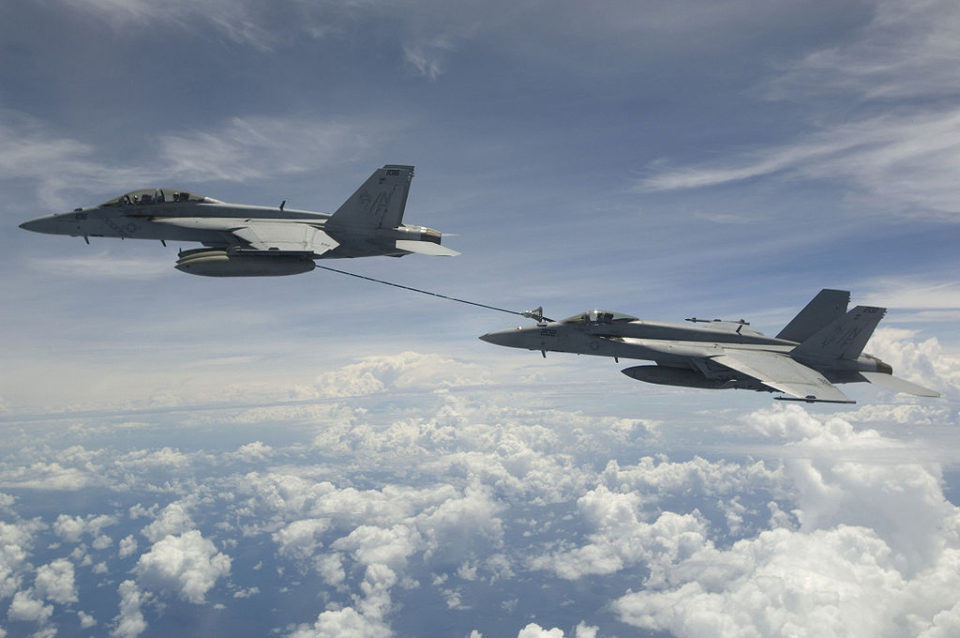
An F/A-18F refuelling an F/A-18E over the Bay of Bengal, 2007.
The Super Hornet, unlike the previous Hornet, is designed so it can be equipped with an aerial refuelling system (ARS) or “buddy store” for the refuelling of other aircraft, filling the tactical airborne tanker role the Navy had lost with the retirement of the KA-6D and Lockheed S-3B Viking tankers. The ARS includes an external 330 US gal (1,200 L) tank with hose reel on the centreline, along with four external 480 US gal (1,800 L) tanks and internal tanks, for a total of 29,000 lb (13,000 kg) of fuel on the aircraft. On typical missions a fifth of the air wing is dedicated to the tanker role, which consumes aircraft fatigue life expectancy faster than other missions.
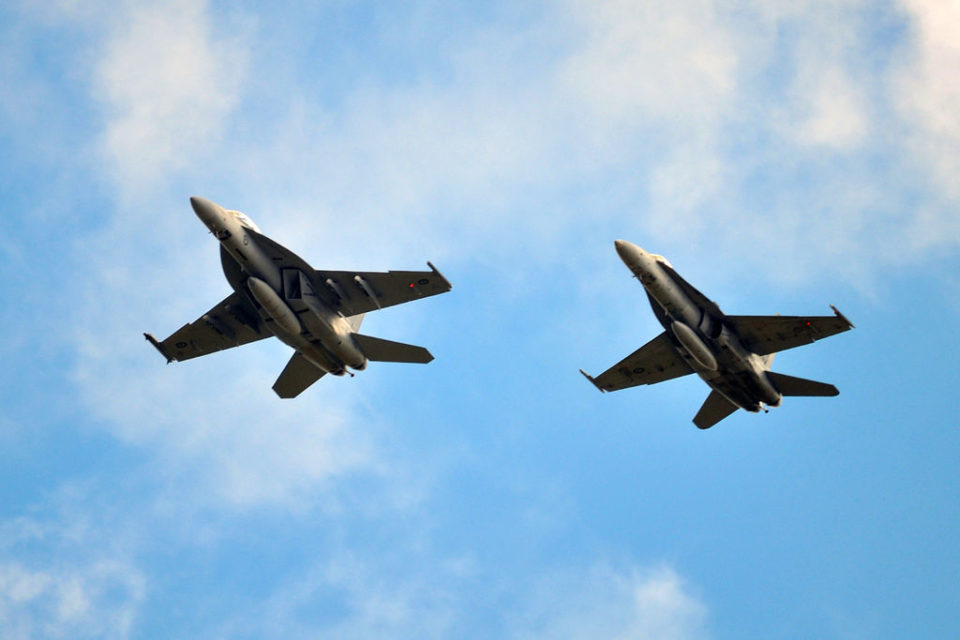
F/A-18F Super Hornet (left) and a F/A-18A Hornet (right)
The forward fuselage is unchanged, but the remainder of the aircraft shares little with earlier F/A-18C/D models. The fuselage was stretched by 34 in (86 cm) to make room for fuel and future avionics upgrades and increased the wing area by 25%. However, the Super Hornet has 42% fewer structural parts than the original Hornet design. The General Electric F414 engine, developed from the Hornet’s F404, has 35% additional thrust over most of the aircraft’s flight envelope. The Super Hornet can return to an aircraft carrier with a larger load of unspent fuel and munitions than the original Hornet; this ability is known as “bringback”, which for the Super Hornet is in excess of 9,000 lb (4,100 kg).
Other differences include intake ramps for the engines and two extra wing hard points for payload (for a total of 11), retaining previous hard points on the bottom centreline, wingtips, and two conformal fuselage positions. Among the most significant aerodynamic changes are the enlarged leading edge extensions (LEX) which provide improved vortex lifting characteristics in high angle of attack manoeuvres, and reduce the static stability margin to enhance pitching characteristics. This results in pitch rates in excess of 40 degrees per second, and high resistance to departure from controlled flight.
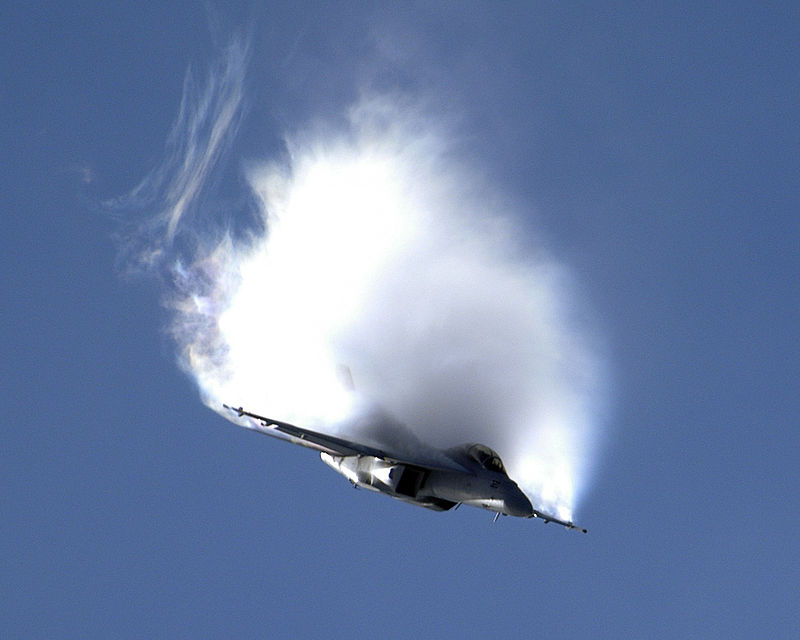
A VFA-122 F/A-18F pulling a high-g maneuver at the NAS Oceana In Pursuit of Liberty air show, 2004
Survivability is an important feature of the Super Hornet design. The U.S. Navy took a “balanced approach” to survivability in its design. This means that it does not rely on very low-observable technology, i.e. stealth. Instead, its design incorporates a combination of signature reduction, advanced electronic-warfare capabilities, reduced ballistic vulnerability, the use of standoff weapons, and innovative tactics that collectively enhance the safety of the fighter and crew in an affordable manner.
The F/A-18E/F’s radar cross-section was reduced greatly from some aspects, mainly the front and rear. The design of the engine inlets reduces the aircraft’s frontal radar cross-section. The alignment of the leading edges of the engine inlets is designed to scatter radiation to the sides. Fixed fan like reflecting structures in the inlet tunnel divert radar energy away from the rotating fan blades.
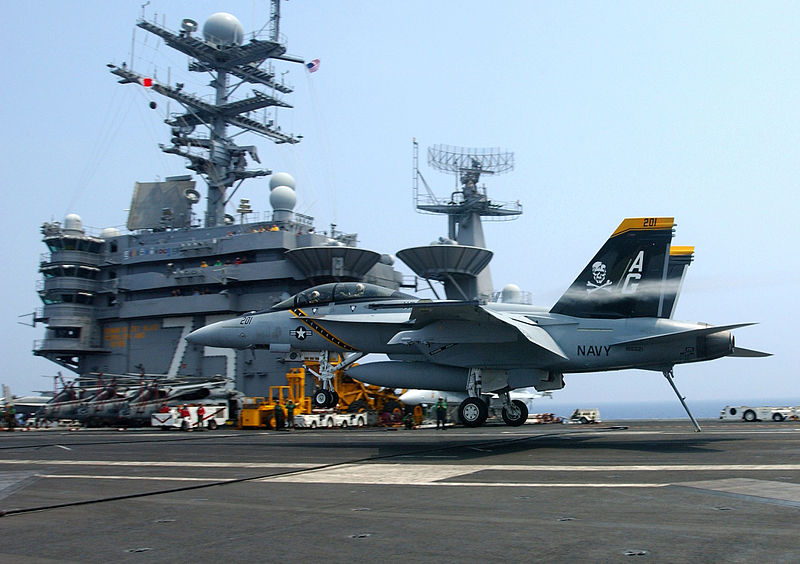
VFA-103 FA-18F Super Hornet lands on USS Harry S. Truman, in 2005
The Super Hornet also makes considerable use of panel joint serration and edge alignment. Considerable attention has been paid to the removal or filling of unnecessary surface join gaps and resonant cavities. Where the F/A-18A-D used grilles to cover various accessory exhaust and inlet ducts, the F/A-18E/F uses perforated panels that appear opaque to radar waves at the frequencies used. Careful attention has been paid to the alignment of many panel boundaries and edges, to direct reflected waves away from the aircraft in uniformly narrow angles.
The Super Hornet employs reportedly the most extensive radar cross section reduction measures of any contemporary fighter, other than the F-22 and F-35 as of 2004. While the F/A-18E/F is not a stealth fighter like the F-22, it will have a frontal radar cross-section an order of magnitude smaller than prior generation fighters. Additional changes for reducing RCS can be installed on an as-needed basis.
The Super Hornet achieved initial operating capability (IOC) in September 2001 with the U.S. Navy’s Strike Fighter Squadron 115 (VFA-115) at Naval Air Station Lemoore, California. VFA-115 was also the first unit to take their F/A-18 Super Hornets into combat. On 6 November 2002, two F/A-18Es conducted a “Response Option” strike in support of Operation Southern Watch on two surface-to-air missile launchers at Al Kut, Iraq and an air defence command and control bunker at Tallil air base. One of the pilots, Lieutenant John Turner, dropped 2,000 lb (910 kg) JDAM bombs from the Super Hornet for the first time during combat.
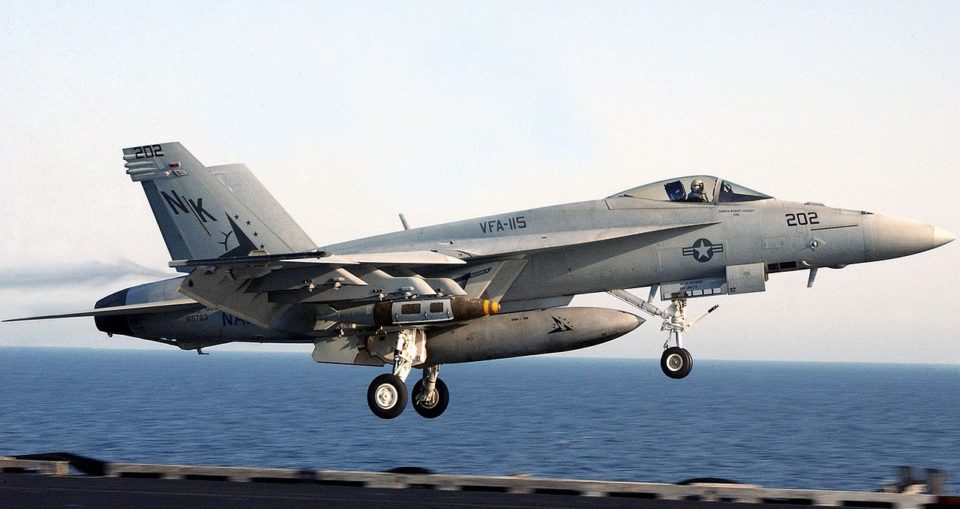
F/A-18E of VF-115 Super Hornet launching from the Abraham Lincoln
In support of Operation Iraqi Freedom (Iraq War), VFA-14, VFA-41 and VFA-115 flew close air support, strike, escort, SEAD and aerial refuelling sorties. Two F/A-18Es from VFA-14 and two F/A-18Fs from VFA-41 were forward deployed to the Abraham Lincoln. The VFA-14 aircraft flew mostly as aerial refuelers and the VFA-41 fighters as Forward Air Controller (Airborne) or FAC(A)s. On 6 April 2005, VFA-154 and VFA-147 (the latter squadron then still operating F/A-18Cs) dropped two 500-pound (230 kg) laser-guided bombs on an enemy insurgent location east of Baghdad.
In 8 September 2006, VFA-211 F/A-18F Super Hornets expended GBU-12 and GBU-38 bombs against Taliban fighters and Taliban fortifications west and northwest of Kandahar. This was the first time the unit had participated in an active combat capacity using the Super Hornet.
During the 2006–2007 cruise with Dwight D. Eisenhower, VFA-103 and VFA-143 supported Operations Iraqi Freedom, Enduring Freedom and operations off the Somali coast. Alongside “Legacy Hornet” squadrons, VFA-131 and VFA-83, they dropped 140 precision guided weapons and performed nearly 70 strafing runs. The Super Hornet can operate from the French carrier Charles de Gaulle (R91).
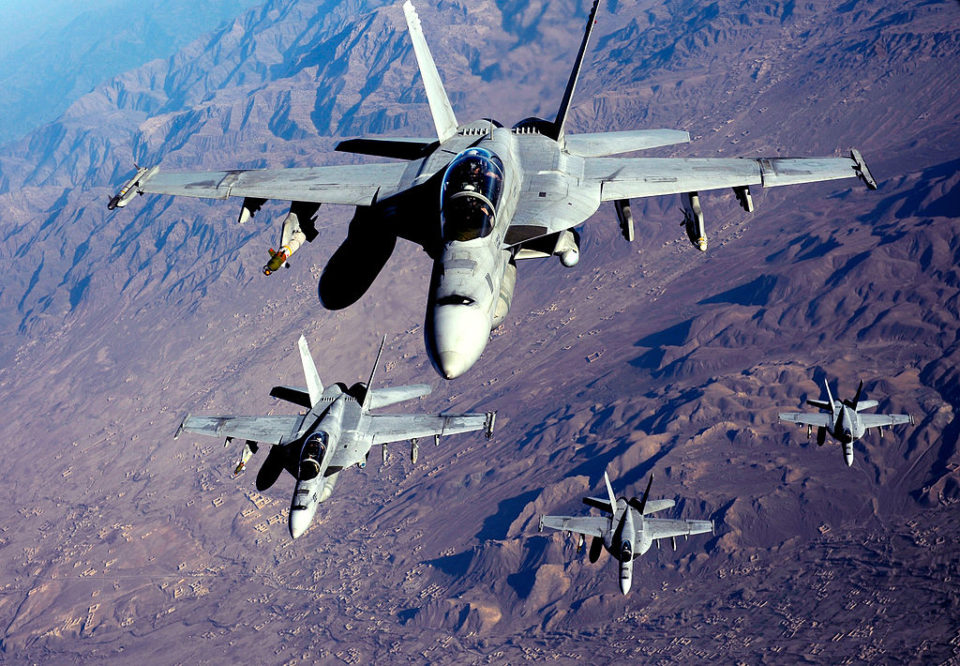
F/A-18Fs over Afghanistan in 2010
In 2007, Boeing proposed additional F/A-18E/Fs to the U.S. Navy in a multi-year contract. As of October 2008, Boeing had delivered 367 Super Hornets to the U.S. Navy. On 6 April 2009, Defense Secretary Gates announced that the Department of Defense intended to acquire 31 F/A-18s in FY2010. Congress requested the DoD study a further multi-year contract so that a projected fighter shortfall could be averted; in 2006, the Navy was 60 fighters below its validated aircraft requirement. The FY2010 budget bill authorized a multiyear purchase agreement for additional Super Hornets. A multi-year contract was finalized on 28 September 2010, reported as saving $600 million over individual yearly contracts, for 66 Super Hornets and 58 Growlers to mitigate a four-year delay in the F-35 program.
On 7 August 2014, U.S. defence officials announced they had been authorized to launch bombing missions upon Islamic State forces in northern Iraq. The decision to take direct action was made to protect U.S. personnel in the city of Irbil and to ensure the safety of transport aircraft making airdrops to Yazidi civilians. Early on 8 August 2014, two Super Hornets took off from the George H.W. Bush and dropped 500 lb laser-guided bombs on a “mobile artillery piece” the militants had been using to shell Kurdish forces defending the city. Later that day, four more aircraft struck a seven-vehicle convoy and a mortar position.
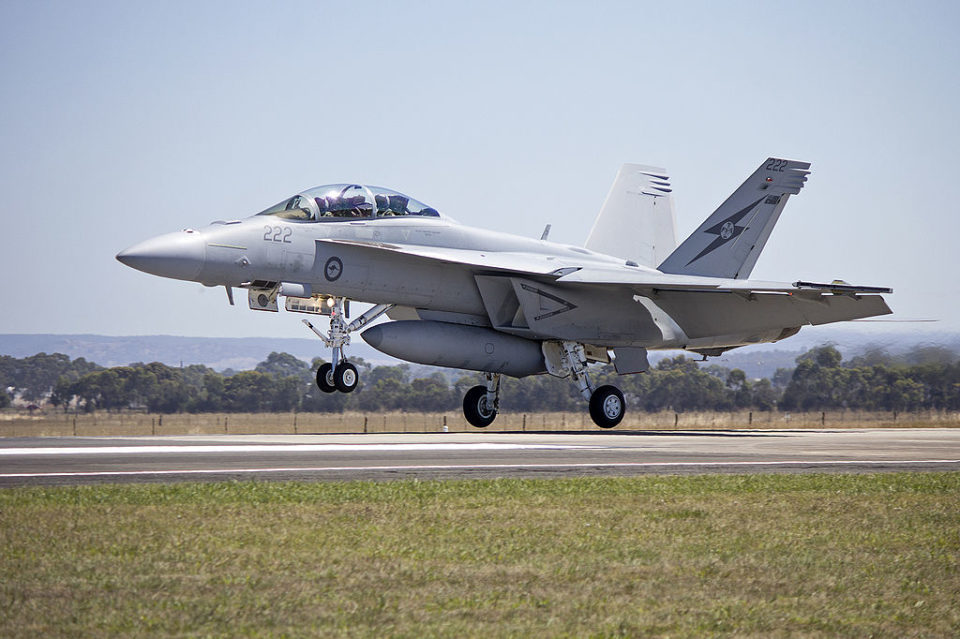
RAAF Super Hornet at the 2013 Avalon Airshow
On 3 May 2007, the Australian Government signed an A$2.9 billion contract to acquire 24 F/A-18Fs for the Royal Australian Air Force (RAAF) as an interim replacement for aging F-111s. The total cost with training and support over 10 years was expected to be A$6 billion (US$4.6 billion). The order was controversial. Air Vice Marshal (ret.) Peter Criss, a former Air Commander, said he was “absolutely astounded” that $6 billion would be spent on an interim aircraft, and cited evidence given by the U.S. Senate Armed Services Committee that the Super Hornet Block I’s specific excess power is inferior to the MiG-29 and Su-30 being operated, or ordered, by multiple air forces in South East Asia. Air Commodore (ret.) Ted Bushell stated that the F/A-18F could not perform the assigned role, and that the F-111 was suitable for the strategic deterrent/strike role until at least 2020. It was claimed the F/A-18F purchase may ease additional Australian Super Hornet sales, particularly if the F-35 program ran into more difficulty.
A review was announced on 31 December 2007, by the new Australian Labour government, as part of a wider review of the RAAF’s combat aircraft procurement plans. The main reasons given were concerns over operational suitability, the lack of a proper review process, and internal beliefs that an interim fighter was not required. On 17 March 2008, the Government announced that it would proceed with plans to acquire all 24 F/A-18Fs. Defence Minister Joel Fitzgibbon said that the Super Hornet was an “excellent aircraft”; he also indicated that costs and logistical factors contributed to the decision: the F-111’s retirement was “irreversible”; “only” the F/A-18F could meet the timeframe and that cancellation “would bring significant financial penalties and create understandable tensions between the contract partners.”
The Block II package aircraft offered to the RAAF include installed engines and six spares, APG-79 AESA radars, Link 16 connectivity, LAU-127 guided missile launchers, AN/ALE-55 fibre optic towed decoys and other equipment. The government has also sought U.S. export approval for Boeing EA-18G Growlers. On 27 February 2009, Fitzgibbon announced that 12 of the 24 Super Hornets would be wired on the production line for future modification as EA-18Gs. The additional wiring would cost A$35 million.
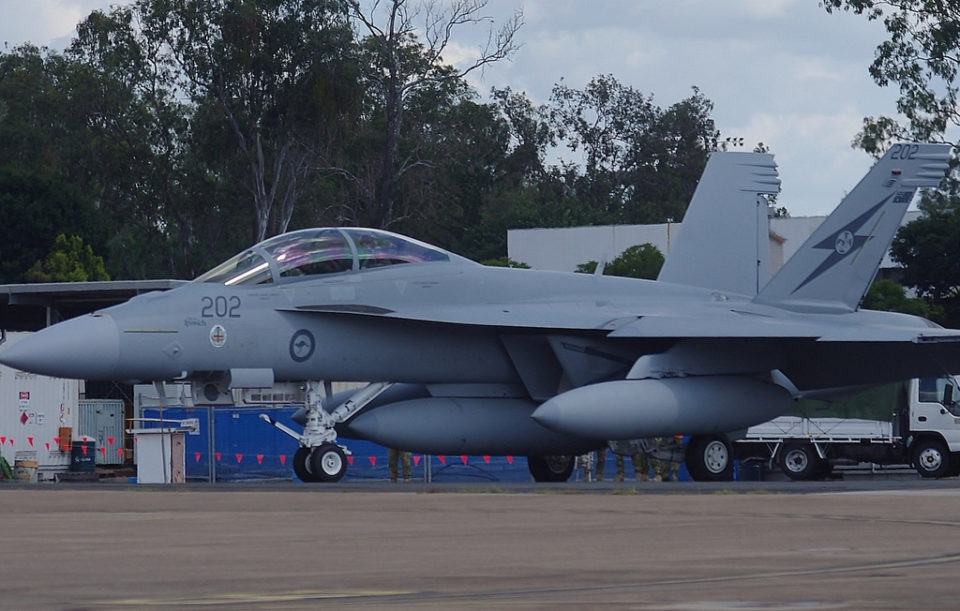
An RAAF FA-18F shortly after it first arrived in Amberley Australia
The first RAAF Super Hornet was completed in 2009 and first flew from Boeing’s factory in St. Louis, Missouri on 21 July 2009. RAAF crews began training in the USA in 2009. The RAAF’s first five F/A-18Fs arrived at their home base, RAAF Base Amberley in Queensland, on 26 March 2010; and were joined by six more aircraft on 7 July 2010. Following the arrival of another four aircraft in December 2010, the first RAAF F/A-18F squadron was declared operational on 9 December 2010.
In December 2012, the Australian government sought information from the United States about the cost of acquiring a further 24 F/A-18Fs., which may be purchased to avoid a capability gap due to F-35 program delays. In February 2013, the U.S. Defense Security Cooperation Agency notified Congress of a possible Foreign Military Sale to Australia for up to 12 F/A-18E/F and 12 EA-18G Growler aircraft with associated equipment, training and logistical support. In May 2013, Australia announced they would retain the 24 F/A-18F instead of converting them, and will order 12 new EA-18Gs.
On 24 September 2014, eight RAAF F/A-18Fs, along with a tanker, an early warning aircraft, and 400 personnel arrived in the United Arab Emirates to take part in operations against Islamic State (IS) militants. On 5 October 2014, the RAAF officially started combat missions over Iraq, with a pair of F/A-18Fs armed with GPS guided bombs and a KC-30A refuelling aircraft; they returned safely to base without attacking targets. On 8 October 2014, an Australian Super Hornet conducted its first attack against IS forces, dropping two bombs on an ISIL facility in northern Iraq.
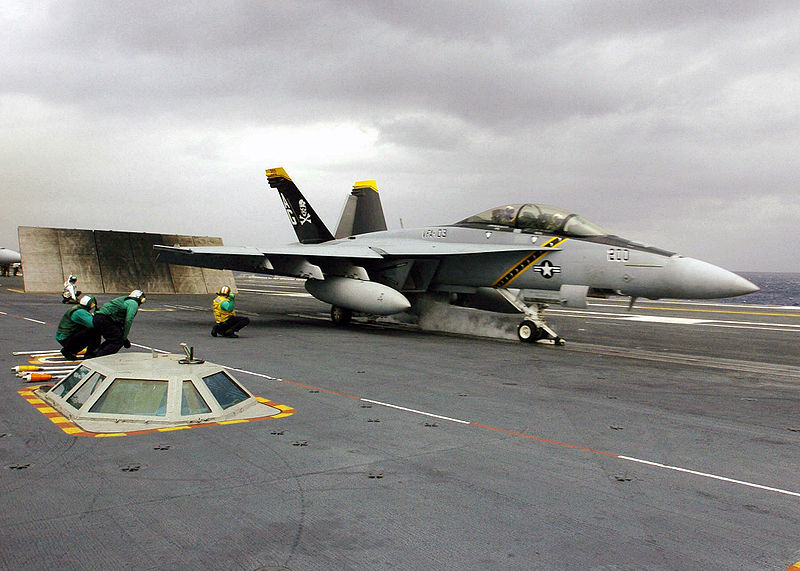
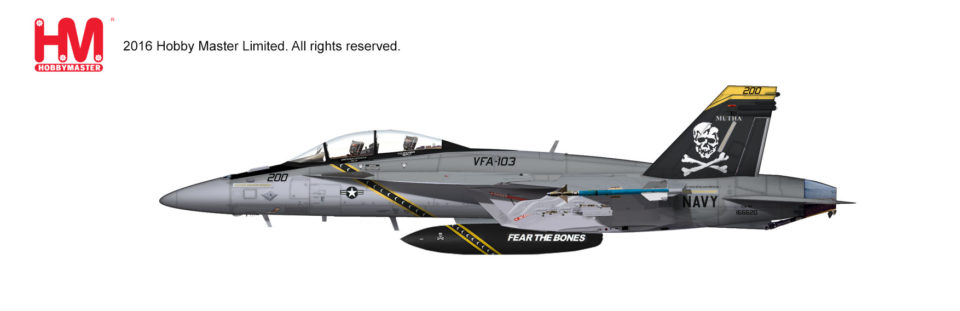
US Navy F/A-18F #166620 Super Hornet aircraft assigned to the “Jolly Rogers” of Strike Fighter Squadron 103 (VFA-103), prepares to launch from the flight deck of the Nimitz-class Aircraft Carrier USS Dwight D. Eisenhower.(The subject of Hobbymaster’s New Tooling release below)
Hobbymaster 1/72nd scale HA5102 McDonnell Douglas F/A-18F 166620, VFA-103, USS Eisenhower 2012.
I have added the latest Hobbymaster releases to the Flying Tigers website which includes the NEW TOOLING of HA5102 Hobbymaster McDonnell Douglas F/A-18F 166620, VFA-103, USS Eisenhower 2012
Please click on the images or links below to go to the model of your choice or CLICK HERE to go to all the latest pre-order announcements.
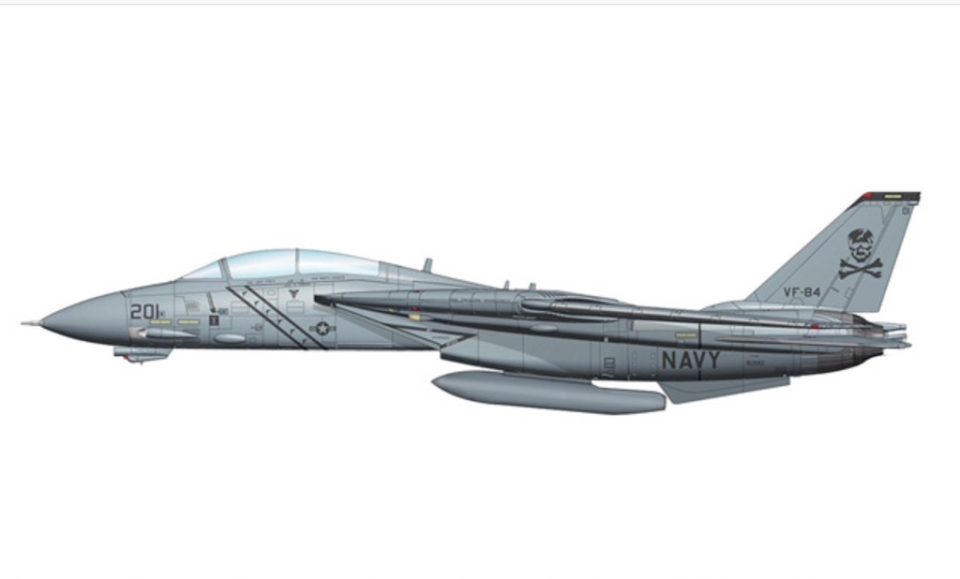
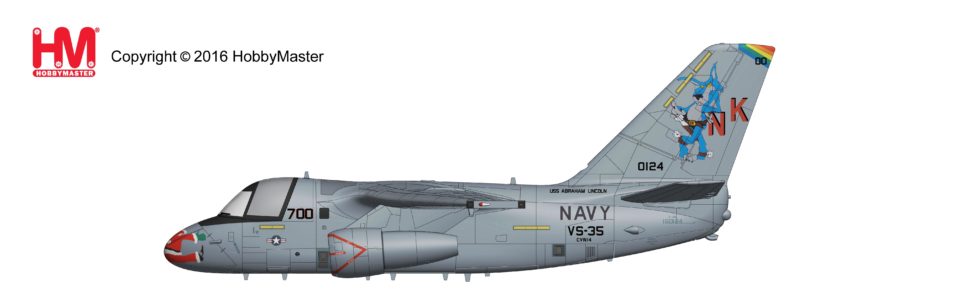
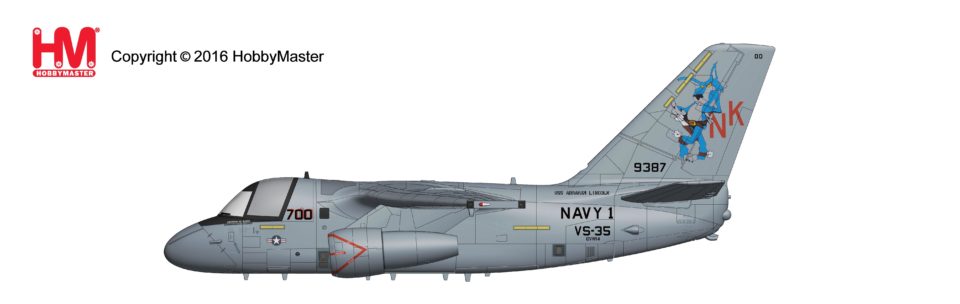
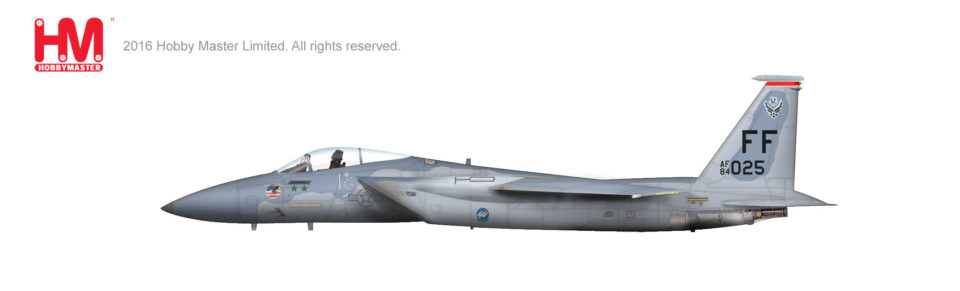
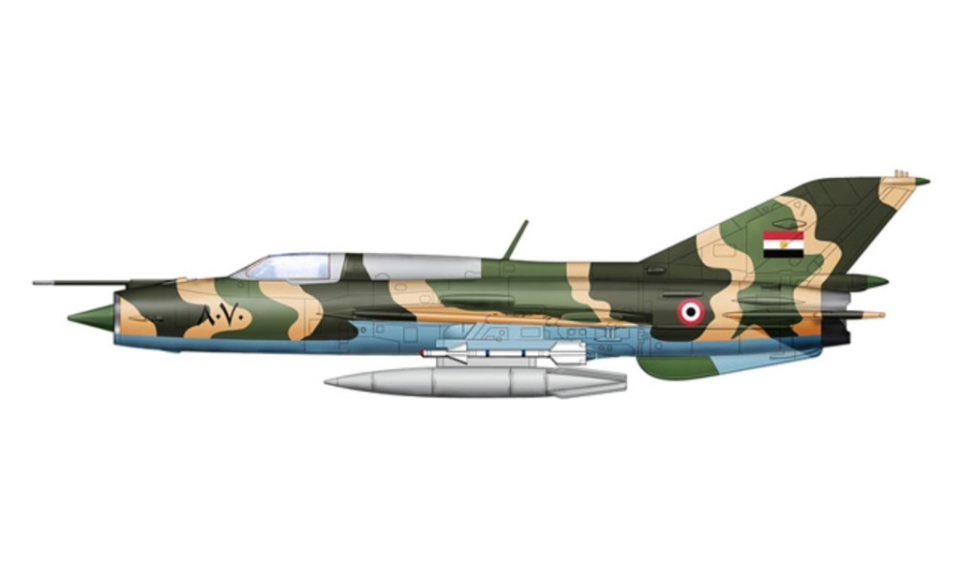
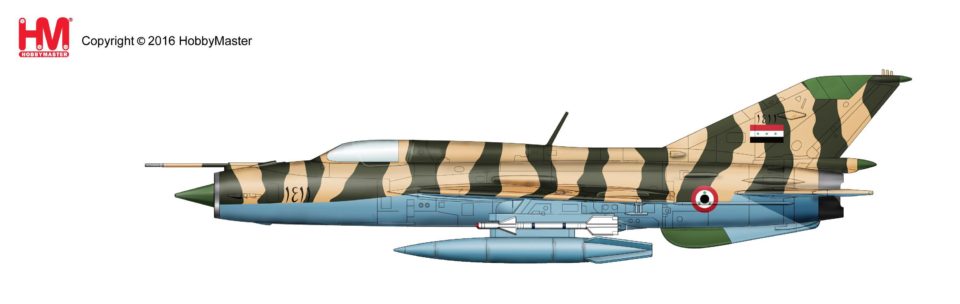
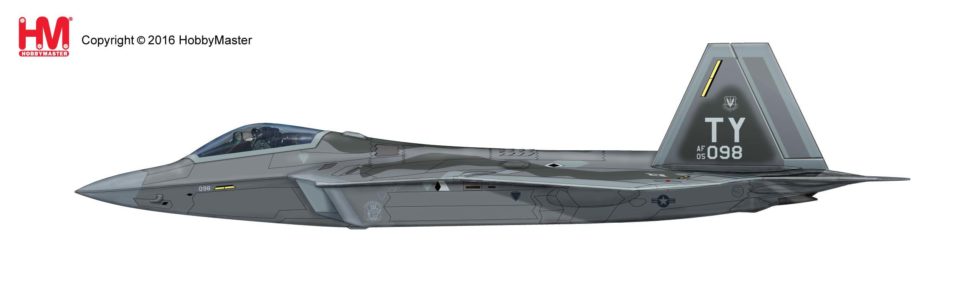
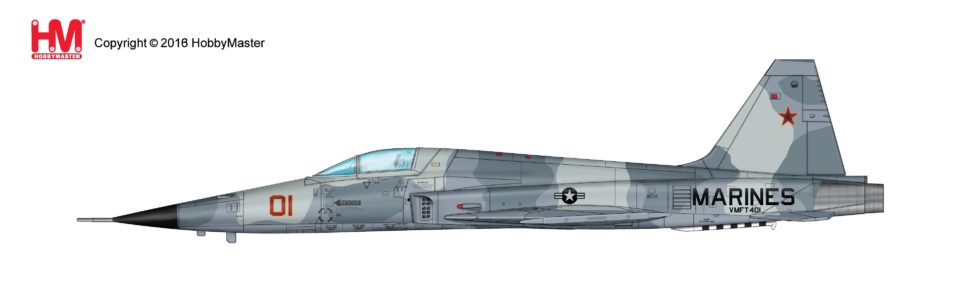
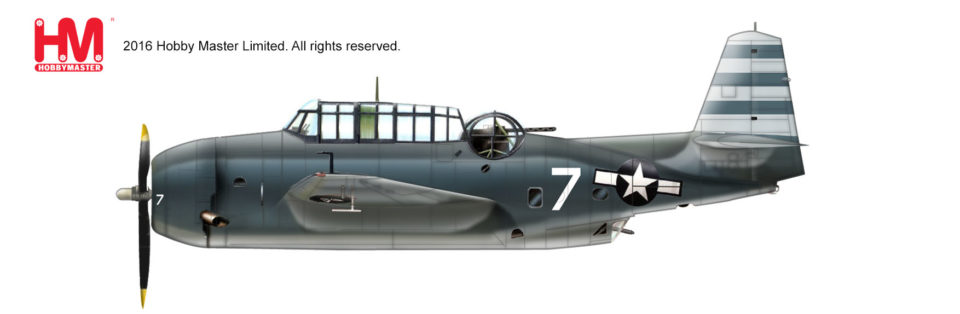
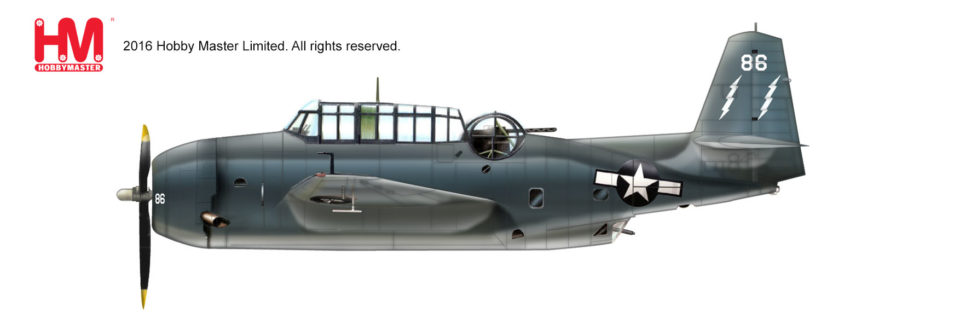
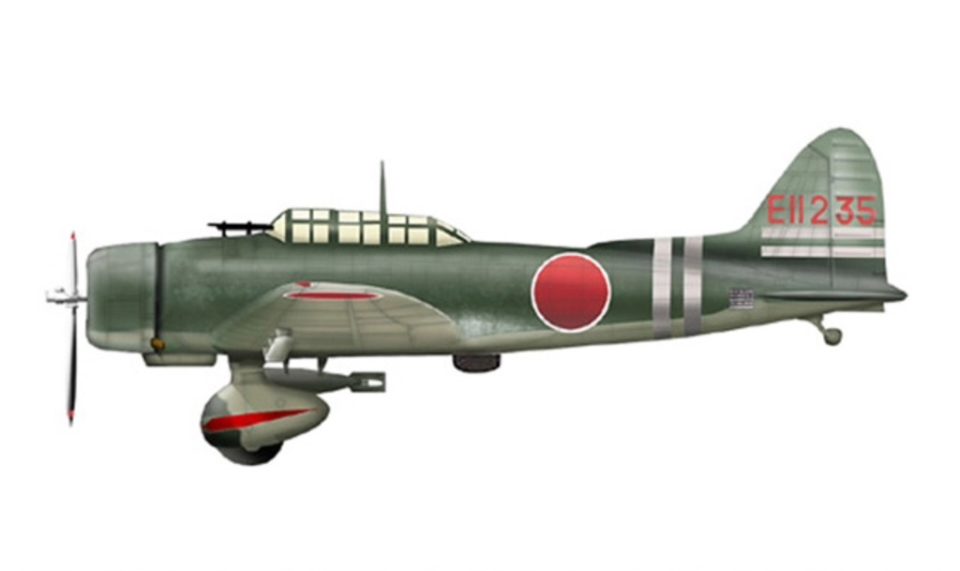
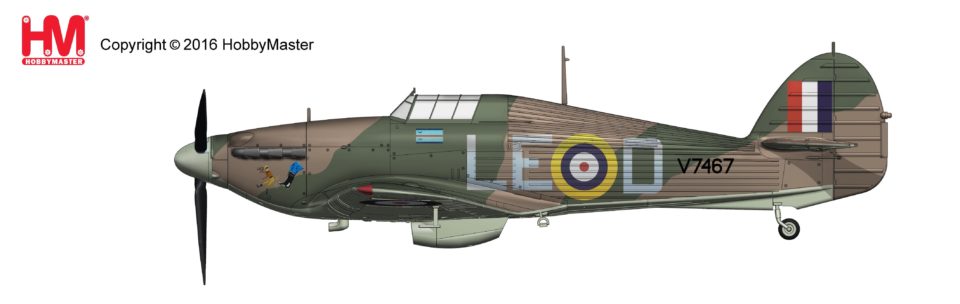
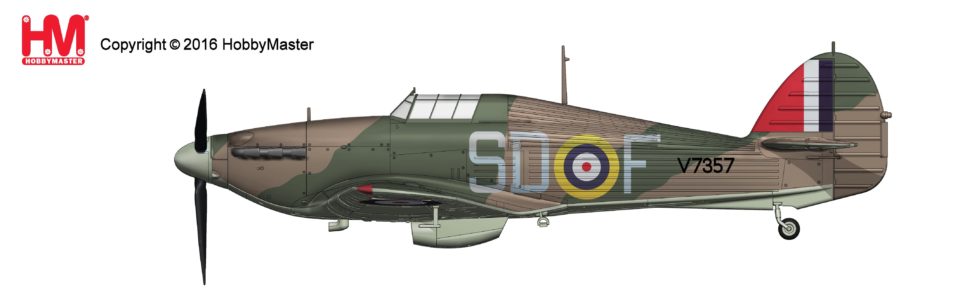
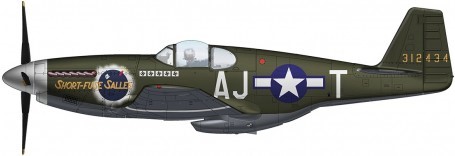
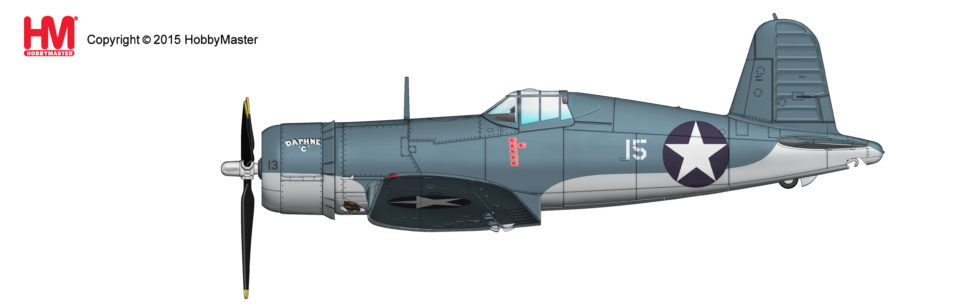

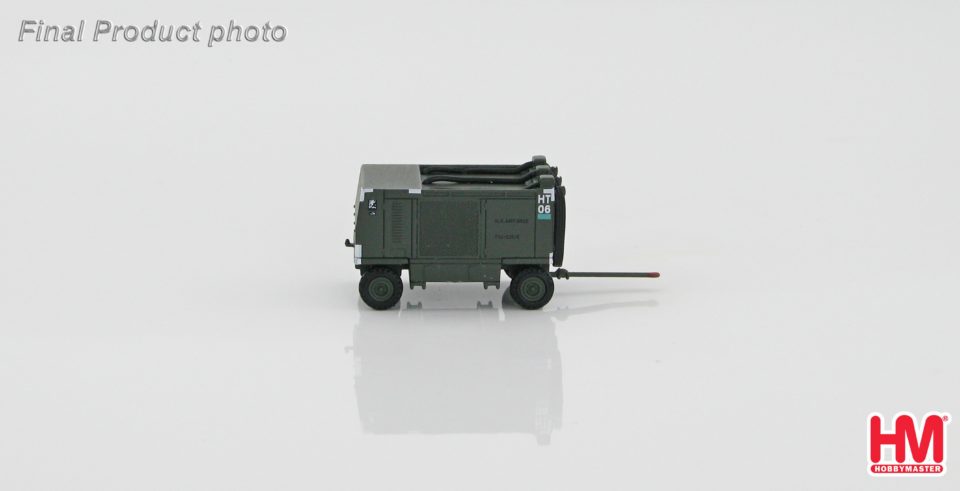
Hobbymaster 1/72nd scale HD3003B USAF Hydraulic Service Trolley RRP £17.00 Flying Tigers only £14.99
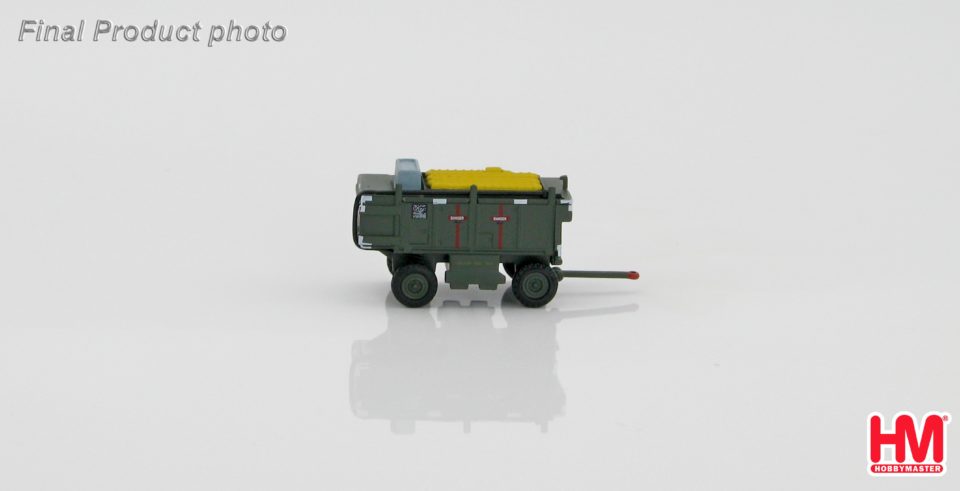
Flying Tigers “Offers of the Week “
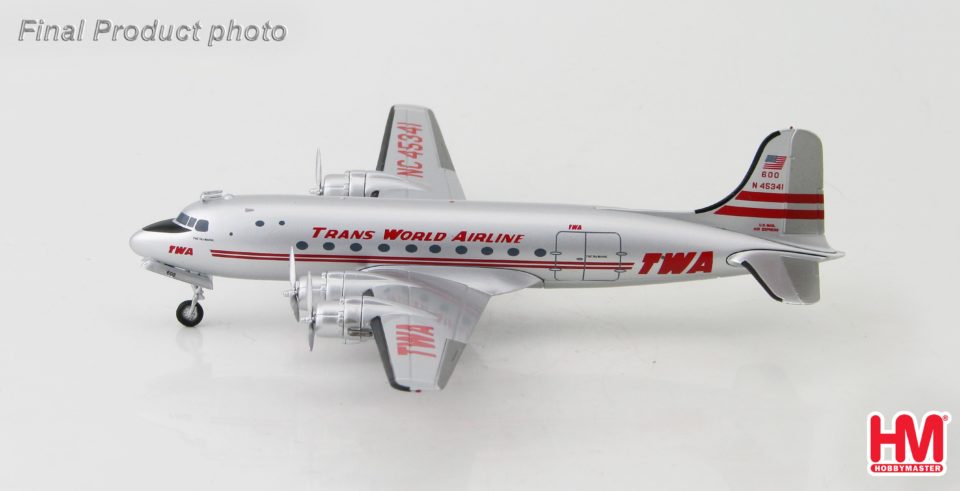
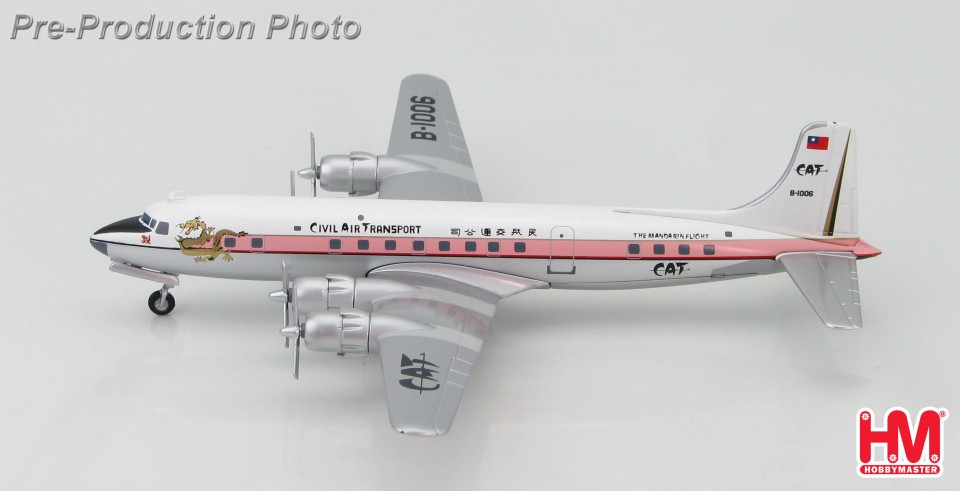
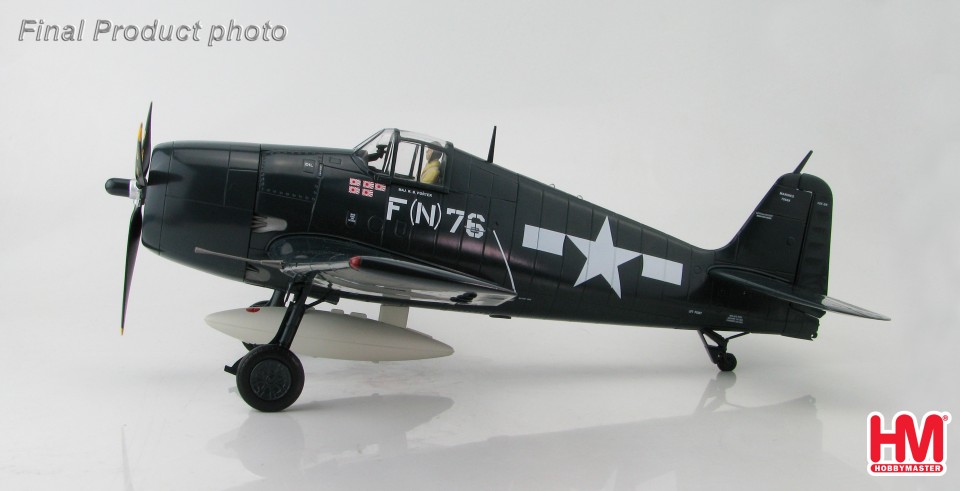
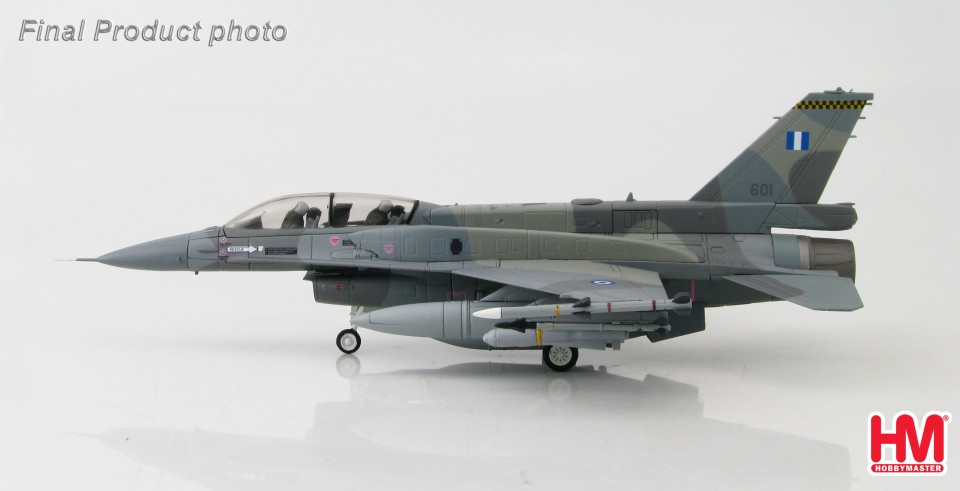
I have put the following items into the “Offers of the week ” section of the website. Stocks are very limited so be quick if you want to add one of these models to your collection. Please CLICK HERE to see them all or on the images of the models below to go straight to the model of your choice.
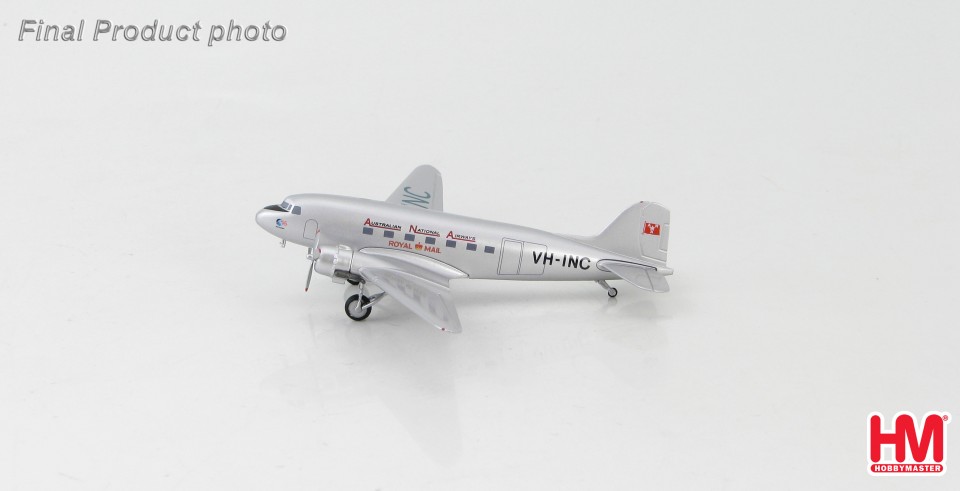
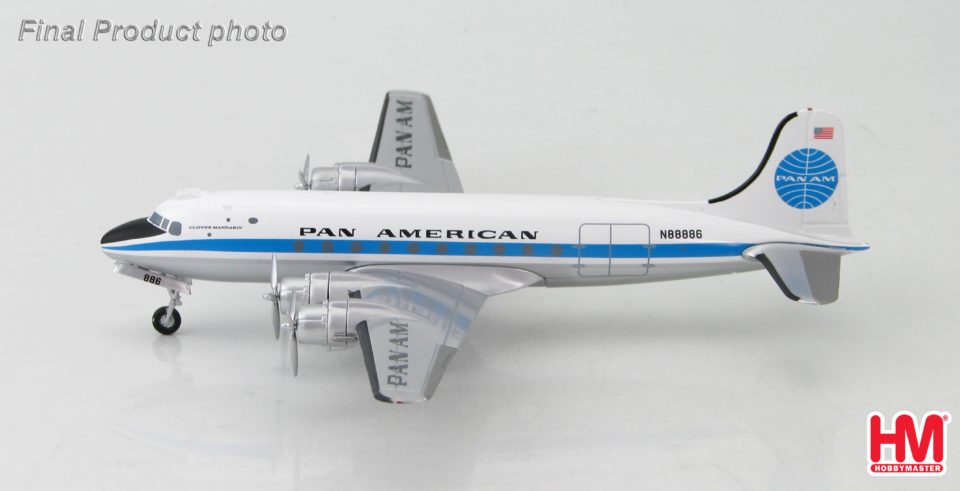
That’s all for this week !
Thanks for taking time to read this week’s Newsletter.
Richard.
Flying Tigers.