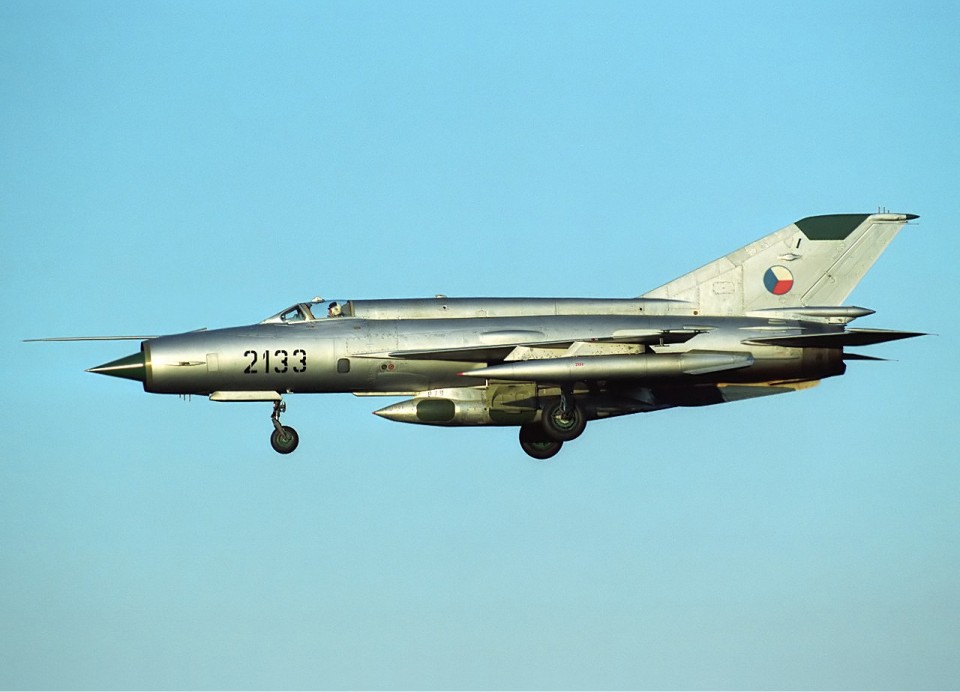
The Mikoyan-Gurevich MiG-21 (NATO reporting name Fishbed ) is a supersonic jet fighter aircraft, designed by the Mikoyan-Gurevich Design Bureau in the Soviet Union. It was popularly nicknamed “Balalaika”, from the aircraft’s planform-view resemblance to the Russian stringed musical instrument or “pencil” by Polish pilots due to the shape of its fuselage.Early versions are considered second-generation jet fighters, while later versions are considered to be third-generation jet fighters. Approximately 60 countries over four continents have flown the MiG-21, and it still serves many nations a half-century after its maiden flight. The fighter made aviation records. At least by name, it is the most-produced supersonic jet aircraft in aviation history and the most-produced combat aircraft since the Korean War, and it was previously the longest production run of a combat aircraft (now exceeded by both the Boeing F-15 and Lockheed-Martin F-16).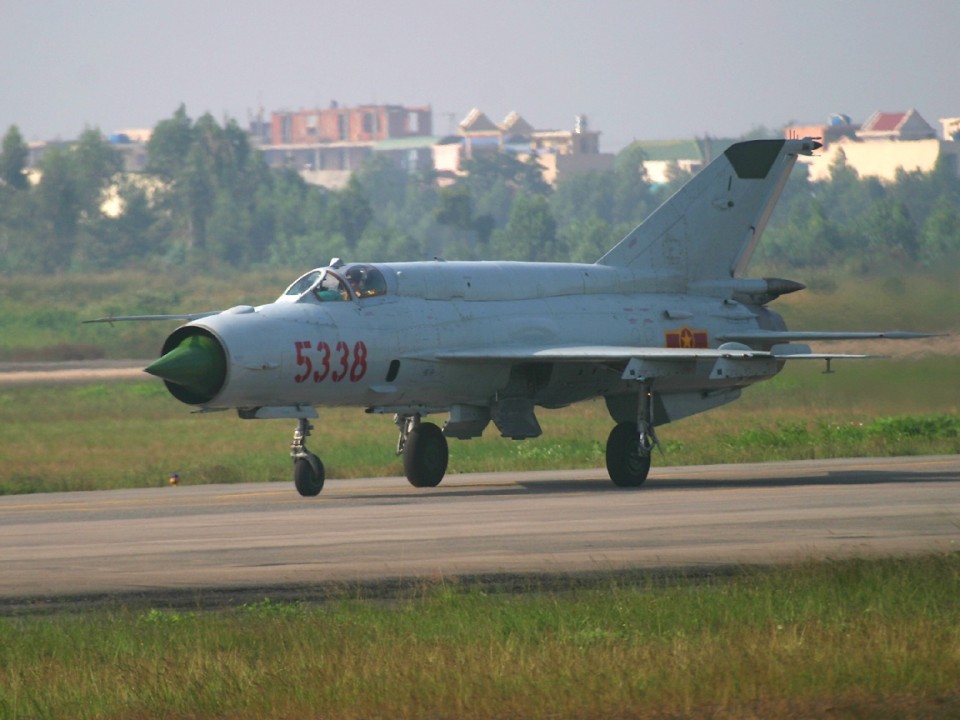
The MiG-21 jet fighter was a continuation of Soviet jet fighters, starting with the subsonic MiG-15 and MiG-17, and the supersonic MiG-19. A number of experimental Mach 2 Soviet designs were based on nose intakes with either swept-back wings, such as the Sukhoi Su-7, or tailed deltas, of which the MiG-21 would be the most successful.
Development of what would become the MiG-21 began in the early 1950s, when Mikoyan OKB finished a preliminary design study for a prototype designated Ye-1 in 1954. This project was very quickly reworked when it was determined that the planned engine was underpowered; the redesign led to the second prototype, the Ye-2. Both these and other early prototypes featured swept wings—the first prototype with delta wings as found on production variants was the Ye-4. The Ye-4 made its maiden flight on 16 June 1955 and made its first public appearance during the Soviet Aviation Day display at Moscow’s Tushino airfield in July 1956.
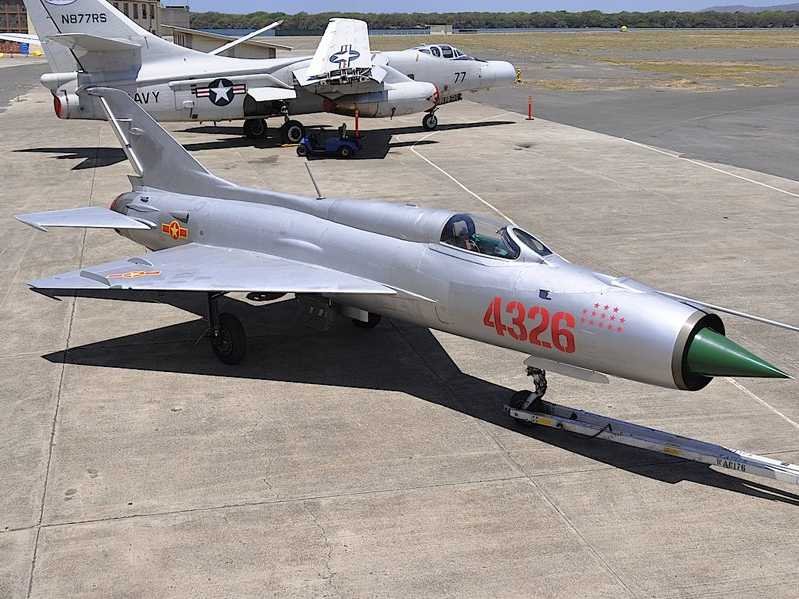
The MiG-21 was the first successful Soviet aircraft combining fighter and interceptor characteristics in a single aircraft. It was a lightweight fighter, achieving Mach 2 with a relatively low-powered afterburning turbojet, and is thus comparable to the American Lockheed F-104 Starfighter and Northrop F-5 Freedom Fighter and the French Dassault Mirage III.
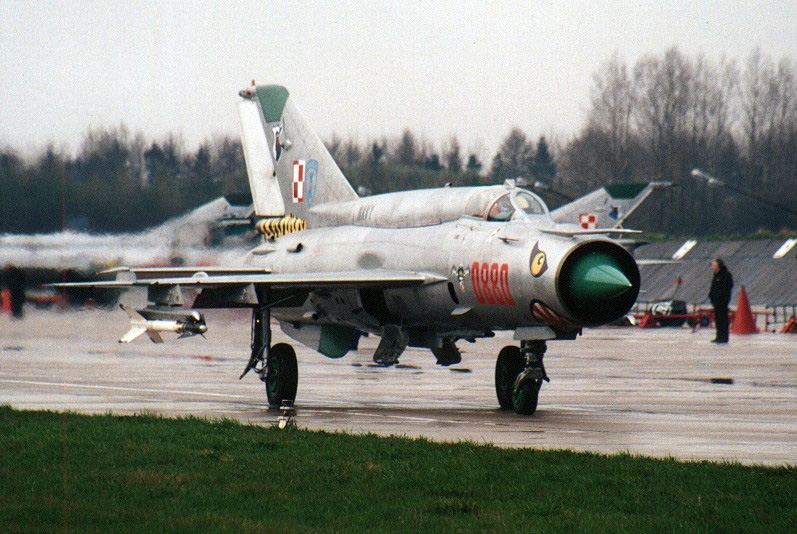
Like many aircraft designed as interceptors, the MiG-21 had a short range. This was not helped by the poor placement of the fuel tanks, which caused the airplane’s centre of gravity to shift rearwards once two-thirds of the fuel had been used. This had the effect of making the plane statically unstable to the point of being uncontrollable, resulting in an endurance of only 45 minutes in clean condition. Additionally when more than half the fuel was used up, violent maneuveurs prevented fuel from flowing into the engine, thereby causing it to shutdown mid-flight. The issue of the short endurance and low fuel capacity of the MiG-21F, PF, PFM, S/SM and M/MF variants—though each had a somewhat greater fuel capacity than its predecessor—led to the development of the MT and SMT variants. These had a range increase of 250 km (155 miles) compared to the MiG-21SM, but at the cost of worsening all other performance figures (such as a lower service ceiling and slower time to altitude).
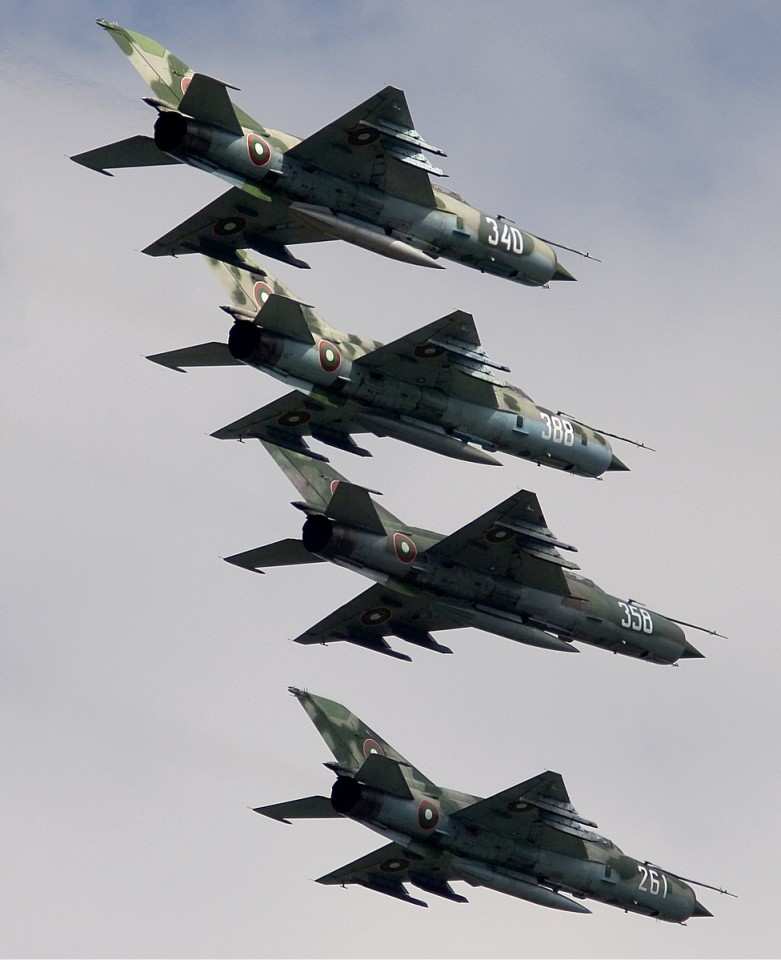
The delta wing, while excellent for a fast-climbing interceptor, meant any form of turning combat led to a rapid loss of speed. However, the light loading of the aircraft could mean that a climb rate of 235 m/s (46,250 ft./min) was possible with a combat-loaded MiG-21bis, not far short of the performance of the later F-16A. Given a skilled pilot and capable missiles, it could give a good account of itself against contemporary fighters. Its G-limits were increased from +7Gs in initial variants to +8.5Gs in the latest variants. It was replaced by the newer variable-geometry MiG-23 and MiG-27 for ground support duties. However, not until the MiG-29 would the Soviet Union ultimately replace the MiG-21 as a dogfighter to counter new American air superiority types.
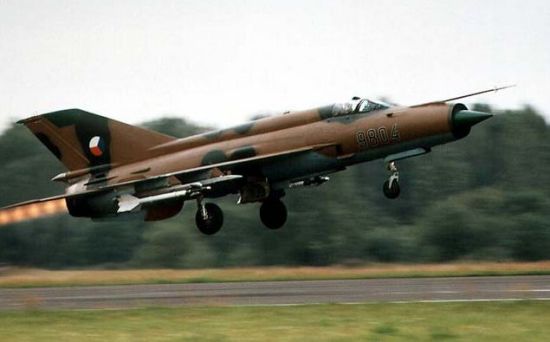
The MiG-21 was exported widely and continues to be used. The aircraft’s simple controls, engine, weapons, and avionics were typical of Soviet-era military designs. The use of a tail with the delta wing aids stability and control at the extremes of the flight envelope, enhancing safety for lower-skilled pilots; this in turn enhanced its marketability in exports to developing countries with limited training programs and restricted pilot pools. While technologically inferior to the more advanced fighters it often faced, low production and maintenance costs made it a favourite of nations buying Eastern Bloc military hardware. Several Russian, Israeli and Romanian firms have begun to offer upgrade packages to MiG-21 operators, designed to bring the aircraft up to a modern standard, with greatly upgraded avionics and armaments.
A total of 10,645 aircraft were built in the USSR. They were produced in three factories: 3,203 aircraft in Moscow ,5,765 aircraft in Gorky 1,678 aircraft in Tbilisi. Generally, Gorky built single-seaters for the Soviet forces. Moscow constructed single-seaters for export, and Tbilisi manufactured the twin-seaters both for export and for the USSR, though there were exceptions. The MiG-21R and MiG-21bis for export and for the USSR were built in Gorky, 17 single-seaters were helmed in Tbilisi (MiG-21 and MiG-21F), the MiG-21MF was first constructed in Moscow and then Gorky, and the MiG-21U was built in Moscow as well as in Tbilisi.
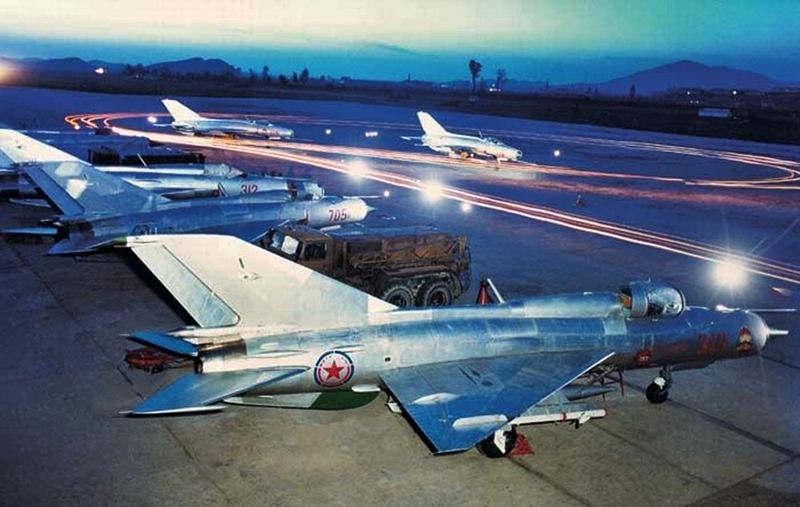
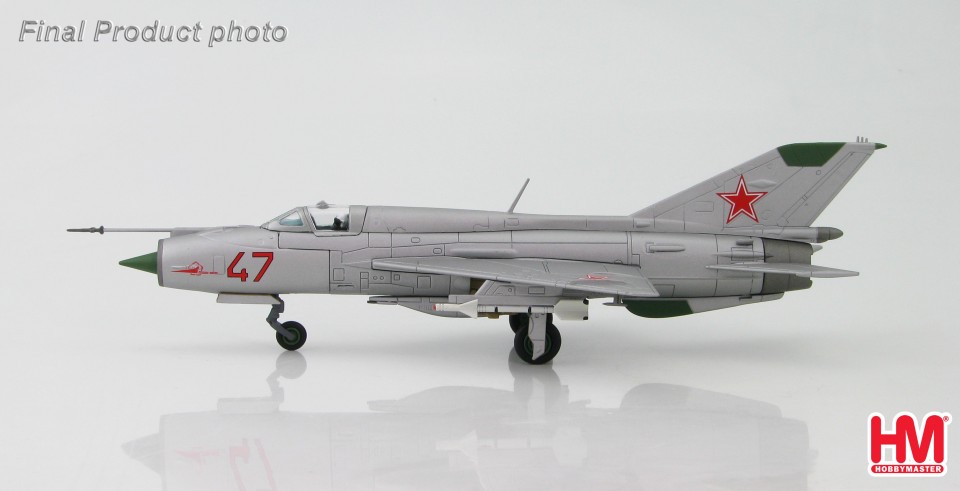
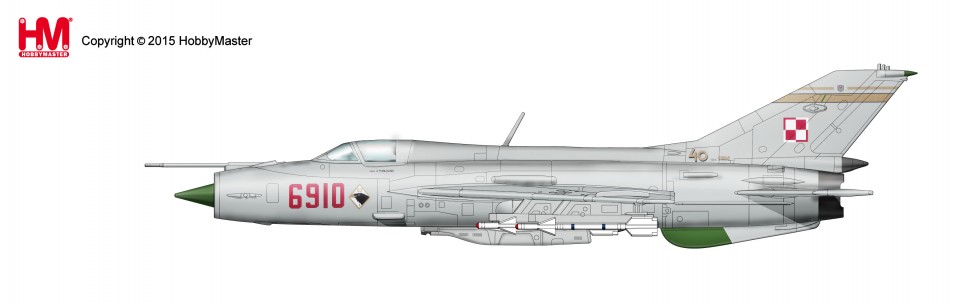
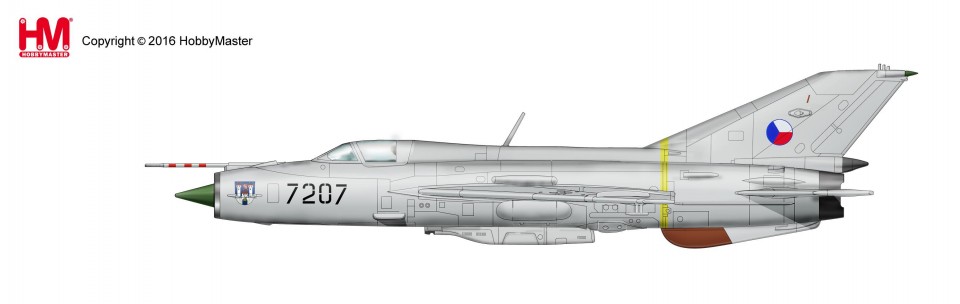
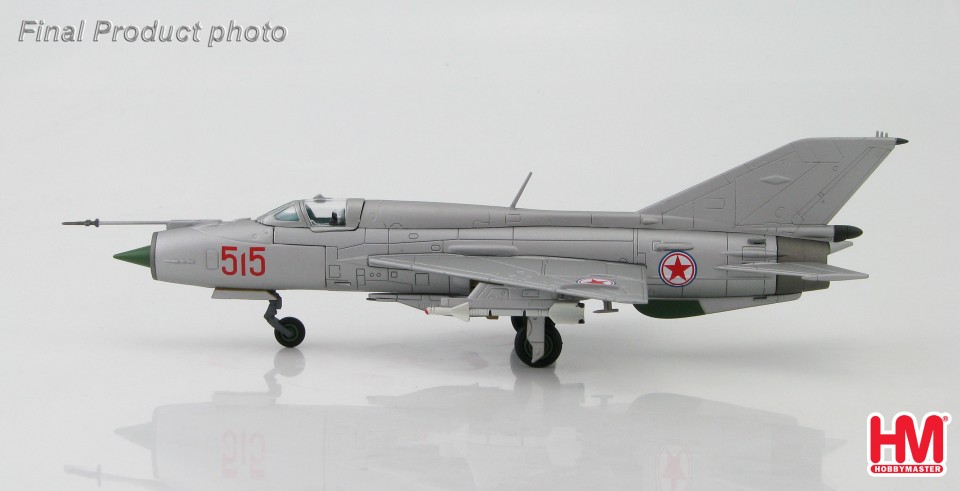
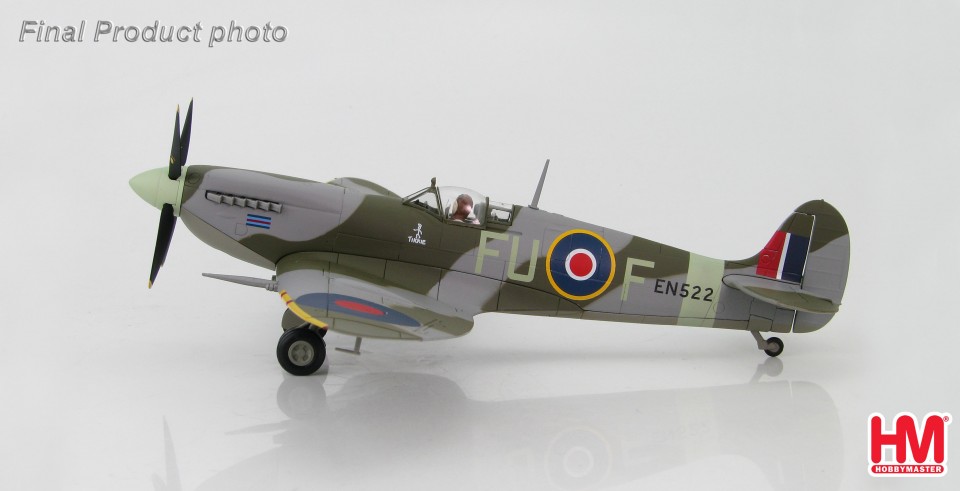
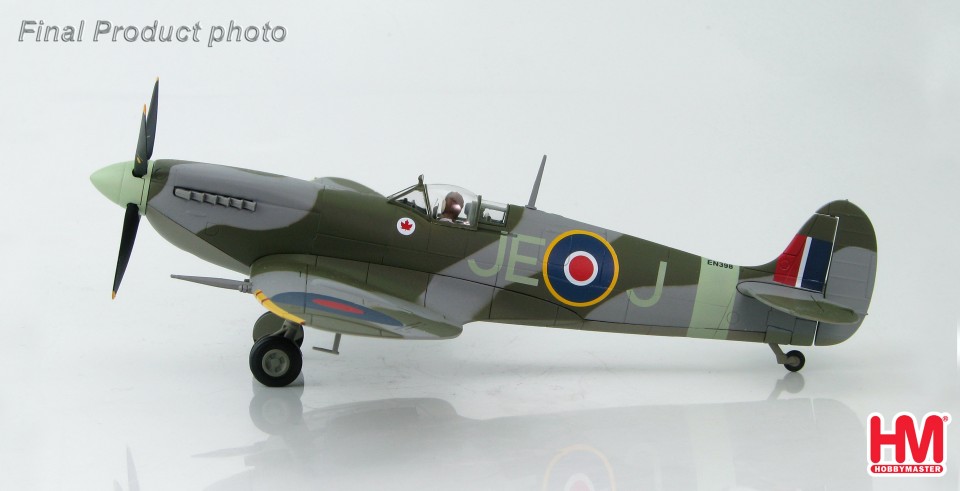
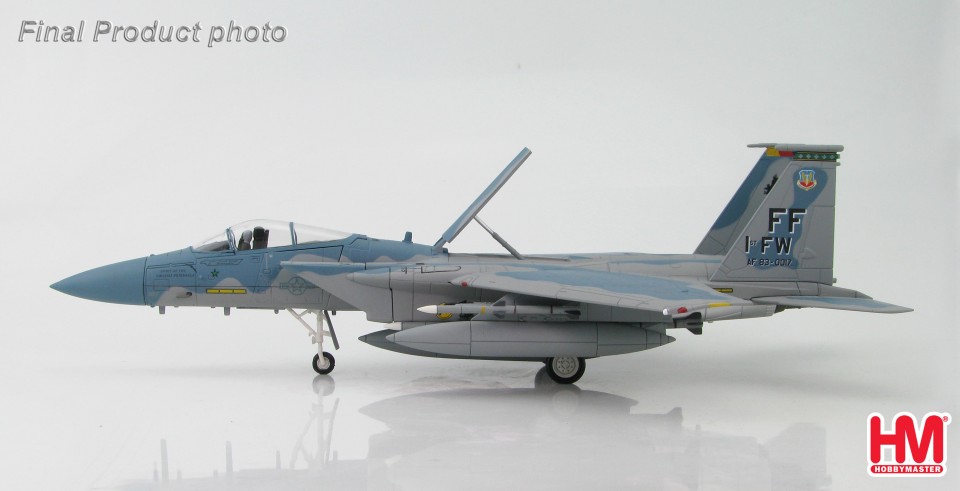
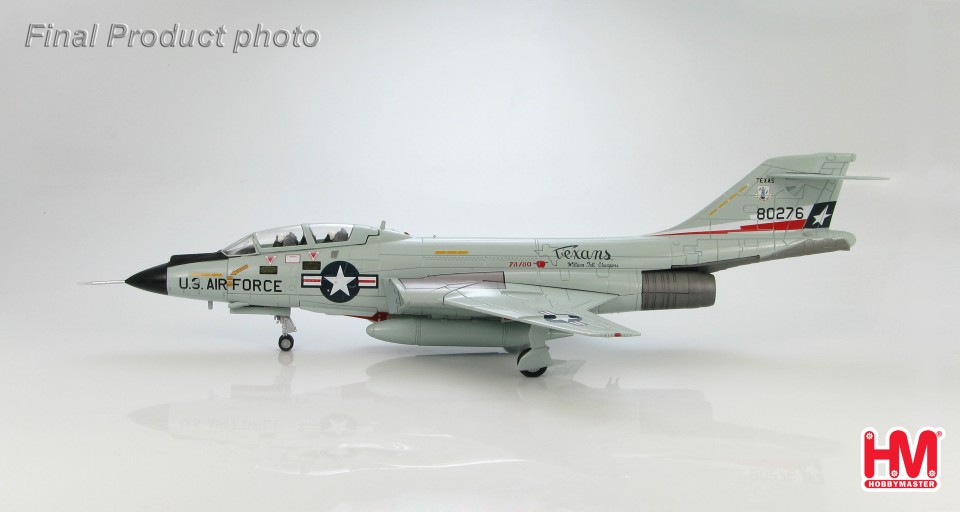
Hobbymaster 1/72nd scale MiG 21 models available at Flying Tigers.
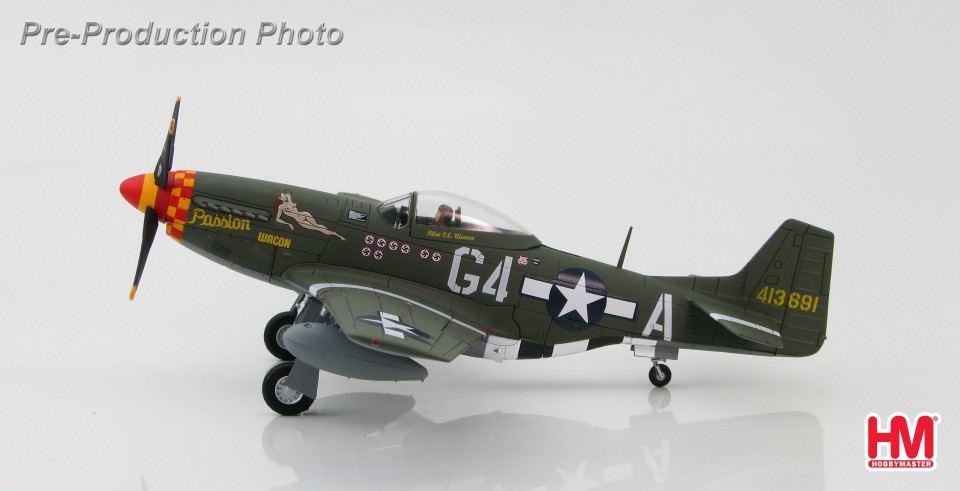
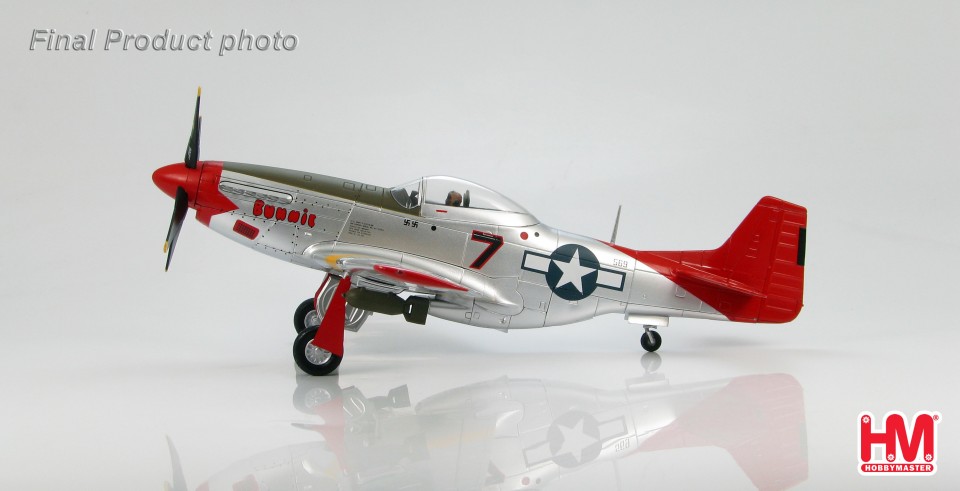
Take a look at the models available to buy at Flying Tigers. Only small numbers are made of each type and even fewer make it to the U.K. market. They very often quickly sell out and then are only available on the dreaded secondary markets at much higher prices.
Flying Tigers Offers of the Week
Sywell 2016 Airshow Update
The following message was posted on the Sywell Aerodrome Website…
Sywell Airshow 2016 CANCELLED
“Following many enquires it is with regret that we would like to confirm that the biennial Sywell Airshow will not be taking place in 2016. We would like to take this opportunity to thank all those that have supported us over the years and helped us raise many thousands of pounds for the Air Ambulance and other deserving Charities. Hopefully Sywell Airshow may return at some point in the future but in the mean time we hope that there will be a smaller, more intimate, event in August. Keep an eye on the Sywell Aerodrome website for details. With best wishes from the Sywell Airshow Team. – See more at: http://www.sywellairshow.co.uk/ ”
The Northampton Chronicle reported…
“The biennial show often attracts sell-out crowds and raises thousands of pounds for the air ambulance service.
A tweet from Sywell Airshow suggested that one of the main reasons for the cancellation was the likely introduction of higher Civil Aviation Authority (CAA) fees. Celebrities including Carol Vorderman have voiced their support for Sywell Airshow on Twitter. The TV presenter tweeted: “A sad day. But it is not too late to stop these ludicrous proposed charges #SaveOurAirshows.”
To sign a petition asking the CAA to rethink their charges, click here.
This is not just about a threat to Sywell’s Airshow but ALL U.K. Airshows. Please click on the link above and sign the petition !
Thank you for taking time to read this week’s Newsletter.
Richard
Flying Tigers.